
Local Marketing
50 Local Marketing Ideas for Retail Brands in 2026
Fri, 16 Aug 2024 11:32:10 GMT
Speak to our Hyperlocal Expert
This post was originally published in Aug 2024 and was updated in Mar 2026 for accuracy and comprehensiveness.
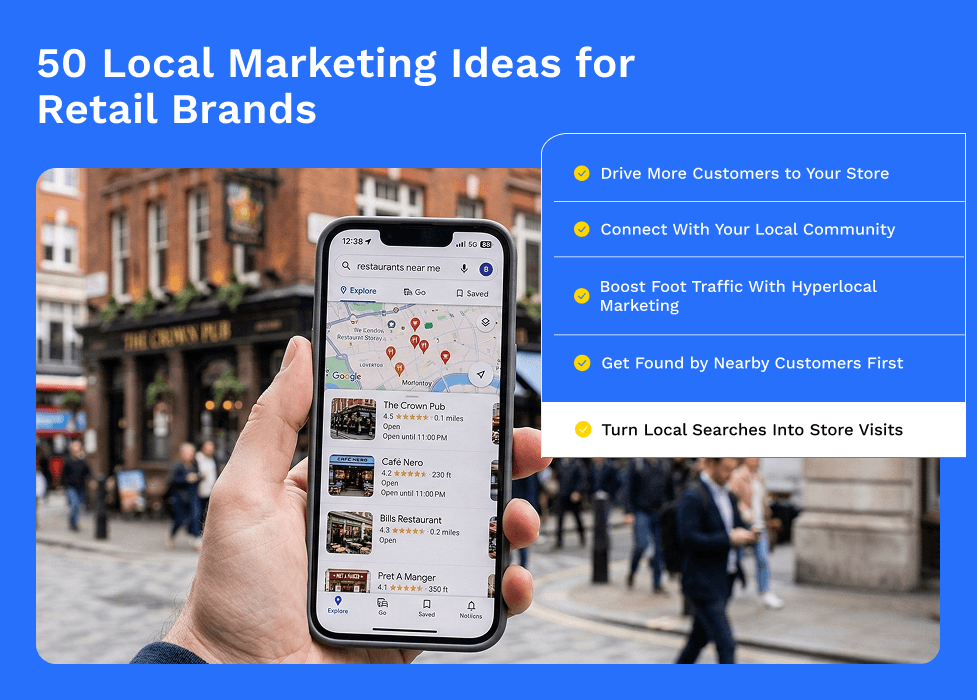
Local marketing ideas help retail brands attract nearby customers through local SEO, optimizing your Google Business Profile, leveraging community events, geo-targeted ads, location-based keywords, social media posts, and strategic partnerships to boost sales.
Here's the truth: most retail brands learn the hard way. You can have the best products, the most beautiful store, and the friendliest staff, and still struggle if the people three streets away don't know you exist.
Local marketing fixes that.
It's not about spending more. It's about spending smarter, on the right people, in the right area, at the right moment. And in 2026, the tools available to retail brands for doing exactly that are better than they've ever been.
The numbers back this up. According to Google, 76% of people who search for something nearby visit a related business within 24 hours. In India, mobile local searches have grown over 200% in the last three years. Customers aren't just browsing anymore. They're searching with intent, ready to visit, ready to buy.
But here's the challenge. Most retail brands, especially small businesses, either don't know which local marketing ideas actually work in 2026 or they're still using tactics from five years ago that Google and consumers have long moved past.
This guide covers 50 local marketing ideas for retail brands that are working right now. From local SEO and hyperlocal ads to community events, WhatsApp marketing, quick commerce integration, and everything in between. Whether you're running a single store or managing multiple locations across India, there's something here for every stage and every budget.
Let's get into it
What is Local Marketing?
Local marketing is the practice of targeting customers within a specific geographic area around your business. Not the whole country. Not a broad demographic. The people who are nearby, searching right now, and most likely to walk through your door.
It combines both online and offline tactics. Local SEO, Google Business Profile optimization, geo-targeted ads, community events, hyperlocal social media, and traditional methods like flyers and local partnerships all fall under local marketing. The goal across all of them is the same: make your business the most visible, most trusted, and most convenient option for people in your area.
How Local Marketing Drives Brand Visibility
Most customers for local retail businesses come from three places. Foot traffic past the store. Word of mouth from existing customers. And local online searches.
Local marketing strengthens all three simultaneously. Optimising your Google Business Profile means you show up when someone searches for a "clothing store near me." Sponsoring a neighbourhood event means people associate your brand with the community. Encouraging customer reviews means word of mouth spreads digitally, not just in person.
According to Think With Google, 28% of local searches result in a purchase. That's not window shopping. That's buying intent. Local marketing puts your business directly in front of that intent.
Why Local Marketing Ideas Work for Small Businesses
Large brands have national budgets and broad campaigns. Small businesses have something more powerful in local marketing: proximity and personality.
A neighbourhood bakery that knows its customers by name, posts about local festivals on Instagram, and shows up first in Google Maps for "fresh bread near me" will consistently outperform a national chain that treats every city the same way.
Local marketing ideas level the playing field. They don't require massive budgets. They require consistency, relevance, and genuine community connection. That's something any retail brand, regardless of size, can build.
Before diving in, a quick note. You don't need to do all 50. Pick the ones that fit your business, your budget, and your community. Start with 5 or 6, do them consistently, and add more as you go. Consistency beats quantity every time in local marketing.
Local SEO and Online Visibility Ideas
If someone near me searches for what you sell and you don't show up, a competitor does. These ideas fix that.
1. Optimise Your Google Business Profile
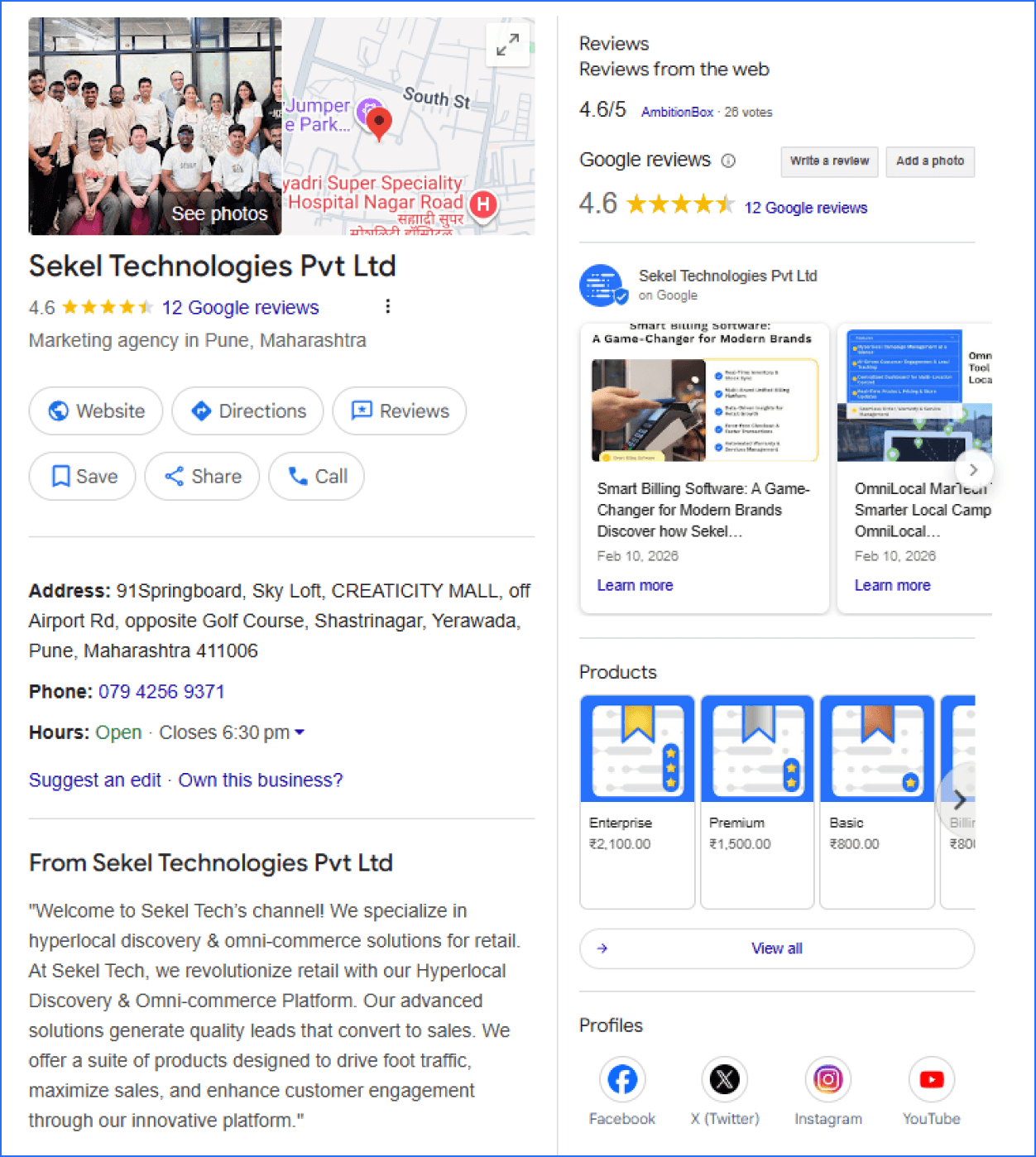
This is the single most important thing you can do for local visibility right now. Not your website. Not your Instagram. Your GBP. Add fresh photos every week. Post offers and updates. Answer questions. Respond to every review personally. Google rewards active profiles. Most businesses set it up once and never touch it again. That's your opportunity.
2. Post Weekly GBP Offers
Flash sales, festival discounts, new arrivals, seasonal promotions. Post them on GBP every week without fail. Customers checking your profile see something new every time. Google sees an active business worth ranking. Both matter.
3. Go Hyperlocal With Your Keywords
"Clothing store Mumbai" is too broad. "Ethnic wear in Koregaon Park Pune" is what actually converts. The more specific the keyword, the less competition and the higher the buying intent. Someone searching that precisely knows exactly what they want and they're close to buying.
4. Create Location Pages for Each Store
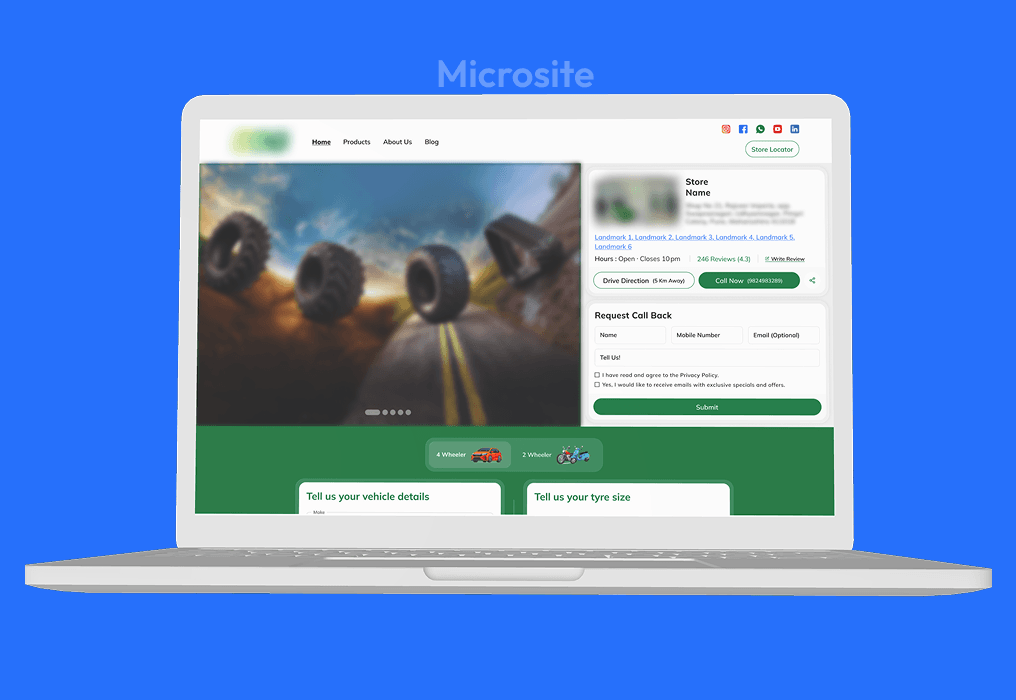
One generic "find us" page doesn't cut it for multi-location businesses. Each store needs its own dedicated page with local keywords, an embedded map, store-specific offers, and references to the neighbourhood. Google ranks these individually for local searches. Customers get exactly the information they need without hunting around.
5. Get Listed on Indian Local Directories
Justdial, Sulekha, IndiaMART. These still drive real foot traffic in India, especially in Tier 2 cities. Make sure your business name, address, and phone number are identical across every directory. One inconsistency confuses Google and quietly hurts your rankings without you realising it.
6. Earn Local Backlinks
Don't email random blogs asking for links. That never works.
Instead do this. Find the three most active local neighbourhood websites, community Facebook pages, or city blogs in your area. Offer to write one genuinely useful article for them. A fashion store could write "5 outfit ideas for Pune's unpredictable monsoon weather." A kitchenware store could write "Best Diwali recipes using locally sourced ingredients."
You're giving them free useful content. They're giving you a contextual local backlink. Both sides win. One article placed on a credible local website is worth more for local SEO than fifty generic directory submissions.
7. Optimise for Voice Search
People don't type voice searches. They talk naturally. "Which shoe shop near me is open on Sunday?" Your GBP needs accurate hours. Your website needs conversational FAQ content that answers exactly these questions. Voice search optimization is simple but almost every local retailer ignores it completely.
8. Add a Proper Store Locator to Your Website
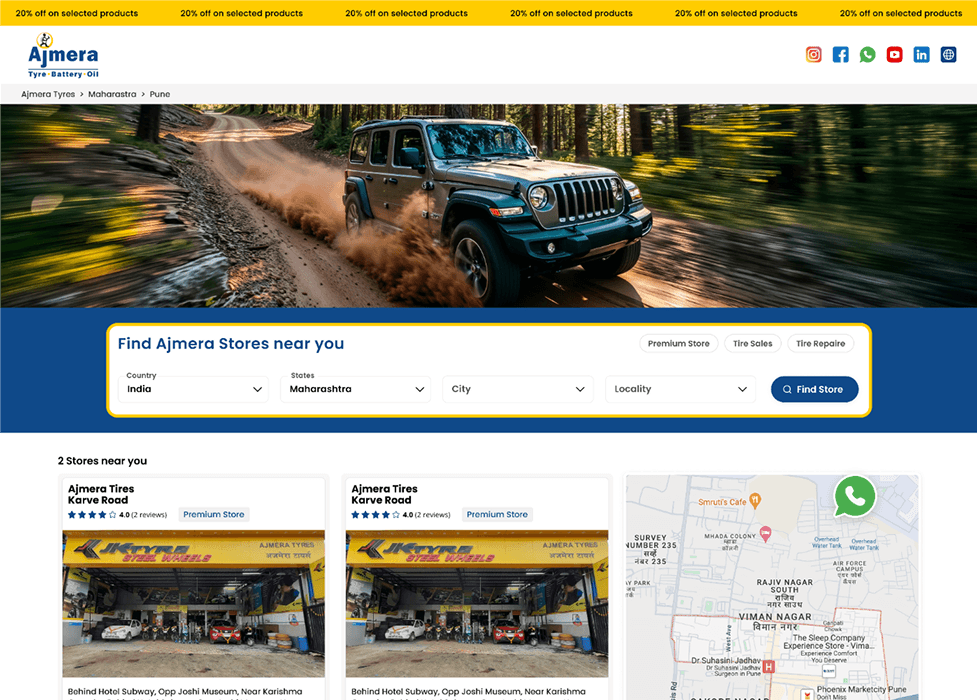
Customers shouldn't have to dig through your website to find their nearest store. Make it the easiest thing to find on your site. A proper store locator with directions, hours, and contact details removes friction between online search and in-store visit. Sekel Tech's Store Locator handles this across all locations automatically.
9. Test Your Storefront Images in Local Ads
Most retail brands use generic product shots in their digital ads. Try something different. Use actual photos of your storefront, your signage, your entrance.
When someone drives or walks past your store later and thinks "I've seen that place before" that's your ad working offline without you spending an extra rupee. Familiarity builds trust faster than any promotional message. Test storefront images against product images in your retargeting campaigns. The results usually surprise first-time testers.
10. Add Schema Markup to Your Website
Schema markup tells Google exactly what your business is, where it operates, and what it offers. Most local competitors haven't done this. It takes a developer an afternoon and gives you rich result visibility that others simply don't have. LocalBusiness schema and FAQPage schema are the two to start with.
Watch this quick video to see how to manage your listings, content, reviews, and sales all from one place. "Local Business Listing Management 101: The Complete Guide"
Local Advertising Ideas
Organic reach is great. But sometimes you need to put your business in front of people who don't know you exist yet. These local advertising ideas do exactly that without wasting budget on the wrong audience.
11. Run Geo-Fenced Ads on Meta and Google
Set a 5-10km radius around your store and run ads only to people within that area. Nobody in another city sees your ad. Nobody outside your target neighbourhood. Just the people most likely to actually walk in.
Most retail brands run city-wide ads and wonder why conversion rates are low. Geofencing fixes that immediately. According to Think With Google, location-targeted ads drive 20% higher purchase intent than non-targeted ones.
Read Also - Geofencing Ads: 10 Campaigns Ideas That Boost Store Traffic
12. Use Radius Targeting in Google Ads
Similar to geofencing but specifically in Google Ads. Set your ads to show only within a specific radius of your store location. Combine this with local keywords and your ads become incredibly precise.
A shoe store in Koramangala targeting "casual shoes near me" within 3km will spend less and convert more than the same store targeting all of Bangalore. Precision beats reach every time in local advertising.
13. Run Localised Facebook and Instagram Ads
Facebook's location targeting is still one of the most powerful local advertising tools available. Target by city, neighbourhood, or even a pin drop radius. Layer in interests, age, and behaviour to get even more specific.
The brands winning with Facebook ads in 2026 aren't running generic product ads. They're running ads that feel local. Festival offers are tied to a specific neighbourhood. New collection launches targeting nearby residential areas. Local language copy that feels personal not corporate.
14. Create Location Pages for Each Store
Short-form video is now a primary local discovery channel. A saree store in Pune posting weekly Reels of new arrivals with location tags consistently gets discovered by nearby customers who never searched for them.
Tag your location in every Reel. Use local hashtags naturally. Show real products, real staff, real store atmosphere. Shoppable tags let viewers buy directly or find your store without leaving Instagram.
15. Show Distance in Mobile Ads
This one is simple and criminally underused. Adding "Just 2km away" or "Open now, 5 minutes from you" in your mobile ad copy dramatically increases click-through rates.
People respond to proximity. Knowing your store is nearby removes the effort barrier. Test distance-based copy against your regular ads. The difference in engagement usually surprises first-time testers.
16. Use YouTube Shorts for Local Discovery
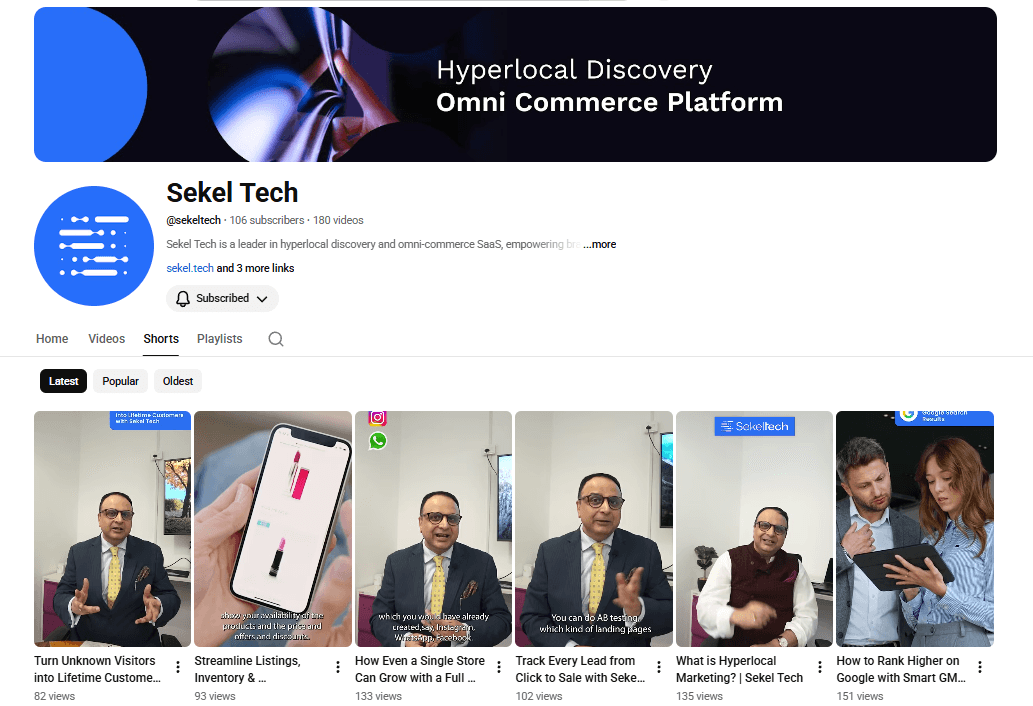
YouTube Shorts are now indexed in Google Search. A local marketing platform in Pune posting weekly Shorts about local marketing ideas with location tags is essentially getting free local SEO from video content.
Keep them under 60 seconds. Show something genuinely useful or interesting. Tag your location. Add local keywords in the description. This is one of the most underused local advertising ideas for retail brands right now.
17. Send Emailed Mobile Coupons to Track Offline Conversions
Tracking whether your online marketing is actually bringing people into your store is one of the hardest problems in local retail. Mobile coupons solve it simply.
Send a coupon via email that customers show on their phone at checkout. Every redemption is a trackable offline conversion directly tied to your online campaign. You'll know exactly which email campaign drove which in-store sale. No guesswork. No assumptions. Just clean attribution data that tells you where to spend more and where to stop.
18. Create a "Get Directions" Page and Track It as a Conversion
Here's a simple analytics trick most local retailers completely miss.
Create a dedicated "Get Directions" page for each store location. Set page views on that page as a goal in Google Analytics. Every time someone views it they're signalling genuine intent to visit physically. That's an offline conversion you can now measure, attribute to specific campaigns, and use to compare which marketing channels are actually driving foot traffic versus which ones just look good on paper.
Explore Sekel Tech's Store Locator to make finding your store directions effortless for nearby customers.
19. Keep Your Local Content Consistent Everywhere
Outdated offers on your website. Wrong product descriptions on your app. Different pricing on your store microsite. Inconsistent content quietly destroys local customer trust. Content Management keeps every piece of product information, offer, and brand messaging consistent across every location and platform automatically. One update everywhere simultaneously.
20. Retarget Website Visitors With Local Ads
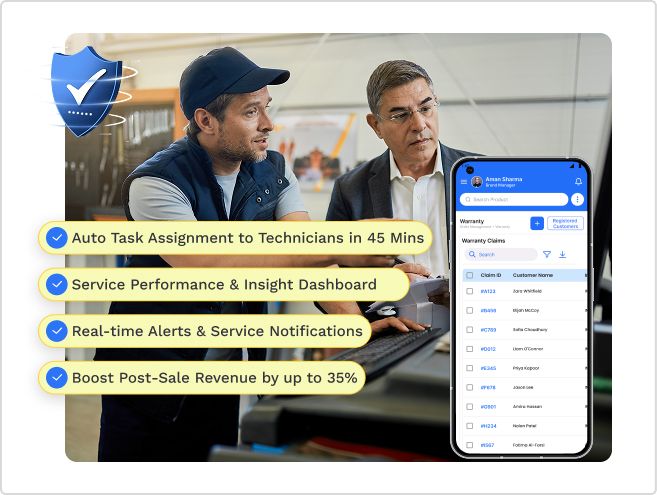
Someone visited your website but didn't come to the store. They were interested. Life got in the way. Retargeting ads remind them you exist with a specific offer to bring them back.
Combine retargeting with location targeting so you're only spending budget on people who visited your site AND are within reach of your store. According to Google, retargeted ads are 70% more likely to convert than cold ads. For local retail that conversion usually means a physical store visit.
Quick Win: Start with ideas 11 and 13. Geo-fenced Meta ads and radius-targeted Google Ads together cover the highest-intent local audience at the lowest cost. Most retail brands see results within the first two weeks.
New Store Opening Ideas
Opening a new store is exciting. But excitement doesn't bring customers in. The right local marketing ideas for your launch do. Here's what actually works for new retail store openings in 2026.
21. Plan a Grand Opening Event
Don't just open your doors and hope people walk in. Give them a reason to show up on day one. A grand opening event doesn't need to be expensive. A live demo, a local performer, free samples, a lucky draw, anything that creates a reason to visit right now rather than later. The goal is foot traffic on day one because first impressions in a neighbourhood stick.
Post about it on GBP, Instagram, and local Facebook groups at least two weeks before opening. Create a Facebook event. Send WhatsApp broadcasts to everyone in your network. The more people who know about it in advance the better your opening day turnout.
One thing most new stores miss: collect contact details on opening day. Every person who walks in is a potential loyal customer. Get their number or email with a small incentive. That list becomes your most valuable local marketing asset going forward.
22. Run a Pre-Opening Social Media Campaign
The biggest mistake new retail stores make is staying quiet until opening day. By the time they launch nobody knows they exist.
Start posting at least four weeks before opening. Behind the scenes content works incredibly well here. Store fit-out photos. Product unboxing videos. Staff introductions. "Opening in 14 days" countdowns. Local audiences love watching a new business come to life in their neighbourhood.
Use location tags in every post. Target local hashtags specific to your area. Run a small geo-targeted teaser ad to people within 5km of your new location. Build anticipation before you open and your first week looks completely different from stores that stay quiet until launch day.
This is one of the new store opening ideas that costs almost nothing but makes a dramatic difference to how your launch lands in the local community.
23. Partner With Local Influencers for Launch
A local micro-influencer with 10,000 to 50,000 followers in your city will drive more foot traffic to your opening than a celebrity with millions of national followers.
Why? Because their audience is local, engaged, and trusts their recommendations. When they post "this new store just opened near me and it's worth checking out" their followers in your area actually go.
Invite three or four local influencers to a pre-opening preview. Give them a genuine experience. Let them post authentically rather than scripting their content. Authentic posts from real local voices convert infinitely better than polished sponsored content that everyone recognises as paid promotion.
24. Offer Opening Day Exclusive Discounts
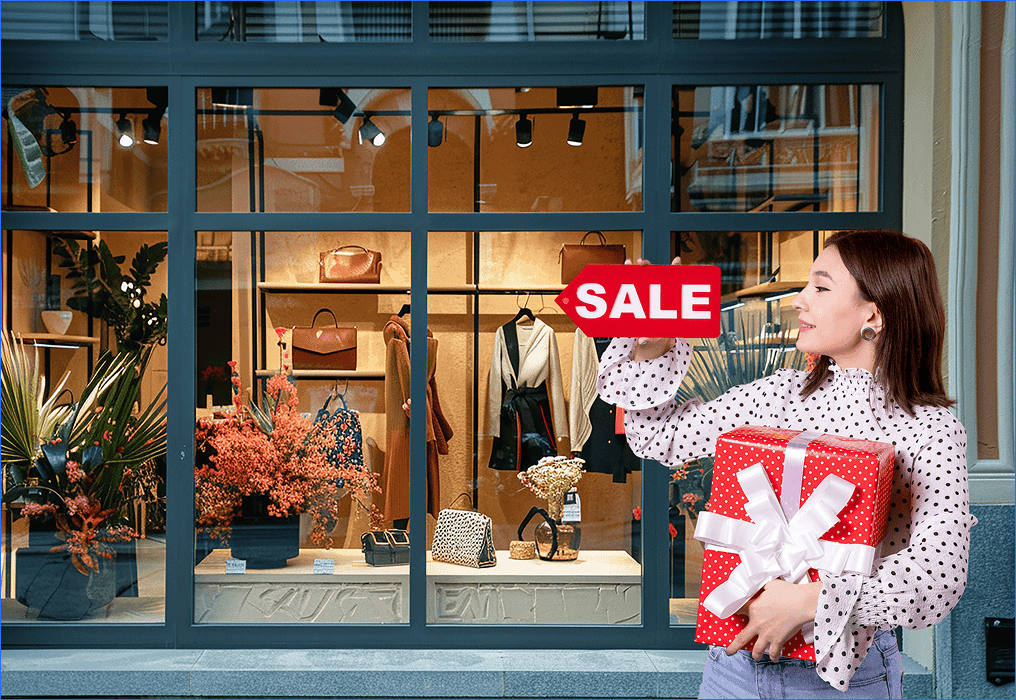
Give people a specific reason to come on opening day rather than "sometime soon."
Sometime soon almost always becomes never. An opening day offer with a clear deadline creates urgency. 20% off everything today only. Free gift with first 100 purchases. Buy one get one on launch day. Whatever fits your margin, make it compelling enough that people feel they're missing out if they don't come today.
Promote it everywhere. GBP, Instagram Stories, WhatsApp broadcasts, local Facebook groups, and even a simple banner outside the store. New retail store opening ideas that create genuine urgency consistently drive higher opening day foot traffic than stores that just open quietly and hope for the best.
25. Use Role-Based Access for Multi-Location Content Management
If you're managing local marketing across multiple store locations, content inconsistency is one of your biggest silent problems. Different staff updating different listings with different information creates a fragmented local presence that confuses both Google and customers.
Role-based access solves this. Store managers update only their location's content. Regional managers oversee clusters. The head office controls brand-level messaging. Everyone works within their lane. Sekel Tech's Multi-Location Content Management with role-based access ensures your local marketing stays consistent and controlled across every location simultaneously.
Quick Win: Start with ideas 21 and 22 together. Plan your grand opening event first, then build your pre-opening social media campaign around it. Four weeks of consistent pre-opening content followed by a well-promoted launch event is the formula that consistently works for new retail store openings in India in 2026.
If you're launching a new retail store and want to go deeper on marketing strategies, this article from Times of India covers six effective techniques specifically for new businesses worth reading alongside these local marketing ideas.
Retail In-Store Events and Community Building Ideas
The retail brands building the most loyal local customer bases in 2026 aren't just selling products. They're creating experiences and becoming genuine parts of their communities. These local marketing ideas turn your store from a place people buy things into a place people actually want to be.
26. Host In-Store Experience Events
People don't need to come to your store to buy anymore. They can order anything online in two minutes. What they can't get online is an experience.
Styling sessions, product demonstrations, workshops, try-on days, live cooking demos if you sell food, DIY craft sessions if you sell home décor. Whatever fits your category, create a reason for people to come in that goes beyond just shopping.
A kitchenware store in Bangalore hosting a monthly "Saturday cooking masterclass" fills the store with engaged customers who spend significantly more than regular walk-ins. They also tell their friends. They share on Instagram. They come back next month. One event creates layers of local marketing value that a paid ad simply cannot replicate.
Retail in-store events that focus on community engagement and foot traffic consistently outperform stores relying purely on promotions and discounts to drive visits.
Explore Sekel Tech's Digital Campaign Management to promote your in-store events to the right local audience.
27. Manage Warranty and After-Sales Service Locally
Most retail brands treat the sale as the finish line. The brands building genuine local loyalty treat it as the starting line.
A customer who has a smooth warranty claim or hassle-free service experience becomes one of your most vocal local advocates. They tell their neighbours. They leave detailed positive reviews. They come back for their next purchase without considering competitors. Sekel Tech's Warranty and Service Management tracks every after-sales interaction by location, ensuring no customer falls through the cracks after purchase.
28. Use a Geo Task Manager for Local Operations
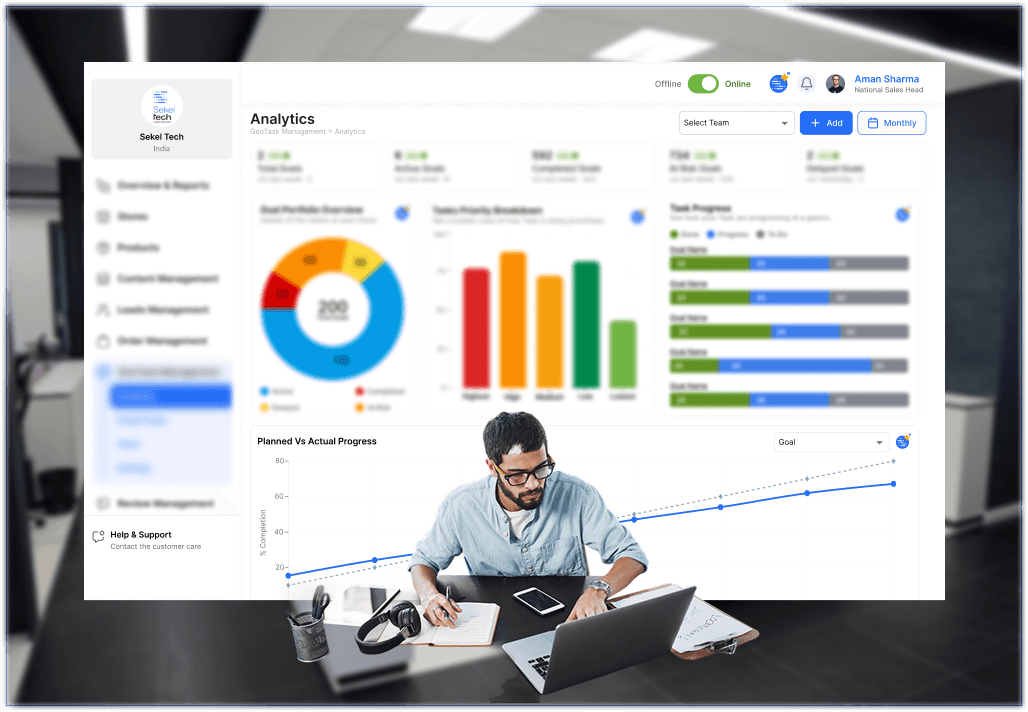
Local marketing only works when local operations work. A store with outdated window displays, wrong opening hours on Google, or untrained staff handling customer queries undermines every campaign you run.
A geo task manager assigns location-specific tasks to the right people at the right time. Update this store's GBP photos this week. Check this location's review responses. Run this promotion at these three stores only. Sekel Tech's Geo Task Manager keeps your entire local marketing operation running consistently across every location without constant manual oversight from head office.
Read Also - Geo Task Manager: Turn Daily Insights into Revenue Growth
29. Build on Cloud Infrastructure for Scalable Local Marketing
As your retail brand grows across more locations, your local marketing infrastructure needs to grow with it. Systems that work for 5 stores break at 50.
Cloud-based local marketing infrastructure means your listings, campaigns, customer data, and analytics scale automatically as you add locations. No rebuilding. No data silos. No operational chaos every time you open a new store. Sekel Tech's cloud-based platform handles this scaling seamlessly so your local marketing capability grows as fast as your retail footprint does.
30. Prioritise Security and Compliance in Local Data Collection

Every customer interaction generates data. Purchase history, contact details, location data, browsing behaviour. Collecting this data responsibly isn't just good ethics in 2026. It's a legal requirement in many markets and increasingly a customer expectation.
Brands that handle customer data transparently and securely build deeper local trust than those that don't. Sekel Tech's Consent and Compliance Management ensures every local customer interaction meets privacy regulations automatically, protecting both your customers and your brand reputation.
31. Manage Orders Seamlessly Across Locations
Losing a sale because of a stock mix-up or delayed order confirmation is one of the most avoidable local retail problems. Order Management ensures every order, whether placed online or in-store, is tracked, confirmed, and fulfilled without manual chaos. Customers who receive orders smoothly come back. Customers who don't, don't.
32. Encourage Employee Advocacy
Your staff live in the local community. They have local friends, local social media followers, and local credibility. A genuine post from a team member about working at your store or loving a new product reaches a local audience that no paid ad can target as precisely.
Create a culture where employees are proud to share. Give them early access to new products. Feature them in your brand content. When staff genuinely love where they work it shows in the content they create and the way they talk about your brand to people in their personal lives.
33. Run an Order-to-Cash Process That Doesn't Leak Revenue
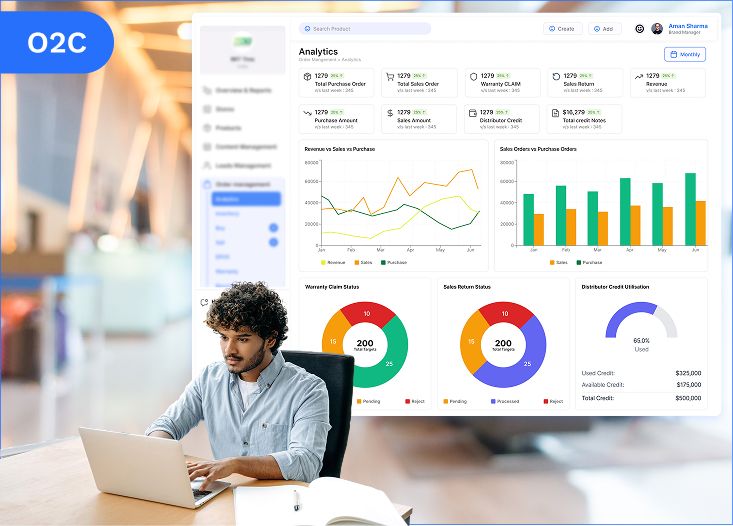
A customer finds your store locally, places an order, and then the experience falls apart. Wrong item delivered. Payment confusion. No follow-up. That single bad experience travels through the local community faster than any positive review.
A clean order-to-cash process, from the moment a customer places an order to the moment payment is confirmed and the product is delivered, directly impacts your local reputation. Sekel Tech's Order-to-Cash Business management system ensures every transaction is smooth, trackable, and professionally handled from first click to final payment.
34. Use Geo-Targeted Promotions at Local Events
Pop-up stalls at malls, IT parks, and community markets are valuable. But showing up without a targeted promotion strategy means you're relying entirely on foot traffic and hope.
Combine your physical presence at local events with geo-targeted digital ads running simultaneously in that exact location. Someone walking past your stall at Hinjewadi tech park sees your Instagram ad at the same moment. Someone browsing at a Diwali mela gets a push notification about your stall nearby. Physical and digital working together multiplies the impact of every local event you participate in.
35. Share Your Brand's Local Story
People support businesses they feel connected to. Why did you start this store? What problem were you solving for your local community? What makes your business genuinely different from a national chain?
Tell that story consistently across your website, social media, GBP, and in-store materials. A handwritten note about the founder's story near the checkout. A wall in your store showing your journey. Social posts that show the real people behind the brand. Local customers respond to authenticity far more than polished corporate messaging and this is one of the local marketing ideas that costs nothing but builds loyalty that's genuinely hard for competitors to replicate.
Quick Win : Start with ideas 26 and 28. Host one in-store event this month and identify two complementary local businesses to partner with. These two ideas together consistently drive the highest quality foot traffic of any community-based local marketing strategy in retail.
Watch the video to see how retailers are boosting local search rankings and driving real foot traffic with the right local marketing strategy. "How Retailers Boost Local Search Rankings & Foot Traffic?"
Customer Retention and Loyalty Ideas
Getting a customer through your door once is hard enough. Getting them to come back is where real retail growth happens. These local marketing ideas focus on turning one-time buyers into loyal regulars who bring their friends.
36. Launch a Localised Loyalty Programme
Generic points-based loyalty programmes are everywhere. Customers collect points, forget about them, and never redeem. A localised loyalty programme feels different because it's built around what your specific customers actually value.
UPI-based rewards that credit instantly after purchase. A gamified spin wheel in your app that gives surprise prizes. Exclusive early access to new arrivals for loyalty members only. Double points during local festivals. These feel personal and relevant rather than corporate and generic.
The best loyalty programmes in 2026 don't just reward purchases. They reward engagement. Reviews, referrals, social shares, event attendance. Every interaction with your brand becomes an opportunity to deepen the relationship.
Explore Sekel Tech's Customer Relation Management to build and manage loyalty programmes that actually retain customers.
37. Implement a Referral Programme
Word of mouth is still the most powerful local marketing idea that exists. A referral programme systematises it.
Give existing customers a genuine reason to refer friends and family. A discount for both the referrer and the new customer works well. A free product after three successful referrals. Exclusive member status for your top referrers. The incentive needs to feel worth talking about, not just a token gesture.
The key is making it easy. A simple WhatsApp share link. A referral code on the receipt. A QR code at the checkout counter. The fewer steps between wanting to refer and actually referring the higher your referral rate will be.
38. Set Up Smart EPOS for In-Store Insights
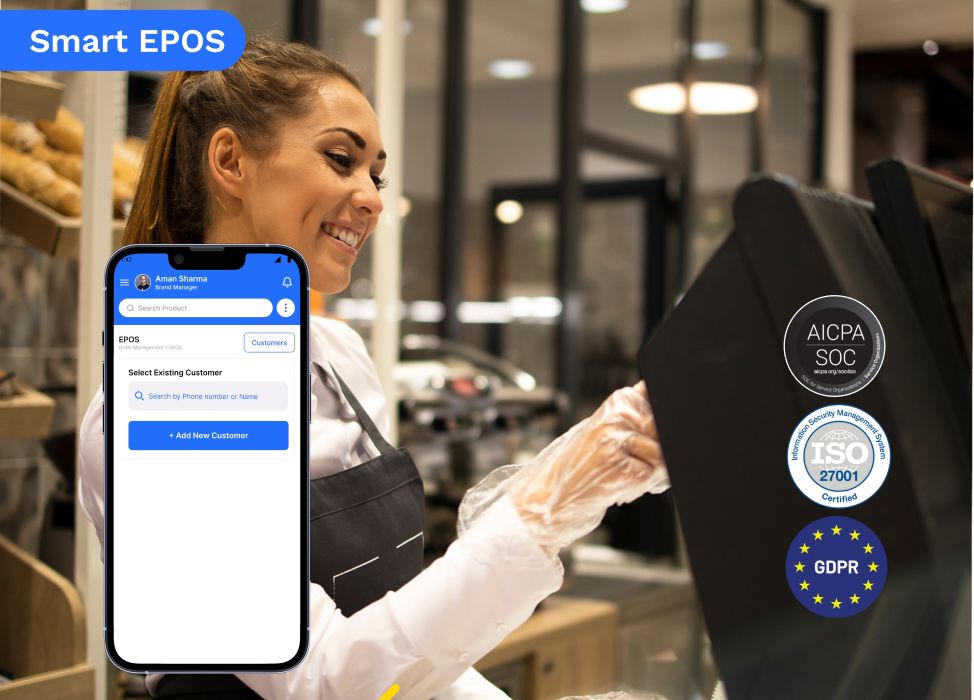
Your point-of-sale system is one of the most valuable and underused local marketing tools in your store.
A Smart EPOS doesn't just process transactions. It captures which products are selling fastest at which location, which promotions are converting in-store, which staff members are driving the highest sales, and which times of day see the highest foot traffic. Sekel Tech's Smart EPOS turns every in-store transaction into actionable local marketing data that helps you make smarter decisions about promotions, stock, and staffing at every location.
39. Manage and Respond to Reviews Actively
Reviews directly influence both local search rankings and customer decisions. A business with 200 recent reviews and a 4.6 rating will consistently outrank one with 50 old reviews and a 4.8 rating.
Respond to every single review personally. Not copy-paste templates. Actually personally. Thank customers for positive reviews with specific references to what they mentioned. Address negative reviews calmly, professionally, and with a genuine offer to resolve the issue. How you respond to a bad review tells potential customers more about your business than the review itself.
Explore Sekel Tech's Review Management to monitor and respond to reviews across all platforms in one place.
40. Use First-Party Data for Targeted Campaigns
Every customer interaction generates data. Purchase history. Product preferences. Visit frequency. Average spend. Most retail brands collect this data passively and never use it.
The brands winning locally in 2026 use first-party data to create campaigns that feel personally relevant. A customer who bought running shoes gets an early access email when new running gear arrives. A customer who visits every Saturday gets a weekend-specific offer. A customer who hasn't visited in 60 days gets a "we miss you" message with a small incentive to return.
This level of personalisation is what separates brands customers feel loyal to from brands they just occasionally buy from.
Explore Sekel Tech's Customer Data Platform to capture and activate first-party data for smarter local campaigns.
41. Personalise Customer Communication With CRM
A CRM system sounds like something only large corporations need. It isn't.
Even a basic CRM that tracks customer names, purchase history, and contact preferences allows you to communicate in a way that feels personal rather than broadcast. Birthday messages with a genuine discount. Anniversary of first purchase acknowledgements. Personalised product recommendations based on past buying behaviour.
Customers who feel known by a brand spend more and stay longer. CRM makes feeling known scalable across hundreds or thousands of customers without requiring you to personally remember every detail.
42. Send Seasonal and Festival Promotions
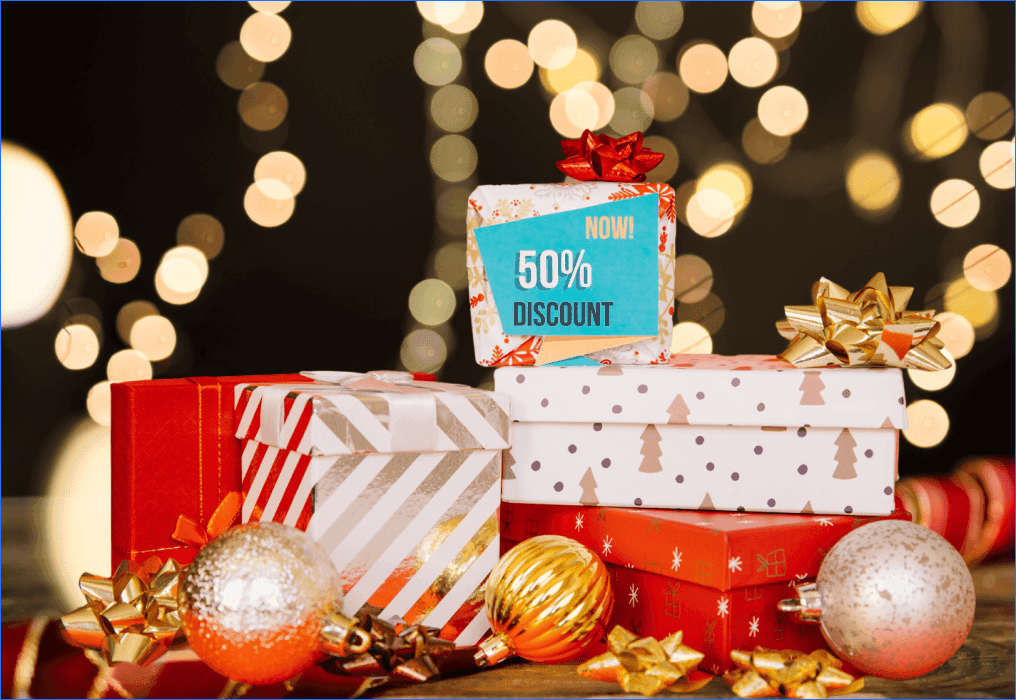
India has more festivals than almost any country in the world. Every single one is a local marketing opportunity.
Diwali, Holi, Eid, Christmas, Pongal, Ganesh Chaturthi, local city festivals. Each one gives you a genuine reason to reach out to customers with relevant offers. The key is making them feel locally relevant rather than generic. A Pune store referencing Ganesh Chaturthi specifically feels different from a national brand running a generic "festive offer" campaign.
Plan your festival calendar at the start of each year. Know exactly when you're reaching out and with what offer. Preparation beats last-minute campaigns every time.
43. Capture and Convert Local Leads Systematically
Most retail brands generate local interest but have no system to track and follow up on it. A walk-in who asked about a product but didn't buy. A WhatsApp enquiry that went cold. Lead Management captures every local enquiry across channels and tracks it through to conversion. Knowing exactly where leads drop off changes how you allocate your local marketing budget entirely.
44. Promote Customer Reviews on Social Media
Your best reviews are marketing content you didn't have to create. Share them.
Screenshot genuine five-star reviews and post them on Instagram and Facebook regularly. Quote compelling reviews in your Stories. Create simple graphics featuring customer testimonials. User-generated content and real customer words build social proof far more effectively than any branded content your marketing team produces.
According to Salesforce, 92% of consumers trust recommendations from other people over branded content. Your customers' words are your most credible marketing asset. Use them consistently.
45. Compare Channel Spend Against Revenue Growth
This is the local marketing idea most retail brands skip because it feels complicated. It isn't.
Every month compare how much you spent on each local marketing channel against how much revenue grew during that period. When you spent more on hyperlocal Meta ads did revenue increase proportionally? When you invested in local SEO did foot traffic grow the following month? Start noticing these patterns consistently and you'll quickly identify which local marketing ideas are generating the highest marginal returns for your specific store and stop wasting budget on the ones that aren't.
Explore Sekel Tech's Real-Time Sales Conversion Analytics to track exactly which local marketing channels are driving real revenue at every location.
Quick Win : Start with ideas 38 and 39 together. Set up a simple post-purchase WhatsApp follow-up and commit to responding to every review personally for 30 days. These two habits alone consistently improve both customer retention and local search rankings for retail brands within a single month.
Technology and Platform Ideas
Technology doesn't replace the human side of local marketing. It makes everything else on this list work harder, faster, and at scale. These five ideas are the ones most retail brands in 2026 either haven't tried yet or are seriously underusing.
46. Use AR Try-On via Instagram Filters
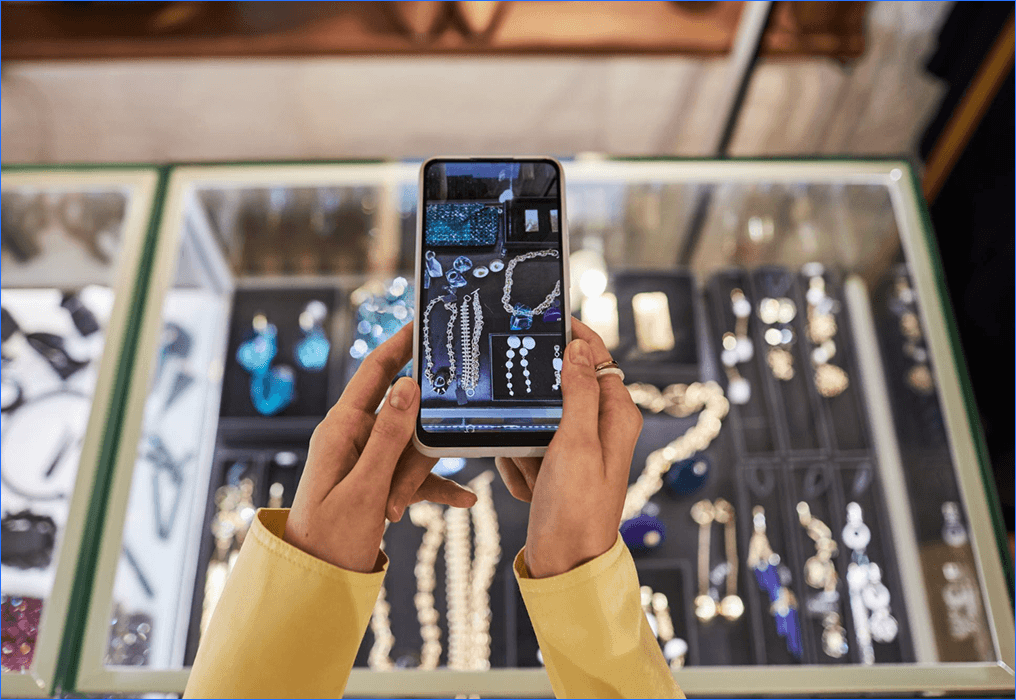
Augmented reality try-on used to be something only big brands with massive tech budgets could afford. In 2026 any retail brand can create Instagram filters that let customers virtually try on products before visiting the store.
A jewellery store in Mumbai created a simple AR filter letting customers try on earrings virtually. They posted it on Instagram, encouraged customers to share their try-on videos with a branded hashtag, and watched organic reach multiply without spending a rupee on ads. The filter became a local talking point.
Sunglasses, clothing, accessories, makeup, home décor. If your products can be visualised on a person or in a space, AR try-on is one of the most creative local marketing ideas available to retail brands right now.
47. Implement Omnichannel Retail Strategies
Customers don't think in channels. They think about what's convenient. They discover you on Instagram, check your website, visit your store, and order online for delivery if they can't find their size in-store.
If any part of that journey feels disconnected your brand loses trust. The retail brands dominating local markets in 2026 make every touchpoint feel seamless. Online inventory matches in-store stock. Click and collect works without friction. Returns are easy regardless of where the original purchase happened.
According to Salesforce, omnichannel customers spend 10% more online and 4% more in-store than single-channel customers. The investment in connecting your channels pays for itself quickly.
Explore Sekel Tech's Store 2 Door to bridge online discovery with seamless offline fulfilment.
48. Collaborate With Quick Commerce Platforms
Blinkit, Zepto, Swiggy Instamart. These platforms have millions of daily active users in Indian cities who are actively buying right now.
Listing your products on quick commerce isn't abandoning your D2C strategy. It's putting your products in front of high-intent local buyers who want delivery within 20 minutes. Use it as a discovery channel. Customers who find you on Blinkit and love your product will often seek out your store directly next time.
Negotiate exclusive quick commerce offers or bundles that aren't available on your main website. This drives quick commerce sales while keeping your direct channel differentiated.
49. Use an AI Chatbot for Local Customer Queries
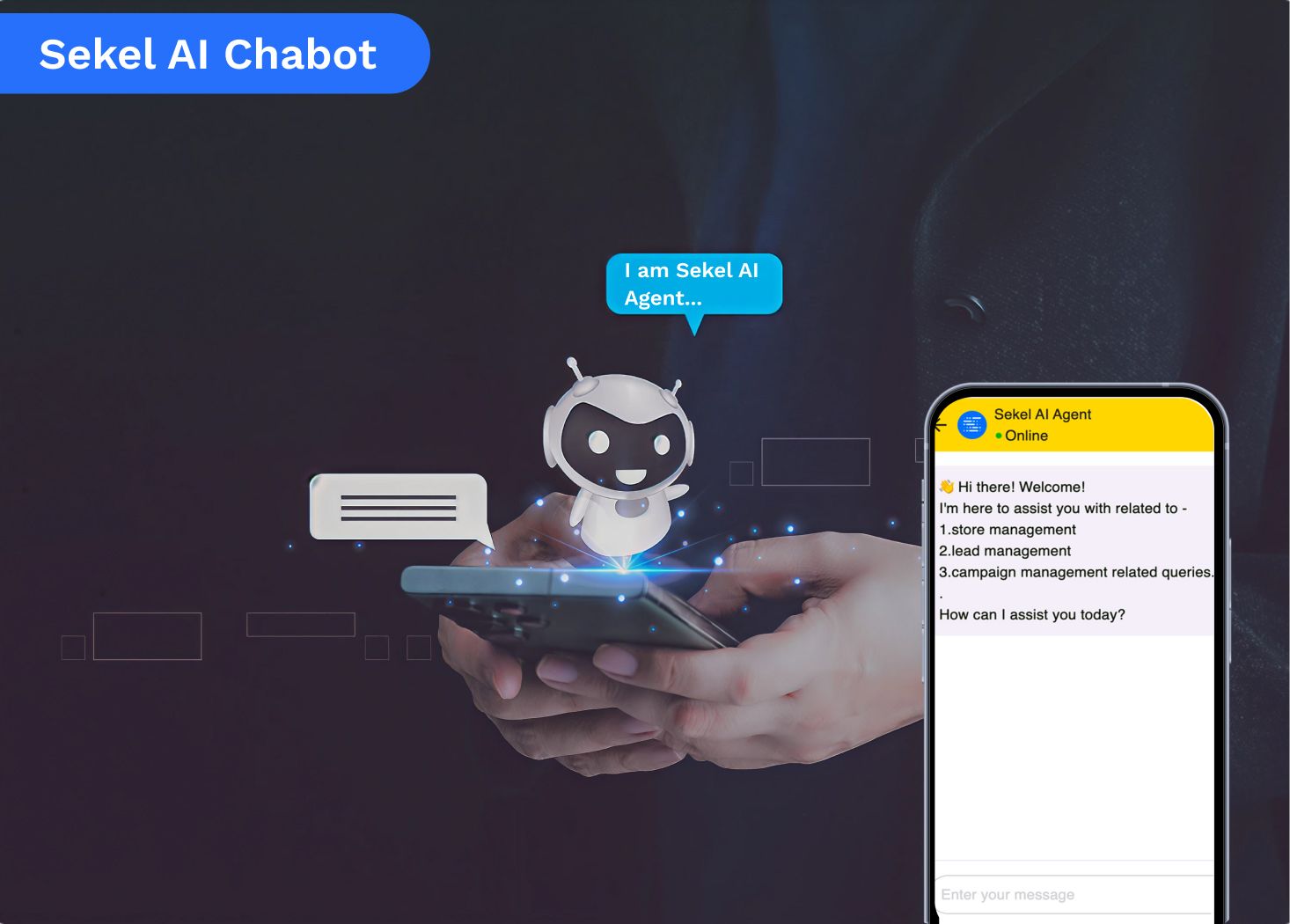
Your store can't answer questions at 11pm. An AI chatbot can.
"Are you open on Sunday?" "Do you have this large size?" "Where is your nearest store to Baner?" "Is this product available for home delivery?" These are questions customers ask outside business hours and an unanswered question at 11pm often means a lost sale by morning.
A well-configured AI chatbot handles these queries instantly, captures lead details, and passes genuinely complex queries to your team during business hours. It's not replacing human service. It's making sure no local customer query goes unanswered.
Explore Sekel Tech's Sekel AI ChatBot built specifically for retail brands managing local customer queries at scale.
50. Use AI Automation Tools to Scale Your Local Marketing
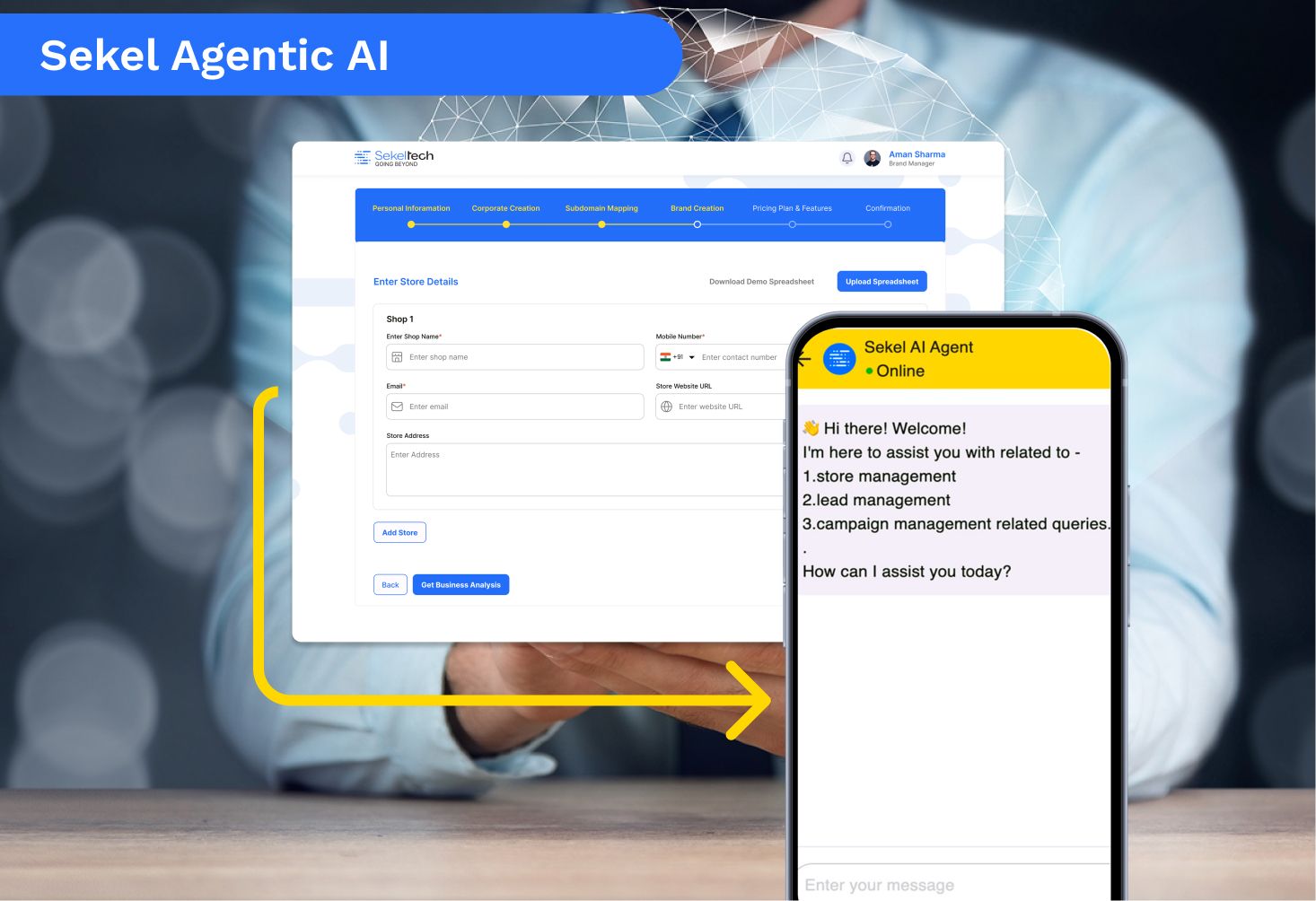
At some point doing everything manually stops working. Responding to every review, updating every listing, following up every lead, running campaigns across multiple locations. It's too much for any small team.
AI automation tools handle the repetitive parts so your team focuses on the human parts. Automated review response drafts that you personalise before sending. AI-powered chatbots answering local customer queries at 11pm. Automated lead follow-up sequences triggered by customer behaviour. Campaign optimization that adjusts targeting based on real-time performance data.
Tools like Sekel Tech's Sekel Agentic AI go further by making autonomous decisions across campaigns and customer interactions without constant manual input. But even starting with basic automation, review alerts, chatbot responses, and automated follow-up messages, immediately frees up time and improves consistency across your local marketing.
The retail brands scaling local marketing successfully in 2026 aren't bigger than their competitors. They're just smarter about what they automate and what they keep human.
Quick Win : Start with idea 49. Set up a basic AI chatbot on your website this week to handle after-hours local queries. It's the fastest technology win on this list and immediately improves the customer experience for anyone discovering your store outside business hours.
Local Marketing Examples That Actually Worked
These aren't theoretical case studies. These are real brands that used local marketing ideas to build something genuinely impressive.
India Examples
- Mamaearth Started by targeting new mothers in specific Indian cities with hyper-relevant content about toxin-free baby products. No national TV campaigns. No big retail push. Just deeply local digital marketing aimed at a specific community with a specific problem. That hyperlocal focus built enough trust to scale nationally.
- boAt Built its entire early customer base through college campus micro-influencers in Mumbai, Delhi, and Bangalore. Not celebrities. Real local voices that students in those cities actually trusted. Classic local marketing idea for small business executed at a scrappy startup budget.
- Lenskart Disrupted eyewear by combining local SEO, hyperlocal ads, and an in-store experience that traditional optical retailers couldn't match. Their store locator and location pages are still some of the best examples of local SEO done properly in Indian retail.
Global Examples
- Nike Runs neighbourhood-specific campaigns in major cities worldwide. Their "Nothing Beats a Londoner" campaign felt so locally specific that Londoners shared it organically. That's the power of local marketing that genuinely understands its community.
- McDonald's Localises menus, pricing, and campaigns by city and even neighbourhood. Their Pune outlet promotes differently than their Delhi outlet. Global brand, genuinely local marketing execution.
- Glossier Built its entire brand through community-first local marketing. Pop-ups in specific neighbourhoods. Hyperlocal influencer partnerships. Making customers feel like insiders rather than buyers. Textbook local marketing examples that bigger brands still study today.
How Sekel Tech Powers Local Marketing for Retail Brands
Most retail brands hit the same wall. Too many tools, too much manual work, and no clear picture of which local marketing ideas are actually driving foot traffic.
Sekel Tech fixes that. It's a full-stack hyperlocal retail marketing platform built for brands managing local presence across multiple locations. Every local marketing idea on this list becomes easier to execute when your tools are connected in one place.
From keeping listings accurate with Listing Management, running targeted campaigns with Digital Campaign Management, capturing leads with Lead Management, handling after-hours queries with Sekel AI ChatBot, managing after-sales with Warranty and Service Management, staying compliant with Consent and Compliance Management, to tracking real revenue impact with Real-Time Sales Conversion Analytics. Everything in one place.
The retail brands winning locally in 2026 aren't doing more. They're doing the right local marketing ideas consistently with better data and without operational chaos.
Watch how Sekel Tech helps retail brands convert local visitors into lifetime customers. "The Smart Way to Convert Visitors into Lifetime Customers"
Frequently Asked Questions (FAQs)
1. What is a local marketing strategy?
It's how you focus your marketing on the people most likely to actually walk into your store. Understanding your local community, their preferences and buying habits, and tailoring your message specifically for them. Not broad campaigns. Targeted local marketing ideas that resonate with your specific neighbourhood.
2. How do you create engaging local content?
Local advertising focuses on reaching customers within a specific geographic area. It uses channels like local newspapers, radio, digital ads, and community events to target potential customers in that region.
3. Which marketing is best for small businesses?
Honestly, start with the free stuff. Google Business Profile, social media, and word of mouth cost nothing and drive real results. Add simple local marketing ideas like flyers in high-footfall areas and follow-up messages to existing customers. Digital first, traditional second, paid ads only once the basics are working properly.
4. How to attract local customers?
Show up where they already are. An eye-catching storefront. A flash sale was announced on local WhatsApp groups. A loyalty programme that rewards repeat visits. Local SEO so you appear when they search nearby. The best local marketing ideas for small businesses combine online visibility with genuine offline community presence.
5. What is the 3-3-3 rule in marketing?
It suggests reaching your audience three times, across three different channels, within three days. For local retail it means a customer might see your Instagram post, walk past your store signage, and receive a WhatsApp offer within the same week. Repetition across channels builds familiarity and trust faster than any single touchpoint alone.
Conclusion
Local marketing ideas aren't about doing everything at once. Pick the ones that fit your store, your community, and your budget, and do them consistently. Whether you're a small business trying your first local marketing idea or a retail brand managing locations across multiple cities, the fundamentals don't change. Show up where your customers are searching, build genuine relationships in your community, earn their trust through real experiences, and use data to improve every month. The 50 local marketing ideas for small business covered in this guide are working for retail brands across India right now in 2026. Start with five. Master them. Then add more. And if you want one platform that connects your listings, campaigns, customer data, and analytics to make every local marketing idea work harder, Sekel Tech is built exactly for that.
Share


Similar Blogs
Loved this content?
Sign up for our newsletter and get the latest tips & updates directly in your inbox.
There’s more where that came from!
 Connect with us