
Ecommerce
Best Ecommerce Platform for Clothing & Apparel Store in 2026
Thu, 07 Dec 2023 10:54:52 GMT
Speak to our Hyperlocal Expert
Editor’s Note: This post was originally published in Dec 2023 and was updated in Apr 2026 for accuracy and comprehensiveness.
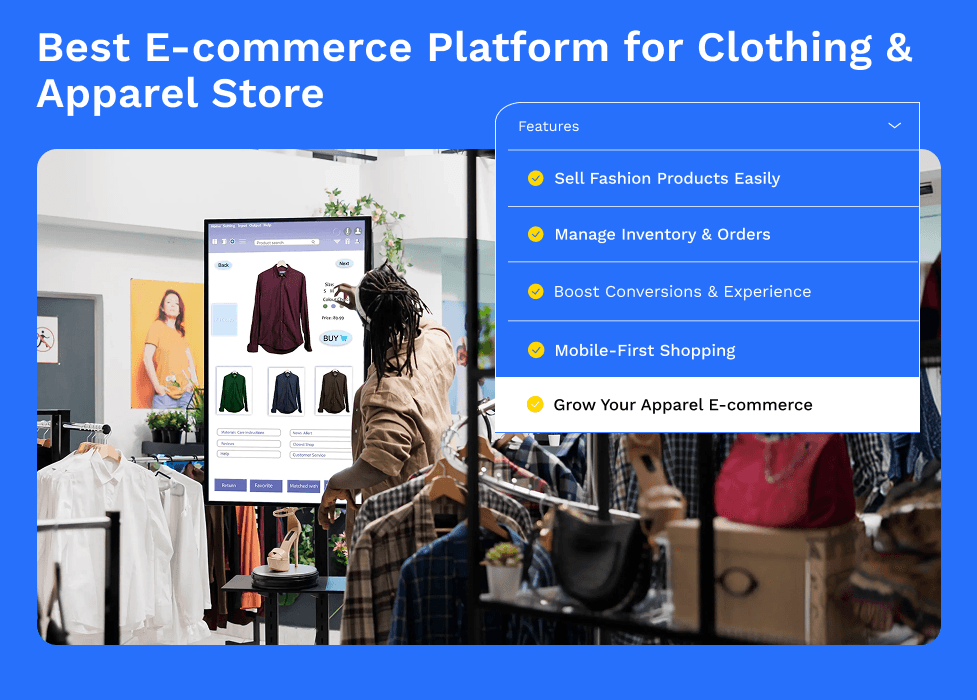
Ecommerce platform for digital products and fashion brands. Best all-rounder, great for new and growing businesses. Build your online shopping site for fashion & lifestyle in India, manage products easily, and improve customer experience while scaling your apparel ecommerce store.
Choosing the right ecommerce platform for digital products and physical goods is a key decision for any fashion brand today. Whether you are starting fresh or scaling an existing store, the platform you choose directly impacts visibility, customer experience, and sales growth.
In a competitive apparel ecommerce market, it is no longer enough to just list products. Brands need a smooth, mobile-first experience, strong product presentation, and the ability to connect with customers across channels. From managing inventory to enabling local discovery, the right clothing ecommerce platform helps turn browsing into real conversions.
As customer expectations evolve in 2026, fashion brands must rely on platforms that support both growth and flexibility. This guide will help you understand what to look for and how to choose the best ecommerce platform for clothing based on your business needs.
Why Your Clothing Store Needs the Right Ecommerce Platform
Choosing the wrong ecommerce platform for clothing isn't just frustrating. It costs you sales every single day.
Your platform handles inventory when you add new seasonal collections. It processes payments when customers checkout. It displays products when shoppers browse. When any of these break or slow down, customers leave. They don't wait. They don't give second chances. They buy from whoever makes shopping easiest.
1. Fashion moves fast, platforms must keep up
A dress that's trending today needs to be live on your site within hours, not days. According to research from McKinsey on fashion retail, 75% of online shoppers abandon purchases due to complicated checkout processes or slow site performance. Your clothing ecommerce platform determines whether you capture those sales or lose them to competitors.
2. Inventory complexity demands smart systems
Clothing stores manage sizes, colors, seasonal stock, and constant turnover. A platform built for general ecommerce struggles with fashion-specific needs like variant management, size charts, and quick restocking notifications. The best ecommerce platform for clothing handles these naturally without requiring workarounds or expensive customizations.
3. Mobile shopping dominates fashion purchases
Over 70% of apparel shopping happens on mobile devices. If your platform delivers a clunky mobile experience with hard-to-tap buttons, slow image loading, or confusing navigation, you're essentially closed for business to most potential customers.
4. Returns and exchanges define customer trust in fashion
Shoppers expect easy returns when sizes don't fit or colors don't match expectations. Platforms that complicate return processes or lack built-in exchange workflows create friction that prevents repeat purchases. One difficult return experience loses customers forever.
The right fashion ecommerce platform doesn't just host your products. It becomes your sales engine, handling the technical complexity while you focus on design, sourcing, and customer relationships. The wrong one becomes a constant obstacle between you and revenue growth.
Key Features Required for Fashion Ecommerce Platforms in 2026
To choose the right fashion ecommerce platform, you need more than basic product listing features. Today’s shoppers expect rich visuals, smooth navigation, and personalized experiences. The best fashion ecommerce software combines design, performance, and intelligence to drive conversions and reduce returns.
Here are the must-have features:
1. High-Quality Visual Experience
Fashion is visual. Zoomable images, multiple angles, and short videos help customers understand products better and increase confidence before buying.
2. Mobile-First & Fast Performance
Most users browse on mobile. A strong clothing ecommerce platform must load fast, be easy to navigate, and offer a seamless checkout experience.
3. Advanced Product Variants
Apparel ecommerce depends on size, color, and fit. Your platform should support unlimited variants without making navigation complex.
4. Size Guides & Fit Recommendations
Clear size charts and AI-based fit suggestions reduce return rates and improve customer satisfaction.
5. AI Personalization & Recommendations
Smart suggestions like “complete the look” or style-based recommendations increase average order value and engagement.
6. Advanced Search & Filtering
Filters by size, color, price, and style help users quickly find what they want, improving user experience and conversions.
7. Omnichannel & Inventory Sync
Real-time inventory across online, social, and physical stores ensures customers always see accurate availability.
8. Social Commerce Integration
Integration with Instagram and other platforms helps turn discovery into direct purchases.
9. Fast, Flexible Checkout
Guest checkout, multiple payment options, and quick processing reduce drop-offs.
10. SEO & Marketing Tools
Built-in SEO features help your apparel ecommerce store rank better, while marketing tools support ongoing growth.
As fashion ecommerce evolves, platforms that combine visual experience, AI, and seamless operations will define the best ecommerce platform for clothing in 2026.
Watch the video to see how a complete ecommerce platform helps manage products, content, and customer experience in one place.
Factors to Consider When Choosing the Best Ecommerce Platform for Apparel
When choosing the best ecommerce platform for apparel, consider these factors:

1. Support
Assess the level of technical assistance.
2. Security
Ensure data protection measures are in place.
3. SEO
Opt for platforms with SEO-friendly features.
4. Responsive Design
Ensure it works well on different devices.
5. Integration
Consider available plugins and integrations.
6. Traffic Handling
Evaluate its performance under high traffic.
7. Mobile-Friendly
Ensure mobile shopping is seamless.
8. Inventory Management
Check its product tracking capabilities.
9. Multi-Channel Sales
Look for support across various selling channels.
10. Payment Options
Check if it supports preferred payment methods.
Considering these factors will help you choose the right ecommerce platform for clothing stores in 2025.
Enhance your understanding with this informative video on Revolutionize Your E-commerce: Exploring Commerce Digital Solutions
Top Ecommerce Platforms for Apparel & Clothing Stores in 2026
1. Sekel Tech
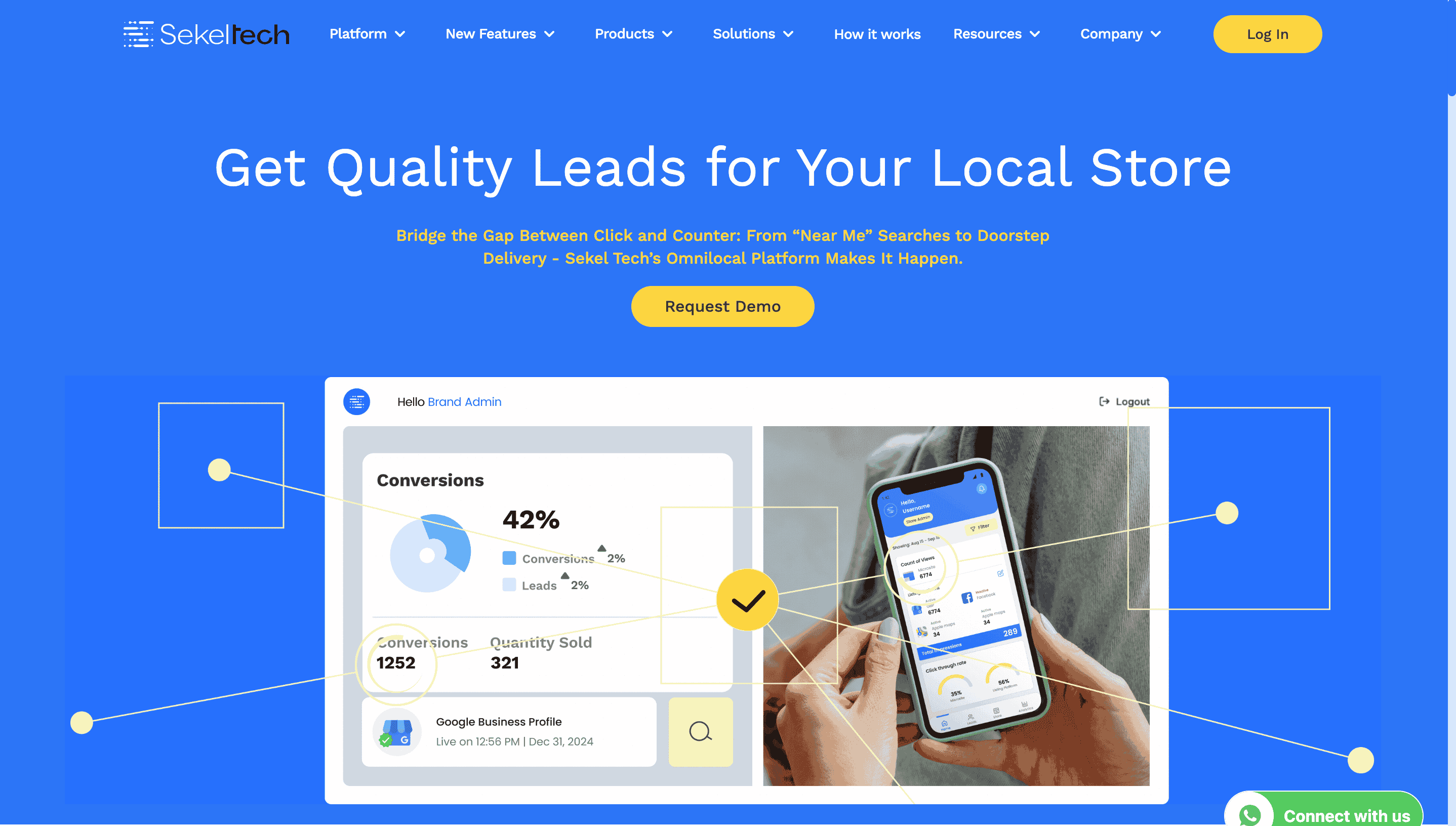
is a unified hyperlocal commerce platform designed to help fashion and retail brands go beyond just selling online. It connects local discovery, product visibility, and real customer conversions across every store location. Instead of relying only on a traditional ecommerce setup, Sekel Tech enables brands to manage listings, optimize local search presence, drive footfall, and track leads from online to offline. With built-in AI-driven insights, inventory visibility, and seamless customer engagement tools, it helps businesses scale efficiently while improving both digital and in-store performance.
2. Best Ecommerce Platform for Apparel - Shopify
Shopify is a versatile and user-friendly ecommerce platform that suits clothing stores, regardless of their scale. It boasts various customizable themes and tools that simplify the process of creating and managing online stores. With comprehensive features like inventory management and SEO optimization, it serves as an ideal solution for clothing stores aiming for success in the online market.
3. Best Ecommerce Platform for Apparel - WooCommerce (for WordPress)
WooCommerce is a WordPress plugin that seamlessly transforms websites into fully functional ecommerce stores. It offers extensive customization options and an array of plugins and themes that empower clothing stores to tailor their online presence according to their unique needs.
4. Ecommerce Platform for Clothing - BigCommerce
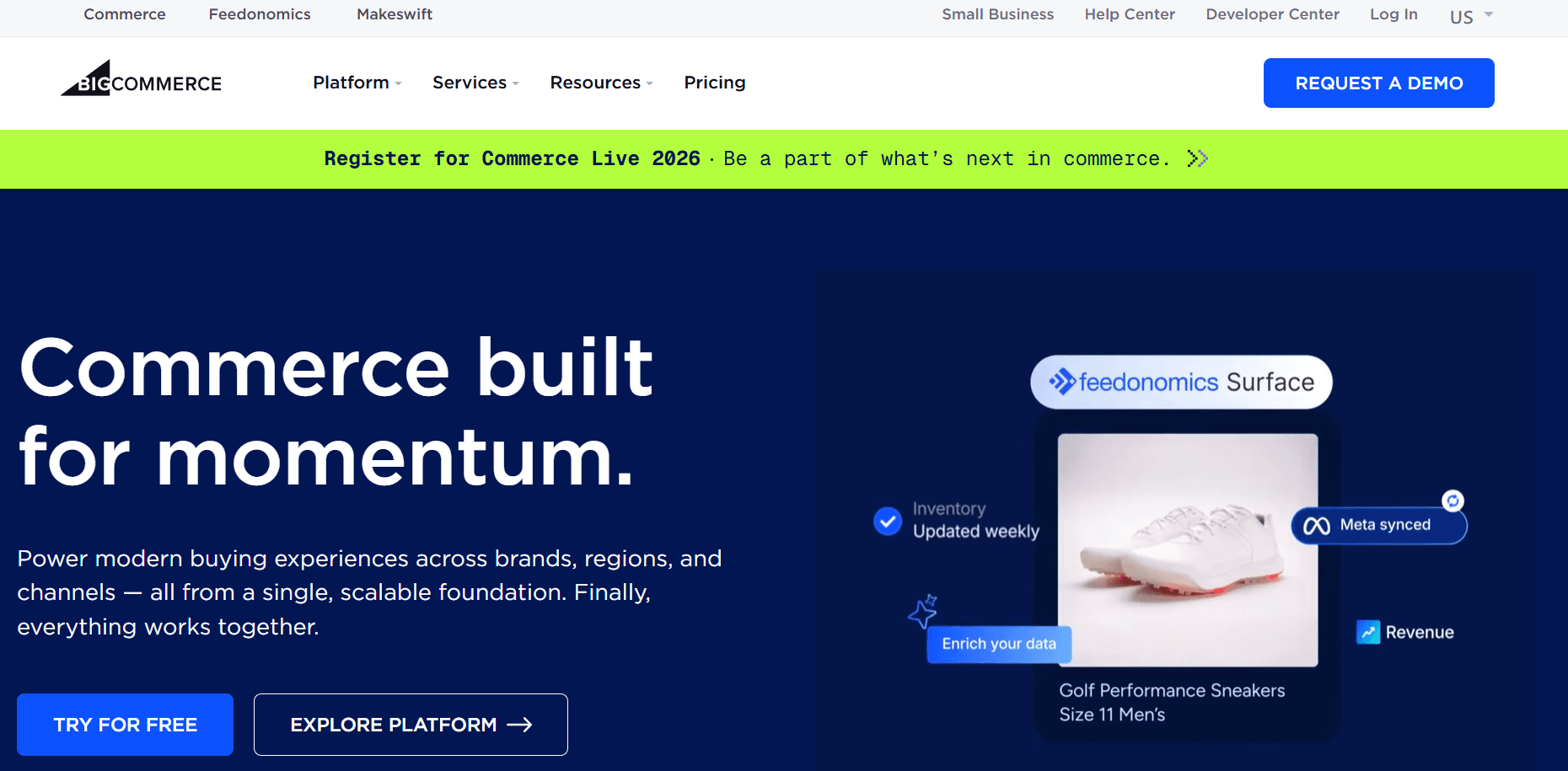
BigCommerce is a scalable platform equipped with an extensive range of built-in features. It caters to the evolving needs of growing clothing stores by offering customization options, robust SEO tools, and multi-channel selling capabilities.
5. Ecommerce Platform for Clothing - Magento

As an open-source platform, Magento is renowned for its flexibility and scalability. It suits larger clothing stores with intricate requirements and a strong preference for complete customization.
6. Ecommerce Platform for Clothing - Wix
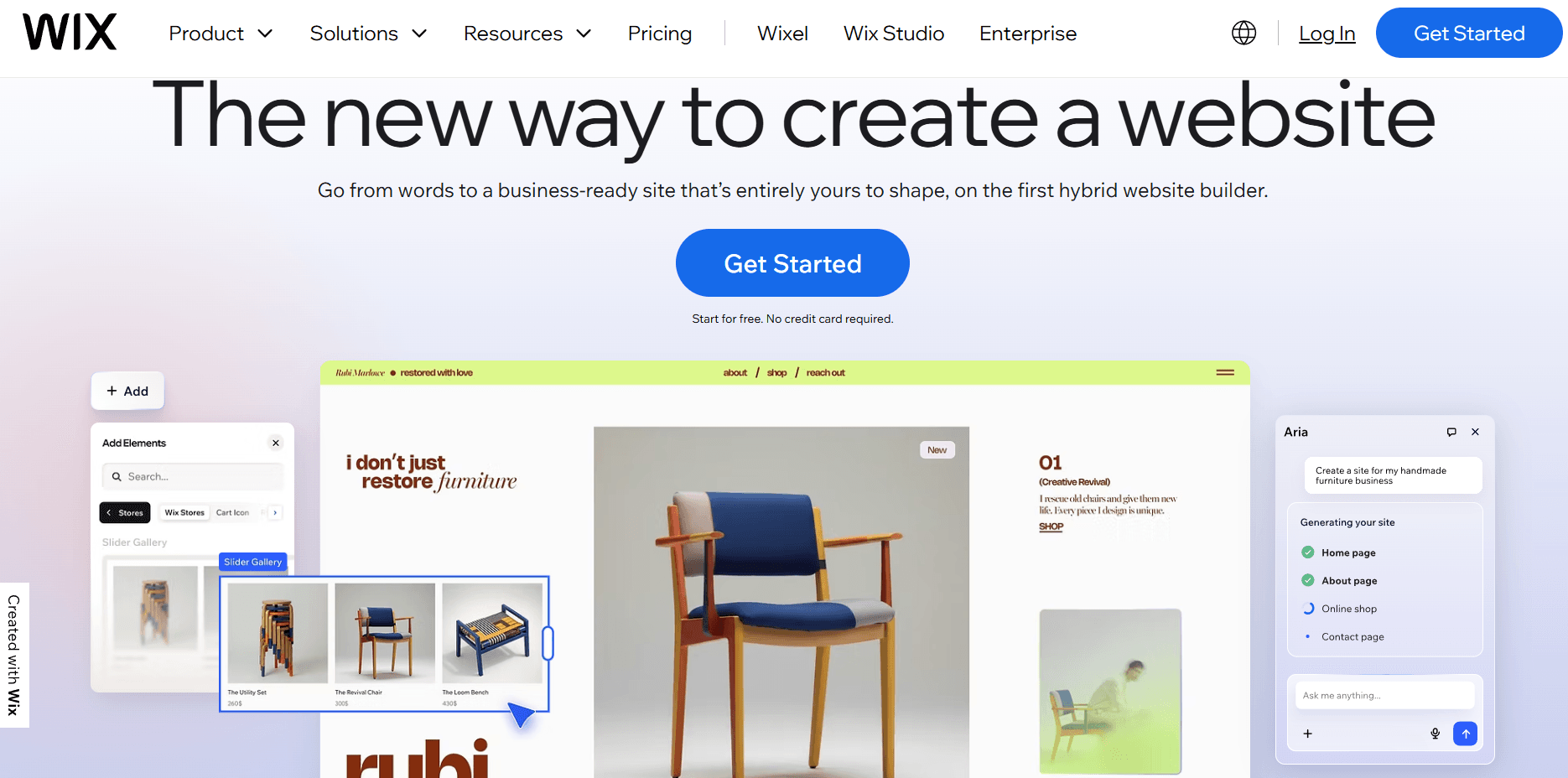
Wix presents a user-friendly website builder with integrated ecommerce capabilities. It's an excellent choice for smaller clothing stores seeking an easily manageable online presence through a simple drag-and-drop interface.
7. Ecommerce Platform for Digital Products - Squarespace
Squarespace is esteemed for its elegant and responsive designs, making it an attractive option for clothing stores that prioritise aesthetics and a seamless shopping experience.
8. Ecommerce Platform for Digital Products - Volusion

Volusion offers an all-in-one ecommerce solution that includes inventory management and SEO tools. It's a comprehensive choice for businesses seeking a unified platform.
9. Ecommerce Platform for Digital Products - 3dcart
3dcart is a robust platform that places a strong emphasis on SEO optimization. It's well-suited for clothing stores aiming to enhance their online visibility and expand their reach.
10. Ecommerce Platform for Digital Products - PrestaShop

PrestaShop, being an open-source platform, provides a high degree of customization. It's the perfect fit for businesses looking for full control over their online store's design and functionality.
These platforms offer unique strengths and features, making them suitable for a variety of business needs. When selecting the right one for your clothing store, consider factors such as your budget, business size, customization requirements, and the desired user experience to make an informed decision for your 2025 online venture.
How to Choose the Right Ecommerce Platform for Your Clothing Store
Choosing the right best ecommerce platform for clothing is not about picking the most popular name. It’s about finding the right fit for how your business sells, grows, and connects with customers.
Start by understanding your business needs. Are you launching a small brand or scaling a large apparel ecommerce business? Different platforms work better depending on your product range, order volume, and growth plans.
Next, focus on ease of use. A good clothing ecommerce platform should be simple to manage, even without technical expertise. You should be able to upload products, manage orders, and update content without depending heavily on developers.
Scalability is equally important. As your brand grows, your platform should handle more products, traffic, and transactions without slowing down or increasing costs drastically.
Pay attention to features that impact customer experience. Mobile performance, smooth checkout, product variant handling (size, color), and fast loading speed directly affect conversions and sales.
Also, evaluate integrations and flexibility. Your platform should connect easily with payment gateways, marketing tools, and inventory systems to support long-term growth.
Finally, consider the total cost, not just the monthly price. Hidden costs like apps, maintenance, and transaction fees can affect profitability over time.
In simple terms, the best ecommerce platform for fashion is the one that matches your current needs while supporting future growth. Choose based on fit, not just features.
Comparison Table
| Feature | Sekel Tech | Shopify | WooCommerce | BigCommerce | Magento | Wix | Squarespace | Volusion | 3dcart | PrestaShop |
| User-Friendly Interface | ✓ | ✓ | ✓ | ✓ | ✓ | ✓ | ✓ | ✓ | ✓ | ✓ |
| Customizable Themes | ✓ | ✓ | ✓ | ✓ | ✓ | ✓ | ✓ | ✓ | ✓ | ✓ |
| Payment Gateway Options | ✓ | ✓ | ✓ | ✓ | ✓ | ✓ | ✓ | ✓ | ✓ | ✓ |
| Shipping Configuration | ✓ | ✓ | ✓ | ✓ | ✓ | ✓ | ✓ | ✓ | ✓ | ✓ |
| SEO Optimization | ✓ | ✓ | ✓ | ✓ | ✓ | ✓ | ✓ | ✓ | ✓ | ✓ |
| Mobile Responsiveness | ✓ | ✓ | ✓ | ✓ | ✓ | ✓ | ✓ | ✓ | ✓ | ✓ |
| Inventory Management | ✓ | ✓ | ✓ | ✓ | ✓ | ✓ | ✓ | ✓ | ✓ | ✓ |
| Multi-Channel Selling | ✓ | ✓ | ✓ | ✓ | ✓ | ✓ | ✓ | ✓ | ✓ | ✓ |
| Scalability | ✓ | ✓ | ✓ | ✓ | ✓ | ✓ | ✓ | ✓ | ✓ | ✓ |
| Open-Source Option | X | X | ✓ | X | ✓ | X | X | X | X | ✓ |
| AI/ML Integration | ✓ | X | X | X | X | X | X | X | X | X |
This comparison table highlights the features of different ecommerce platforms, helping you make an informed choice for your clothing store in 2026. Keep in mind that each ecommerce platform for digital products has its unique strengths and suitability for specific business needs
Key Trends Shaping Fashion Ecommerce 2026
Fashion ecommerce in 2026 is no longer just about selling online. It is about creating smarter, faster, and more personalized shopping experiences. For any fashion ecommerce platform, staying aligned with these trends is critical to remain competitive and relevant.
1. AI Shopping & Personalization
Customers now expect tailored experiences. From AI stylists to “complete the look” suggestions, personalization is shaping how users discover and buy on any apparel ecommerce platform.
2. Virtual Try-On & AR
Trying on clothes virtually is becoming standard. It helps customers make better decisions and significantly reduces return rates, especially in size-related purchases.
3. Social Commerce Growth
Platforms like Instagram and TikTok are driving product discovery. A strong clothing ecommerce platform must support seamless social integration and shoppable content.
4. Omnichannel Experience
Customers move between online and offline channels. Features like store pickup, real-time inventory, and unified shopping journeys are now expected.
5. Sustainability & Transparency
Buyers are more conscious than ever. Clear product information, sourcing details, and eco-friendly positioning influence purchase decisions.
6. Smarter Pricing & Value Focus
Customers look for value, not just low prices. Brands that balance quality, pricing, and experience perform better.
7. Advanced Returns Management
Easy returns with smarter systems like fit prediction and return tracking help maintain customer trust while controlling costs.
8. AI in Content & Operations
From product descriptions to demand forecasting, AI is helping brands move faster and operate more efficiently.
In short, the best ecommerce platform for clothing in 2026 is one that combines AI, seamless experience, and strong operational support to meet changing customer expectations.
Watch the video to learn how modern fashion brands improve visibility and drive more traffic using the right platform.
Deepen your understanding of "The Rise of E-Commerce in India's Fashion Industry: An Evolving Market" through this extensive article featured in the Times of India. This informative piece offers invaluable insights to assist you in navigating the dynamic realm of E-Commerce.
Frequently Asked Questions (FAQs)
1. Which ecommerce platform is best for clothing stores in India?
The best ecommerce platform for clothing depends on your goals. If you want a simple setup, go for easy-to-use tools. For scaling apparel ecommerce with local discovery, inventory, and marketing, choose a platform that supports both online sales and real customer engagement.
2. How do I choose an ecommerce platform for my apparel brand?
Start by defining your needs. Look for a clothing ecommerce platform that offers mobile optimization, product variants, easy management, and scalability. The right choice should support your growth, customer experience, and long-term apparel ecommerce strategy.
3. What features should a fashion ecommerce platform have?
A good fashion ecommerce platform should include high-quality visuals, size guides, fast checkout, mobile-first design, and SEO tools. Advanced features like AI recommendations and inventory sync make your fashion ecommerce software more effective.
4. How do I start an online clothing store from scratch?
Begin with product selection and branding. Then choose the best ecommerce platform for clothing, set up your store, add products, and optimize for search. Focus on user experience, mobile performance, and marketing to grow your apparel ecommerce business.
5. Which platform is best for a boutique or small fashion brand?
Small brands should choose a clothing ecommerce platform that is easy to use, affordable, and scalable. Look for tools that support product display, local discovery, and marketing, helping your boutique grow without complex setup.
Conclusion
Choosing the right ecommerce platform is the foundation of long-term success in fashion retail. The best ecommerce platform for clothing is not just about selling products, it is about creating seamless experiences, improving visibility, and driving consistent growth. As apparel ecommerce continues to evolve in 2026, brands that invest in the right tools, focus on customer experience, and adapt to trends like AI and omnichannel selling will stand out. A strong clothing ecommerce platform helps you scale efficiently, connect with the right audience, and turn every interaction into a meaningful sale.
Share


Similar Blogs
Loved this content?
Sign up for our newsletter and get the latest tips & updates directly in your inbox.
There’s more where that came from!
 Connect with us