
Omni Channel
Boost Your Sales: Top 15 Omni Channel Commerce Platforms
Fri, 30 Aug 2024 10:10:59 GMT
Speak to our Hyperlocal Expert
Editor’s Note: This post was originally published in Aug 2024 and was updated in Apr 2026 for accuracy and comprehensiveness.
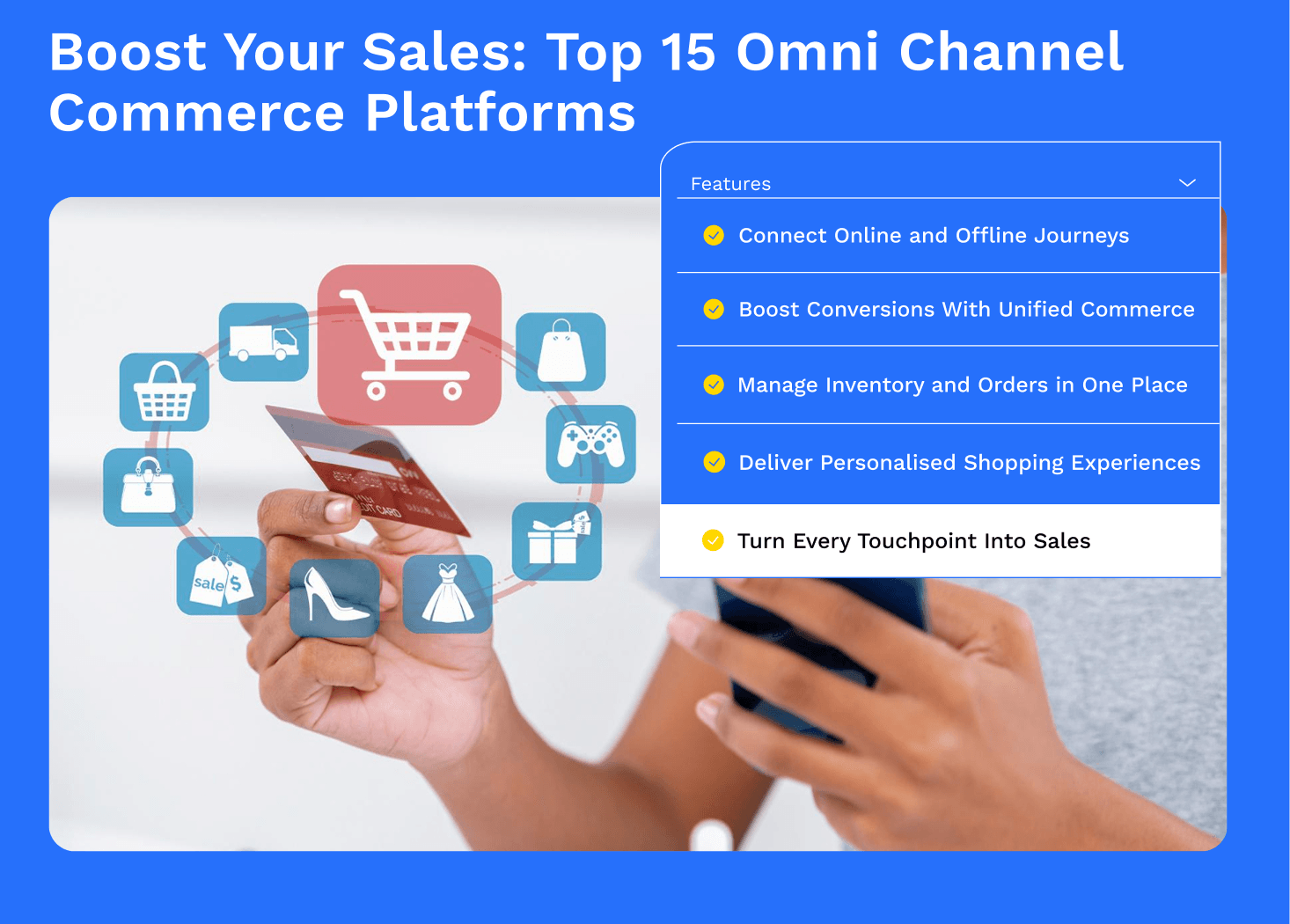
Omni-channel commerce refers to a seamless and integrated approach to retail, where businesses provide a unified shopping experience across multiple channels—physical stores, online platforms, and mobile apps. It enhances customer engagement and customer satisfaction.
In today’s digital landscape, omni channel commerce has become a crucial strategy for businesses aiming to thrive in a competitive market. This approach integrates various sales and marketing channels into a cohesive customer experience, allowing businesses to engage customers seamlessly across platforms.
Omni channel commerce involves more than just having a presence on multiple channels; it’s about creating a unified and consistent brand experience. The importance of this strategy lies in its ability to meet customers where they are, whether they’re shopping online from a desktop, browsing on a mobile device, or visiting a physical store.
Implementing an omni channel ecommerce strategy can significantly drive sales growth. By offering a seamless shopping experience and personalising interactions based on customer data, businesses can enhance customer satisfaction, boost conversion rates, and increase brand loyalty. An effective omni channel ecommerce platform enables these capabilities by providing the tools and integrations necessary for a smooth, unified approach to customer engagement.
What is Omni Channel Commerce?

Omni channel commerce is a retail and marketing approach designed to provide customers with a seamless and integrated shopping experience across all touchpoints and channels. This includes online platforms like websites and mobile apps, as well as offline channels such as physical stores and customer service centres. The goal of omni channel commerce is to ensure that every interaction with the brand is interconnected, allowing customers to move effortlessly between channels while maintaining a consistent brand experience.
Omni channel ecommerce focuses on unifying the customer journey by integrating inventory, data, and communications across various channels. This comprehensive approach ensures that customers have a smooth and personalised experience, regardless of how they choose to interact with the brand.
What's the Difference Between Omni-Channel and Multi-Channel Strategies?
While both omni-channel and multi-channel strategies use multiple platforms to reach customers, the key difference lies in how connected those channels are.
- Omni Channel Commerce
focuses on a fully integrated experience where all channels work together. For example, a customer can browse online, receive personalized emails, and complete the purchase in-store, with all data synced across touchpoints.
- Multi-Channel Strategy
uses multiple platforms like websites, social media, and stores, but they often operate separately. This can lead to inconsistent experiences, as customer data, inventory, and interactions are not connected.
It’s also useful to understand single-channel, where a business relies on just one platform, such as only a physical store or only an online website, limiting reach and flexibility.
Quick Comparison
Aspect | Omni-Channel | Multi-Channel | Single-Channel |
Approach | Fully integrated system | Multiple but separate channels | One platform only |
Customer Experience | Seamless and consistent | Varies across channels | Limited |
Data Sharing | Real-time, unified | Siloed data | No integration needed |
Inventory Visibility | Centralized | Separate per channel | Single source |
Flexibility | High | Moderate | Low |
By adopting omni-channel commerce, businesses can deliver a smoother and more personalized experience, improve customer satisfaction, and drive better long-term growth compared to fragmented or single-channel approaches.
What Are the Benefits of Omnichannel E-commerce?
Omnichannel ecommerce helps businesses deliver connected, consistent experiences across all touchpoints while improving operations and revenue outcomes.
1. Enhanced Customer Experience
- Seamless Integration: Customers move easily between online, mobile, and in-store channels without friction.
- Personalised Interactions: Unified data enables tailored recommendations and relevant communication.
- Impact: Businesses with strong omnichannel engagement see up to 89% higher customer retention rates.
2. Increased Sales and Customer Loyalty
- Higher Conversions: Consistent experiences and real-time inventory reduce drop-offs.
- Improved Retention: Personalization builds trust and encourages repeat purchases.
- Impact: Omnichannel customers tend to spend more per transaction compared to single-channel users.
3. Better Inventory Management
- Real-Time Visibility: Accurate inventory tracking prevents stockouts and overstocking.
- Efficient Fulfilment: Orders are fulfilled from the nearest or most efficient location.
- Impact: Real-time inventory systems can reduce fulfilment delays by 30–40%.
4. Increased Operational Efficiency
- Streamlined Operations: Integrated systems reduce manual work and errors.
- Centralised Data: A single view of operations improves decision-making.
- Impact: Businesses adopting unified systems report up to 20–30% improvement in operational efficiency.
5. Enhanced Marketing Effectiveness
- Consistent Branding: Unified messaging builds trust across all channels.
- Targeted Campaigns: Data-driven insights improve campaign accuracy and ROI.
- Impact: Personalized omnichannel campaigns can deliver higher engagement and conversion rates.
By leveraging omnichannel ecommerce, businesses create a connected ecosystem where customer experience, operations, and marketing work together, leading to stronger growth and long-term customer loyalty.
Discover how Sekel Tech helps businesses navigate the complexities of multiple sales channels, delivering a unified and efficient approach to omni channel commerce. Watch this video to see how Sekel Tech’s hyperlocal marketing solutions enhance sales and customer engagement across all platforms.
How Omnichannel Commerce Works
Omni channel commerce works by connecting every customer touchpoint into one unified system so data, inventory, and experiences stay consistent across channels. It’s less about adding more channels and more about making them work together in real time.
Here’s how it works in practice:
1. Customer Journey Flow
A customer might discover a product on social media, browse it on your website, check availability at a nearby store, and complete the purchase in-store or online. Every step is connected, so the experience feels seamless, not fragmented.
2. Backend System Integration
Behind the scenes, systems like CRM, inventory, billing, and order management are integrated. This ensures customer data, transactions, and product details are shared across all platforms without manual effort.
3. Real-Time Data Synchronization
Customer activity, preferences, and purchase history update instantly across systems. This allows businesses to offer accurate recommendations, consistent communication, and better decision-making.
4. Inventory Visibility Across Channels
Stock levels are updated in real time across stores, warehouses, and online platforms. Customers can see what’s available and choose how they want to buy, reducing missed sales and stock issues.
5. Channel Coordination & Fulfilment
All channels work together to support flexible buying options like home delivery, store pickup, or ship-from-store. Marketing, sales, and support teams stay aligned to deliver a consistent experience.
6. Continuous Optimization
Businesses track performance across channels, including conversions and customer behavior. This helps refine strategies, improve experiences, and adapt quickly to changing customer needs.
In simple terms, omni channel commerce creates one connected system where discovery, purchase, and fulfilment all work together, making the customer journey smoother and more efficient.
How to Choose the Right Omnichannel Commerce Platform
1. Integration Capabilities
Choose an omni channel ecommerce platform that integrates seamlessly with ERP, CRM, POS, and marketing tools, enhancing your omni channel commerce strategy by ensuring all systems work together efficiently and improve overall operations.
2. Scalability and Flexibility
Select an omni channel ecommerce platform that scales with your business growth and adapts to changing needs, supporting increased traffic and customizations. Scalability is essential in maintaining a robust omni channel commerce approach.
3. Customer Experience Features
Opt for an omni channel ecommerce platform that enhances customer experience with features like personalised recommendations and unified customer profiles. These capabilities elevate your omni channel ecommerce efforts, driving engagement and satisfaction.
4. Real-Time Analytics and Reporting
An effective omni channel ecommerce platform should offer real time conversion analytics and detailed reporting to optimise your performance and understand customer behaviour, making your omni channel commerce strategy data-driven and more impactful.
5. Inventory Management
Choose an omni channel ecommerce platform that provides comprehensive inventory management, synchronising stock levels across all channels. Efficient inventory management is vital in omni channel commerce to meet customer expectations and reduce stockouts.
The right omnichannel commerce platform is one that connects your systems, simplifies operations, and helps you deliver consistent, personalized experiences across every channel.
Hyperlocal marketing has become a game-changer for physical stores looking to increase retail sales. This video explores how Sekel Tech’s hyperlocal marketing strategies can help your store stand out and drive more foot traffic. Discover if hyperlocal marketing is the key to your sales success.
Best 15 Omnichannel Commerce Platforms in 2026: Compared & Ranked
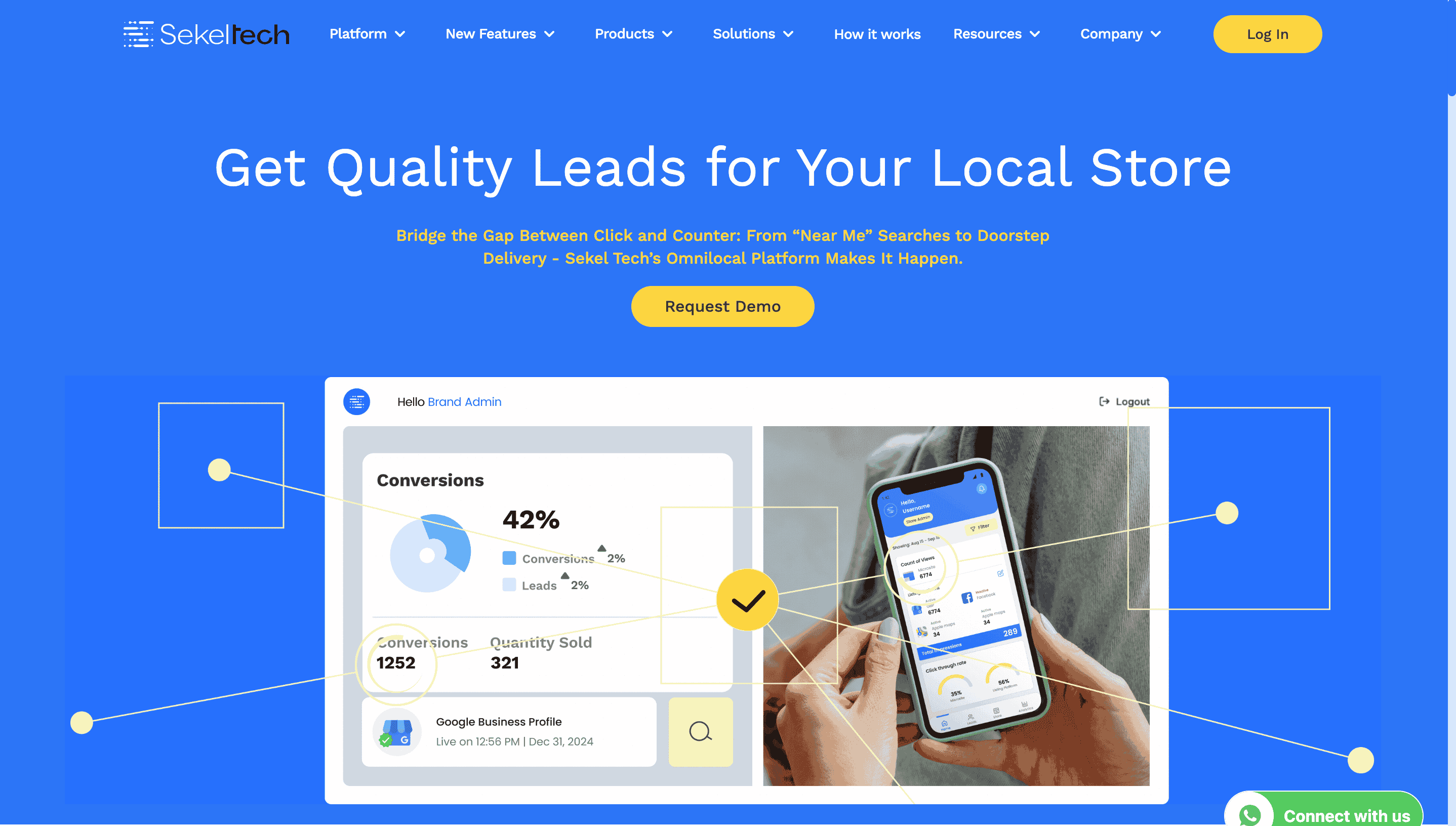
1. Sekel Tech
Best For: Multi-location retail brands
Key Feature: Hyperlocal discovery + O2C + geo task management
Use Case: Retail chains managing local inventory, leads, and store-level execution across multiple locations
Sekel Tech brings everything into one system from discovery to transaction and execution. It helps brands connect online search with real store visits, manage inventory locally, and ensure on-ground delivery through geo-managed operations, making it a complete omnichannel commerce solution.
2. Shopify Plus
Best For: High-growth D2C brands
Key Feature: Scalable multi-store management
Use Case: Fast-growing brands managing global online and offline stores from one dashboard
Shopify Plus is built for scale. It allows brands to manage multiple storefronts, integrate sales channels, and deliver a smooth customer experience without heavy technical complexity, making it a go-to omnichannel ecommerce platform.

3. Magento Commerce
Best For: Enterprises needing customization
Key Feature: Open-source flexibility
Use Case: Businesses requiring fully customized commerce experiences and integrations
Magento Commerce is ideal for businesses that want full control. Its flexibility allows brands to build highly tailored omnichannel commerce systems that match complex workflows and unique customer journeys.
4. BigCommerce
Best For: SMBs and growing brands
Key Feature: Built-in multi-channel integrations
Use Case: Businesses selling across marketplaces, social media, and websites
BigCommerce simplifies multi-channel selling with built-in integrations and strong backend capabilities. It helps brands expand across platforms while maintaining consistent product data and inventory.

5. Salesforce Commerce Cloud
Best For: Enterprise businesses
Key Feature: CRM-powered personalization
Use Case: Brands needing unified customer data and personalized experiences across channels
Salesforce Commerce Cloud stands out for its data-first approach. It connects customer insights with commerce operations, enabling personalized experiences and smarter decision-making across every touchpoint.
6. Oracle Commerce
Best For: Large enterprises
Key Feature: Advanced experience + commerce integration
Use Case: Businesses managing complex operations across multiple regions and channels
Oracle Commerce is designed for scale and complexity. It supports large businesses in managing global operations while maintaining consistent customer experiences across all channels.

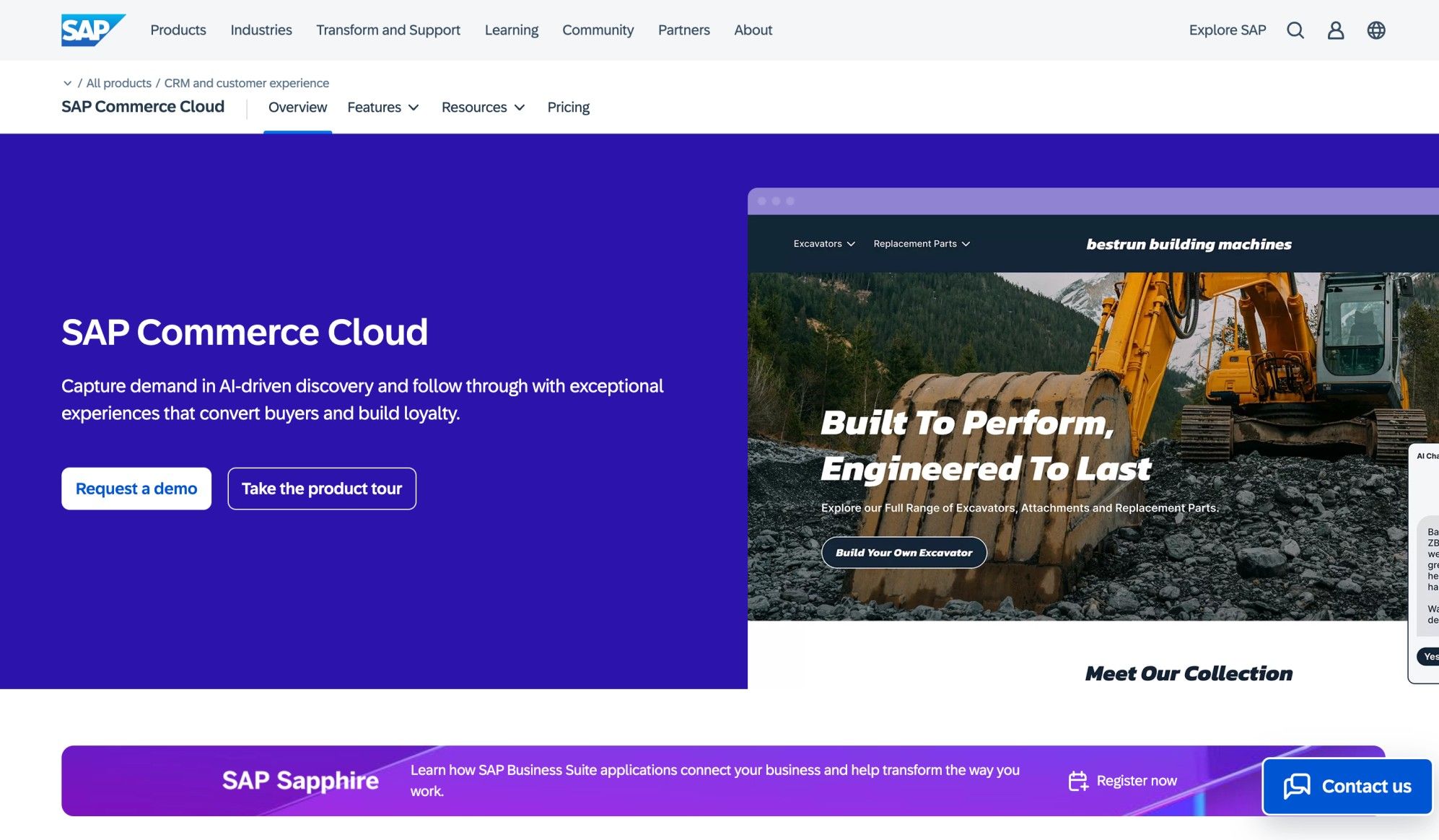
7. SAP Commerce Cloud
Best For: Global enterprises
Key Feature: End-to-end commerce management
Use Case: Companies managing global digital commerce across multiple touchpoints
SAP Commerce Cloud offers a complete ecosystem for managing digital commerce. It helps enterprises unify operations, customer data, and sales channels into one structured system.
8. WooCommerce
Best For: Small businesses and startups
Key Feature: WordPress integration
Use Case: Businesses building flexible ecommerce stores with content-driven strategies
WooCommerce is a practical choice for businesses already using WordPress. It combines content and commerce, allowing brands to build SEO-driven stores with strong customization options.

9. PrestaShop
Best For: SMB ecommerce businesses
Key Feature: Open-source customization
Use Case: Businesses needing flexible online stores with multi-channel capabilities
PrestaShop offers flexibility without heavy costs. It allows businesses to build and manage ecommerce stores while adapting features as they grow across channels.

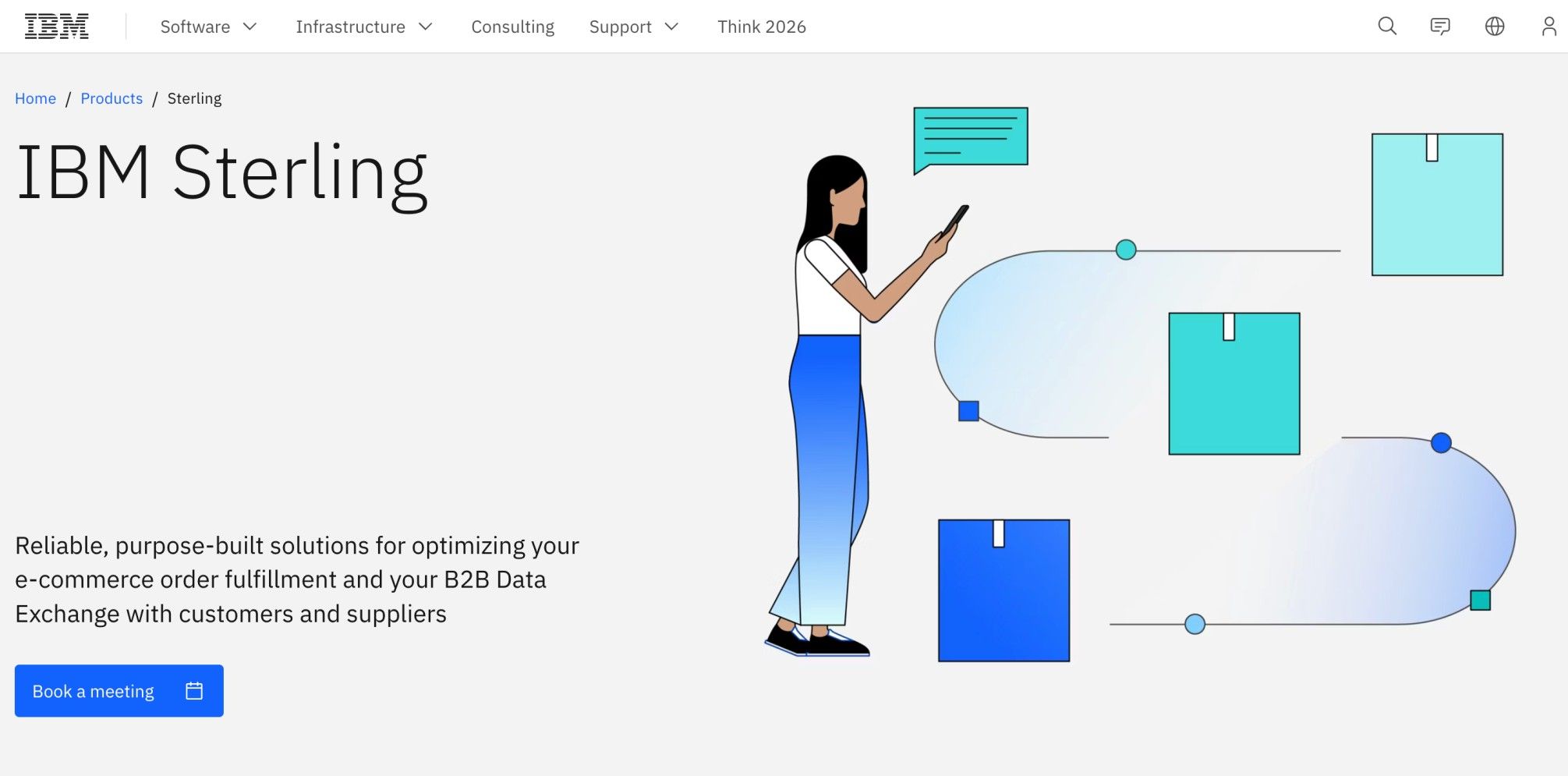
10. IBM Sterling Commerce
Best For: Large enterprises with complex supply chains
Key Feature: Advanced order management system
Use Case: Businesses handling high-volume orders and logistics across channels
IBM Sterling Commerce focuses on operational strength. It helps businesses streamline order management, optimize inventory, and improve fulfilment across complex supply chains.
11. OroCommerce
Best For: B2B businesses
Key Feature: Advanced B2B workflows
Use Case: Companies managing bulk orders, custom pricing, and multi-channel B2B sales
OroCommerce is built specifically for B2B needs. It supports complex pricing, bulk transactions, and customer segmentation, making it easier to manage large-scale business operations.

12. OpenCart
Best For: Small to mid-sized businesses
Key Feature: Multi-store management
Use Case: Businesses running multiple online stores from a single dashboard
OpenCart is simple and cost-effective. It allows businesses to manage multiple stores with minimal complexity, making it suitable for growing brands with limited resources.

13. Sylius
Best For: Developer-led businesses
Key Feature: Symfony-based customization
Use Case: Companies building highly customized ecommerce platforms
Sylius is designed for flexibility and control. Developers can build tailored omnichannel commerce systems that align perfectly with business needs and customer expectations.

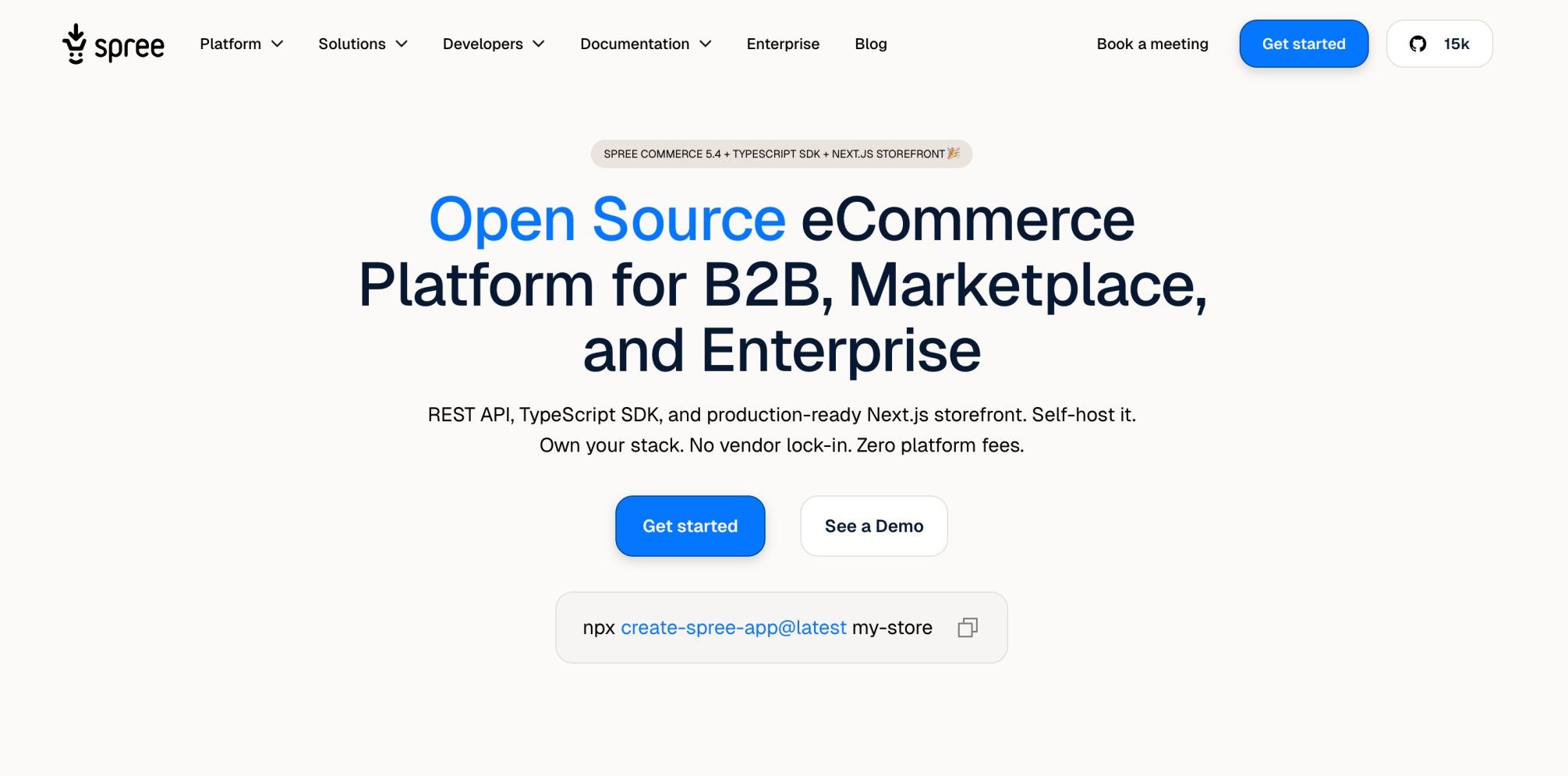
14. Spree Commerce
Best For: Growing brands needing flexibility
Key Feature: Modular architecture
Use Case: Businesses building tailored ecommerce systems with custom features
Spree Commerce offers a lightweight, modular approach. It allows businesses to add or modify features easily without rebuilding the entire system.
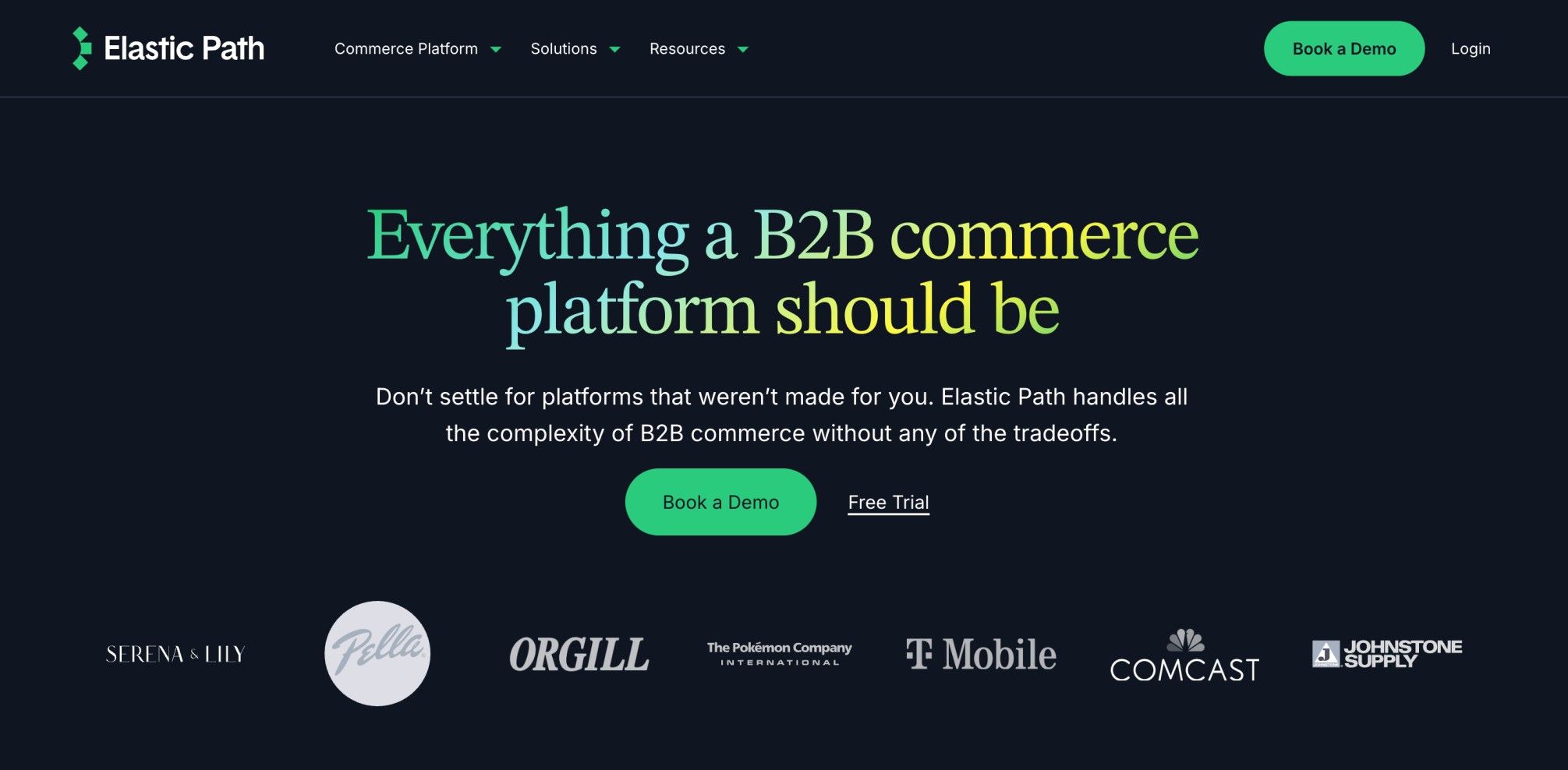
15. Elastic Path
Best For: Enterprises using headless commerce
Key Feature: API-first architecture
Use Case: Brands creating omnichannel experiences across web, mobile, and IoT
Elastic Path enables complete flexibility with its headless approach. It allows businesses to deliver consistent commerce experiences across any device or channel.
Challenges in Omni Channel Commerce and How to Solve Them
Omni channel commerce offers significant opportunities but also presents challenges that can impact business performance. Sekel Tech’s hyperlocal discovery & omni commerce platform helps retailers overcome these obstacles, optimising their omni channel strategies.
1. Integration of Systems and Data
- Challenge
Integrating various systems like CRM, ERP, and inventory management can result in data silos and inefficient operations.
- Solution
Sekel Tech’s platform unifies data across all systems, providing a centralised dashboard that enhances efficiency and ensures consistent, streamlined operations.
2. Maintaining Consistent Customer Experience
- Challenge
Delivering a seamless and personalised experience across channels can be complex, leading to inconsistent messaging and service.
- Solution
Sekel Tech uses AI-driven insights to sync data across touchpoints, ensuring personalised and consistent customer interactions across all channels.
3. Inventory Management and Fulfilment
- Challenge
Managing inventory across channels often leads to stock discrepancies, stockouts, or delayed fulfilment.
- Solution
Sekel Tech offers real-time inventory visibility, ensuring accurate stock levels and efficient order fulfilment from the nearest location, enhancing customer satisfaction.
4. Data Privacy and Security
- Challenge
Handling customer data across multiple channels raises concerns about security and compliance with regulations like GDPR.
- Solution
Sekel Tech ensures data security with advanced encryption and compliance with global data protection standards, safeguarding customer information.
5. High Implementation Costs
- Challenge
Setting up and maintaining an omni channel strategy can be costly, particularly for smaller businesses.
- Solution
Sekel Tech provides a scalable, all-in-one solution that reduces costs by eliminating the need for multiple vendors while offering comprehensive tools for omni channel success.
6. Complex Customer Journey Mapping
- Challenge
Accurately mapping the customer journey across various channels requires advanced analytics.
- Solution
Sekel Tech’s platform offers powerful analytics and AI-driven insights, helping businesses understand and optimise the customer journey for better engagement and conversions.
7. Measuring Channel Performance and ROI
- Challenge
Tracking the effectiveness of each channel and accurately measuring ROI is challenging.
- Solution
Sekel Tech provides detailed analytics, allowing businesses to assess channel performance, optimise strategies, and allocate resources effectively for maximum ROI.
8. Keeping Up with Technology Advances
- Challenge
Rapid technological changes require continuous updates to systems and processes.
- Solution
Sekel Tech’s platform evolves with technological advancements, offering regular updates to keep businesses competitive with the latest tools and features.
Learn how Sekel Tech’s hyperlocal solution integrates online and offline retail to tackle broad challenges. Watch here!
Omnichannel Commerce Trends in 2026
Trend | What It Means | Business Impact |
| Conversational Commerce | AI chat and voice assistants enable customers to search, ask, and buy through conversations | Faster decisions, higher engagement, better conversions |
| Shift to Unified Commerce | Brands move from basic omnichannel to fully integrated systems | Better data accuracy, stronger customer experience, competitive advantage |
| Social Commerce Growth | Platforms like Instagram and YouTube become full shopping channels | More sales opportunities and direct customer engagement |
| Composable Commerce | Modular systems allow easy integration and upgrades | Greater flexibility, faster innovation, easier scaling |
| AI-Driven Personalization | AI delivers tailored recommendations and campaigns across channels | Improved customer experience and higher conversion rates |
| Real-Time Data & Inventory Sync | Inventory and customer data update instantly across systems | Fewer stock issues, faster fulfilment, better operational efficiency |
These trends show that omni channel commerce is evolving into a more connected, data-driven system that helps businesses deliver seamless and personalized experiences across every touchpoint.
Check out valuable insights about Omnichannel Marketing with this enlightening article from the Times of India, offering a wealth of information to expand your understanding.
Frequently Asked Questions (FAQs)
1. How to create an omni channel?
Ans. To build an omni channel strategy, connect your online, in-store, and mobile channels, ensuring consistent branding and messaging. Use data and technology to coordinate customer interactions across all platforms and deliver a unified experience.
2. How does an omnichannel sales platform differ from a regular ecommerce platform?
An omnichannel sales platform synchronizes inventory, customer data, and orders across all channels in real-time, including online, in-store, and mobile. Regular ecommerce platforms only manage online sales. Omnichannel enables customers to browse online, buy in-store, or return anywhere seamlessly.
3. What should omnichannel commerce software include at minimum?
Essential features include real-time inventory sync across channels, unified customer profiles, order management from any location, integrated POS systems, centralized analytics dashboard, and seamless integration with CRM and ERP systems. These ensure consistent experiences whether customers shop online or in-store.
4. How do I evaluate an omni channel commerce solution for my retail brand?
Assess integration with your existing systems like POS and CRM, real-time inventory visibility, scalability for growth, ease of use for your team, customer support quality, pricing structure, and proven retail success stories. Request demos and evaluate how each omni channel commerce solution handles your specific workflows.
5. How is an omni channel ecommerce platform different from a multichannel one?
Omni channel ecommerce platforms integrate all channels into one unified system where data flows seamlessly. Multichannel platforms operate channels independently with separate inventories and customer data. Omnichannel offers consistent pricing, synchronized stock, and unified customer profiles across all touchpoints.
Conclusion
In today's competitive landscape, adopting the right omni channel commerce platform is essential for businesses aiming to increase footfall and enhance customer satisfaction. These top 15 platforms offer diverse features that cater to various business needs, streamlining operations and providing a seamless shopping experience across all channels. By leveraging an effective omni channel ecommerce approach, brands can optimise customer engagement, increase loyalty, and drive substantial growth in a rapidly evolving digital market.
Don’t miss the opportunity to transform your business partner with Sekel Tech today to elevate your brand, enhance customer loyalty, and boost your sales across all channels.
Read More:
1. Best All-in-One Platform for Hyperlocal Discovery & Omni-Commerce
2. Captivate Audience: Omni Channel Advertising Tips & Tools
3. What Is Omni Commerce? 10 Things You Need to Know in 2026
Share


Similar Blogs
Loved this content?
Sign up for our newsletter and get the latest tips & updates directly in your inbox.
There’s more where that came from!
 Connect with us