
Brick and Mortar Marketing
Crafting a Winning Brick and Mortar Marketing Strategy in 2026
Tue, 29 Aug 2023 07:03:42 GMT
Speak to our Hyperlocal Expert
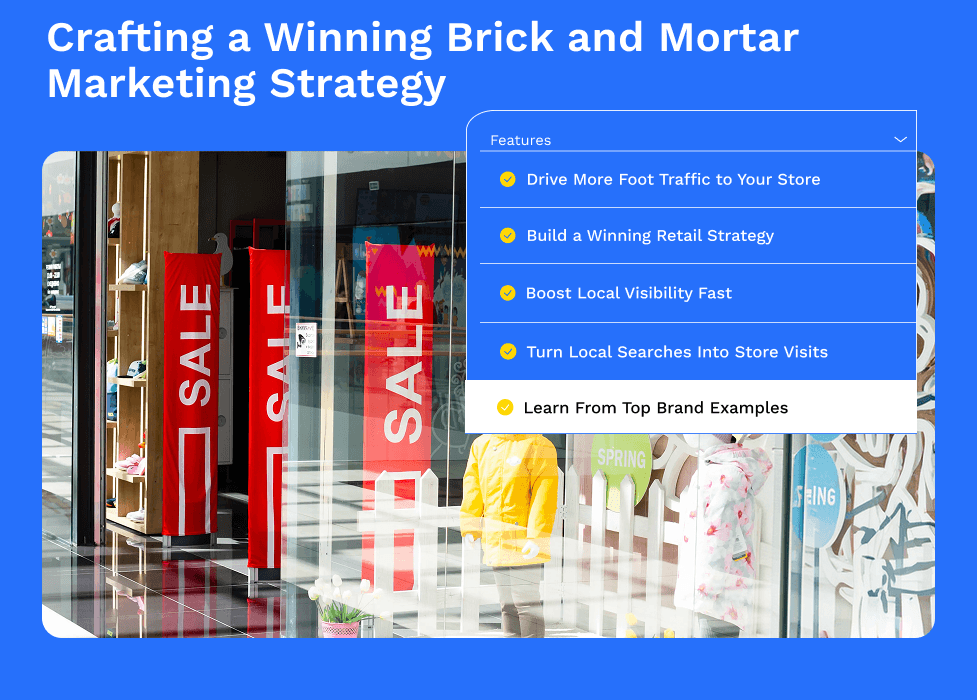
Editor’s Note: This post was originally published in August 2023 and was updated in Aug 2026 for accuracy and comprehensiveness.
Brick-and-mortar marketing is the process of promoting physical stores to increase local visibility, foot traffic, in-store engagement, and sales. A strong strategy combines local SEO, Google Business Profile optimisation, store locator pages, in-store promotions, loyalty campaigns, social media, events, and online-to-offline attribution.
Brick and mortar marketing refers to the strategic promotion and engagement tactics explicitly designed for physical retail locations, aiming to attract foot traffic, enhance customer experience, and drive sales through in-store interactions and activities.
In the dynamic landscape of retail, mastering a successful brick-and-mortar marketing strategy in 2026 is essential for businesses aiming to thrive amidst evolving consumer behaviours and market trends. This guide focuses on brick-and-mortar retail marketing for physical stores, not brick manufacturing or construction material marketing.
In this exploration, we delve into the diverse array of strategies and examples that underscore the vitality of brick-and-mortar store marketing in fostering meaningful connections between businesses and their local communities.
What is Brick and Mortar in Marketing?
Brick and Mortar in Marketing refers to the marketing strategies employed by businesses that operate from a physical store or retail location to drive foot traffic. These strategies encompass a blend of digital marketing, offline promotions, and out-of-home advertising, aimed at attracting customers to the storefront and enhancing in-person shopping experiences. By leveraging both online and traditional marketing channels, brick and mortar businesses can effectively engage with their local community and increase their visibility in a competitive marketplace.
Watch this video for a better understanding of to Brick and Mortar in Marketing and discover how to enhance your retail presence! This video provides valuable insights into effective brick and mortar marketing strategies that can help your business thrive in today’s competitive landscape. Learn practical brick and mortar marketing examples and innovative tactics to boost foot traffic, improve customer engagement, and strengthen brand visibility. Whether you’re just starting or looking to refine your existing approach, this video is a must-watch for any retailer aiming to excel in brick and mortar in marketing.
What is Brick and Mortar Store Marketing?
Brick and mortar store marketing is an essential facet of business promotion that centres on the strategic utilisation of traditional physical retail spaces. In a world dominated by digital advancements, the significance of brick and mortar establishments remains steadfast as they provide tangible experiences, face-to-face interactions, and an opportunity for customers to engage directly with products.
This form of marketing involves a spectrum of innovative tactics and strategies that aim to not only attract foot traffic but also create memorable in-person encounters that resonate with customers on a personal level. From captivating window displays to interactive in-store events, brick and mortar store marketing seamlessly blends creativity and customer engagement to drive brand awareness, customer loyalty, and sustainable growth.
Features of Brick and Mortar Marketing
1. In-Store Experience
Focuses on creating a captivating in-store experience using visual merchandising, product displays, and interactive elements to entice customers and encourage purchases.
2. Location-Based Marketing
Utilises location-based marketing strategies to target specific local audiences and attract nearby customers to the store.
3. In-Store Promotions
Offers in-store promotions, discounts, and loyalty programs to incentivize purchases and build customer loyalty.
4. Customer Service
Emphasises providing excellent customer service to enhance customer satisfaction and encourage repeat visits.
5. Visual Merchandising
Utilises eye-catching displays and arrangements to showcase products, driving customer interest and impulse buying.
Brick-and-Mortar Marketing vs Online Marketing vs Bricks-and-Clicks
Understanding the differences between these three retail models helps businesses choose the right marketing focus for their goals:
Model | Meaning | Best For | Example | Marketing Focus |
| Brick-and-Mortar | Physical store only | Local community retailers | Independent fashion boutique | Foot traffic, in-store events, local SEO |
| Online Marketing | Digital channels only | D2C brands, e-commerce pure players | Online-only fashion brand | SEO, paid ads, email, social commerce |
| Bricks-and-Clicks | Physical store combined with online presence | Retail chains, franchise networks | Nike, Starbucks, major grocery chains | Omnichannel, click-and-collect, local inventory ads |
Most modern retailers benefit from a bricks-and-clicks approach, using digital marketing to drive discovery and physical stores to close the sale and build loyalty.
5 Ways to Attract Customers to Your Store with Brick and Mortar Marketing
Attracting customers to your store requires effective brick and mortar marketing ways. Here are five impactful ways to drive foot traffic:
1. Leverage Geo-Fencing
Utilize brick and mortar in marketing by setting up geo-fencing around your store. This technology allows you to send targeted promotions to potential customers as they enter the defined area, encouraging them to visit your location.
Read Also - Geofencing Advertising for Retailers: Strategies to Drive Sales
2. Create Engaging In-Store Events
Host exciting events or workshops to create buzz and draw in customers. These brick and mortar store marketing efforts provide a unique experience that encourages community participation and brand loyalty.

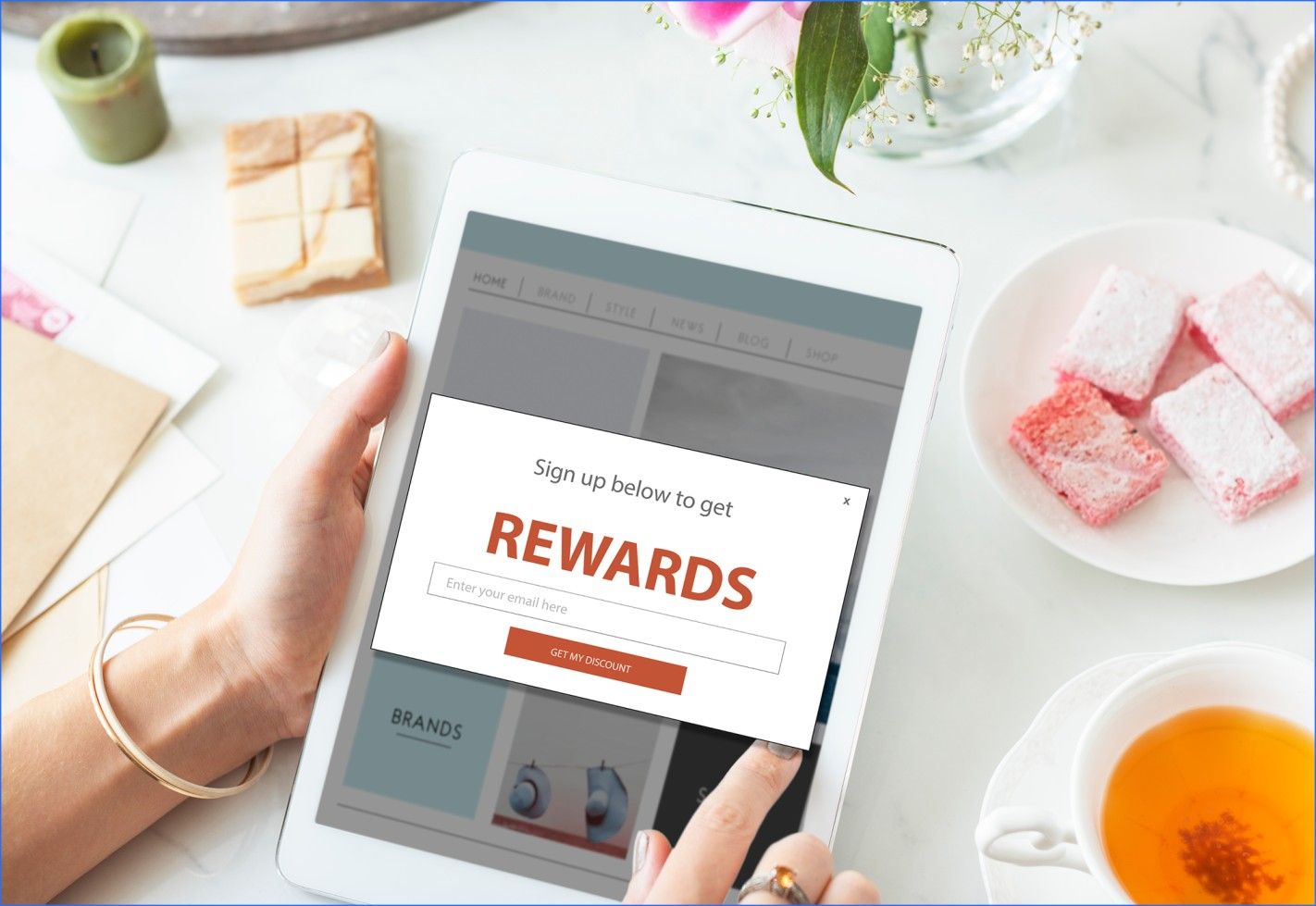
3.Implement a Loyalty Program
Develop a loyalty program that rewards frequent shoppers with exclusive discounts or points. This brick and mortar marketing campaign builds relationships and encourages repeat visits from satisfied customers.
4. Utilize Social Media Promotions
Promote your store on social media platforms, sharing exclusive offers and events to engage your audience. Effective brick and mortar marketing strategies can reach customers where they are, driving them to your physical location.

5. Optimize Click-and-Collect Services
Offer click-and-collect options that allow customers to shop online and pick up their items in-store. This approach not only drives traffic to your store but also increases the chances of additional purchases during their visit.

Brick and Mortar Marketing Strategies for Retailers
#1 Brick and Mortar Marketing Strategy - Location-Based Marketing
Utilise geotargeting and location-based advertising to reach potential customers in specific geographic areas, increasing local visibility and attracting nearby shoppers.
#2 Brick and Mortar Marketing Strategy - Valuable Personalised Content
Offer personalised content and promotions to customers based on their preferences and past purchase behaviour, creating a tailored and meaningful shopping experience.
#3 Brick and Mortar Marketing Strategy - Google My Business
Optimise your Google My Business listing with accurate store information, images, and customer reviews, enhancing online visibility and making it easier for customers to find your store.
#4 Brick and Mortar Marketing Strategy - Store Locator
Implement a user-friendly store locator on your website and mobile app, enabling customers to quickly find the nearest store location and get directions.
Get a clearer picture by watching this concise video.
#5 Brick and Mortar Marketing Strategy - Microsites
Create targeted microsites for special promotions, events, or product launches, providing focused and relevant information to a specific audience.

#6 Brick and Mortar Marketing Strategy - SEO Targeted Marketing
Utilise search engine optimization (SEO) techniques to enhance your website's visibility in local searches, driving organic traffic and attracting potential customers.
#7 Brick and Mortar Marketing Strategy - Hyperlocal Product Catalogue
A specialised feature that presents products based on the specific preferences and needs of local customers. This product catalogue enhances the shopping experience by displaying items relevant to the community, encouraging in-store visits and purchases.

#8 Brick and Mortar Marketing Strategy - Hyperlocal Ads Module
This module facilitates hyperlocal advertising campaigns directed towards local audiences. By reaching out to nearby potential customers, businesses can effectively drive foot traffic to their physical stores, fostering stronger connections with the local community and boosting sales.
Read Also - Hyperlocal Omni Commerce Local Inventory Ads: How It Works
#9 Brick and Mortar Marketing Strategy - Data-Driven Analytics
Leverage advanced analytics to track customer behavior, preferences, and foot traffic patterns. By analyzing this data, retailers can make informed decisions on inventory, promotions, and customer engagement strategies that resonate with their target audience.
Read Also - Why Your Business Needs a Data Driven Marketing Strategy
#10 Brick and Mortar Marketing Strategy - Omni-channel Integration
Create a seamless shopping experience by integrating online and offline channels. This strategy allows customers to engage with your brand across various touchpoints, whether through social media, your website, or in-store, enhancing their overall shopping experience and driving loyalty.
In summary, implementing effective brick and mortar marketing strategies is vital for retailers seeking to thrive in today’s competitive environment. By leveraging Sekel Tech's all-in-one tools, you can boost foot traffic and build strong customer relationships. Embrace these strategies to elevate your brand visibility and connect with local consumers, maximizing the potential of brick and mortar in marketing.
Brick and Mortar Marketing Examples by Store Type
Different retail categories call for different approaches. Here is how effective brick and mortar marketing strategies look across store types:
Store Type | Example Strategy | Why It Works | KPI |
| Apparel | In-store styling events and loyalty rewards | Creates personal connection and repeat visits | Repeat purchase rate, event attendance |
| Electronics | Product demo zones and click-and-collect | Reduces purchase anxiety and drives footfall | Demo-to-purchase rate, BOPIS orders |
| Grocery | Hyperlocal promotions and loyalty card data | Drives frequency and basket size | Weekly visit frequency, average basket size |
| Beauty | Personalised consultations and in-store sampling | Builds trust and encourages trial | Trial-to-purchase rate, NPS |
| Restaurant / Cafe | Local social media and geo-fenced offers | Captures nearby demand at meal times | Direction clicks, offer redemptions |
| Franchise / Dealer Store | Store locator, local microsites, hyperlocal ads | Connects brand-level demand to local store visits | Locator page visits, local lead volume |
How to Build a Brick-and-Mortar Marketing Strategy
1. Define Your Local Target Audience
Start by identifying who your customers are at the local level. Analyse demographics, purchase history, and foot traffic data to understand who visits your store, when, and why. Local audience definition shapes every subsequent decision in your strategy.
2. Map the 4 Ps to Your Physical Store
Apply the classic marketing mix to your brick-and-mortar context. Consider what products you stock for the local market, how you price for local competition, how your store location and layout serve the customer, and what promotional mix drives in-store visits most effectively.
3. Choose Online and Offline Channels
A successful brick and mortar marketing strategy combines both. Online channels such as local SEO, Google Business Profile, social media, and hyperlocal ads drive discovery and consideration. Offline channels such as in-store signage, events, loyalty programmes, and local print drive conversion and retention.
4. Set Foot Traffic, Conversion, and Sales KPIs
Define what success looks like before you launch. Typical KPIs for brick and mortar store marketing include weekly store visits, conversion rate from visitor to buyer, average transaction value, loyalty programme enrolment, and direction clicks from Google Business Profile.
5. Measure Results and Improve Campaigns
Review performance against your KPIs on a monthly basis. Use foot traffic data, POS sales reports, Google Business Profile insights, and campaign attribution reports to identify what is working and where to optimise. Continuous improvement is the hallmark of effective brick and mortar marketing.
6. Local SEO Checklist for Brick-and-Mortar Stores
Local SEO is one of the highest-ROI channels for brick and mortar marketing because it captures customers who are actively searching for what you sell nearby.
7. Keep Store Name, Address, and Phone Number Accurate
Ensure your NAP (name, address, phone number) is consistent and accurate across every online directory, social profile, and listing. Inconsistencies confuse search engines and reduce your local ranking.
8. Optimise Google Business Profile
Complete every section of your Google Business Profile including categories, description, hours, photos, products, and services. Respond to all reviews and post regular updates to signal to Google that your listing is active and trustworthy.
9. Build Store Locator and Location Pages
Create a dedicated store locator page on your website and individual location pages for each store. Include the store address, opening hours, local phone number, a map embed, and locally relevant content.
10. Add Reviews and Local Photos
Actively request reviews from satisfied customers and upload high-quality photos of your store, team, and products. Reviews and photos directly influence click-through rates from local search results.
11. Track Calls, Direction Clicks, and Website Visits
Use Google Business Profile Insights and Google Analytics to monitor how customers are finding and interacting with your listing. Track calls, direction requests, and website visits as primary indicators of local search performance.
Launching a Successful Brick and Mortar Marketing Campaign
The process of launching a successful brick and mortar marketing campaign involves several key steps. Let's break down each section:
Step 1: Know Your Audience and Market
- Understand your customers' preferences and behaviours.
- Research market trends and competitors.
- Plan your budget and resources.
Step 2: Set Clear Objectives
- Get more people to visit your store.
- Make your brand more recognized and trusted.
- Increase sales and revenue.
Step 3: Create Compelling Campaign Elements
- Make attractive in-store displays and signs.
- Offer limited-time deals and discounts.
- Use social media and local ads to promote.
Step 4: Measure Success and ROI
- Track foot traffic and store visits.
- Monitor sales during the campaign.
- Listen to customer feedback and engagement.
- Calculate if the campaign made more money than it cost.
By following these simple steps, you can run a successful brick and mortar marketing campaign that appeals to your target customers and achieves your goals.
How to Measure Brick-and-Mortar Marketing ROI and Foot Traffic
Measuring the return on investment of brick and mortar marketing requires both digital and physical data sources working together.
1. Track Store Visits and Footfall
Use in-store footfall counters, mobile location data, or Wi-Fi analytics to establish a baseline and measure the lift driven by specific campaigns.
2. Compare Foot Traffic With Sales Conversion
Foot traffic alone does not tell the full story. Compare visitor numbers against actual transactions to understand your in-store conversion rate and identify where customers may be dropping off.
3. Measure Google Business Profile Actions
Monitor direction requests, phone calls, and website visits generated through your Google Business Profile. These actions are strong indicators of offline intent driven by online discovery.
4. Attribute Local Campaigns to Store Visits
Use UTM parameters, unique promo codes, geo-fencing platforms, and BOPIS attribution to connect specific marketing campaigns to store visits and in-store revenue.
5. Review Campaign ROI Every Month
Calculate ROI by comparing total campaign cost against the incremental revenue attributable to the campaign. Review monthly and use findings to reallocate budget toward the highest-performing channels and tactics.
Brick and Mortar Marketing Examples
This section showcases exceptional brick and mortar marketing examples that have achieved notable success.
1. Apple: Transforming Retail Stores into Experiential Hubs
Apple's brick and mortar stores are renowned for creating a unique and immersive shopping experience. They go beyond just selling products, focusing on providing customers with hands-on interactions and personalised assistance. From workshops and classes to product demonstrations, Apple stores emphasise creating a space where customers can explore, learn, and engage with the brand's ecosystem.
2. Starbucks: Creating a Cozy and Consistent Ambiance
Starbucks has mastered the art of crafting a welcoming environment in their coffee shops. They pay meticulous attention to store design, ensuring each location exudes a cosy and comfortable ambiance. By offering free Wi-Fi, cosy seating, and a consistent brand atmosphere, Starbucks encourages customers to linger, socialise, and make their stores a preferred destination for both work and leisure.
3. Nike: Showcasing Innovation and Personalization
Nike's brick and mortar strategy focuses on showcasing innovation and personalization. Their stores feature cutting-edge technology, like interactive displays and customization stations, allowing customers to design their own shoes and apparel. By offering tailored experiences and a direct connection to their products, Nike enhances customer engagement and loyalty.
These brick and mortar marketing examples showcase how brick and mortar in marketing can be leveraged to create memorable experiences, connect with customers on a personal level, and drive engagement and sales in physical retail environments.
2026 Brick-and-Mortar Retail Trends: Omnichannel, Data, and Experiential Stores
1. Online-to-Offline Customer Journeys
The majority of in-store purchase decisions now begin online. Customers search, compare, and evaluate before they walk through the door. Brick and mortar marketing strategies in 2026 must account for this reality by ensuring strong local search visibility, accurate listings, and compelling digital content that bridges discovery to in-store visit.
2. Data-Driven Personalisation in Stores
Retailers are increasingly using first-party data from loyalty programmes, CRM systems, and in-store analytics to personalise the physical shopping experience. From targeted in-store promotions based on purchase history to personalised staff recommendations informed by customer profiles, data is transforming the in-store experience.
3. Local Inventory and Click-and-Collect
Customers want to know what is in stock at their nearest store before they visit. Retailers who surface real-time local inventory through their website, store locator, and Google Business Profile reduce uncertainty and significantly increase the likelihood of a store visit and purchase.
4. Experience-Led Retail and Community Events
As pure price competition intensifies online, physical stores are differentiating through experience. In-store events, community workshops, brand collaborations, and exclusive in-store activations are becoming central to brick and mortar marketing campaigns, creating reasons to visit that go beyond the transaction.
See how the shift from brick and mortar to e-commerce is reshaping retail and what physical stores can do to stay competitive in an increasingly digital world.
To discover the current strategies and trends, take a look at the article "Growth marketing strategies and trends in 2025" authored by Ranjeet Ranjan. Gain valuable insights and guidance on shaping a potent marketing plan by reading it.
Frequently Asked Questions (FAQs)
1. How Do You Measure Brick-and-Mortar Marketing ROI?
Measure ROI by comparing campaign cost with store visits, sales, coupon redemptions, calls, direction clicks, lead forms, and repeat purchases generated from the campaign.
2. What Is the Difference Between Brick-and-Mortar and Bricks-and-Clicks?
Brick-and-mortar refers to a physical store presence only, while bricks-and-clicks combines physical stores with online sales, digital discovery, and omnichannel customer journeys.
3. Can Digital Marketing Help Brick-and-Mortar Stores?
Yes. Digital marketing helps physical stores improve local visibility, promote offers, capture nearby demand, and convert online discovery into store visits.
4. How Can Brick and Mortar Businesses Compete with Online Retailers?
Brick and mortar store marketing focuses on physical store presence and local engagement, while online marketing targets digital platforms and a broader audience.
5. How Can Analytics Help in Optimising Brick and Mortar Marketing Strategies?
Analytics provide insights into foot traffic, customer behaviour, and campaign effectiveness, helping businesses refine their tactics for better results.
Conclusion
In the ever-evolving landscape of 2026, mastering the art of brick and mortar marketing is imperative for enduring business triumph. By customizing your strategic approach to align with your distinct brand and customer demographic, you can leverage the potential of physical presence to stimulate foot traffic, engage clientele, and achieve remarkable growth. A well-crafted brick and mortar marketing campaign not only enhances your brand but also forges enduring connections that deeply resonate with your audience. Throughout this transformative expedition, remember that effective brick and mortar marketing strategies are essential in adapting to changes and embracing the possibilities. Pave the path for a prosperous future within the realm of brick and mortar retail by prioritizing these essential elements of success.
Take Advantage of Sekel Tech's Brick and Mortar Marketing
Ready to turn local searches into store visits? Sekel helps retail brands manage listings, store microsites, hyperlocal campaigns, product catalogues, and online-to-offline attribution from one platform.
Our innovative tools empower businesses to tap into the potential of local markets with precision. From hyperlocal product catalogues that enhance customer experiences to targeted hyperlocal ads modules that drive foot traffic, Sekel Tech's platform equips you with everything needed to create impactful brick and mortar marketing strategies that engage your community, boost brand visibility, and foster lasting customer relationships.
Book a demo with a Sekel hyperlocal expert and transform how you connect with your customers in local markets.sive solutions today and transform how you connect with your customers in local markets.
Share


Similar Blogs
Loved this content?
Sign up for our newsletter and get the latest tips & updates directly in your inbox.
There’s more where that came from!
 Connect with us