
Retail
Digital Retail Banking Solutions: Essential Tools in 2026
Wed, 25 Sep 2024 07:25:25 GMT
Speak to our Hyperlocal Expert
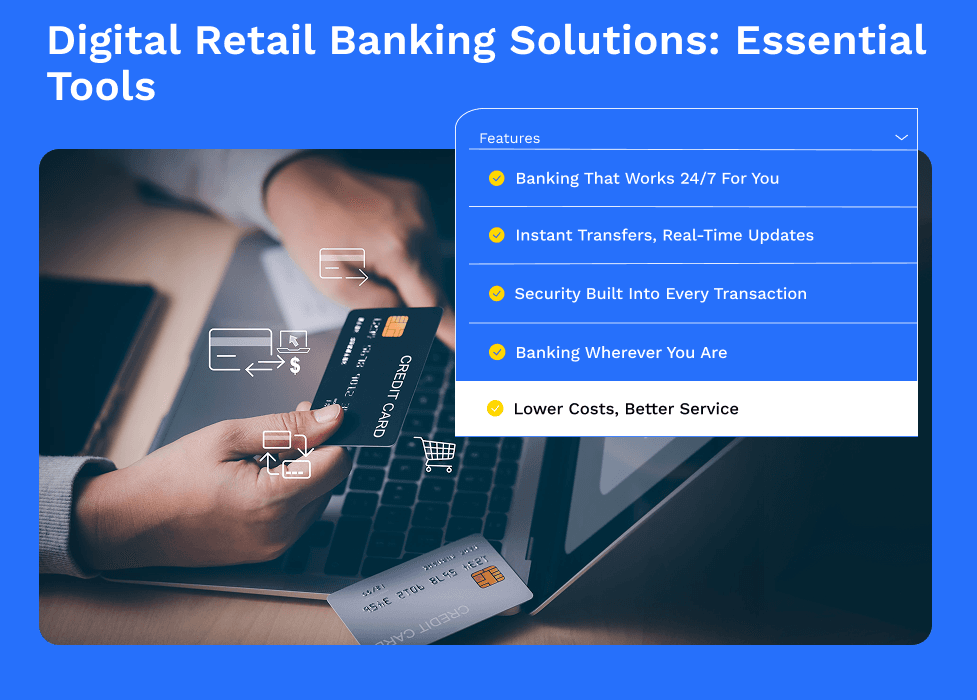
This post was originally published in Sep 2024 and was updated in July 2026 for accuracy and comprehensiveness.
Digital Retail Banking uses digital platforms and technologies to offer traditional banking services, such as account management, payments, and customer support, online or through mobile apps. It enhances customer experience by providing faster, more convenient services.
In the past few decades, banking has undergone a significant shift from traditional, branch-based services to digital platforms. With the rise of digital retail banking, customers can now manage their finances online, make instant payments, and access personalised services through mobile apps or websites. In 2026, digital retail banking solutions play an even more critical role in transforming the industry, driving efficiency, improving customer engagement, and enhancing overall operations. This evolution ensures that banks not only meet the growing demands of tech-savvy consumers but also maintain a competitive edge in the fast-paced digital economy.
What is Digital Retail Banking?

Digital retail banking signifies a major shift in the banking sector, leveraging technologies like AI, blockchain, and cloud computing to enhance services. This transformation streamlines processes, making banking more accessible and efficient through digital tools and platforms.
Why Banks Are Adopting Digital Retail Banking Solutions
Banks adopt digital retail banking solutions to stay competitive and meet increasing customer demands for convenience and speed. Digital platforms offer 24/7 access, reduce operational costs, and improve efficiency, helping banks attract and retain customers.
The Impact of Digital Banking on Customer Expectations and Service Delivery
Digital banking has reshaped customer expectations, demanding instant and personalised services. With real-time transactions and enhanced support via mobile and online platforms, digital retail banking meets these expectations, improving service delivery and customer satisfaction.
Why Digital Transformation in Banking Is Important
Banks face reality: customers don't care about legacy systems. They want speed, convenience, and security.
In 2026, traditional banking models struggle. Customers expect accounts in minutes, transfers instantly, personalized advice automatically. If your bank can't deliver, they'll switch to fintech competitors who can.
Digital transformation in banking isn't optional. Banks that haven't transformed lose market share. Digital-native competitors move faster and understand customers better.
The benefits are real. Automation reduces costs. Personalization improves satisfaction. Data-driven decisions beat guessing. Modern security defeats sophisticated cyberattacks.
Banks adopting retail banking solutions early gain competitive advantage. They attract younger customers expecting digital-first experiences. They retain older customers by simplifying banking. They improve profitability by cutting operational costs.
The question isn't whether to transform. It's how fast.
Discover why digital transformation is reshaping banking and what it means for customers and institutions:
How Customers Will Engage With Retail Bank of the Future
The future retail bank doesn't exist in a branch. It exists on your phone, on your computer, and yes, occasionally in a physical location when you need something complex.
1. Omnichannel Engagement
Customers switch between devices constantly. They start researching on mobile. Complete the transaction on desktop. Ask a question via chat. Visit a branch for something they can't do online. The best retail banking solutions make this seamless. No repeating information. No starting over. Consistent experience across every channel.
2. Personalization Everywhere
Generic banking is dead. Customers expect personalized recommendations based on their spending patterns, financial goals, and life stage. A 25-year-old wants investment advice. A 55-year-old wants retirement planning. AI should understand the difference without asking.
3. Real-Time Everything
Waiting for transactions to clear tomorrow is frustrating. Customers expect instant updates, immediate transfers, and real-time account visibility. If your competitor offers it, customers notice when you don't.
4. Proactive Support
Future banks don't wait for problems. They notice unusual spending and reach out. They anticipate when you might need a loan. They flag suspicious activity before it becomes fraud. Data analytics makes this possible.
5. Trust Above All
Technology is table stakes. What separates banks is trust. Transparent communication about fees. Real privacy protection, not just compliance theater. Honest recommendations, even if it means lower profits. Customers remember which bank treated them fairly.
The retail bank of the future is efficient, personalized, and trustworthy. Not because the technology is fancy. Because it puts customers first.
Key Benefits of Digital Retail Banking Solutions
In 2026, digital retail banking solutions are reshaping the way financial institutions operate, offering numerous advantages that enhance both customer experience and internal efficiency.
1. Improved Customer Experience
Digital retail banking solutions provide personalised services using advanced technologies like AI and machine learning. Banks can analyse customer data to offer tailored products and recommendations, enhancing user engagement. Customers enjoy 24/7 access to banking services through mobile apps and online platforms, allowing them to manage accounts, transfer funds, and deposit checks without needing to visit a branch. The convenience of instant transfers, mobile check deposits, and real-time updates significantly improves the user experience.
2. Operational Efficiency
Digital retail banking also drives operational efficiency by automating routine tasks, such as account opening and loan processing. These processes are streamlined, reducing wait times and improving customer satisfaction. Additionally, data analytics help banks make better decisions, optimise service offerings, and forecast market trends. By digitising processes, banks reduce manual labour, lowering operational costs and improving service delivery speed.
3. Enhanced Security and Compliance
Security is a top priority in digital retail banking. Advanced technologies such as encryption, biometric authentication, and multi-factor verification ensure that customer data is protected against breaches. Moreover, digital retail banking solutions assist banks in maintaining compliance with regulations like GDPR and PSD2, which govern data privacy and security. These solutions automate compliance management, minimising the risk of penalties and improving customer trust.
By leveraging these benefits, digital retail banking solutions are crucial for financial institutions to remain competitive, enhance customer loyalty, and streamline operations.
Key Factors Driving Digital Transformation
Digital transformation doesn't happen in a vacuum. Several forces are pushing banks to change.
1. Customer Demand - Customers switched to digital during COVID. They didn't go back. Now they expect digital-first banking everywhere.
2. Competition From Fintech - Startups don't carry legacy systems. They move fast. Offer better UX. Steal customers. Traditional banks must compete or fade.
3. Regulatory Pressure - Regulators demand better security, fraud detection, and compliance. Legacy systems can't keep up. Digital solutions handle this automatically.
4. Cost Pressure - Branch operations are expensive. Digital automation cuts costs dramatically. Banks that don't transform can't compete on pricing.
5. Data Opportunity - Digital banking generates massive customer data. Banks using this data make smarter decisions. Those ignoring it fall behind.
6. Talent Availability - Young engineers won't work on 30-year-old systems. Banks need modern tech stacks to hire and retain talent.
7. Ecosystem Integration - Modern banking connects with fintechs, payment platforms, and wealth managers. Legacy systems can't integrate. Digital platforms can.
These forces aren't slowing down. Banks transforming now gain advantage. Those waiting fall further behind.
What Is the Digital Transformation Process?
Digital transformation isn't one project. It's a multi-year journey with clear stages.
Stage 1: Assess Current State
Understand your systems, costs, customer pain points, and competitive gaps. Know what's broken. Know what's working. Honest assessment is crucial.
Stage 2: Define Vision & Strategy
Where do you want to be? What customer experience are you building? What are non-negotiables? Strategy guides all decisions.
Stage 3: Prioritize Initiatives
You can't fix everything at once. Pick high-impact projects: mobile banking, real-time payments, fraud detection. Start there.
Stage 4: Choose Right Technology
Select platforms that integrate with legacy systems, scale as you grow, and match your security requirements. Avoid vendor lock-in.
Stage 5: Build Internal Capabilities
Hire people who understand digital. Train existing staff on new tools. Culture change matters as much as technology.
Stage 6: Launch & Learn
Start with pilot programs. Get real customer feedback. Adjust quickly. Don't wait for perfection.
Stage 7: Scale & Optimize
Once pilots work, scale across organization. Continuously improve based on data. This never stops.
Stage 8: Measure & Iterate
Track metrics: customer satisfaction, cost reduction, security improvements. Use data to guide next steps.
This process takes 2-4 years for most banks. Speed matters, but rushing causes problems.
Navigating Digital Retail Banking Challenges with Effective Solutions
1. Cybersecurity Threats
In the evolving world of digital retail banking, cybersecurity threats are a critical concern. Financial institutions face sophisticated cyberattacks aimed at stealing sensitive customer data or disrupting services. Sekel Tech’s digital retail banking solutions address these threats with advanced security measures, including robust encryption, multi-factor authentication, and real-time threat detection. By employing AI and machine learning, Sekel Tech continuously monitors for vulnerabilities and responds promptly to potential threats, ensuring comprehensive protection for banks and their customers.
2. Customer Data Privacy
Maintaining customer data privacy is essential but challenging in the digital age. Banks must comply with strict regulations such as GDPR and CCPA while protecting vast amounts of personal and financial information. Sekel Tech tackles this challenge by integrating advanced privacy management tools into their digital retail banking solutions. Their platform ensures secure data handling, transparent consent processes, and robust encryption techniques, safeguarding customer information from unauthorised access and fostering trust.
3. Technology Integration
Integrating new digital retail banking solutions with existing legacy systems often presents difficulties. Outdated technology can lead to inefficiencies and operational disruptions. Sekel Tech provides a seamless data integration experience with their advanced platform, designed to work harmoniously with legacy systems. Featuring robust API support and scalable cloud-based infrastructure, Sekel Tech helps banks transition smoothly to modern digital solutions, enhancing operational efficiency without compromising existing systems.
By addressing these key challenges with Sekel Tech’s innovative solutions, financial institutions can navigate the complexities of digital retail banking, ensuring secure, compliant, and efficient operations in a rapidly evolving financial landscape.
Watch how Sekel Tech sets itself apart in hyperlocal marketing to enhance customer engagement and boost operational efficiency for banks.
Top 10 Digital Retail Banking Solutions: Essential Tools in 2026
1. Customer Relationship Management (CRM) Systems

Sekel Tech’s CRM solutions enhance customer interactions by integrating data from various touchpoints, offering personalised service, and improving customer satisfaction through targeted communication and engagement strategies.
2. AI-Driven Personalization

Sekel Tech's AI solutions provide advanced personalization by analysing customer data to deliver customised financial advice, targeted offers, and tailored recommendations, enhancing customer engagement and satisfaction.
3. Chatbots and Virtual Assistants

Sekel Tech’s AI-driven chatbots and virtual assistants streamline customer service by offering real-time support, resolving queries efficiently, and guiding users through banking processes, thus improving overall user experience.
4. Blockchain Technology

Sekel Tech integrates blockchain technology to bolster transaction security and transparency, ensuring secure and immutable records for transactions, thereby reducing fraud and enhancing trust.
5. Omnichannel Banking Platforms
Sekel Tech’s omni-channel solutions unify digital and physical banking channels, providing a seamless experience across online, mobile, and in-branch interactions.
Gain insights with this short and informative video. "Sekel Tech's Hyperlocal Solution Navigating Challenges in the Era of Online-to-Offline Retail"
6. Advanced Fraud Detection Systems

Advanced fraud detection tools utilise machine learning algorithms to monitor and identify suspicious activities in real-time, protecting against fraudulent transactions and securing customer accounts.
7. Cloud-Based Banking Solutions

Sekel Tech offers scalable cloud-based solutions for flexible data storage and processing, enabling efficient management of banking services and adapting to the evolving needs of financial institutions.
8. E-Wallets and Digital Payment Systems
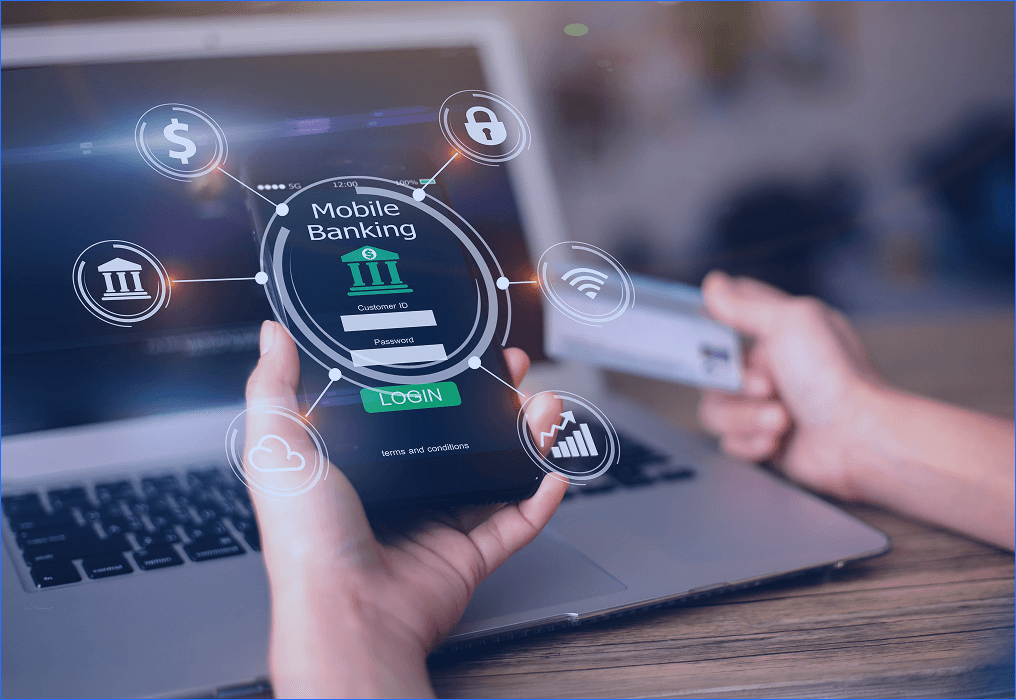
Sekel Tech supports the integration of e-wallets and various digital payment systems, facilitating secure, contactless transactions and providing banks with robust platforms for managing digital payments.
9. Data Analytics Tools

Sekel Tech’s data analytics tools deliver actionable insights into customer behaviour and market trends, enabling data-driven decision-making and optimising banking strategies for enhanced performance.
Learn why real-time data is vital for driving digital engagement and improving banking operations with Sekel Tech’s advanced tools. "Why is Real-Time Data Critical for Digital Engagement?"
10. Regulatory Compliance Tools

Sekel Tech’s compliance solutions streamline adherence to financial regulations and data protection standards through automated tools, ensuring accurate reporting and regulatory alignment.
Watch this quick video for a better understanding. "Consent and Compliance: Navigating Privacy in Retail Marketing."
Best Practices for Adopting Digital Retail Banking Solutions
1. Start with a Clear Digital Strategy
To successfully implement digital retail banking solutions, begin by defining clear objectives for your digital transformation. Establish a strategic vision that aligns with your business goals and addresses specific challenges. This roadmap should guide your technology investments, help you prioritise initiatives, and measure progress effectively.
2. Focus on Customer-Centric Solutions
Prioritise solutions that enhance the customer experience. Emphasise features that offer convenience, personalization, and efficiency, such as mobile banking apps, real-time transaction alerts, and tailored financial advice. By focusing on customer needs, you can improve satisfaction and loyalty, which is crucial in a competitive market.
3. Invest in Security and Compliance
Security and compliance are critical in digital retail banking. Ensure your platforms are equipped with advanced security measures, such as encryption and multi-factor authentication, to protect customer data. Additionally, stay compliant with regulations like GDPR and PSD2 to avoid legal issues and build customer trust.
4. Continuous Innovation
The digital banking landscape is constantly evolving. To stay ahead, invest in ongoing innovation and keep up with emerging technologies. Regularly update your digital solutions to incorporate the latest advancements, such as AI and blockchain, to enhance functionality and maintain a competitive edge.
By following these best practices, banks can effectively adopt and leverage digital retail banking solutions, ensuring a secure, customer-focused, and innovative approach to digital transformation.
For further insights into the evolution of digital transformation in the financial sector, read this comprehensive article from the Times of India. It explores the broader trends and impacts of digitalization on financial services, offering valuable context and additional perspectives. Read more here.
Frequently Asked Questions (FAQs)
1. What's the difference between retail banking and digital banking?
Retail banking offers financial services to individuals through branches and digital channels. Digital banking specifically uses online and mobile platforms. Retail banking includes the physical experience. Digital banking is purely technology-based. Modern retail banking solutions combine both for omnichannel experience.
2. Which retail banking solution works best for small banks?
Small banks should prioritize solutions offering: easy integration with existing systems, affordable pricing without enterprise markup, strong security without complexity, good customer support, and room to scale. Cloud-based platforms typically work better than on-premise solutions. Test with pilots before full commitment.
3. What should a retail banking platform include?
Essential features: account management, real-time payments, fraud detection, personalization engine, omnichannel support, compliance automation, customer analytics, secure authentication, and integration capabilities. Advanced platforms add AI-driven recommendations and predictive analytics.
4. How do I get started with digital banking?
Start by assessing your current systems and customer needs. Define clear objectives. Choose scalable solutions matching your requirements. Implement in phases, starting with high-impact areas. Train staff thoroughly. Measure results continuously. Adjust based on feedback.
5. Is digital banking the same as online banking?
Online banking lets you access accounts through websites. Digital banking is broader, including mobile apps, personalization, real-time features, and integrated services. Online banking is one component of digital banking. Modern retail banking solutions offer full digital experience.
Conclusion
Digital retail banking is no longer a competitive advantage. It's table stakes. In 2026, banks without modern retail banking solutions are already losing customers.
The transformation journey requires honest assessment, clear strategy, and sustained commitment. Technology matters, but culture change matters more. Your people need to embrace digital thinking.
Banks that transformed early have clear advantages: lower costs, happier customers, faster growth. Those waiting face increasing pressure from competitors who moved faster.
The future of banking is personalized, secure, instant, and omnichannel. Legacy systems can't deliver this. Digital platforms can.
The question isn't whether to transform. It's whether you'll lead the change or react to it.
Ready to Transform Your Retail Banking Operations?
Digital transformation isn't about technology for technology's sake. It's about serving customers better while improving your bottom line.
If your bank is struggling with legacy systems, rising costs, or customer expectations outpacing your delivery, it's time to act.
Retail banking solutions built for 2026 should handle omnichannel engagement, real-time personalization, predictive fraud detection, and seamless integrations. They should scale with your growth without requiring constant overhauls.
Book a consultation with a banking transformation expert. We'll assess your current state, identify quick wins, and build a realistic roadmap for digital transformation.
Your competitive window is closing. The time to move is now.
Share


Similar Blogs
Loved this content?
Sign up for our newsletter and get the latest tips & updates directly in your inbox.
There’s more where that came from!
 Connect with us