
Digital Transformation
How Digital Transformation in Fashion Retail Drives Sales
Fri, 27 Sep 2024 07:34:07 GMT
Speak to our Hyperlocal Expert
Editor’s Note: This post was originally published in Sep 2024 and was updated in Jul 2026 for accuracy and comprehensiveness.
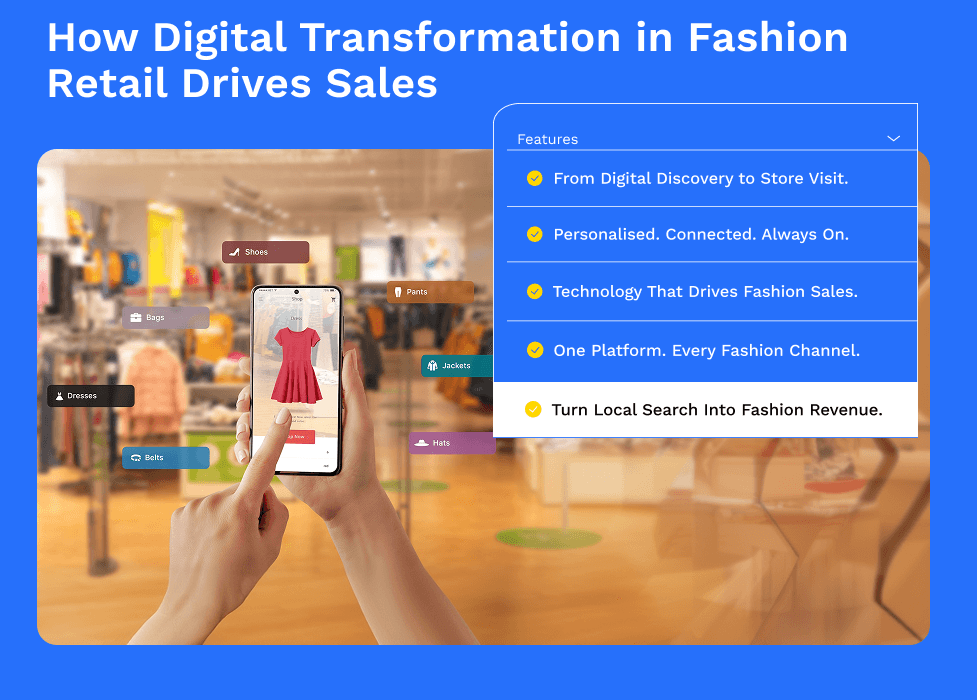
Digital transformation in fashion retail uses evolving digital technologies to simplify processes and enhance customer experience. It supports omnichannel commerce, drives ecommerce growth and helps apparel brands stay competitive in a rapidly changing retail landscape.
Fashion retail has always been about understanding what customers want before they ask for it. In 2026 that understanding requires technology at every stage of the process.
Customers no longer separate online and offline shopping. They research on Instagram, check availability on Google, try in store, and return through WhatsApp. Brands winning in this environment have built digital systems connecting every touchpoint into one coherent customer journey rather than managing each channel separately.
Digital transformation in fashion retail is how that happens. From AI-powered personalisation and augmented reality try-ons to real-time inventory visibility and hyperlocal fulfilment, the right technology removes the operational friction that prevents great fashion experiences from reaching customers consistently at scale.
This guide covers what digital transformation in fashion retail means, why it matters for apparel businesses, the technologies driving it, and how fashion brands can build a strategy that drives measurable sales growth in 2026.
What Is Digital Transformation in Fashion Retail?
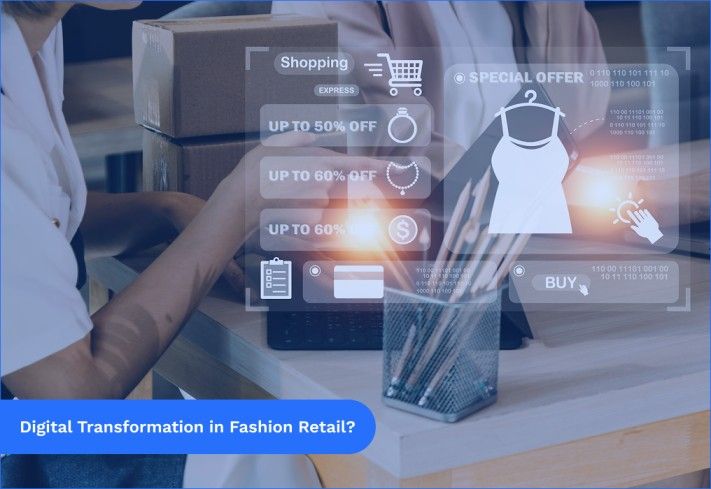
Digital transformation in fashion retail refers to the integration of digital technologies to enhance operational efficiency, improve customer experiences, and drive sales growth. This transformation can include adopting hyperlocal ecommerce platforms, utilising AI for personalised marketing, and implementing data analytics for inventory management.
Example: A fashion brand might use an AI-driven platform to analyse customer preferences and purchasing behaviour, enabling it to offer tailored product recommendations through its website and mobile app, thus enhancing the shopping experience.
Digital Transformation in the Fashion Industry Explained
Digital transformation in the fashion industry is not a single technology initiative. It is an ongoing shift in how fashion businesses use digital tools to run operations, serve customers, and compete in a market where consumer expectations change faster than most organisations can adapt.
For decades fashion retail operated on predictable seasonal cycles. Digital transformation has disrupted every one of those cycles simultaneously. Customers now expect new styles continuously, personalised recommendations instantly, and fulfilment faster than any traditional fashion supply chain was designed to deliver.
According to NetSuite's analysis of fashion digital transformation, the most impactful transformations in apparel combine operational efficiency improvements with customer experience enhancements rather than treating them as separate workstreams.
In practical terms digital transformation in fashion covers four areas. Customer acquisition through digital channels. Inventory and supply chain management across online and offline. Personalisation using real customer data. And performance measurement across every touchpoint to make faster decisions than competitors still relying on end-of-season reports.
Why Does Digital Transformation Matter for Apparel Businesses?
The fashion industry has always been competitive. What has changed in 2026 is that the competitive advantage now belongs to brands with better data, faster systems, and more connected operations rather than simply better products or bigger marketing budgets.
Fashion retail technology has shifted from optional to operational. Apparel businesses without real-time inventory visibility lose sales to competitors who can tell a customer exactly which nearby store has their size in stock right now. Brands without personalisation capabilities send the same email to a first-time buyer and a loyal customer who has spent ₹50,000 with them and wonder why retention rates keep declining.
The stakes are significant. Research consistently shows that fashion consumers make purchasing decisions based on experience as much as product. A slow website, an out-of-stock item that was shown as available, or a return process that takes three weeks does not just lose a transaction. It loses the customer permanently in a market where switching to a competitor requires nothing more than a single search.
Digital transformation in the fashion industry matters because it is the infrastructure that makes consistent customer experience possible at scale across every channel simultaneously.
Benefits of Digital Transformation in Fashion Retail
1. Enhanced Customer Experience
Personalised shopping experiences through tailored recommendations and seamless interactions across channels.
2. Increased Efficiency
Streamlined operations with automated processes, reducing manual errors and saving time.
3. Data-Driven Insights
Access to valuable data analytics that inform business decisions, optimise inventory, and forecast trends.
4. Greater Market Reach
Ability to engage with global customers through online platforms, expanding brand visibility and sales opportunities.
5. Improved Agility
Faster adaptation to market changes and consumer trends, allowing brands to stay competitive in a dynamic landscape.
How Digital Transformation Improves Fashion Customer Experience
Fashion customer experience has always been about making people feel understood. Digital transformation gives brands the tools to deliver that feeling consistently at scale rather than only in flagship stores with experienced staff.
1. Personalisation That Actually Works
AI-powered recommendation engines analyse individual browsing behaviour, purchase history, and style preferences to surface products each customer is genuinely likely to want. The difference between a personalised experience and a generic one is not just engagement. Personalised fashion retail experiences consistently convert at significantly higher rates and generate stronger repeat purchase behaviour.
2. Augmented Reality Try-Ons
Customers can virtually try on clothes, accessories, and footwear before purchasing without visiting a store. AR technology reduces return rates by helping customers make more confident purchase decisions and creates an engaging digital experience that generic product photography cannot replicate.
3. Seamless Omnichannel Journeys
Fashion retail technology now connects every touchpoint so customers can research on mobile, purchase online, collect in store, and return through any channel without friction. According to Business of Fashion, managing the customer journey across an expanding array of digital and physical touchpoints has never been more complex but brands that get it right build loyalty that price-focused competitors cannot disrupt.
4. Real-Time Customer Service
AI-powered chatbots and conversational commerce tools handle size queries, stock availability, order tracking, and return requests instantly across WhatsApp, website chat, and social media simultaneously without customers waiting for human agents during peak periods.
Watch how Sekel Tech's hyperlocal platform helps fashion brands navigate the shift from online discovery to offline store sales.
Challenges in Digital Transformation for Fashion Retail
1. Resistance to Change
Employees may be reluctant to adopt new technologies and processes.
2. Integration Issues
Difficulty in integrating new digital tools with existing systems can slow progress.
3. Data Privacy Concerns
Ensuring customer data security while complying with regulations poses significant challenges.
4. Skill Gaps
A lack of expertise in new technologies can hinder effective implementation.
5. High Costs
The initial investment required for technology and training can be substantial.
As fashion brands navigate the complexities of digital transformation, understanding the common hurdles is crucial. This video delves into the significant challenges that dealers and distributors encounter when managing digital leads and sales. By exploring these pain points, brands can develop effective strategies to overcome them and thrive in an increasingly digital landscape.
Examples of Digital Transformation in the Fashion Industry
The most useful way to understand digital transformation in fashion retail is to look at what it actually looks like when implemented well across different parts of the business.
1. AI-Powered Personalisation
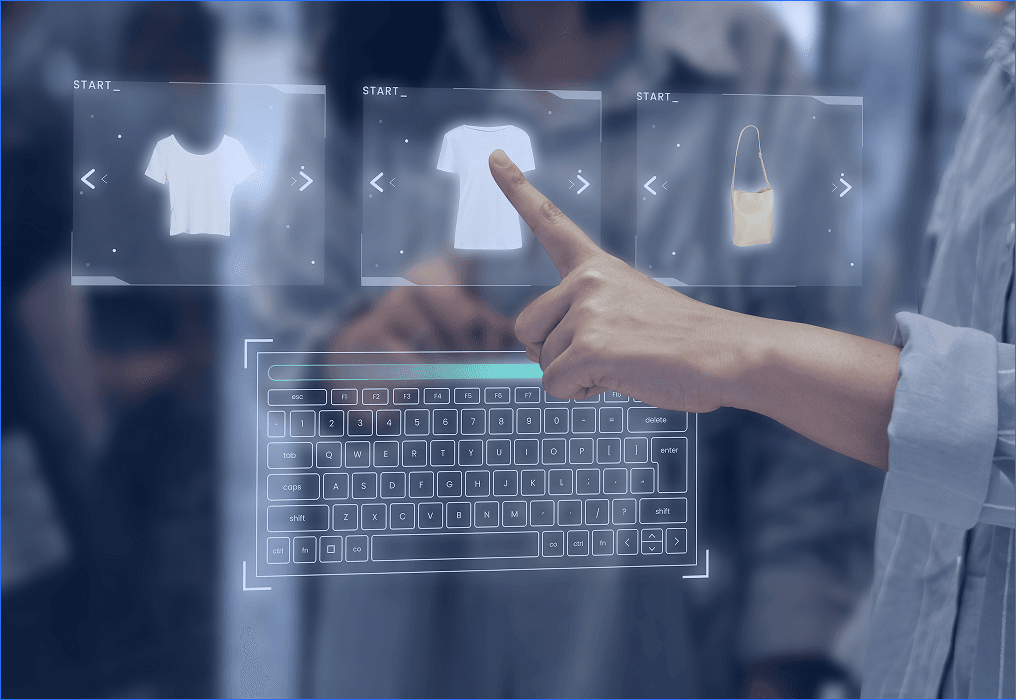
Fashion brands using AI to analyse individual customer behaviour are surfacing genuinely relevant product recommendations rather than generic bestseller lists. A customer who buys workwear consistently sees tailored office-appropriate suggestions. A customer who shops predominantly in sale periods receives early access offers. The technology makes every customer feel like the brand understands them specifically rather than marketing to a demographic segment.
2. Virtual Try-On Technology

Several global fashion and eyewear brands have deployed AR try-on tools that let customers see how a garment or accessory looks on their specific body type before purchasing. Return rates drop significantly when customers make more confident size and style decisions before the item ships.
3. Real-Time Inventory Visibility
Fashion retailers with unified inventory systems across all store locations and online channels can show customers exactly where a specific size and colour is available right now. A customer searching for a particular jacket in size medium can be directed to the nearest store that has it in stock rather than seeing a generic out-of-stock message that sends them to a competitor.
4. Hyperlocal Store Discovery
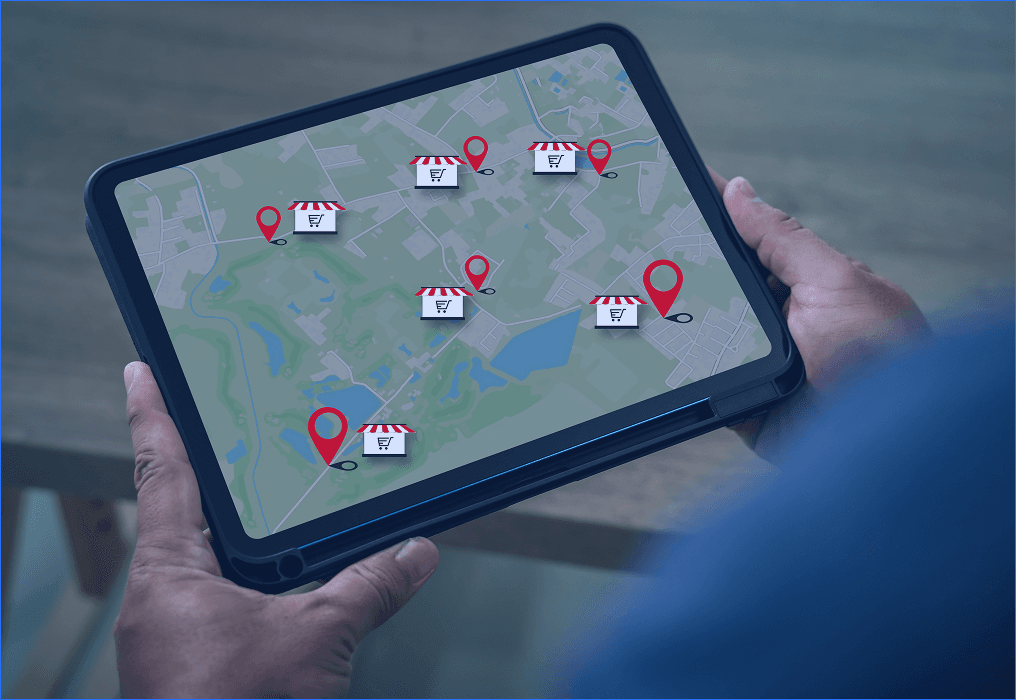
Fashion brands with multiple locations are using hyperlocal digital marketing to ensure nearby customers discover their nearest outlet through local search, Google Maps, and social media simultaneously. Store microsites with real-time product availability connect digital discovery directly to physical store visits.
5. Social Commerce Integration

Fashion brands selling directly through Instagram and WhatsApp are removing the steps between discovery and purchase entirely. A customer who sees a product in a brand's Instagram story can complete the purchase without leaving the platform, reducing the drop-off that occurs when customers are redirected to external websites.
See how Sekel Tech helps fashion brands manage listings, products, reviews and customer engagement from one unified platform.
Best Strategies for Fashion Brands Embracing Digital Transformation
1. Utilise Sekel Tech’s Hyperlocal Discovery & Omni Commerce Platform
Enhance local marketing efforts to target nearby customers effectively and drive foot traffic.
2. Leverage AI-Driven Personalization Tools
Implement Sekel Tech’s AI solutions to offer personalised product recommendations and improve customer engagement.
3. Adopt Omnichannel Strategies
Use Sekel Tech’s tools to create a seamless shopping experience across various channels, ensuring consistency for customers.
4. Implement Data Analytics Solutions
Take advantage of Sekel Tech’s analytics features to gain insights into customer behaviour, optimise inventory, and refine marketing strategies.
5. Enhance Online Presence with SEO Techniques
Utilise Sekel Tech’s strategic local SEO services to improve visibility and attract more customers to your brand’s online platforms.
To successfully embrace digital transformation, brands must leverage innovative solutions that bridge the gap between online and offline retail. This video highlights Sekel Tech's hyperlocal solution, showcasing how it addresses the unique challenges retailers face today. Discover how these tools can enhance your operational efficiency and customer engagement, ultimately driving sales growth.
How Digital Transformation Drives Sales in Fashion Retail
Digital transformation in fashion retail is a vital driver of sales, enabling brands to engage customers more effectively and streamline their operations. Sekel Tech offers a comprehensive suite of tools tailored to enhance this transformation, ensuring that fashion brands can thrive in a competitive marketplace. Here’s how these tools contribute to driving sales:
1. Hyperlocal Discovery
Sekel Tech’s Hyperlocal Discovery tools allow brands to optimise their visibility in local searches, which is essential for attracting nearby customers. The platform powers "near me" searches, making it easier for consumers to find local fashion retailers. This increases foot traffic to physical stores and boosts online engagement, leading to higher sales.
2. Store Locator and Unified Data
With a user-friendly store locator, customers can quickly identify the nearest locations. This feature is enhanced by unified data that consolidates information across multiple page types, including product selections and customer reviews. By providing comprehensive and accessible information, retailers can significantly improve the shopping experience, encouraging conversions.
3. Real-Time Sales Conversions
Sekel Tech’s platform enables real-time sales tracking and analytics for all discovery pages, allowing brands to monitor performance and adjust strategies instantly. This capability ensures that retailers can respond to trends and customer preferences dynamically, maximising sales opportunities as they arise.
4. Demand Generation and Persona Building
By utilising first-party data, Sekel Tech enables brands to build detailed customer personas. This data-driven approach allows for targeted marketing efforts, ensuring that promotions and product offerings resonate with specific customer segments. Enhanced demand generation strategies lead to increased brand loyalty and repeat purchases.
5. Programmatic Advertising and Optimization
Sekel Tech’s programmatic bidding capabilities optimise advertising efforts across platforms like Google and Meta. The system uses merchant feeds and WhatsApp catalogue feeds for bid optimization, ensuring that fashion brands reach their ideal customers effectively. By leveraging campaign-specific lifetime historic data, brands can refine their marketing strategies to enhance ROI and drive sales growth.
6. Marketplace and EPOS Integration
Integration with marketplaces and Electronic Point of Sale (EPOS) systems streamlines the sales process, enabling brands to manage inventory and sales seamlessly. This holistic approach to operations allows fashion retailers to respond to customer demands promptly and efficiently, contributing to overall sales enhancement.
7. Generative Multi-Language Pages
Sekel Tech's ability to generate content in multiple languages allows fashion brands to reach a broader audience. By catering to diverse markets, brands can enhance their visibility and engagement in various regions, ultimately driving sales across different demographics.
8. Analytics of All Discovery Pages
Comprehensive analytics for all discovery pages provide insights into customer behaviour and preferences. By understanding what drives engagement, fashion brands can optimise their marketing strategies, improve product offerings, and increase conversion rates.
9. Warranty and Service Integration
Incorporating warranty and service information into the digital experience enhances customer trust and satisfaction. By offering clear service options, brands can alleviate concerns regarding purchases, leading to higher conversion rates and repeat business.
10. Social Pages and Engagement
Sekel Tech’s integration with social media platforms allows brands to create engaging social pages that showcase their products and connect with customers. This social engagement drives brand loyalty and encourages customers to share their experiences, amplifying word-of-mouth marketing and increasing sales.
Digital transformation in fashion retail powered by Sekel Tech's innovative solutions is essential for brands aiming to boost sales. By leveraging hyperlocal discovery, real-time analytics, targeted demand generation, and optimised programmatic advertising, fashion retailers can create personalised shopping experiences that resonate with today’s consumers. Embracing these technologies not only enhances operational efficiency but also positions fashion retailers for sustained success in a rapidly evolving market.
Understanding what sets your brand apart in the marketplace is essential. In this video, explore the unique advantages of Sekel Tech's hyperlocal marketing platform. Learn how its distinct features can help your brand boost visibility and sales, allowing you to connect more effectively with your local audience.
Key Trends in Digital Transformation for Fashion Retail in 2026
1. Agentic AI in Fashion Retail
AI is moving beyond recommendation engines to autonomous systems managing inventory, personalisation, pricing, and post-sale service without manual intervention. Fashion brands adopting agentic AI are delivering more consistent experiences across every location with significantly lower operational overhead.
2. Social Commerce as Primary Sales Channel
Instagram, TikTok, and WhatsApp have moved from discovery platforms to complete transaction environments. Brands with native social commerce integration capture purchase intent at the exact moment of discovery rather than losing customers in the redirect to an external website.
3. Sustainability Through Digital Visibility
Consumer demand for supply chain transparency is driving fashion brands to use digital tools tracking material sourcing, production conditions, and carbon footprint. Verifiable sustainability data builds genuine trust that marketing claims alone cannot replicate.
4. Unified Commerce Replacing Omnichannel
One backend system for inventory, orders, customer data, and fulfilment across every touchpoint simultaneously rather than separate systems requiring constant reconciliation between channels.
5. Hyperlocal Fashion Discovery
Fashion retail technology is connecting digital search intent directly to physical store inventory in real time. Customers searching for specific styles nearby are directed to the nearest store with confirmed stock rather than a generic brand homepage.
In the rapidly evolving landscape of digital marketing, privacy and compliance are paramount. This video provides insights into the importance of consent and compliance in retail marketing. Understanding these principles not only helps brands build trust with consumers but also ensures adherence to regulations in an increasingly scrutinised environment.
To dive deeper into the latest technology trends that are reshaping the fashion retail sector, check out this insightful article from The Times of India: Tech Trends Transforming the Fashion Retail Sector. Discover how these innovations are driving sales and enhancing customer experiences in the industry.
Frequently Asked Questions About Digital Transformation in Fashion Retail
1. How does digital transformation drive sales in fashion retail?
Digital transformation drives fashion retail sales by connecting every customer touchpoint into one coherent journey. Real-time inventory visibility reduces lost sales from out-of-stock experiences. AI personalisation increases conversion rates by surfacing genuinely relevant products. Hyperlocal discovery tools ensure nearby customers find the nearest store with the right stock. And seamless omnichannel fulfilment removes the friction that causes customers to abandon purchases mid-journey.
2. What technologies are driving digital transformation in fashion retail?
The most impactful fashion retail technologies in 2026 are AI-powered personalisation engines, augmented reality try-on tools, real-time inventory management systems, hyperlocal discovery platforms, social commerce integrations, and unified commerce backends connecting online and offline operations simultaneously. Agentic AI is emerging as the next significant shift automating decisions that previously required constant human intervention across every channel.
3. What are the challenges of digital transformation in fashion retail?
The most common challenges are resistance to change from teams accustomed to traditional retail processes, difficulty integrating new digital tools with legacy systems, data privacy compliance requirements under India's DPDP Act, skill gaps in technology adoption, and the substantial upfront investment required before transformation delivers measurable returns. Brands that approach transformation as an ongoing business strategy rather than a one-time project consistently navigate these challenges more successfully.
4. How does AI help fashion retailers improve personalisation?
AI analyses individual customer behaviour across every touchpoint including browsing history, purchase patterns, return behaviour, and engagement with marketing communications. It uses that data to surface genuinely relevant product recommendations, send personalised communications at the right moment, adjust pricing based on individual demand signals, and predict which customers are at risk of churning before they actually leave. The result is a customer experience that feels individually tailored rather than mass-marketed.
5. What is the impact of digital transformation on customers?
Digital transformation significantly improves customer experiences by offering personalised services, convenient shopping options, and real-time engagement, leading to higher satisfaction and stronger brand loyalty.
Conclusion
In conclusion, embracing digital transformation in fashion retail is essential for brands looking to thrive in a competitive landscape. By leveraging innovative technologies and strategies, retailers can enhance customer experiences, optimise operations, and drive significant sales growth. As the fashion industry continues to evolve, those who prioritise digital solutions will not only meet consumer expectations but also set themselves apart as leaders in the market. Embrace this change to ensure your brand remains relevant and successful in the future.
Leverage Sekel Tech's Solutions for Digital Transformation in Fashion Retail
Leverage Sekel Tech's solutions to enhance your brand's digital transformation in fashion retail. Our innovative tools are designed to optimise customer engagement, streamline operations, and drive sales growth, helping you stay ahead in a competitive market. Discover how our tailored strategies can elevate your brand and improve your online presence. Schedule a free consultation today to explore the possibilities!
Read Also
1. Top 15 Digital Transformation Services & Solutions in 2026
2. Boost Sales with Digital Transformation in Retail Industry
4. Best Luxury Fashion Retail Management & Marketing Strategies
Share


Similar Blogs
Loved this content?
Sign up for our newsletter and get the latest tips & updates directly in your inbox.
There’s more where that came from!
 Connect with us