
Location Based Marketing
How Effectiveness of Location-Based Marketing Improves O2O
Thu, 17 Nov 2022 05:44:11 GMT
Speak to our Hyperlocal Expert
This post was originally published in Nov 2022 and was updated in July 2026 for accuracy and comprehensiveness.
The effectiveness of location-based marketing has been shown successful in driving foot traffic to physical stores and increasing engagement with mobile apps. This can improve their marketing efforts and relevance of their messaging.
Effectiveness of Location-based marketing depends upon increasing the frequency of users visiting a particular place like a store or a shopping mall. Location-based marketing is a component of mobile advertising. The main focus of location-based marketing is to convert customers who are online to offline sales.
Location-based marketing is a strategy for engaging with users more effectively. It allows you to access and target the users with the most relevant information based on the time and place they are in.
Online marketing is necessary for offline businesses to attract customers. Additionally, online-only ecommerce stores can establish physical stores so clients can see, feel, and interact with their products in person. In this article, we talk about how does location based marketing work and boosts sales Online-to-Offline.
What Is Location-Based Marketing?
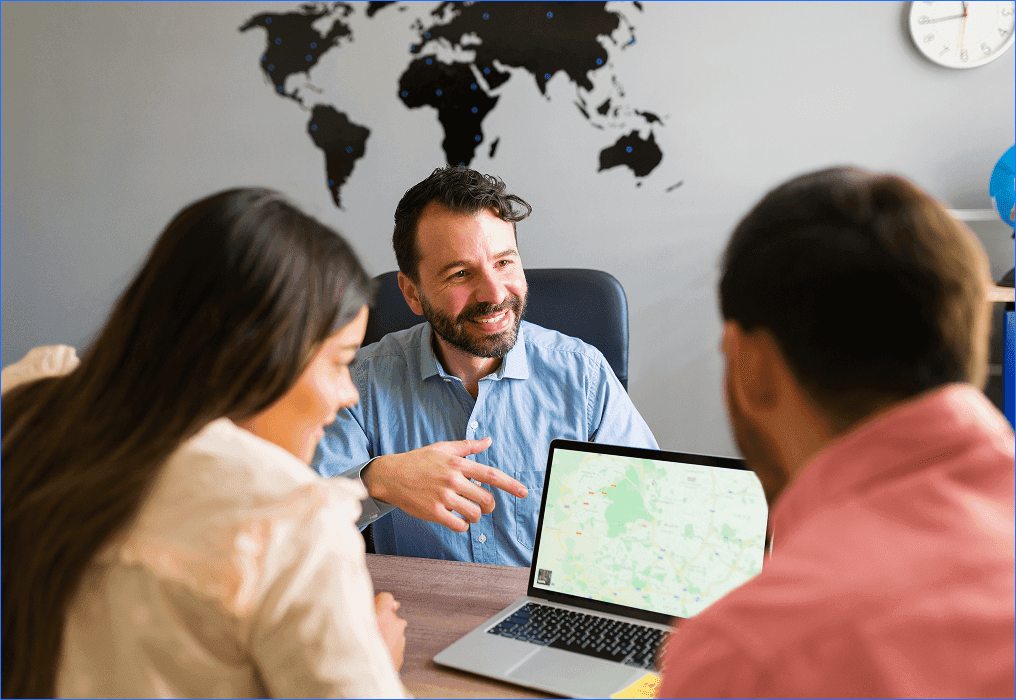
Location-based marketing is a strategy that uses a customer's physical location to deliver targeted, relevant marketing messages at the right moment. Rather than targeting people based only on demographics or browsing behaviour, it adds a geographic layer that makes messaging immediately actionable. A customer near your store receives a different message than one across the city because proximity changes purchase intent entirely.
The definition of location-based marketing has expanded significantly as mobile devices have become the primary interface between brands and consumers. What started as simple geotargeting based on IP addresses has evolved into a sophisticated ecosystem of GPS tracking, Bluetooth beacons, geofencing, and AI-powered behavioural analysis that can identify not just where a customer is but what they are likely to do next based on where they have been.
For retail brands and local businesses the most important aspect of location-based marketing is its direct connection to offline sales. Online-to-offline conversion, where digital marketing activity drives physical store visits, is consistently one of the highest-value outcomes in retail marketing. Location-based marketing is the most direct mechanism available for creating that conversion because it reaches customers when they are already in proximity to the point of purchase.
Types of Location-Based Marketing
Geolocation marketing is complex. In order to reach your target group, you need a lot of information. Her are a few practices:
1. Hyper-Contextual Targeting
In hyper-contextual and location-targeted ads, data is meaningfully used to provide a compelling experience for the target group. Hyper-local data delivers contextual messages. This method is used to drive purchase intent.
For example
One suburb has seen burglaries recently. Home security installers can run ads depicting burglars breaking into houses. Using the “Tap-to-Call” function, the installer can receive evening calls from a targeted audience within a 5 mile radius. Conversion rates were increased through hyper-contextual and location-based targeting.
2. Geotargeting
A location-based mobile advertising format can be considered geotargeting. IP addresses are used to provide real-time location data. You can advertise to a prospective customer based on their IP address if they are nearby a particular geolocation. This method of targeting isn’t very accurate. It’s best to focus on a city, town, or state rather than using IP addresses.
For example
You can remind your target audience, i.e. coffee lovers, that you offer coffee near your cafe when they’re in town. Ads like this can drive them to your store. A hyper-contextual ad should be out an hour or two before office hours start. It is important to understand your target audience’s behaviour, i.e. coffee lovers.
3. Place-Based Targeting
Mobile ads using a particular location or time frame are called place-based ads. During a football match, for instance, you might want to target sports-related advertisements in the vicinity of the stadium.
For example
Special giveaways can be offered at movie screenings or football games. You can target your ads when your target audience enters a specific location with technology like iBeacons (a Bluetooth device that communicates with iPhones for location services). You may offer your customers a special code or coupon after they check-in at your game or movie.
4. Geofencing
Radius targeting is also known as geofencing. People within a predefined radius of your store are typically targeted with this form of advertising.Real-time conversions can be achieved through this technique. Based on longitude and latitude, geofencing lets you target users. Shopping malls use it to drive foot traffic to their stores.
For example
If you want to drive more traffic to your store, geofencing may be the answer. To attract them to your store, you can use a geofence strategy with 500 metres of area. Consider giving a 10% discount on a time-limited lunch set offer since it’s almost lunch time.
5. Geo Conquesting
When your target users are nearby, you can engage them via geo conquesting. A relatively new marketing technique used by financial services, insurance, and telecommunications companies, geo-conquest involves driving competitors’ customers to your business.
For example
America’s biggest coffee chain decided to target consumers who were loyal to other coffee shops or hopped between different breakfast shops day-to-day. During the campaign, competitors’ breakfast customers were targeted. The ad offered a coupon code for $1 coffee and directions to Dunkin Donuts in mobile apps and websites they visited on their phones.
6. Beacon Marketing
Using Bluetooth, beacons can receive location data from nearby devices. In places with poor cell reception, it can be used in places with the narrowest coverage area. In proximity marketing, beacons provide a lot of flexibility since they are tiny and can be placed anywhere.
It is necessary for Beacon Marketing to only market to a smaller audience. However, it is more preferable if your customers are nearby your location.
For example
In-store experience can be improved by using beacons, according to Nordstrom. When consumers pass by the store with a beacon installed at its entrance, their beacon-enabled app tells them which items are in stock.
7. Behaviour Targeting
Using mobile location and behavioural patterns to target users, this technique uses a user’s geolocation. Cafes, restaurants, etc. can use information about your purchase behaviour to send you relevant ad messages if you are a frequent visitor. It is much more likely that meaningful messages will lead to conversions since they are personalised based on user behaviour.
For example
As a cafe owner, behaviour information about regular customers that visit the coffee shop frequently in that vicinity. These groups can be targeted with attractive discount ads that attract them to your shop over your competitors.
8. Augmented Location
Based on their location, marketers can create real time experiences. With this technology, CG images are heavily imposed in the real world. In contrast with virtual reality, where all a user sees are computer-generated images. Augmented reality keeps the focus on the real world and merely adds any extra features. As an augmented reality tool for the workforce, Google Glass has been used everywhere from healthcare to retail to manufacturing.
For example
To provide a real-time gaming experience, the “Pokemon Go” app tracks its user’s location and uses the camera function of the smartphone.
9. Proximity Marketing
Information is shared through targeted messages by beacons and Bluetooth. Several interesting developments in this field have been developed by brands such as Apple, iBeacon, etc.
For example
McDonald’s sought to enhance personal relationships with customers as well as promote a new line of coffee-flavoured beverages by leveraging a new proximity marketing strategy via beacons at its 15 cafés in Istanbul.McDonald’s chain utilised a famous Turkish loyalty app named Shopping Genie, to aim at customers who are around the location of a local McD Cafe.
Read Also - Benefits & Types of Location Based Marketing in 2026
How Effective Is Location-Based Marketing?
The effectiveness of location-based marketing comes down to one fundamental advantage over other forms of digital advertising. Relevance. A message delivered to someone who is physically near your store, actively searching for what you sell, or recently visited a competitor is significantly more likely to drive action than one delivered without any geographic context.
The numbers consistently reflect this. Location-based campaigns generate up to 20 times higher engagement rates than standard digital advertising. Brands using geofencing and proximity marketing report conversion rates between 1% and 3% compared to 0.1% for traditional display advertising. And 76% of consumers who conduct a local search visit a nearby business within 24 hours with 28% of those visits resulting in a purchase.
What makes location-based marketing effective:
Precision targeting removes wasted spend by delivering messages only to people who are physically relevant to your offer. A restaurant reaching customers within 500 metres during lunchtime is spending every rupee on people with both the intent and the ability to act immediately.
Real-time relevance means the message arrives when the customer is most receptive. A promotional push notification delivered as someone walks past your store converts at dramatically higher rates than the same offer delivered by email the following morning.
Behavioural intelligence allows brands to target not just current location but patterns of location behaviour. A customer who visits a competitor's outlet regularly is a high-value acquisition target. A customer who visits your store frequently but has not returned in 30 days is a high-priority retention target. Location data makes both identifiable and actionable.
The limitations are real too. Privacy concerns around location data collection are growing. India's DPDP Act requires explicit consent before collecting and using customer location data. Campaigns built on non-consensual location data create compliance risk that can significantly outweigh the marketing benefit.
Discover the science behind reaching customers at exactly the right moment when they're ready to buy: "Location-Based Mobile Marketing: How to Reach Consumers at the Right Place and Time"
Advantages of Location-Based Advertising
1. Cost-Effective
You can market to your immediate audience for very cheap or even for free using localised marketing. Businesses get free advertising when they fill out a page about their work with location-based service. Google and other search engines will list you on their SERPs for free if you use location-based marketing and actually understand how it works?
2. Get to Know Your Audience Better
Using location-based advertising always gives you a better understanding of your target audience. Create campaigns and events to see how people respond in order to determine what you can improve in your services from the products they love.
3. Customer Loyalty
Businesses can find their loyal customers and reward them for their loyalty through local marketing. When you cater to local visitors in physical stores or when you fulfil online orders, you can send freebies, vouchers, and coupons. They can also be asked to rate and review your brand, improving your overall image.
4. Market Penetration
You should start small if you want to expand. Strengthen your position in the market by understanding the regional market. As a result, you gain greater credibility and establish yourself as a renowned and trusted brand.
5. Brand Localisation Online
Several search engines list local businesses today to improve the user experience. Ensure that your site data, localization settings, and metadata provides the information that Google needs to rank a brand higher.
See how location-based strategies build customer loyalty and turn one-time visitors into repeat buyers: "The Impact of Location-Based Marketing on Customer Engagement and Retention"
How Does Location Based Marketing Work and Increase Sales for O2O
After learning why location-based targeting is necessary, let’s investigate its internal mechanisms. What is the process of location-based advertising? If we want to answer this question, we should examine the most widely used techniques based on slightly different principles. Check out how real world businesses can use ads to attract customers with geo-related mobile marketing campaigns.
1. Geofence Is Used to Send Offers and Messages Via Push Notifications
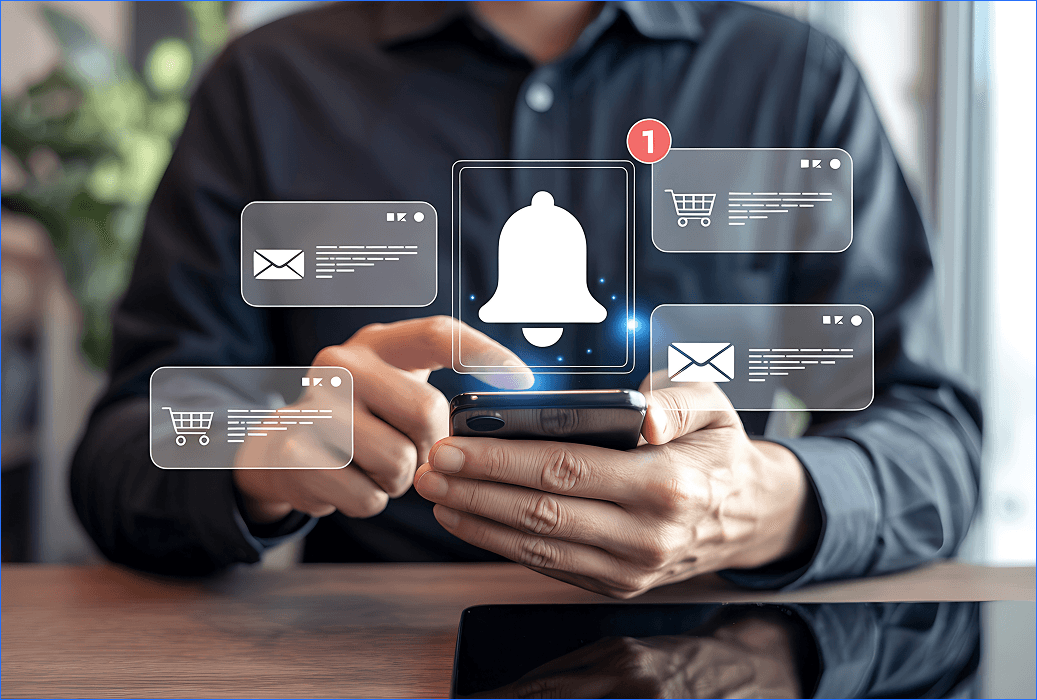
By using latitude and longitude coordinates, you can define a defined region or a ‘fence’ for effectiveness of location-based marketing. Your messages will reach users within a certain radius around your store. Foot traffic is often generated at shopping malls with it.
2. Hyper-Contextual Targeting Uses Most Relevant Offers for Certain Locations
Location-based marketing involves placing mobile ads at specific locations and within a certain timeframe. During peak commuter times, when traffic jams and crowded buses are the most annoying, taxi services could place ads on public transport.
3. Weather Targeting Focuses Upon Recent or Temporary Changes
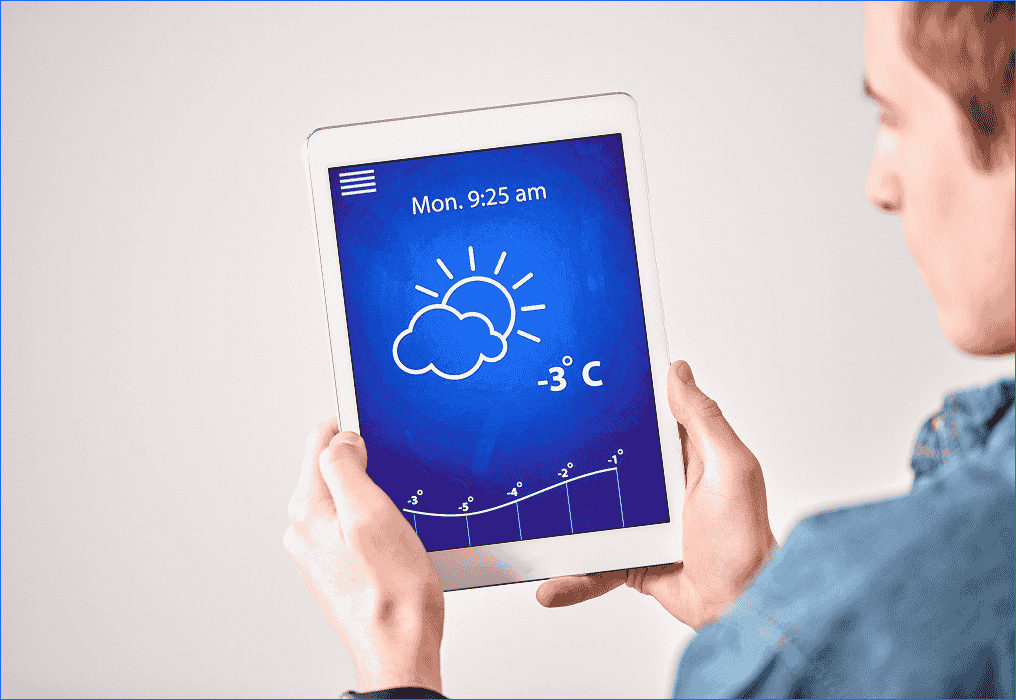
The main focus of weather targeting is changes in the physical environment. Customers’ behaviour and buying habits are heavily influenced by the natural environment, weather.The demand for home deliveries increases during rains and thunderstorms. It also makes sense to market sunglasses to people who live in dry climates rather than raincoats because raincoats don’t make sense in dry climates.
4. Geo Conquesting Targets Customers That Are Already Interested
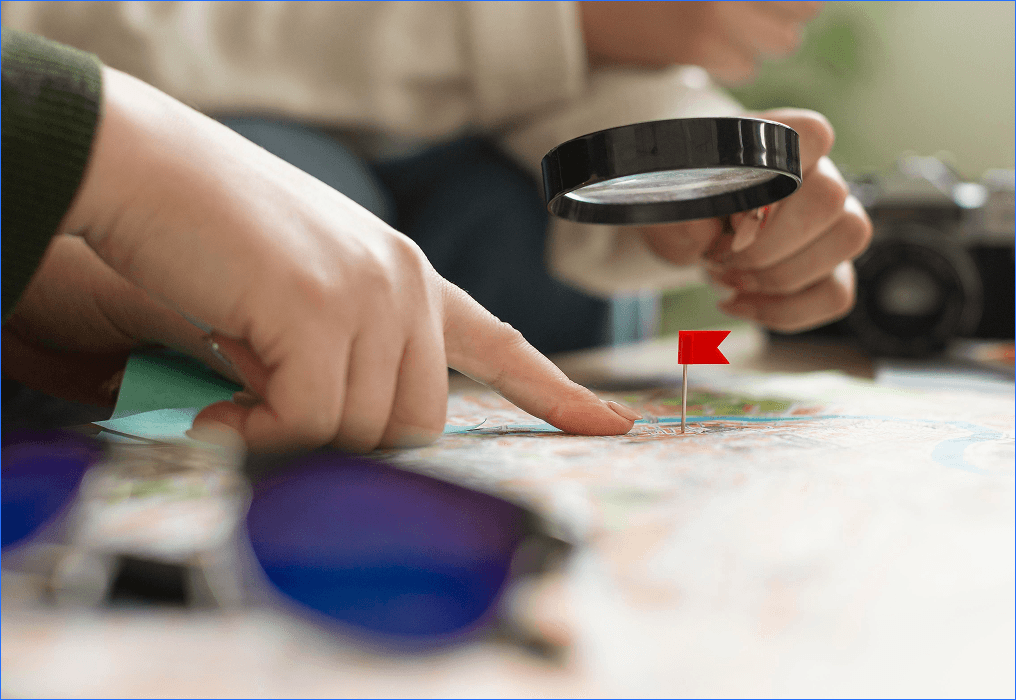
Engaging your target audience once they approach your competitors’ stores is a more aggressive form of location-based marketing. In an area where people shop, geo conquesting can enhance foot traffic to your store. Customers’ engagement levels and conversion rates can be significantly increased when they receive more attractive offers. It is especially beneficial in industries such as financial services, cafes, restaurants, insurance, and communications.
5. Beacon Marketing Gathers Location Data with the Help of Bluetooth Receivers
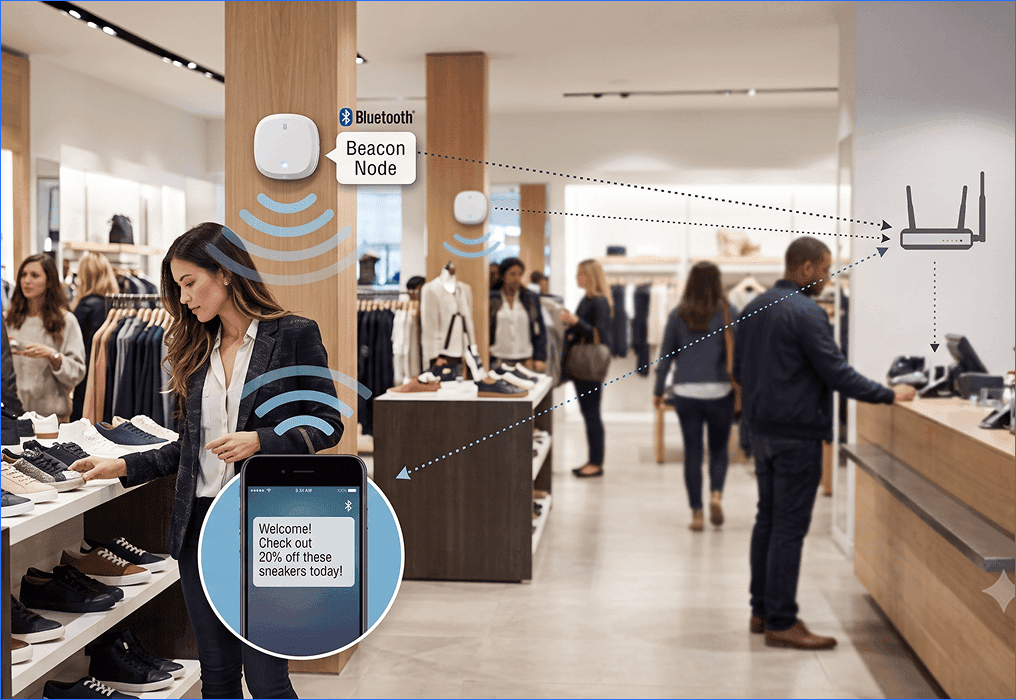
In addition to other forms of location-based advertising, this technique is effective when combined with technology. Beacon marketing relies on location data provided by Bluetooth receivers in nearby devices. However, beacons work exceptionally well in areas without a cellular connection, although their targeting area is the smallest. These small and flexible beacons can be placed anywhere and reach customers wherever they are.
Best Practices for Location-Based Marketing
Location-based marketing only works if executed strategically. Here are practices that actually drive results.
1. Be Hyper-Relevant
Message timing and location must match. Don't send lunch offers at 9am. Don't promote winter coats in summer. Relevance drives conversions. Irrelevance gets ignored.
2. Get Explicit Consent
Location data requires permission. Not hidden in terms. Not assumed. Clear request: "Can we use your location for offers?" Transparent consent builds trust. Non-consensual tracking creates compliance risk and damages brands.
3. Test Before Scale
Pilot with one location or one week. Measure results. Learn what works. Adjust messaging, timing, radius. Only then expand to other locations or longer campaigns.
4. Segment Your Audience
Not all customers are the same. First-time visitors need different messages than repeat customers. High-value customers are different from browsers. Segment and personalize accordingly.
5. Combine Channels
Location works better with push notifications, SMS, email, and in-app messaging. Don't rely on one channel. Omnichannel location campaigns outperform single-channel.
6. Track Real Conversions
Measure foot traffic. Track which campaigns drive store visits. Measure actual purchases, not just clicks. Attribution matters. Know which campaigns actually convert.
7. Respect Privacy Limits
Location data is sensitive. Store it securely. Delete when requested. Follow DPDP Act and local regulations. Privacy isn't cost. It's a competitive advantage.
8. Optimize for Mobile
Customers are on phones. Ensure offers load fast. Tap-to-call works. Directions are clear. Mobile experience is everything.
Trends in Location-Based Marketing 2026
Location-based marketing evolves fast. What worked last year isn't cutting edge today.
1. Privacy-First Approach
DPDP Act enforcement increasing. Third-party cookies dying. Businesses shift to first-party location data. Consent becomes table stakes. Transparency differentiates winners.
2. AI Predicting Behavior
AI analyzes location patterns. Predicts which customers will visit. Which will I buy? Personalization gets smarter without invasive tracking.
3. Real-Time Contextualization
Messages adjust based on real-time events. Rain? Promote umbrellas. Football game nearby? Sports drinks. Weather, events, traffic - all trigger personalized offers instantly.
4. Omnichannel Integration
Online research leads to offline visits. Location signals tie together digital journeys. Seamless experience across channels matters.
5. Sustainability Focus
Customers care about local, sustainable options. "Support local grocers" resonates more than generic discounts. Location marketing aligns with values.
6. Voice and Conversational Marketing
"Hey Siri, coffee near me." Voice search drives location discovery. Conversational marketing replaces generic push notifications.
7. Offline Attribution Becomes Standard
Measuring online-to-offline conversion becomes easier and more accurate. Businesses finally know which digital campaign drove the store visit.
8. Ethical Location Practices
Brands respecting privacy win loyalty. Those tracking aggressively face backlash. Ethical practices = competitive advantage.
Learn how leading brands leverage location strategies to outcompete rivals and dominate their local markets: "Innovative Location-Based Marketing Examples: Staying Ahead of the Competition"
Frequently Asked Questions(FAQs)
1. How does location affect marketing?
Location changes everything. A customer near your store receives different messaging than one across the city. Location-based marketing lets you deliver relevant ads at the right moment. Timing matters too - commuters engage differently than office workers. Location data informs copy, creative, and when to send messages. Relevance + timing = higher conversions than generic ads.
2. What is the 3-3-3 rule in marketing?
The 3-3-3 rule captures customer attention in three stages. You have 3 seconds to grab attention. 3 minutes to make your case. 3 core messages to communicate your value. This framework matches how customers actually consume information. Location-based marketing works better when your message follows 3-3-3 grab attention with location relevance, explain benefits quickly, focus on one clear action.
3. What are the disadvantages of location-based marketing?
Privacy concerns are real. Users must opt-in to location tracking. Not all customers allow location access. Without permission, you cannot target them. DPDP Act compliance adds complexity. Location data accuracy varies. Creating relevant messages for every location costs time and resources. However, brands addressing privacy concerns openly build customer trust and competitive advantage long-term.
4. How do you implement location-based marketing?
Start with your chosen type: Geofencing sends offers when customers enter a virtual boundary around your store. Geotargeting delivers messages to zip codes or regions. Beacon marketing uses Bluetooth to reach nearby phones. Choose based on your goals and budget. Test with one location first. Track conversions. Adjust messaging and radius based on results. Scaling comes after proving the model works.
5. What are the key benefits of location-based marketing?
Location-based marketing delivers targeted messages when customers are near and ready to buy. Awareness grows because relevance improves engagement. Relationships deepen through personalized offers. Most importantly: less wasted spending. You reach customers with actual intent, not broad audiences. Every rupee spent targets someone who can actually visit your store. O2O conversions prove ROI.
Conclusion
There is constant change in the advertising world as channels and formats diversify. In the past, static banner ads were simply used for advertising but have now evolved into a powerful ecosystem with many options. How does location based marketing work? The location-based mobile advertising ecosystem provides a powerful tool for businesses to increase conversions, revenue, build awareness and trust with customers.
In addition to delivering personalised messages to potential customers, location-based marketing also gives your brand an edge over competitors.
Take Advantage of Sekel Tech’s Location Based Marketing for O2O Sales
Businesses can boost sales, traffic, and engagement with the effectiveness of location-based marketing. An effective location-based marketing campaign can increase sales and traffic fast by setting precise consumer parameters and targeting specific geographic areas.
Get started with your own location-targeted marketing strategy with Sekel Tech. You can start connecting with consumers immediately after signing up. A location-based marketing technology is the future of attracting customers of a particular region. Put location-based marketing to work for you and stay ahead of the competition!
Share


Similar Blogs
Loved this content?
Sign up for our newsletter and get the latest tips & updates directly in your inbox.
There’s more where that came from!
 Connect with us