
Retail Sales
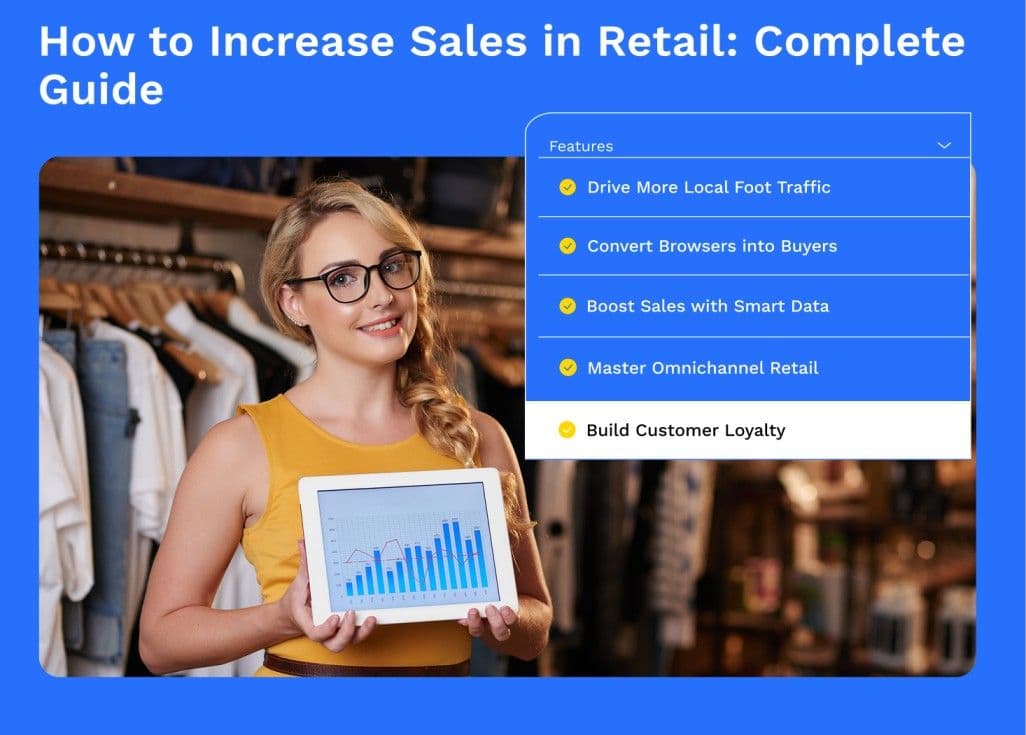
How to Increase Sales in Retail: Complete 2026 Guide
Wed, 14 Aug 2024 10:25:25 GMT
Speak to our Hyperlocal Expert
This post was originally published in Aug 2024 and was updated in May 2026 for accuracy and comprehensiveness.
How to improve retail sales? To increase retail sales, focus on strategies that enhance customer experiences, optimise store layout, and leverage promotions. Using data analytics for personalised marketing and an omnichannel strategy are effective methods.
In 2026, the retail landscape is more dynamic and competitive than ever. The rapid rise of e-commerce, coupled with the lasting effects of the pandemic, has reshaped consumer behaviour and expectations. Retailers are now facing unprecedented challenges, but with those challenges come new growth opportunities. Whether you're a small boutique or a large retail chain, understanding how to increase sales is crucial to thriving in this evolving market.
In this article, we take a look into some of the best-proven effective tips on how to increase sales in retail, helping your business thrive in a competitive market.
What Are Retail Sales?
Retail sales refer to the total revenue generated when consumers purchase finished goods and services from stores, whether physical or online. This is the final step in the supply chain where products reach end customers, not businesses buying in bulk for resale.
1. Durable vs. Non-Durable Goods
Retail sales split into two categories. Durable goods last three years or longer - think appliances, furniture, electronics, cars. Non-durable goods get consumed quickly: groceries, clothing, cosmetics, fuel. Both matter, but tracking them separately reveals different consumer behaviors. During economic uncertainty, durable goods sales drop first since people delay big purchases.
2. Why Retail Sales Matter as Economic Indicators
Governments and economists watch retail sales closely because they reflect consumer confidence and spending power. Strong retail sales signal a healthy economy where people feel secure enough to spend. Weak sales suggest households are tightening budgets, often predicting broader economic slowdowns. In India, retail sales data influences policy decisions and investment strategies.
3. Retail vs. Wholesale: The Key Difference
Retail sells directly to consumers in smaller quantities at higher prices. Wholesale sells bulk quantities to retailers or businesses at lower per-unit costs. A clothing manufacturer selling 500 shirts to a store is wholesale. That store selling individual shirts to shoppers is retail.
4. How Retail Sales Are Measured
Sales in retail are calculated by multiplying units sold by their selling price, then totaling all transactions over a period - daily, monthly, quarterly, or yearly. Modern POS systems track this automatically, providing real-time insights into what's selling, what's not, and which categories drive the most revenue.
Why Retail Sales Are Stagnating or Falling
Understanding why retail sales decline helps businesses address root causes instead of just treating symptoms. Here are the seven biggest culprits hurting retail performance today:
1. E-Commerce Competition Eating Market Share
Online shopping dominates consumer behavior. Customers compare prices across ten websites before visiting your store, often buying from whoever offers free shipping or next-day delivery. Physical retailers without strong online presence lose sales to competitors who offer convenience at every touchpoint.
2. Changing Consumer Behavior and Expectations
Today's shoppers research extensively, read reviews obsessively, and expect personalized experiences. They won't tolerate pushy sales tactics or generic service. A 25-year-old in Bangalore shops differently than a 45-year-old in Delhi, yet many retailers treat all customers identically. This one-size-fits-all approach drives people away.
3. Economic Pressures: Inflation and Recession Fears
When prices rise faster than salaries, households cut discretionary spending first. According to research from Deloitte on retail trends, economic uncertainty significantly impacts consumer purchasing decisions, with shoppers delaying big-ticket purchases and reducing non-essential spending when inflation concerns rise.
4. Poor In-Store Experience Pushing Customers Out
Cluttered aisles, unhelpful staff, long checkout queues, poor lighting, confusing layouts. These frustrations send shoppers straight to online alternatives. If visiting your store feels like a chore rather than an enjoyable experience, don't expect repeat visits.
5. Lack of Omnichannel Integration
Customers browse online, check inventory via your app, then visit the store to buy, except the product isn't actually in stock despite your website claiming it is. This disconnect between channels destroys trust. Modern shoppers expect seamless experiences whether they engage online, via mobile, or in-person.
6. Inadequate Staff Training Costs Sales
Untrained employees who can't answer product questions, don't know current promotions, or provide poor service directly impact revenue. When a customer asks about a product and gets "I don't know," they leave. Knowledgeable, helpful staff increase retail sales; unprepared teams kill them.
7. Inventory Management Failures
Empty shelves lose sales to competitors. Overstocked items tie up cash and require markdowns. Poor inventory management means you're either disappointing customers who want products you don't have, or wasting money on products nobody wants. Real-time inventory visibility solves this, but many retailers still rely on outdated systems.
Addressing these issues systematically is essential to increase retail sales and build sustainable growth in today's competitive market.
How to Increase Sales in Retail: Understanding Your Customers and Market
Sales are a key aspect of generating revenue and driving business growth. To effectively increase sales in retail, it’s necessary to strike a balance between fulfilling customer needs and achieving the company’s mission. Understanding your customers and market is essential to tailor products and services that meet their needs. By analysing customer behaviour and preferences, you can anticipate trends and stay ahead of competitors. Knowing how to improve sales in retail involves identifying opportunities for growth and expansion through market insights. This approach enables you to make informed decisions that resonate with your target audience, ensuring long-term success.
Challenges Retailers Face in Boosting Sales
Boosting retail sales requires navigating several challenges that can significantly impact a retailer’s ability to grow. Below are some of the key obstacles retailers face, along with strategies for how to increase retail sales and how to improve retail sales by addressing these issues:
1. Stiff Competition
Intense market competition can drive prices down, restraining profit margins. Retailers must find innovative ways to differentiate themselves to maintain profitability.
2. Changing Consumer Preferences
Evolving shopping behaviours require retailers to continuously adapt their offerings. Failure to keep up with these changes can result in decreased relevance and sales.
3. Demand Forecasting
Precisely predicting customer demand is challenging due to fluctuating market trends and consumer behaviour. Misjudgments can lead to either overstocking or stockouts, impacting sales and profitability.
4. Inventory Management
Managing inventory to prevent overstock and stockouts is a persistent challenge for retailers. Ineffective inventory control can lead to sales loss or increased holding costs.
5. Technology Utilisation
Retailers often struggle with effectively implementing technology and data analytics. Poor utilisation can hinder efforts to personalise customer experiences and optimise sales strategies.
6. Personalisation
Creating personalised customer experiences can be difficult due to limited data or inadequate tools. Without effective personalisation, retailers may miss opportunities to boost customer engagement and drive sales growth.
By addressing these challenges strategically, retailers can find effective ways to increase retail sales and how to improve retail sales, ultimately driving growth and ensuring long-term success in the competitive retail landscape.
30 Proven Ways to Increase Retail Sales: Complete Strategy Guide
Understanding how to increase retail sales starts with recognizing that customers don't just buy products - they buy experiences, trust, and solutions. This complete guide covers 30 actionable strategies proven to boost retail sales across physical stores and digital channels.
Part 1: Customer Psychology & In-Store Experience
1. Limit Product Options to Prevent Decision Paralysis
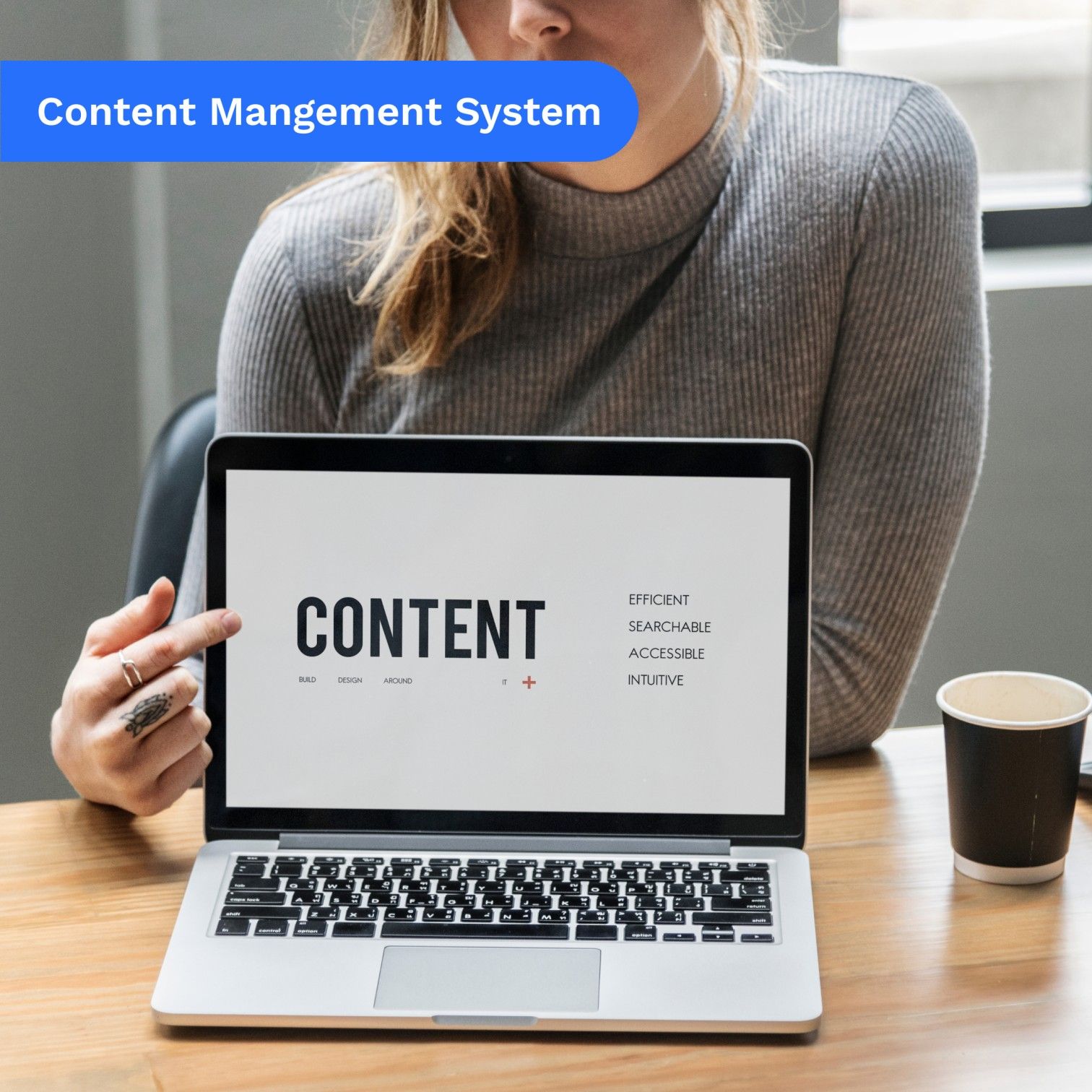
Too many choices overwhelm customers. Research shows that stores offering 6 product variations sell more than those displaying 24 options in the same category. When customers face endless choices, they freeze and buy nothing. Curate your selection carefully - retail sales improve when customers can decide confidently rather than feeling paralyzed by possibilities.
Implementation: Display 3-5 variations per product type. Use your Content Management (CMS) system to rotate featured products weekly rather than showing everything at once.
2. Design Store Layouts That Guide Purchase Decisions
Your floor plan directly impacts how to increase sales in retail. Position high-margin items at eye level, place impulse purchases near checkout, and create clear pathways that naturally lead customers through premium sections. According to research from Deloitte on retail environment impact, strategic store layouts can increase sales by 15-20% without changing inventory.
Use Store Microsite technology to show customers interactive store maps before they visit, helping them locate desired products instantly.
3. Train Staff to Recognize Customer Intent
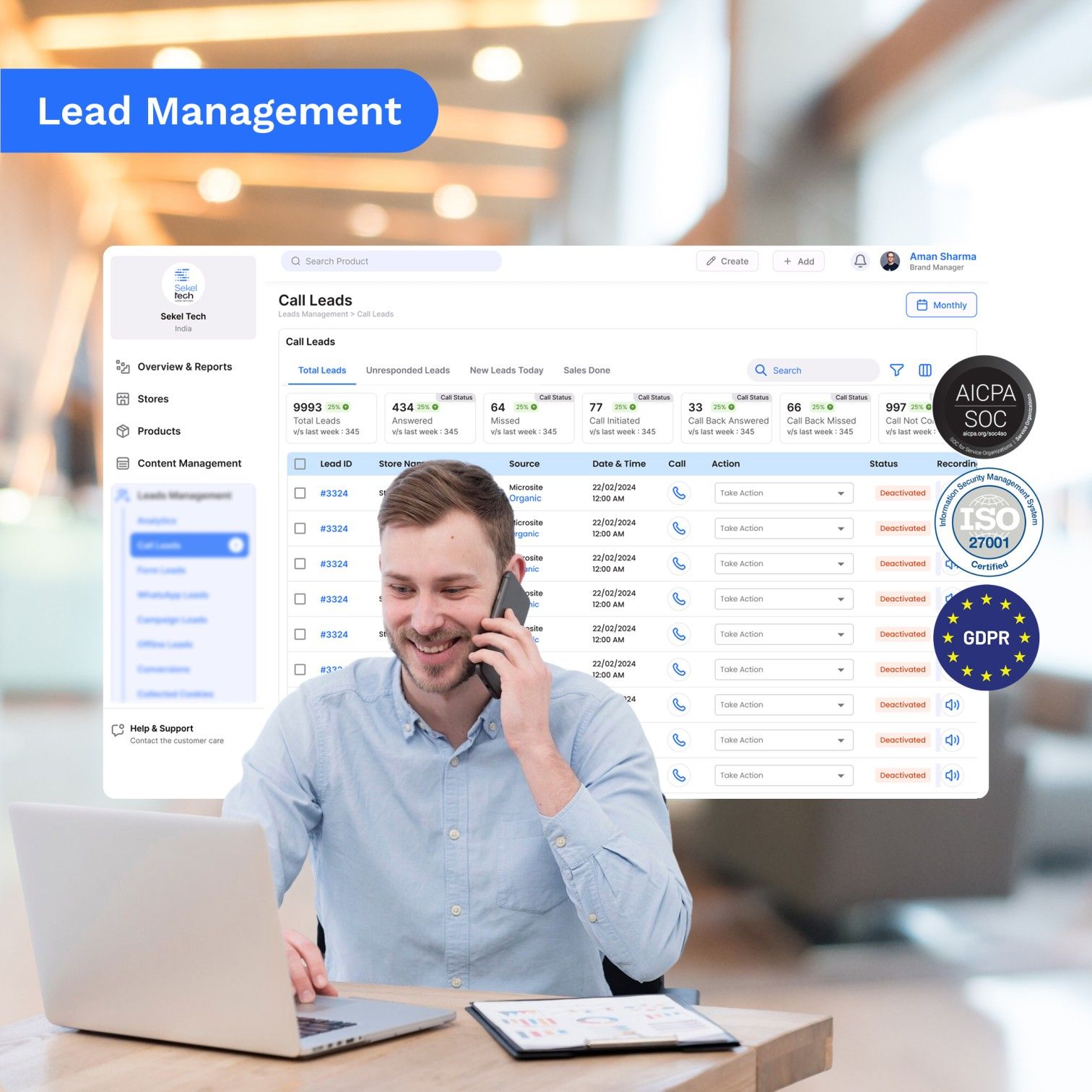
Not all shoppers are equal. Some browse casually (cold leads), others compare specific products (warm leads), and some arrive ready to buy (hot leads). Train your team to identify buying signals and adjust their approach accordingly.
Implement Lead Management systems that track customer interactions across visits. When someone returns after browsing online, staff can reference their previous interest and offer targeted assistance, dramatically improving conversion rates.
4. Leverage Smart EPOS for Personalized Experiences
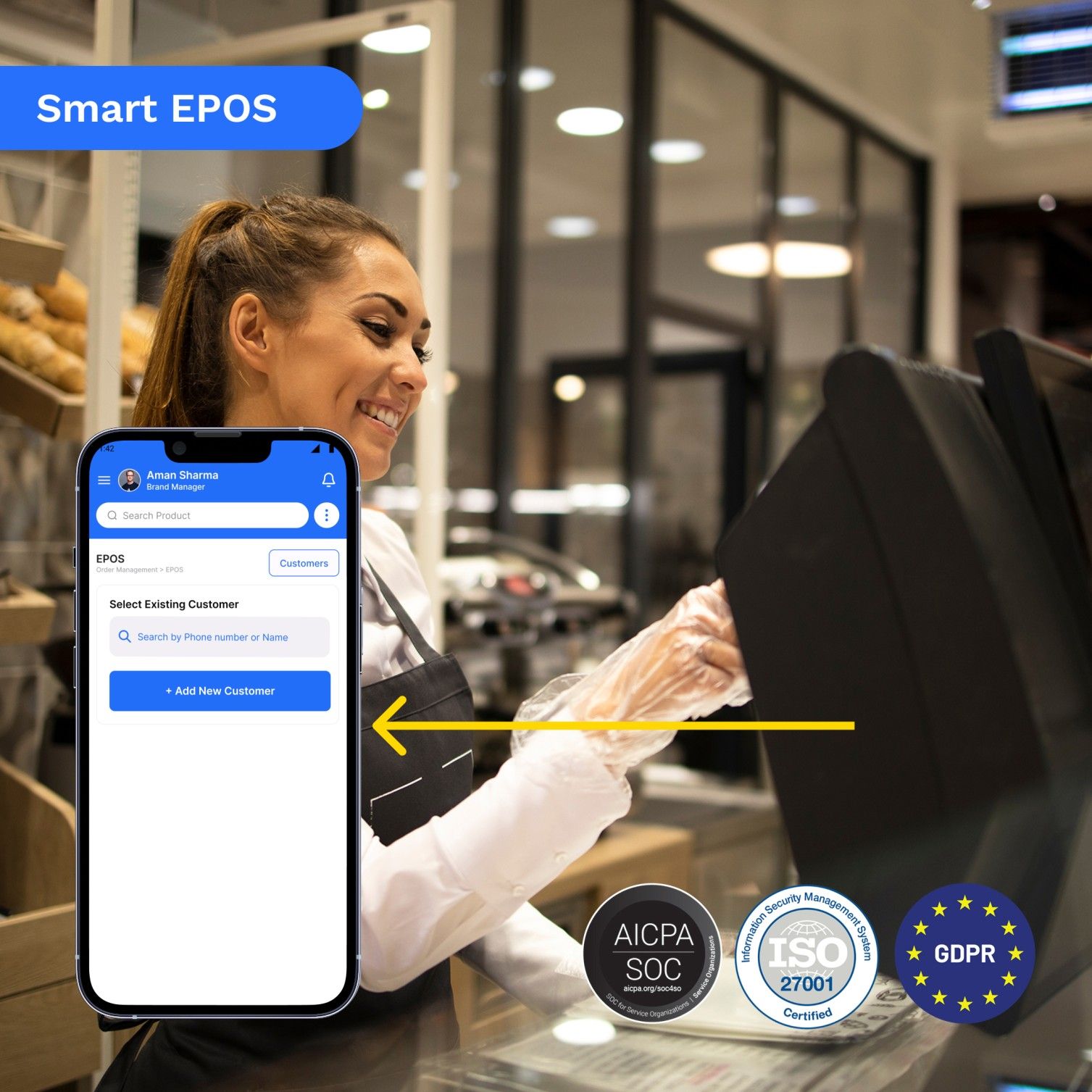
Modern Smart EPOS (Electronic Point of Sale) systems do far more than process transactions. They capture purchase history, identify patterns, and enable staff to make intelligent recommendations. "I see you bought running shoes last month - these moisture-wicking socks are 40% off today" feels helpful, not pushy.
Real-time data from Smart EPOS also prevents stockouts of popular items and identifies slow-movers that need discounting.
5. Create Seamless Checkout Experiences
Long queues kill sales. Every minute customers wait increases abandonment risk. Speed matters more than you think.
Integrate Billing System technology that accepts multiple payment methods (cards, UPI, wallets, BNPL), processes transactions in under 30 seconds, and automatically updates inventory. Fast, frictionless checkout directly improves retail sales by reducing last-minute cart abandonment.
6. Use Scent and Sound Strategically
Background music and ambient scents influence spending behavior unconsciously. Stores playing classical or jazz music are perceived as more upscale, prompting customers to spend more. French music increases French wine sales; German music boosts German wine purchases in the same store.
The smell of fresh coffee in a bookstore, vanilla in clothing boutiques, or citrus in electronics stores creates positive emotional associations that encourage purchases.
7. Offer Surprise Rewards, Not Predictable Discounts
Unexpected rewards trigger stronger positive emotions than scheduled promotions. Random "Spin the Wheel" discounts at checkout create delight. Surprise coupons texted on random days feel special.
Avoid "Every Thursday is 10% off" patterns - they train customers to wait for discounts rather than buying at full price. Surprise works; predictability doesn't.
8. Enable Touch and Try Experiences
Research from Caltech shows customers pay up to 40% more for products they can touch and examine. The tactile experience builds emotional connection and confidence.
Don't lock merchandise behind glass. Let people hold phones, try on jewelry, test tools, or sit on furniture. Physical interaction increases perceived value and purchase intent.
9. Deploy Sekel Agentic AI for Instant Customer Support
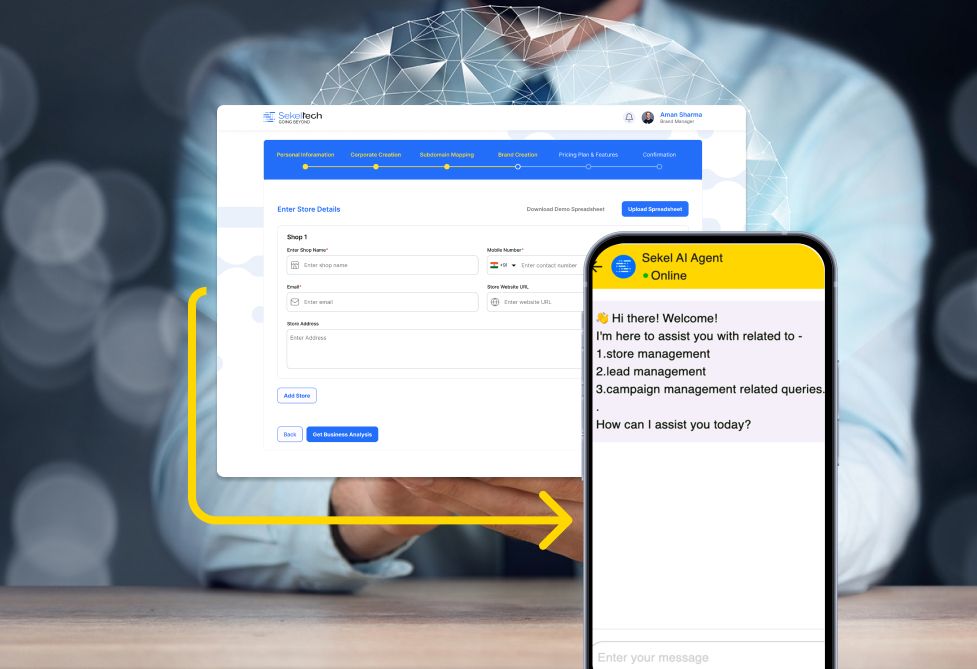
Modern shoppers expect immediate answers. Sekel Agentic AI handles common questions 24/7, qualifies leads automatically, and routes complex queries to human staff. This AI doesn't replace people - it filters routine questions so your team focuses on high-value interactions.
When customers ask "Do you have this in blue?" or "What's your return policy?" At 11 PM, AI responds instantly, preventing lost sales from unanswered questions.
10. Build Emotional Connections Through Nostalgia
Products evoking childhood memories or happy times command premium prices. Studies show nostalgic customers worry less about cost and spend more freely.
Display vintage-style signage, play music from customers' youth (adjust by time of day to match different age groups), and use photography showing families, celebrations, and timeless moments. Emotion sells better than logic.
Part 2: Digital Integration & Omnichannel Excellence
11. Master Listing Management Across All Platforms
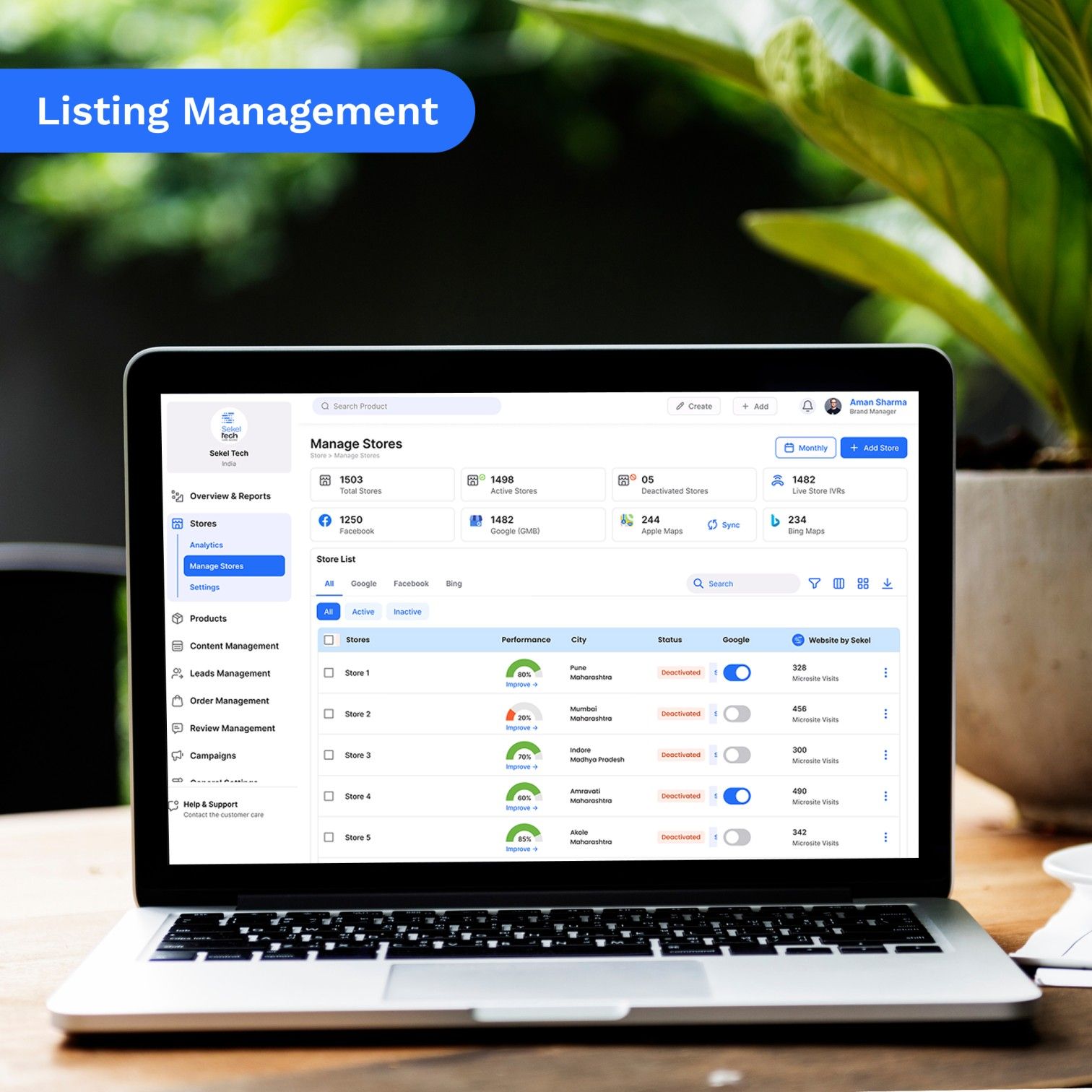
How to improve sales in retail starts with being found. Your business must appear correctly on Google, Apple Maps, Facebook, Instagram, and 50+ other directories simultaneously.
Implement comprehensive Listing Management to ensure your hours, address, phone number, services, and photos stay accurate everywhere. Inconsistent information costs you customers who can't find you or arrive when you're closed.
Understanding how to centralize your business presence is critical for local visibility and consistency across platforms.
12. Optimize Your Google Business Profile Completely
76% of local mobile searches result in store visits within 24 hours. If your GBP (Google Business Profile) isn't optimized, you're invisible when customers search "near me."
Complete every section: business description, categories, attributes, photos, posts, Q&A, booking links. Respond to all reviews within 24 hours. Post updates weekly. Use Listing Management tools to maintain consistency and track performance across locations.
Watch this quick video for a better understanding of GBP Optimization.
13. Implement Store Locator with Real-Time Inventory
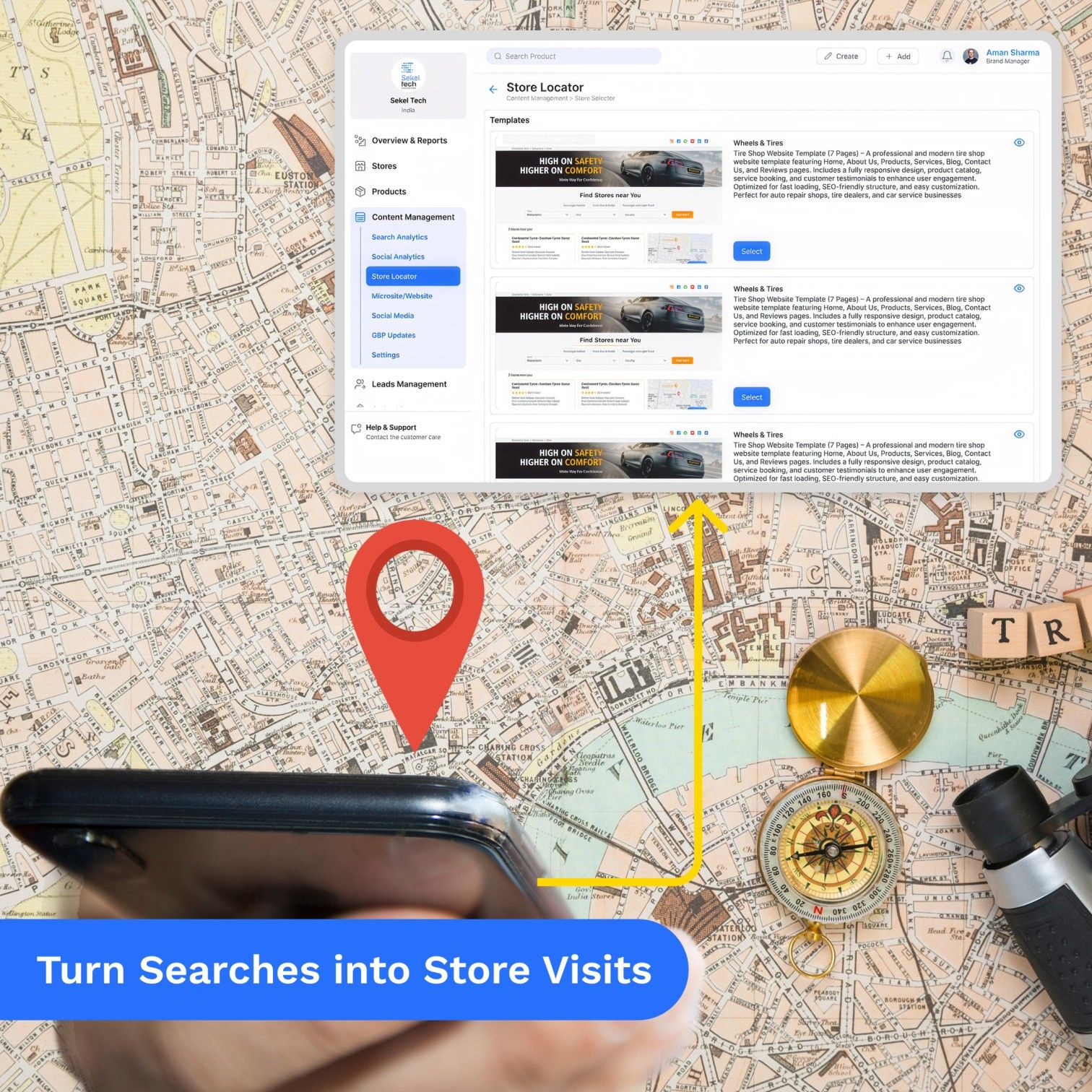
Nothing frustrates customers more than driving to a store for a product that's out of stock. Modern Store Locator technology shows real-time inventory per location, lets customers reserve items online, and provides accurate directions.
Customers checking availability before visiting convert 3x higher than those who arrive hoping you have what they want.
14. Create Store Microsites for Each Location
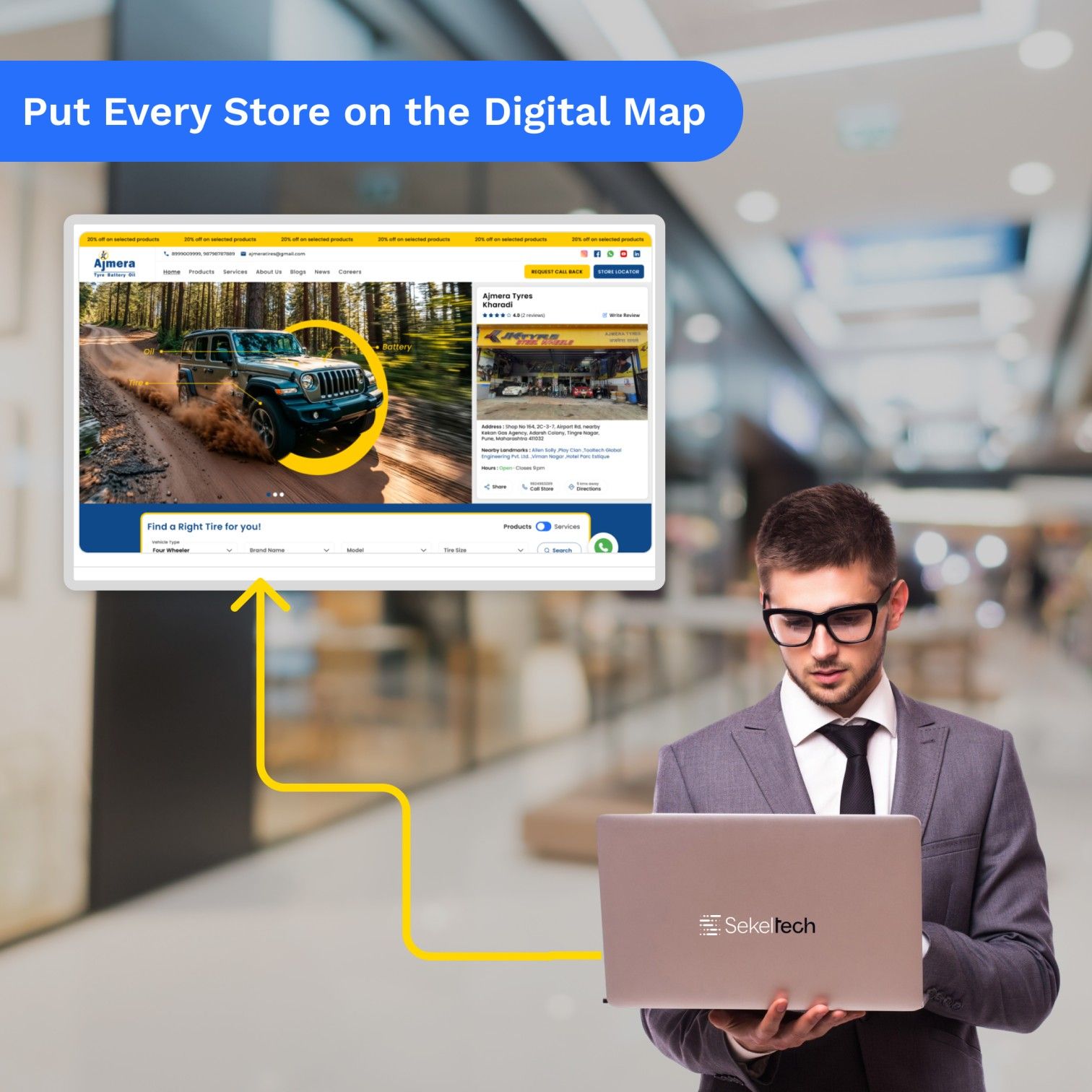
A single corporate website doesn't serve multi-location businesses well. Each store needs its own Microsite featuring local staff bios, neighborhood-specific promotions, community event schedules, and area-relevant content.
Store Microsites rank better in local searches because they target specific geographic keywords. "Best bakery in Koramangala Bangalore" beats "Best bakery in India" for local customers.
15. Unify Customer Data Across All Touchpoints
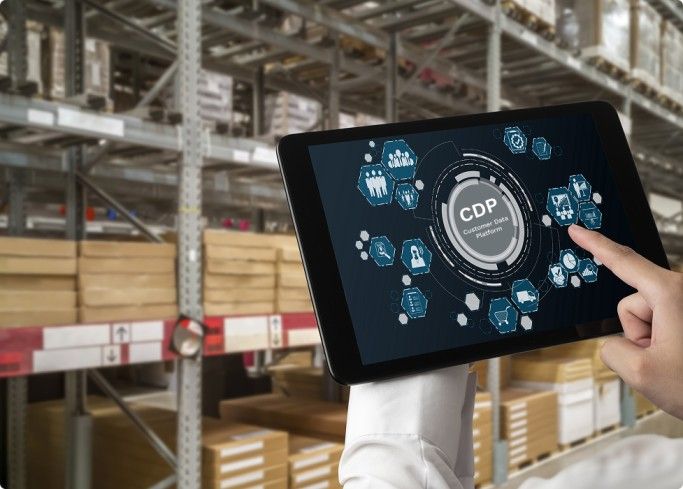
Customers browse online, check Instagram, visit stores, call support, and read reviews. Each interaction generates data. Without integration, you treat returning customers like strangers.
A Customer Data Platform (CDP) unifies every touchpoint into single customer profiles. When someone who browsed online enters your store, staff see their interests and can offer personalized assistance immediately.
16. Automate Order Management Across Channels
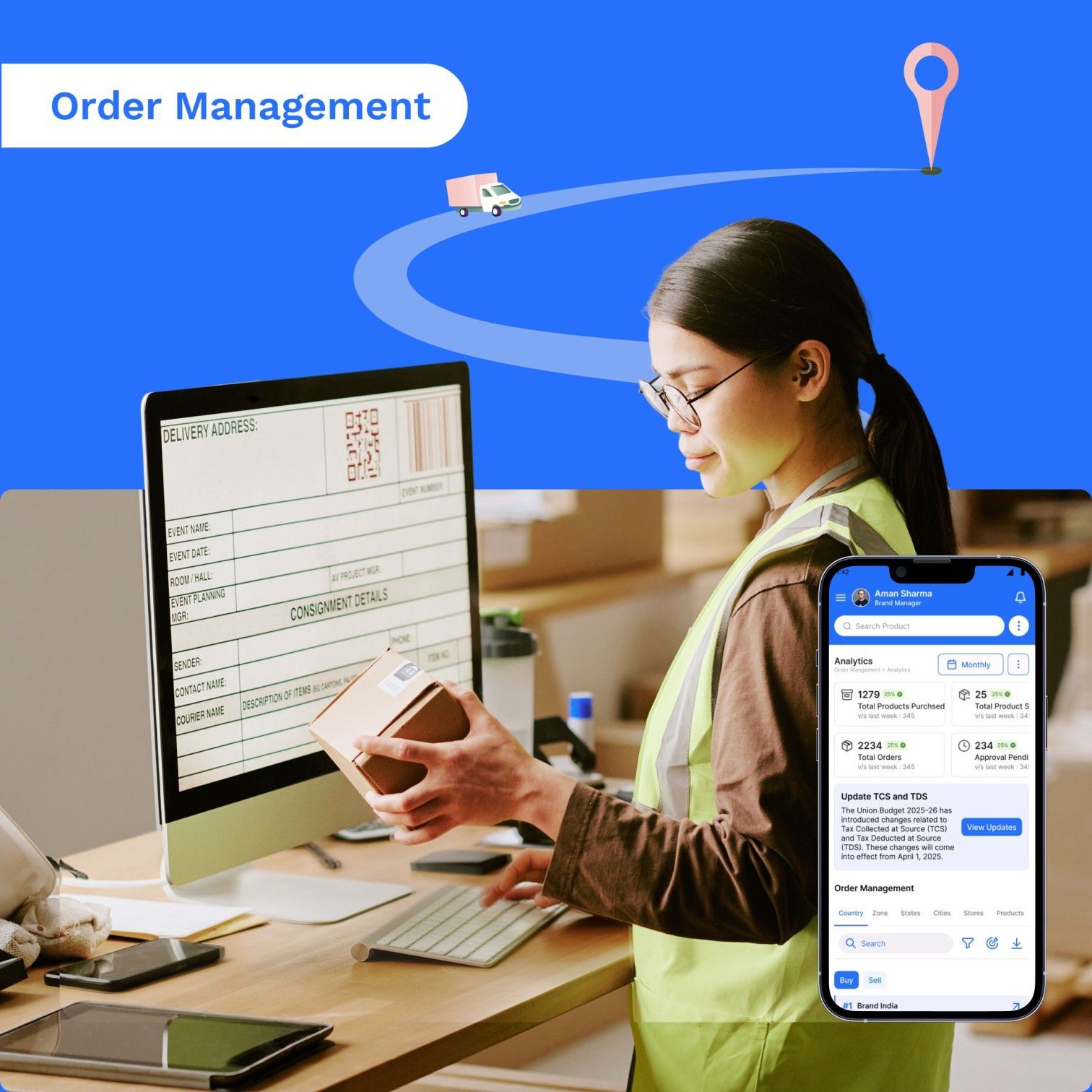
Modern customers buy everywhere: in-store, online, via phone, through social media. Order Management systems track every purchase regardless of channel, manage fulfillment from any location, and provide real-time status updates.
Enable click-and-collect, ship-from-store, and endless aisle capabilities. When your Pune store is out of stock, automatically fulfill from Mumbai. Customers don't care about logistics - they want their product fast.
17. Run Hyperlocal Digital Campaigns
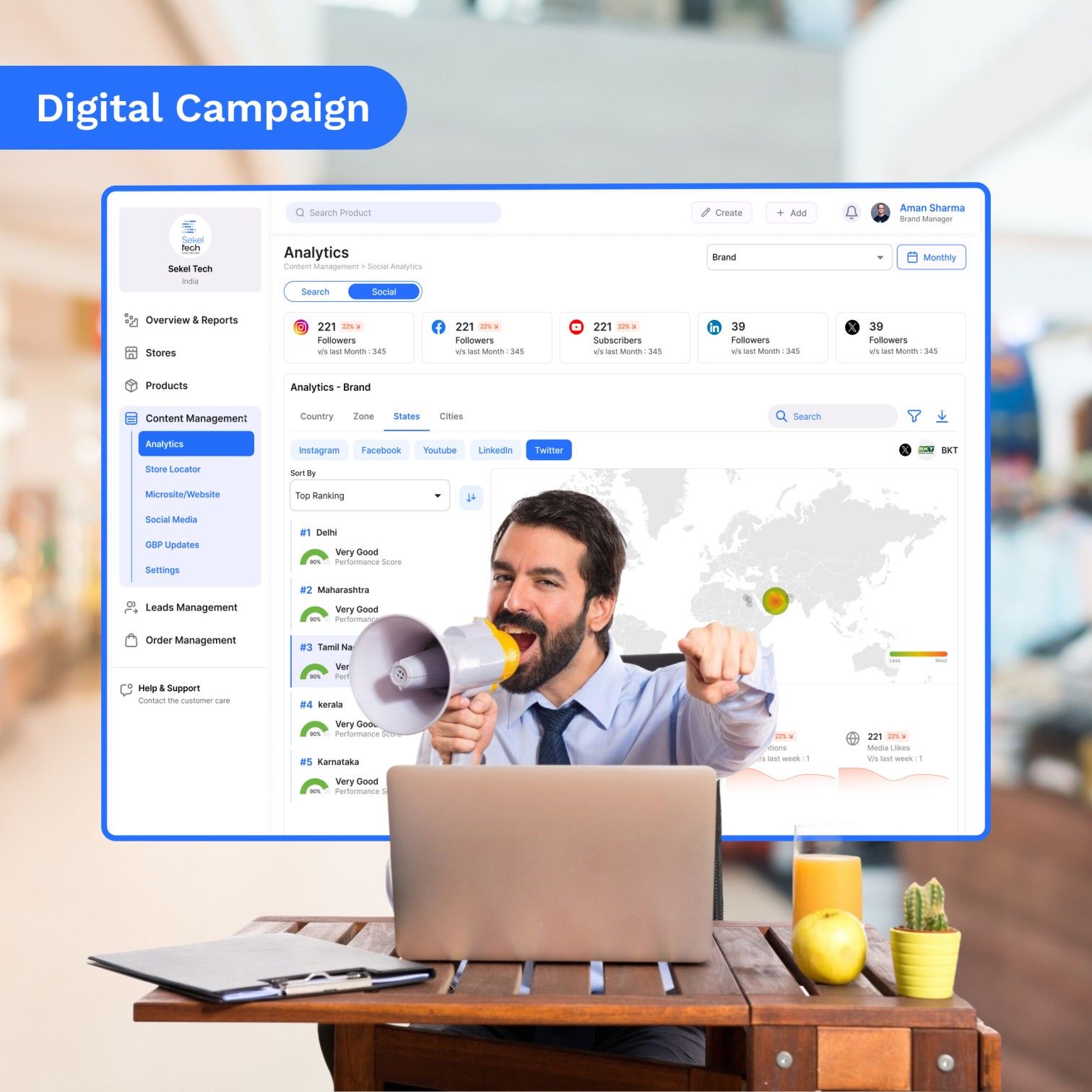
Generic advertising wastes money. Target customers within 1-5 km of your store using Digital Campaign Management with geo-fencing. Promote location-specific offers when people are nearby and likely to visit immediately.
Hyperlocal campaigns cost 40-60% less than broad targeting while converting 3-5x better because you reach customers who can actually visit today.
18. Implement STP Automation for Seamless Operations

STP (Straight-Through Processing) Automation eliminates manual data entry, reduces errors, and speeds up everything from order processing to inventory updates to financial reconciliation.
When orders flow automatically from capture to fulfillment to accounting without human intervention, you serve more customers faster while reducing operational costs.
19. Deploy Sekel AI ChatBot for 24/7 Engagement
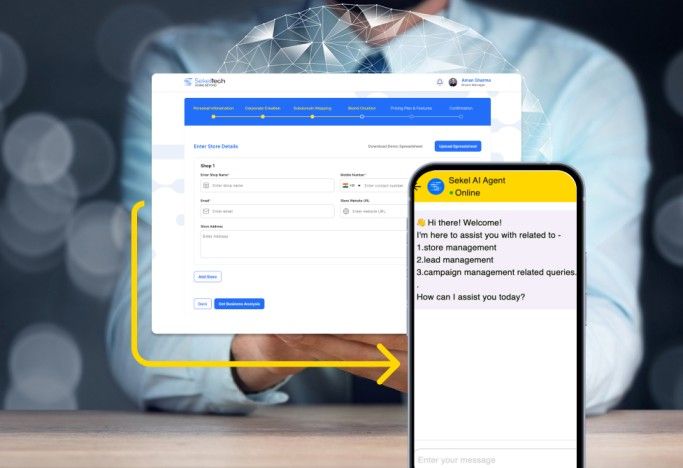
Customers message businesses at midnight asking about product availability, shipping options, or return policies. Sekel AI ChatBot answers instantly, captures lead information, and schedules follow-ups with human staff when needed.
Chatbots don't replace people - they handle repetitive questions so your team focuses on complex sales conversations that actually require human judgment.
20. Track Real-Time Sales Conversion Analytics

You can't improve what you don't measure. Real-Time Sales Conversion Analytics shows which products sell best at what times, which marketing campaigns drive foot traffic, and where customers drop off in the purchase journey.
This data reveals that your Tuesday afternoon traffic converts poorly (maybe staff training is needed) or that Instagram ads outperform Facebook (shift budget accordingly). Make decisions based on data, not guesses.
Part 3: Customer Relationships & Long-Term Growth
21. Build Tiered Loyalty Programs That Actually Motivate
Simple "buy 10, get 1 free" cards are outdated. Modern loyalty programs use tiers (silver, gold, platinum) that make customers feel progressively more valued.
Research shows customers near the next tier spend 2-3x more to reach it. A gold member at 480 points will actively pursue the 500-point platinum threshold, buying products they might otherwise postpone.
Use Customer Data Platform insights to personalize rewards based on actual purchase patterns rather than generic offers everyone receives.
22. Implement Comprehensive Review Management
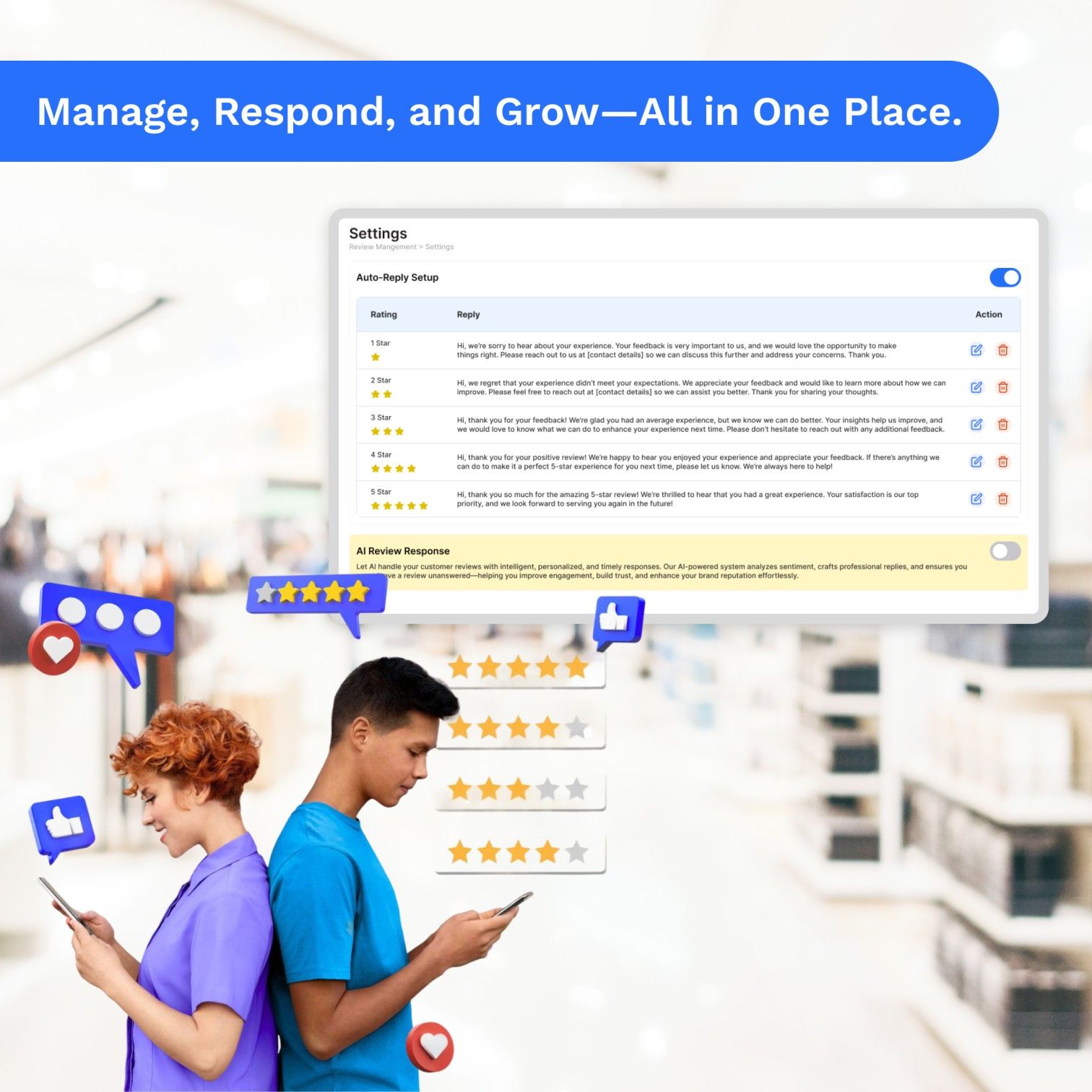
Online reviews directly boost retail sales. Products with 50+ reviews outsell identical products with 5 reviews, even when ratings are similar. Volume matters as much as rating.
Review Management systems monitor mentions across Google, Facebook, specialized review sites, and social media. They alert you to new reviews instantly, enable quick responses, and identify patterns in feedback that require operational changes.
Responding to negative reviews professionally can recover up to 30% of dissatisfied customers who would otherwise never return.
23. Ensure Consent and Compliance Management
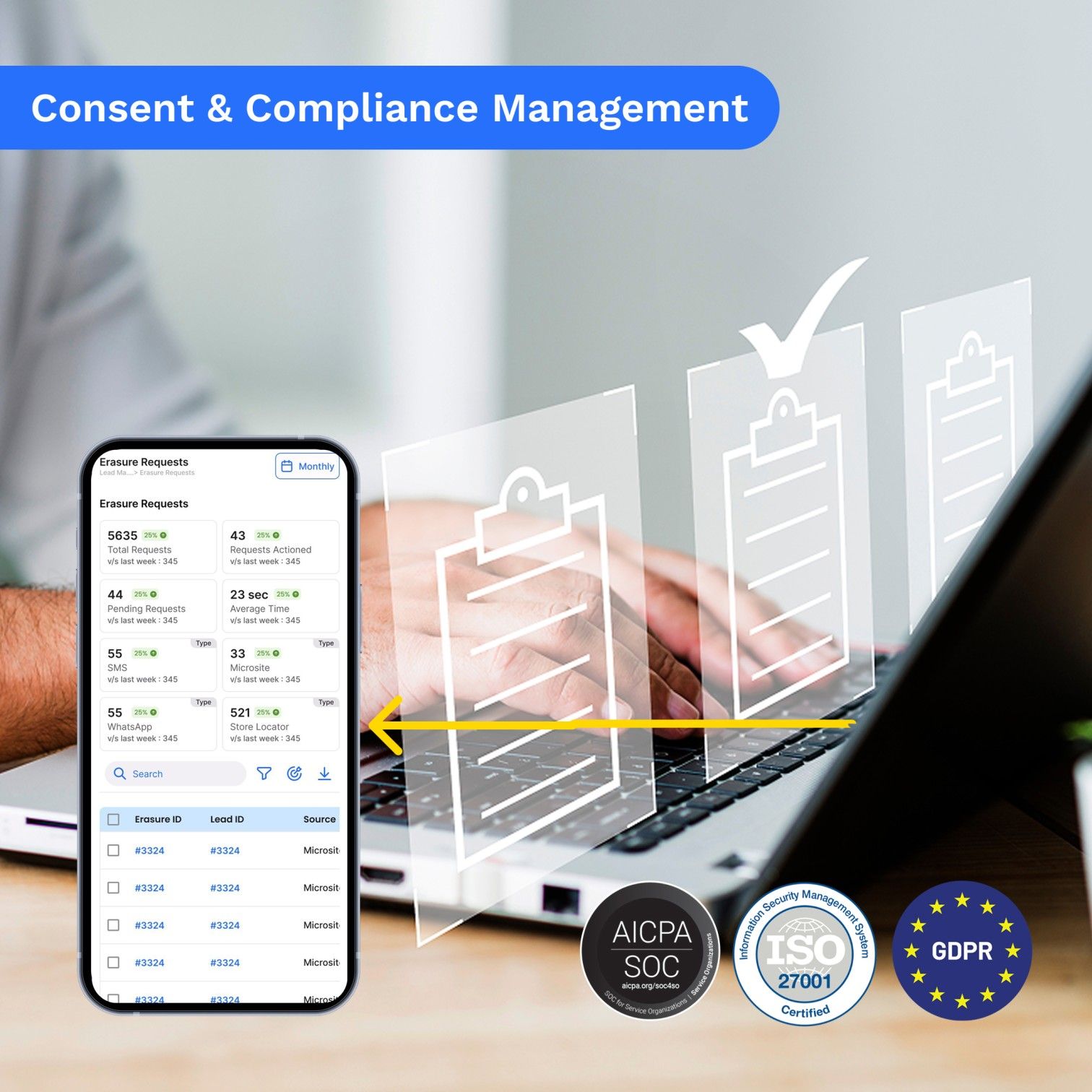
Customers increasingly care about data privacy. Violating regulations like GDPR or India's upcoming data protection laws creates legal liability and destroys trust.
Consent and Compliance Management systems ensure you collect permissions properly, store data securely, honor opt-out requests immediately, and maintain audit trails proving compliance. This protects both customers and your business.
Understand how to navigate data privacy, build trust, and stay compliant while running effective marketing campaigns.
24. Provide Seamless Warranty & Service Management
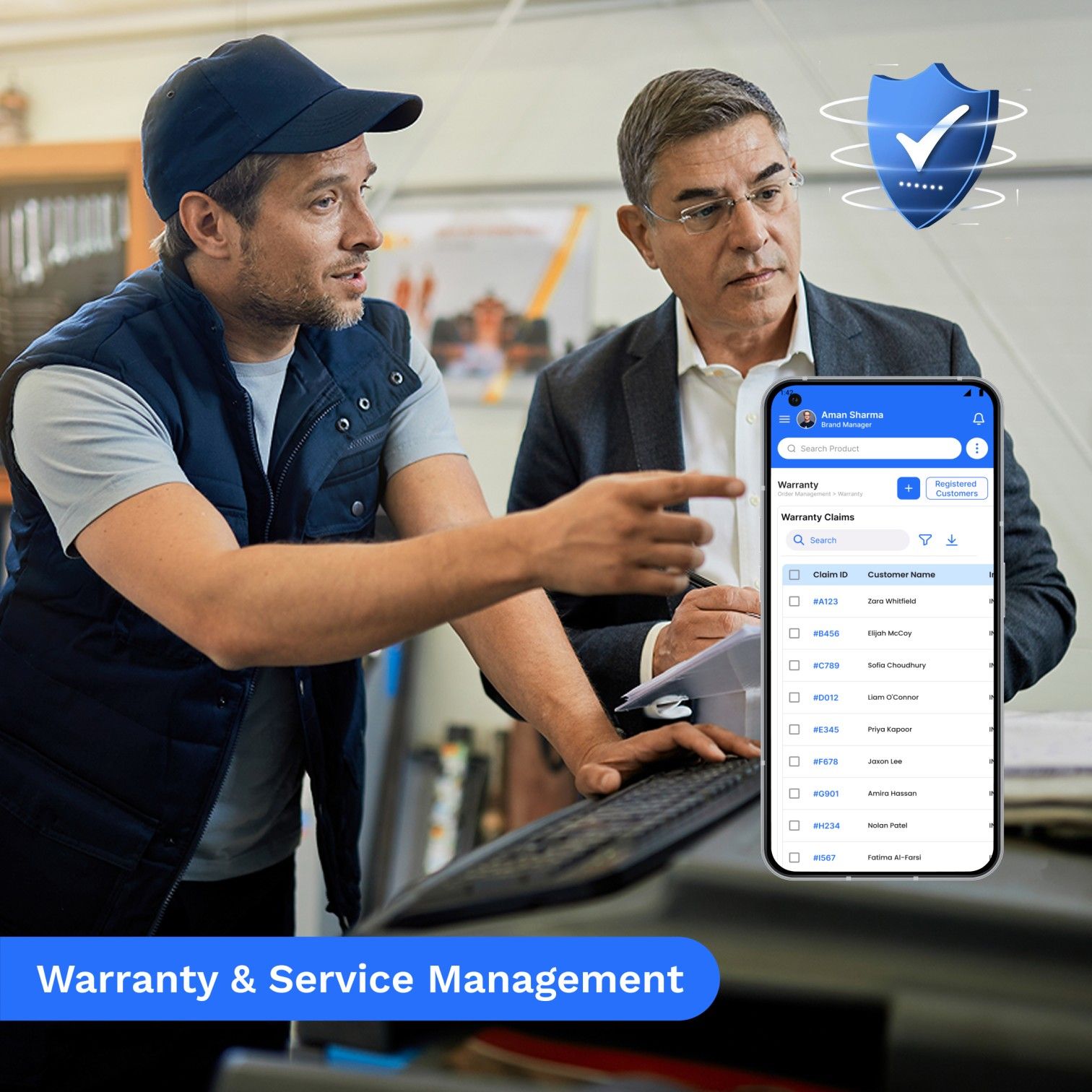
Products don't always work perfectly. How you handle problems determines whether customers return or leave negative reviews warning others away.
Warranty & Service Management systems track purchase dates automatically, process warranty claims efficiently, schedule repairs without friction, and follow up to ensure satisfaction. According to research from McKinsey on customer service impact, excellent post-purchase support increases customer lifetime value by 25-40%.
25. Leverage Customer Relationship Management (CRM) Strategically
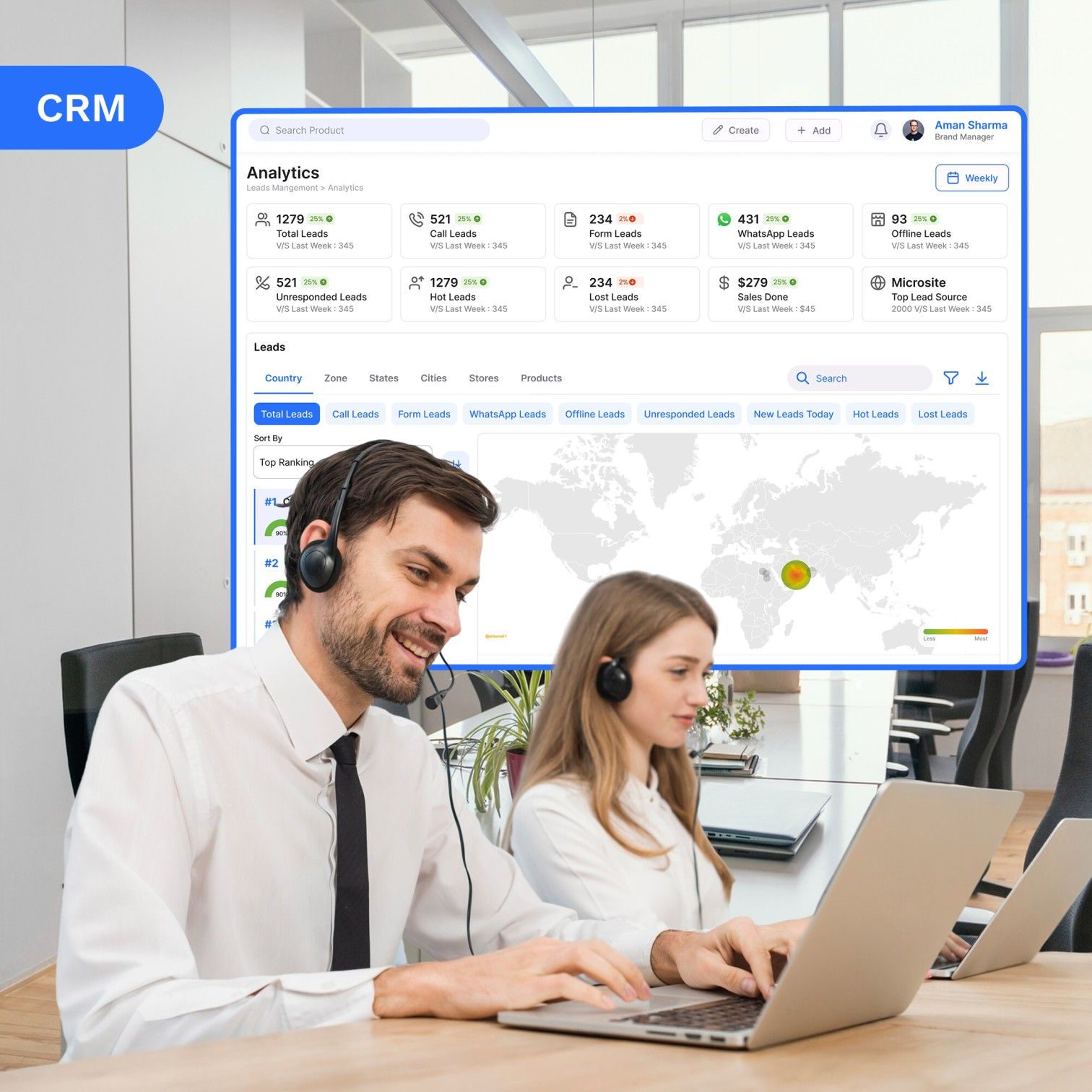
CRM (Customer Relationship Management) isn't just storing contact information-it's understanding customer lifetime value, purchase frequency, preferred communication channels, and satisfaction levels.
Segment customers by value: VIPs get personal attention and exclusive previews. Frequent buyers receive loyalty rewards. At-risk customers (haven't purchased recently) get win-back campaigns. One-size-fits-all doesn't increase retail sales; targeted engagement does.
26. Add Premium Options to Make Mid-Range Products Attractive
Customers avoid both the cheapest and most expensive options. They prefer middle-ground products that feel like smart value.
If you sell coffee makers at ₹2,000, ₹4,000, and ₹15,000, most customers choose the ₹4,000 model - it seems quality without being extravagant. The ₹15,000 option exists to make ₹4,000 feel reasonable, not because you expect many ₹15,000 sales.
27. Give Small Freebies That Trigger Reciprocity
Receiving something free - even inexpensive - makes people want to reciprocate. A restaurant offering mints after meals increases tips by 14%. A clothing store giving branded tote bags increases purchase frequency by 20%.
The gift doesn't need to be expensive. A bookmark at a bookstore, a sample sachet at a cosmetics counter, or a branded pen creates positive associations and encourages return visits.
28. Use Mirroring to Build Rapport Instantly
When customers say "I'm frustrated," respond with "I understand why you're frustrated" rather than "I'm sorry you're upset." Mirroring their exact language creates subconscious connection and trust.
Sales staff who match customers' body language, speaking pace, and vocabulary sell 30-40% more because customers perceive them as "on their side" rather than adversarial.
29. Create Artificial Scarcity to Drive Action
"Maximum 3 per customer" increases sales even when price stays the same. Perceived scarcity makes items seem more valuable.
Announce "Limited stock available" or "Only 5 left at this location" to trigger urgency. People who might postpone purchases buy immediately when they fear missing out.
30. Host In-Store Events That Build Community
Transform your retail space into a community hub. Bookstores hosting author talks, kitchen stores running cooking classes, or fitness stores organizing wellness workshops create emotional connections beyond transactions.
Customers attending events spend 40-60% more than regular shoppers and visit 3x more frequently because they've built relationships with staff and other community members.
The key to successfully increasing retail sales isn't implementing all 30 strategies simultaneously. Start with 5-7 addressing your biggest current bottlenecks, execute them excellently, measure results, then gradually expand as you build capability and momentum.
For further insights into retail success and strategies, check out this article: "78% Indian Retailers Achieved Higher Than Expected International Sales, Says Research" by The Times of India. Read more
Frequently Asked Questions (FAQs) - How to Increase Sales in Retail
1. Why do you need a sales strategy?
A retail sales strategy provides direction, aligns team efforts, and ensures consistent execution. Without a clear strategy, businesses react randomly to problems instead of preventing them. A good strategy identifies target customers, defines value propositions, and outlines how to increase retail sales systematically through measurable actions.
2. How to increase sales in retail?
Increase retail sales by optimizing store layout, training staff effectively, implementing omnichannel strategies, leveraging customer data, creating compelling promotions, and using technology like smart POS systems. Focus on improving customer experience, reducing friction at checkout, and using hyperlocal marketing to drive foot traffic.
3. Which software can help increase sales for your retail business?
Essential retail sales software includes CRM systems for customer management, inventory management tools for stock optimization, POS systems for transaction tracking, analytics platforms for insights, and marketing automation tools. Platforms like Sekel Tech offer integrated solutions covering discovery, lead management, and omnichannel engagement.
4. Why are retail sales stagnating or falling?
Retail sales decline due to e-commerce competition, poor in-store experiences, inadequate staff training, lack of omnichannel integration, and changing consumer expectations. Economic factors like inflation also impact purchasing power. Addressing these through technology, staff development, and customer-centric strategies helps reverse the trend.
5. How to increase eCommerce sales?
Boost eCommerce sales by optimizing website speed, improving product photography, collecting and displaying customer reviews, implementing email marketing, using retargeting ads, and ensuring mobile responsiveness. Integrate online and offline inventory for click-and-collect options to bridge digital and physical retail experiences.
Conclusion - How to Increase Retail Sales
Boosting retail sales in 2026 requires a strategic blend of customer understanding, in-store excellence, and digital innovation. By optimising store layouts, leveraging real-time analytics, personalising customer engagement, and adopting a strong omnichannel approach, retailers can create seamless shopping experiences that drive both revenue and long-term loyalty. At the same time, addressing challenges like inventory management, competition, and evolving customer expectations is essential to stay ahead in a rapidly changing market. To maximise results and simplify operations, businesses can leverage advanced solutions like Sekel Tech’s Hyperlocal Discovery & Omnicommerce Platform, which integrates data-driven insights,
hyperlocal targeting, and online-to-offline experiences to boost visibility, increase foot traffic, and drive higher conversions. By implementing these strategies and adopting the right technology, retailers can unlock new growth opportunities and position themselves for sustained success.
Share


Similar Blogs
Loved this content?
Sign up for our newsletter and get the latest tips & updates directly in your inbox.
There’s more where that came from!
 Connect with us