
Retail Management
Retail Management Importance: Companies Empowering Retail
Tue, 29 Aug 2023 10:35:00 GMT
Speak to our Hyperlocal Expert
Editor’s Note: This post was originally published in Aug 2023 and is updated in Nov 2025 for accuracy and comprehensiveness.
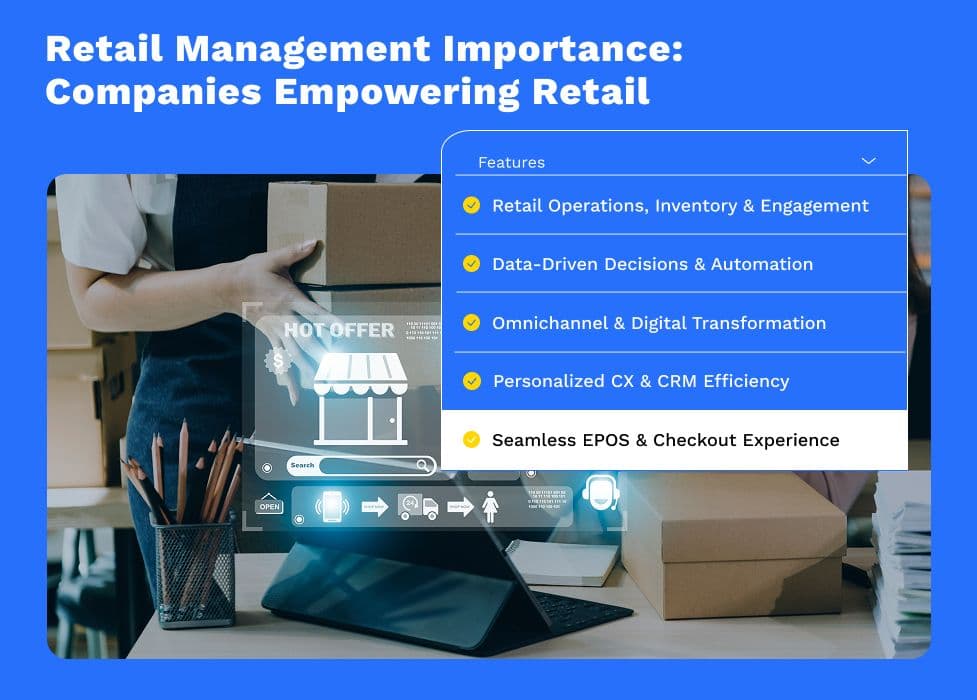
Retail Management Importance encompasses the strategic coordination of various facets such as operations, sales, and customer engagement. This synergy is crucial for a vibrant environment, ensuring seamless daily operations and driving business growth.
In the realm of commerce, the significance of Retail Management Importance cannot be overstated. It encompasses the strategic orchestration of operations, inventory, sales, and customer engagement. This article delves into how retail management companies play a pivotal role in enhancing the retail landscape and fostering business growth.
What Is Retail Management and Why Does It Matter?

Retail management refers to the process of overseeing and controlling the day-to-day operations of a retail business to ensure its smooth functioning and profitability. It encompasses various aspects, including planning, organising, coordinating, and directing activities within a retail store or chain of stores. Retail managers are responsible for managing inventory, sales, staff, customer service, marketing, and financial performance to meet business goals and enhance the overall shopping experience for customers.
Successful retail management involves effective decision-making, strategic planning, and the ability to adapt to changing market trends and consumer preferences. Ultimately, the primary objective of retail management is to maximise sales, optimise operational efficiency, and build strong customer relationships to achieve sustained growth and success in the retail industry.
Read Also - Retail Marketing Management: Best Practices and Case Studies
Retail Management Importance in Today’s Competitive Market
Understanding Retail Management Importance is essential for any business striving to stay competitive. Effective retail management streamlines daily operations, enhances customer experiences, and improves overall sales performance. With the right retail management tools, retailers can make smarter decisions related to pricing, promotions, inventory planning, and product placement. Strong inventory control reduces stock issues, while engaging visual merchandising drives customer interest. Leading retail management companies also help businesses adapt to trends, improve staff productivity, and maintain consistent service quality. Recognising true Retail Management Importance enables brands to build loyalty, strengthen their presence, and achieve sustainable growth in a fast-changing retail environment.
Watch this quick video to understand how retail management companies empower modern retailers and improve overall business performance. "Retail Management Importance: Companies Empowering Retail"
Key Features Highlighting Retail Management Importance

Retail management encompasses various features that ensure efficient store operations, customer satisfaction, and business growth. These elements highlight the overall Retail Management Importance and how the right retail management tools and support from retail management companies can streamline processes.
- Inventory Management: Efficient tracking and control of merchandise to prevent stockouts and overstocking.
- Point of Sale (POS) System: Streamlined sales transactions, accurate pricing, and payment processing.
- Customer Relationship Management (CRM): Strategies to engage, retain, and understand customer preferences for personalised experiences.
- Visual Merchandising: Attractive store layout, product displays, and signage to entice customers and boost sales.
- Staff Management: Hiring, training, scheduling, and performance monitoring to ensure a skilled and motivated workforce.
- Marketing and Promotions: Creating effective hyperlocal digital campaigns, discounts, and loyalty programs to attract and retain customers.
- Supply Chain Management: Optimising procurement, distribution, and logistics to maintain product availability.
- Data Analytics: Utilising data to make informed decisions, understand trends, and enhance overall performance.
- Store Operations: Efficiently managing daily activities, cleanliness, security, and customer service.
- Omni-channel Integration: Seamlessly blending in-store and online experiences to cater to diverse customer preferences.
Common Challenges Faced by Retail Management Companies
Effective retail management is crucial for business success, but retailers face several challenges that require innovative solutions. Below are some of the most common hurdles and how retail management companies help businesses overcome them.
1. Inventory Management Complexities
Managing stock levels efficiently is one of the biggest challenges in retail. Overstocking leads to increased costs, while understocking results in lost sales and dissatisfied customers. Using advanced retail management tools, such as AI-driven demand forecasting and real-time tracking, can streamline inventory processes.
2. Enhancing Customer Experience & Personalization
With rising customer expectations, retailers must offer personalized experiences to retain loyalty. Implementing retail management software that collects customer data and offers tailored recommendations improves engagement. Retail management companies provide solutions for better customer insights and automated personalization.
3. Workforce Management & Training
Hiring, training, and retaining skilled employees is a significant challenge. Proper retail management tools help businesses schedule staff efficiently, monitor performance, and provide ongoing training programs. Retail management importance lies in ensuring a well-trained workforce to improve store operations.
4. Adapting to Digital Transformation & Omnichannel Retailing
With the growth of e-commerce, retailers need to integrate online and offline shopping experiences. Many retail management companies offer omnichannel solutions that help businesses synchronize physical stores, websites, and mobile apps for a seamless customer journey.
5. Managing Supply Chain & Logistics
Retailers must deal with supplier delays, fluctuating demand, and shipping costs. Advanced retail management tools such as AI-based logistics platforms optimize supply chain efficiency. Partnering with a retail management company ensures smooth coordination across all supply chain touchpoints.
By leveraging the right retail management tools and partnering with leading retail management companies, businesses can effectively tackle these challenges and drive sustainable growth.
Read Also - Top Retail Management Systems, Softwares & Services in 2025
Essential Retail Management Tools & Technologies
The right retail management tools are key to streamlining operations, enhancing customer experience, and driving sales. These technologies highlight the retail management importance in today’s competitive landscape.
1. POS Systems - Efficient Transactions
Modern POS systems go beyond processing payments—they integrate inventory tracking, sales reporting, and customer insights. With multiple payment options and real-time analytics, they improve efficiency and customer satisfaction.
2. Inventory Management Software - Smart Stock Control
Effective stock management prevents overstocking and shortages. AI-driven inventory management tools automate tracking, forecast demand, and optimize restocking, reducing waste and costs.
3. CRM Systems - Enhancing Customer Relationships
A CRM system helps retailers track customer interactions, personalize marketing, and boost loyalty. Understanding consumer behavior strengthens relationships and increases retention.
4. Retail Analytics & AI - Data-Driven Growth
AI-powered retail analytics tools provide insights into sales trends, customer preferences, and pricing strategies. Data-driven decisions enhance profitability and customer experience.
5. Omnichannel Solutions - Seamless Shopping Experience
Retail success requires integrating online and offline channels. Omnichannel retail solutions synchronize inventory and customer data, ensuring a consistent shopping experience.
6. Workforce Management Solutions - Optimized Efficiency
Automated workforce management tools simplify scheduling, track performance, and improve staff productivity, reducing labor costs and enhancing service quality.
Adopting these retail management tools helps businesses stay competitive, boost efficiency, and enhance the overall shopping experience. The retail management importance lies in leveraging the right technologies for long-term success.
15 Best Retail Management Companies Empowering Businesses
The retail industry is evolving rapidly, and businesses need retail management companies that provide cutting-edge retail management tools to streamline operations, enhance customer experience, and drive sales. Here are some of the leading companies empowering modern retail businesses:
Before diving in, Watch this quick video for a better understanding. "Top Retail Management Systems, Softwares & Services in 2023"
1. Retail Management Company - Sekel Tech
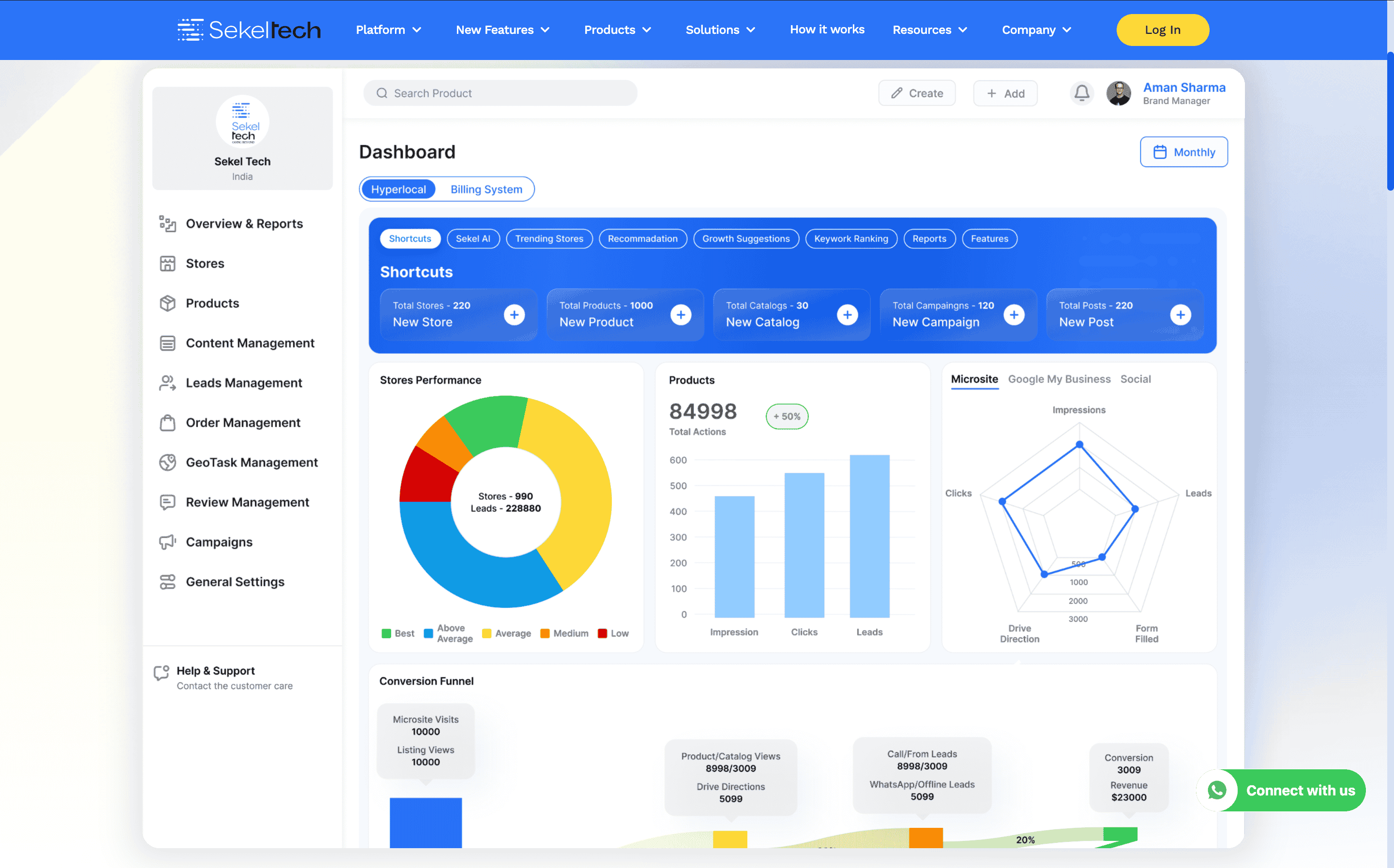
Sekel Tech is revolutionizing retail with its hyperlocal discovery and omnichannel commerce platform. It helps businesses optimize their retail management importance by bridging the gap between online discovery and offline purchases. Sekel Tech offers AI-driven insights, geofenced ads, and real-time inventory tracking, enabling brands to enhance customer engagement and drive sales.
You can also read the MediaBrief interview with Sekel Tech’s Rakesh Raghuvanshi for more industry insights.
2. Retail Management Company - NetSuite
NetSuite stands as an exemplar of comprehensive retail management tools. Its repertoire spans a user-centric point-of-sale (POS) system fostering seamless transactions, resilient inventory management for optimal stock governance, and a customer relationship management (CRM) suite nurturing meaningful interactions and brand loyalty.
3. Retail Management Company - Rain POS
Rain POS garners admiration for its intuitive retail management tools. It equips retailers with an accessible POS system catalysing streamlined sales processing. The robust inventory management tools empower vigilant stock level monitoring and streamlined ordering. Rain POS further accentuates the retail journey through efficient customer data management and loyalty program facilitation.
4. Retail Management Company - Celerant Technology (Stratus Retail)
Celerant Technology, a trailblazer in modern retail, furnishes an array of tailored retail management tools. Its sophisticated POS solutions expedite secure sales transactions. A meticulous inventory management apparatus fine-tunes stock control, while the fluid order management mechanism optimises fulfilment dynamics.
5. Retail Management Company - Sage (Brightpearl)
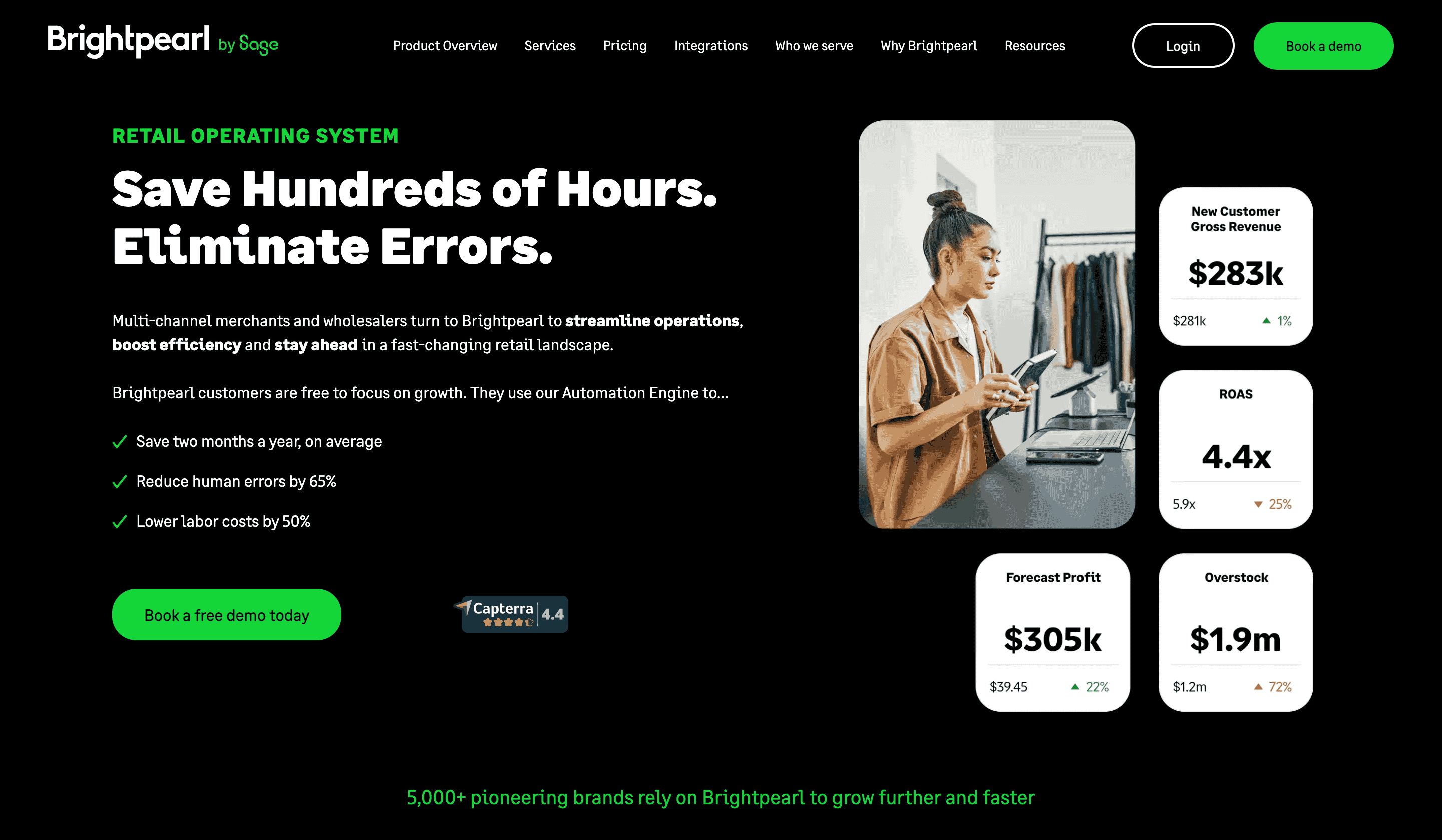
Sage's Brightpearl heralds a multi-dimensional approach to retail management tools. Dynamic POS functionalities empower frictionless in-store transactions. A holistic inventory control regime orchestrates stock optimization. The CRM capabilities kindle profound customer engagements, and automated workflows amplify operational finesse.
6. Retail Management Company - Fishbowl
Fishbowl emerges as a beacon of supply chain automation in retail management tools, extending its reach to nurture smaller retailers. Its inventory management prowess champions precision, bestowing meticulous tracking and dynamic stock control. Efficacious tools for order fulfilment and shipping fortify retail pathways.
7. Retail Management Company - Lightspeed Retail
Lightspeed Retail proudly presents a comprehensive POS system forging unity between in-store and online domains. Intricate inventory management tools fine-tune stock equilibrium. Integrated e-commerce solutions perpetuate a seamless shopping odyssey.
8. Retail Management Company - iVend Retail
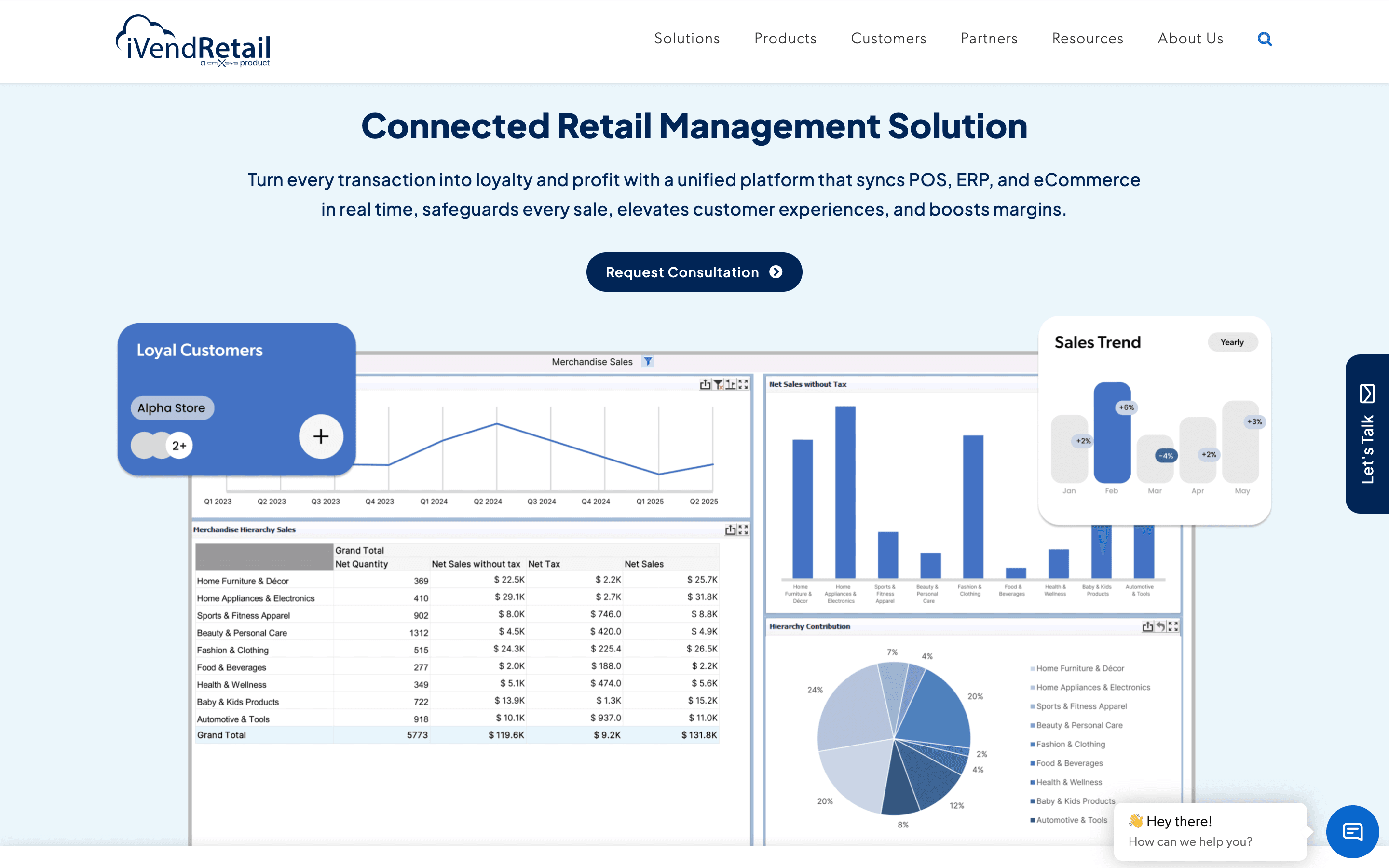
iVend Retail offers a unified platform for in-store and online retail operations. With advanced POS, real-time inventory, omnichannel order management, and CRM integration, it helps retailers streamline operations, maintain stock accuracy, and deliver personalized customer experiences. iVend highlights the Retail Management Importance by enabling efficiency, consistency, and smarter decision-making across all retail touchpoints.
9. Retail Management Company - Salesforce Commerce Cloud
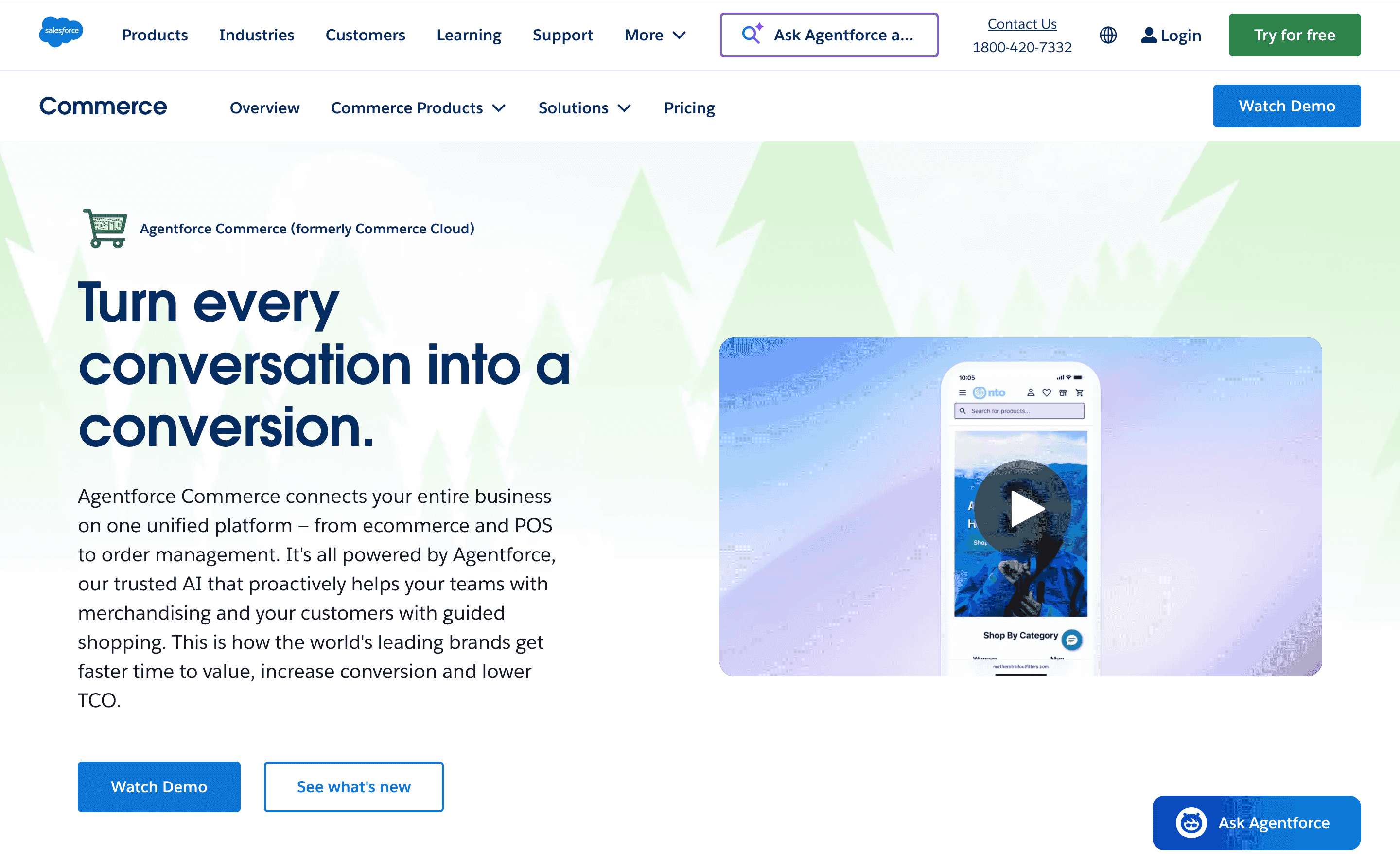
Salesforce Commerce Cloud provides an integrated retail management system, offering personalized customer experiences across digital and physical channels. With its AI-powered CRM, predictive analytics, and automation, retailers can improve customer interactions and streamline inventory management.
10. Retail Management Company - Shopify Plus
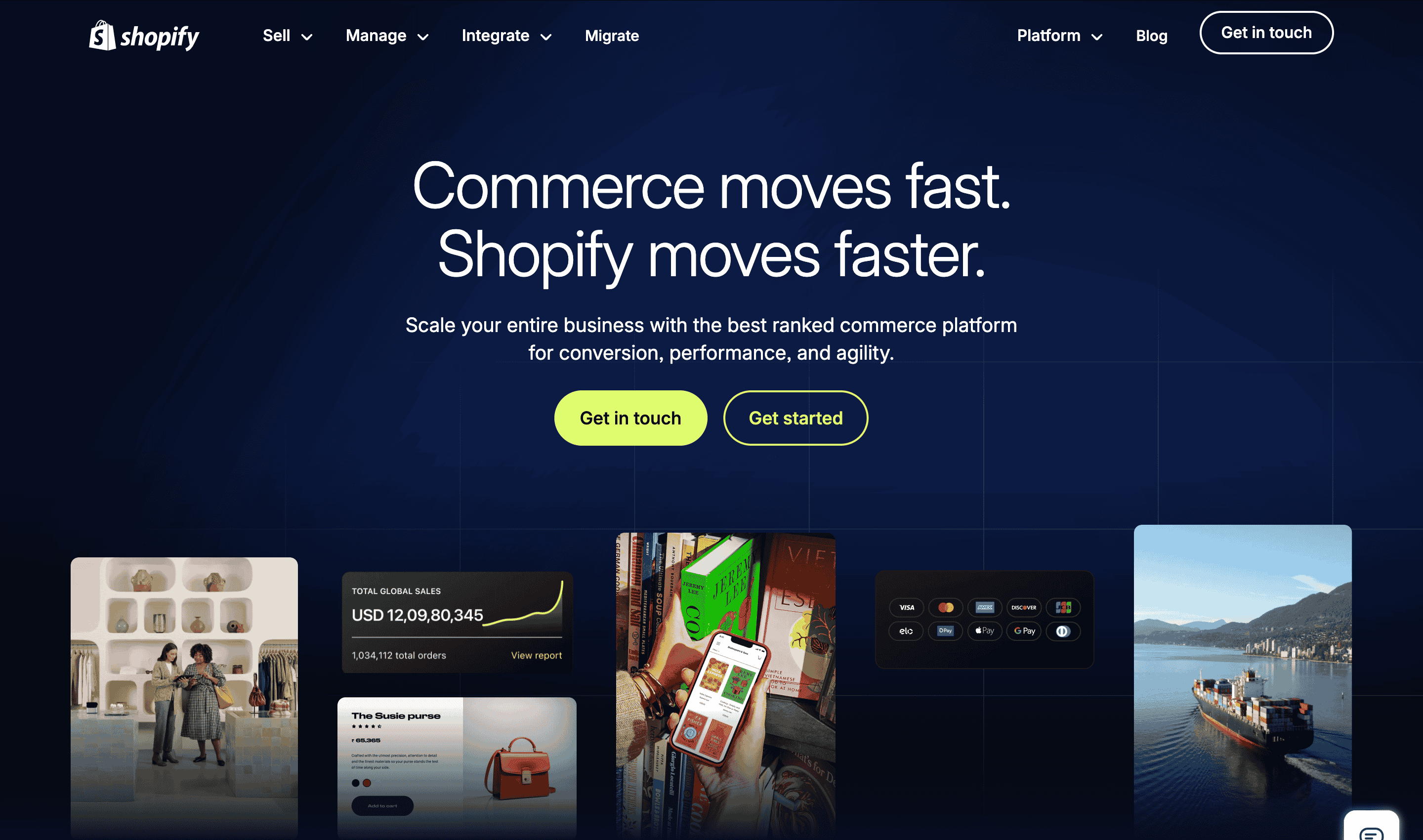
A go-to solution for enterprise eCommerce, Shopify Plus offers multi-channel selling, automated workflows, and AI-driven insights. It enables retailers to manage online stores, brick-and-mortar locations, and social commerce under one platform, simplifying operations.
11. Retail Management Company - Square for Retail
Square for Retail is known for its simple yet powerful retail management tools built for small and mid-sized businesses. It offers an easy-to-use POS system, real-time inventory tracking, staff management, and digital receipts. Its omnichannel support helps retailers deliver smoother customer experiences, strengthening overall Retail Management Importance for everyday operations.
12. Retail Management Company - Zoho Commerce
Zoho Commerce provides an all-in-one platform for managing online and offline retail operations. Its toolkit includes order management, CRM, automated workflows, and inventory controls. As one of the more flexible retail management companies, Zoho helps retailers personalize shopping experiences while improving efficiency through data-driven insights.
13. Retail Management Company - Oracle Retail
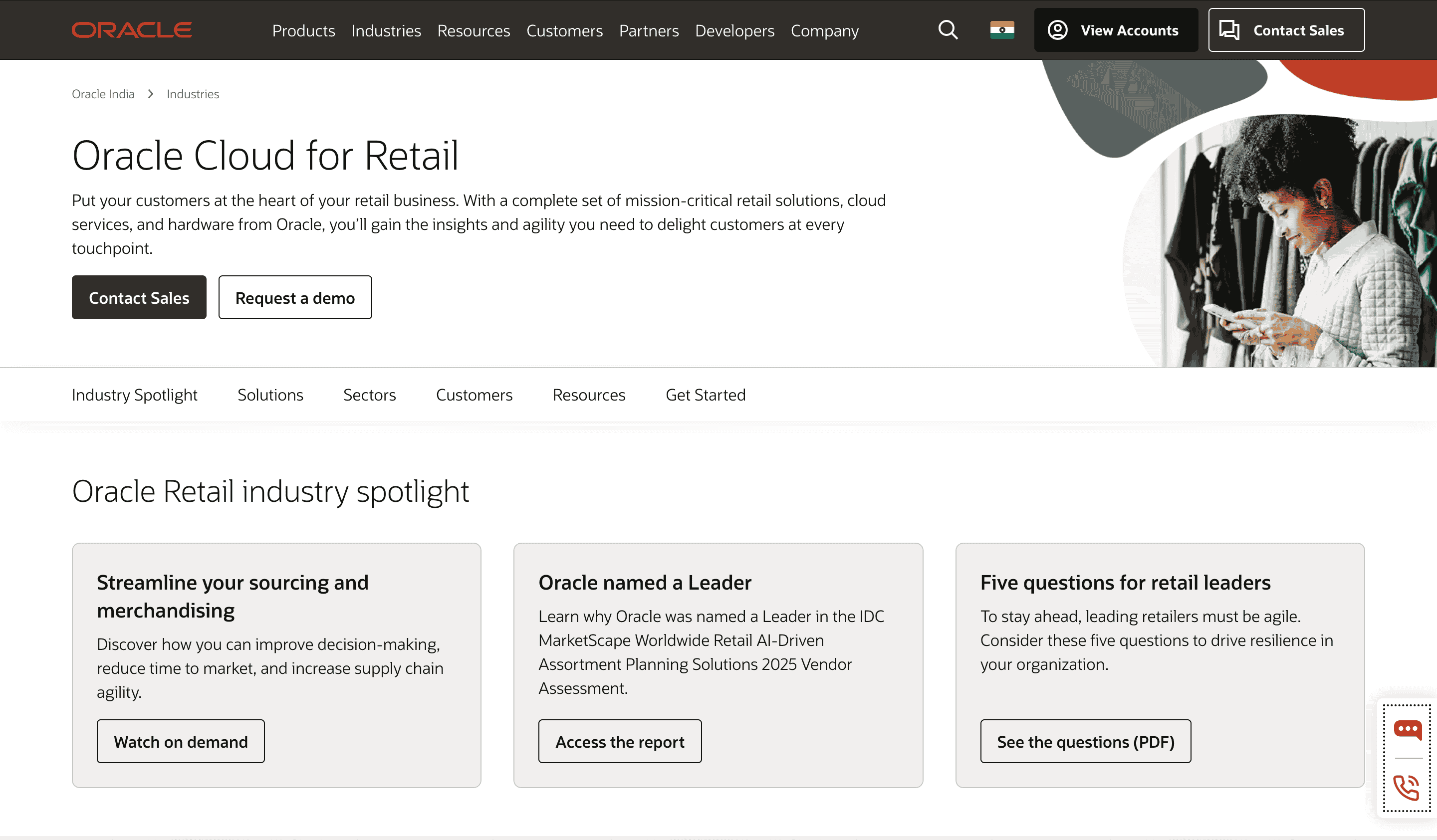
Oracle Retail offers enterprise-grade solutions that support large and multi-location retail brands. Its platform includes advanced forecasting, merchandise planning, performance analytics, and pricing optimization. By helping businesses make smarter decisions, Oracle strengthens Retail Management Importance across strategy, operations, and customer engagement.
14. Retail Management Company - Retail Pro
Retail Pro stands out among retail management companies thanks to its deeply customizable platform and global reach. Their advanced retail management tools include tailored POS systems, inventory tracking, CRM integration, and multi-location operations. By helping brands unify data, streamline operations, and adapt to regional requirements, Retail Pro strengthens the core Retail Management Importance for modern retailers.
15. Retail Management Company Trax Retail
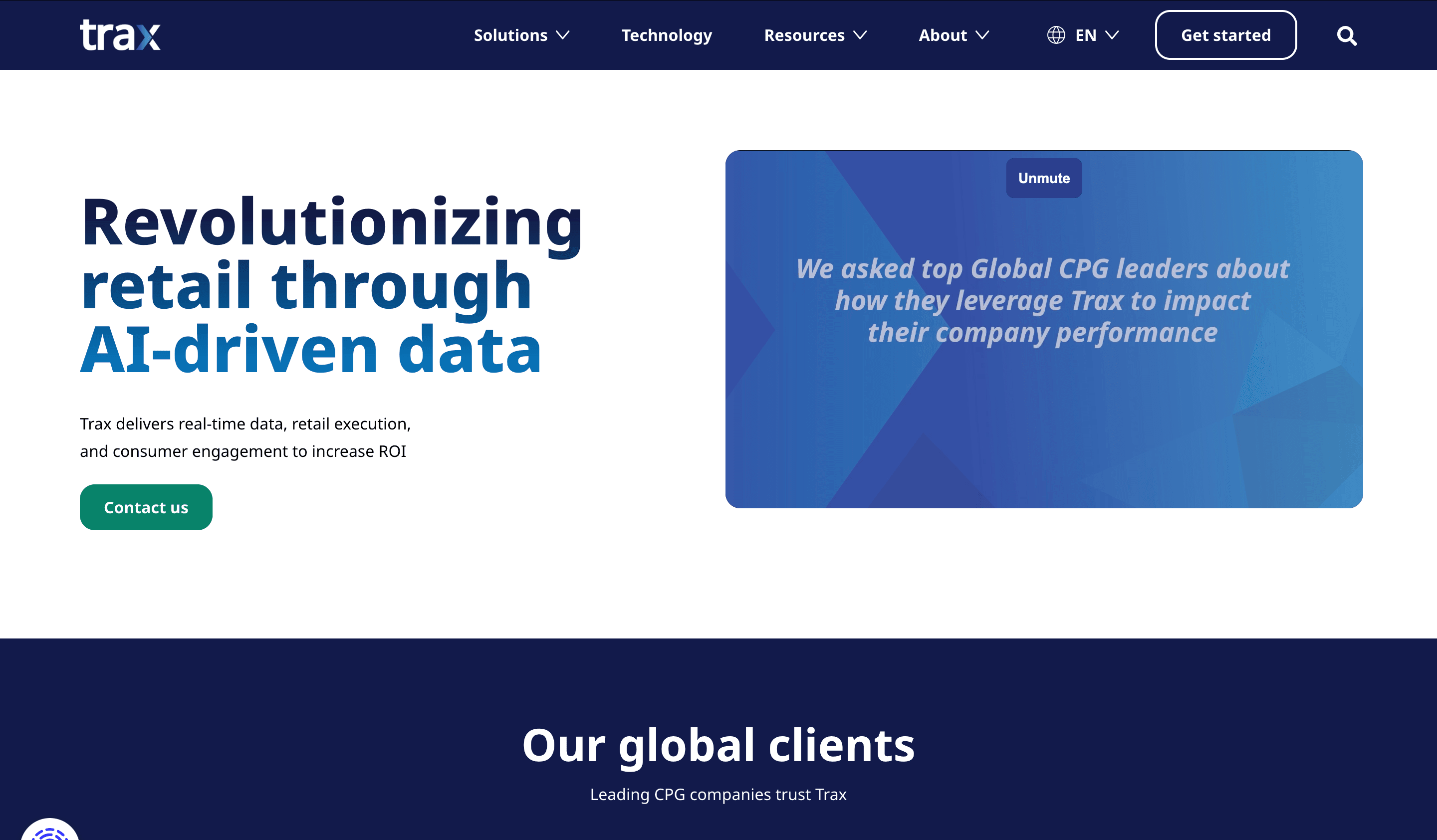
Trax Retail is an AI-powered retail management company known for its image-recognition technology and real-time shelf analytics. Its advanced retail management tools help brands improve product visibility, optimize store execution, and enhance customer engagement. Trax strengthens Retail Management Importance by enabling data-driven decisions across physical retail environments.
These leading retail management companies help businesses stay competitive by improving operations and customer experience. By choosing solutions that fit their needs, retailers can work more efficiently, strengthen customer relationships, and drive sustainable growth. Understanding Retail Management Importance enables businesses to make smarter decisions in a fast-evolving market.
How to Choose the Right Retail Management Company
Selecting the right retail management company is crucial for optimizing store operations and ensuring long-term success. With numerous retail management tools available, businesses must carefully assess their needs before making a decision. Here’s how to choose the best fit:
1. Identify Your Business Needs
Understanding your retail scale small, mid, or large is the first step. Small businesses may need Smart ePOS systems and inventory tracking, while larger enterprises require comprehensive omnichannel solutions with AI-driven insights and supply chain management.
2. Evaluate Software Capabilities & Integrations
The ideal retail management company should offer seamless software integrations across POS, CRM, inventory management, and real-time conversion analytics tools. Ensure that the platform supports omnichannel retailing, allowing smooth coordination between online and offline stores.
3. Assess Customer Support & Service Reliability
Reliable customer support is essential for minimizing disruptions in retail operations. Look for companies that provide 24/7 support, training, and regular updates to keep your system running efficiently.
4. Ensure Scalability & Future-Proofing
As your business grows, your retail solutions should grow with it. Choose a retail management company that offers scalable solutions, including AI-driven automation, personalized marketing tools, and data analytics for long-term success.
By evaluating these factors, businesses can select a retail management company that aligns with their goals, improves efficiency, and enhances customer experience.
Frequently Asked Questions (FAQs)
1. What is the main objective of retail management?
The main objective of retail management is to ensure smooth store operations while delivering a convenient and satisfying customer experience. It helps retailers improve efficiency, increase sales, and build long-term loyalty, highlighting the overall Retail Management Importance in today’s market.
2. What are the four important elements in retail management?
The four key elements are Product, Price, Place, and Promotion. These help retailers offer the right products, set competitive pricing, ensure availability, and attract customers through effective promotional activities.
3. What are the 5 P's of retail management?
The 5 P’s are Product, Price, Place, Promotion, and People. They guide retailers on product selection, pricing, positioning, promotions, and team management, reinforcing why Retail Management Importance is essential for business growth.
4. What are the functions of retail management?
Retail management functions include inventory control, merchandising, customer service, staff management, store operations, pricing, and promotions. These functions ensure smooth workflows and help retailers stay competitive with support from leading retail management companies.
Conclusion
In today’s dynamic retail landscape, the Retail Management Importance is clearer than ever. Strong retail management helps businesses streamline operations, enhance customer experiences, and achieve steady growth. By effectively managing inventory, sales, and customer engagement, retailers create a solid foundation for long-term success. With the support of trusted retail management companies, brands can make smarter decisions, stay competitive, and adapt to evolving customer expectations. Embracing effective retail management is essential for any business looking to grow and thrive in the modern retail market.
Take Advantage of Sekel Tech's Significance in Retail Management
Embrace the Retail Management Importance by leveraging the profound significance of Sekel Tech in the realm of retail management. Seamlessly optimise your operations, enhance customer engagement, and drive growth with Sekel Tech's tailored solutions. Our innovative tools empower you to navigate the dynamic retail landscape effectively. Don't miss out on the transformative impact of Sekel Tech - take the step towards operational excellence and business success today. Experience the difference and elevate your retail management journey with Sekel Tech.
Read More Blogs -
1. Top 5 Trending Sales and Retail Management Platforms in 2025
2. 15 Brilliant Retail Management Examples from Top Agencies
3. Leverage Automotive Retail Management & Marketing in 2025
Retail Management Importance encompasses the strategic coordination of various facets such as operations, sales, and customer engagement. This synergy is crucial for a vibrant environment, ensuring seamless daily operations and driving business growth.
In the realm of commerce, the significance of Retail Management Importance cannot be overstated. It encompasses the strategic orchestration of operations, inventory, sales, and customer engagement. This article delves into how retail management companies play a pivotal role in enhancing the retail landscape and fostering business growth.

Retail management refers to the process of overseeing and controlling the day-to-day operations of a retail business to ensure its smooth functioning and profitability. It encompasses various aspects, including planning, organising, coordinating, and directing activities within a retail store or chain of stores. Retail managers are responsible for managing inventory, sales, staff, customer service, marketing, and financial performance to meet business goals and enhance the overall shopping experience for customers.
Successful retail management involves effective decision-making, strategic planning, and the ability to adapt to changing market trends and consumer preferences. Ultimately, the primary objective of retail management is to maximise sales, optimise operational efficiency, and build strong customer relationships to achieve sustained growth and success in the retail industry.
Read Also - Retail Marketing Management: Best Practices and Case Studies
Retail Management Importance: Why Is It Crucial for Your Business?
The significance of Retail Management Importance can't be overstated. Effective retail management ensures operational efficiency and customer satisfaction. It involves strategic decisions backed by data analysis to optimise pricing, promotions, and product placements. Efficient inventory control prevents stock issues and enhances cash flow. Engaging visual merchandising boosts impulse sales. Retail management adapts to trends, fosters employee development, and manages risks, reinforcing brand recognition, trust, and customer loyalty. It's the bedrock for sustainable growth and success in the competitive retail landscape.
What Are the Features of Retail Management?
Retail management encompasses various features aimed at ensuring efficient store operations, customer satisfaction, and business growth. These features include:
1. Inventory Management
Efficient tracking and control of merchandise to prevent stockouts and overstocking.
2. Point of Sale (POS) System
Streamlined sales transactions, accurate pricing, and payment processing.
3. Customer Relationship Management (CRM)
Strategies to engage, retain, and understand customer preferences for personalised experiences.
4. Visual Merchandising
Attractive store layout, product displays, and signage to entice customers and boost sales.
5. Staff Management
Hiring, training, scheduling, and performance monitoring to ensure a skilled and motivated workforce.
6. Marketing and Promotions
Creating effective digital campaigns, discounts, and loyalty programs to attract and retain customers.
7. Supply Chain Management
Optimising procurement, distribution, and logistics to maintain product availability.
8. Data Analytics
Utilising data to make informed decisions, understand trends, and enhance overall performance.
9. Store Operations
Efficiently managing daily activities, cleanliness, security, and customer service.
10. Omni-channel Integration
Seamlessly blending in-store and online experiences to cater to diverse customer preferences.
Key Challenges in Retail Management
Effective retail management is crucial for business success, but retailers face several challenges that require innovative solutions. Below are some of the most common hurdles and how retail management companies help businesses overcome them.
1. Inventory Management Complexities
Managing stock levels efficiently is one of the biggest challenges in retail. Overstocking leads to increased costs, while understocking results in lost sales and dissatisfied customers. Using advanced retail management tools, such as AI-driven demand forecasting and real-time tracking, can streamline inventory processes.
2. Enhancing Customer Experience & Personalization
With rising customer expectations, retailers must offer personalized experiences to retain loyalty. Implementing retail management software that collects customer data and offers tailored recommendations improves engagement. Retail management companies provide solutions for better customer insights and automated personalization.
3. Workforce Management & Training
Hiring, training, and retaining skilled employees is a significant challenge. Proper retail management tools help businesses schedule staff efficiently, monitor performance, and provide ongoing training programs. Retail management importance lies in ensuring a well-trained workforce to improve store operations.
4. Adapting to Digital Transformation & Omnichannel Retailing
With the growth of e-commerce, retailers need to integrate online and offline shopping experiences. Many retail management companies offer omnichannel solutions that help businesses synchronize physical stores, websites, and mobile apps for a seamless customer journey.
5. Managing Supply Chain & Logistics
Retailers must deal with supplier delays, fluctuating demand, and shipping costs. Advanced retail management tools such as AI-based logistics platforms optimize supply chain efficiency. Partnering with a retail management company ensures smooth coordination across all supply chain touchpoints.
By leveraging the right retail management tools and partnering with leading retail management companies, businesses can effectively tackle these challenges and drive sustainable growth.
Read Also - Top Retail Management Systems, Softwares & Services in 2023
Essential Retail Management Tools & Technologies
The right retail management tools are key to streamlining operations, enhancing customer experience, and driving sales. These technologies highlight the retail management importance in today’s competitive landscape.
1. POS Systems: Efficient Transactions
Modern POS systems go beyond processing payments—they integrate inventory tracking, sales reporting, and customer insights. With multiple payment options and real-time analytics, they improve efficiency and customer satisfaction.
2. Inventory Management Software: Smart Stock Control
Effective stock management prevents overstocking and shortages. AI-driven inventory management tools automate tracking, forecast demand, and optimize restocking, reducing waste and costs.
3. CRM Systems: Enhancing Customer Relationships
A CRM system helps retailers track customer interactions, personalize marketing, and boost loyalty. Understanding consumer behavior strengthens relationships and increases retention.
4. Retail Analytics & AI: Data-Driven Growth
AI-powered retail analytics tools provide insights into sales trends, customer preferences, and pricing strategies. Data-driven decisions enhance profitability and customer experience.
5. Omnichannel Solutions: Seamless Shopping Experience
Retail success requires integrating online and offline channels. Omnichannel retail solutions synchronize inventory and customer data, ensuring a consistent shopping experience.
6. Workforce Management Solutions: Optimized Efficiency
Automated workforce management tools simplify scheduling, track performance, and improve staff productivity, reducing labor costs and enhancing service quality.
Adopting these retail management tools helps businesses stay competitive, boost efficiency, and enhance the overall shopping experience. The retail management importance lies in leveraging the right technologies for long-term success.
10 Best Retail Management Companies Empowering Businesses
The retail industry is evolving rapidly, and businesses need retail management companies that provide cutting-edge retail management tools to streamline operations, enhance customer experience, and drive sales. Here are some of the leading companies empowering modern retail businesses:
Before diving in, Watch this quick video for a better understanding. "Top Retail Management Systems, Softwares & Services in 2023"
1. Retail Management Company - Sekel Tech
Sekel Tech is revolutionizing retail with its hyperlocal discovery and omnichannel commerce platform. It helps businesses optimize their retail management importance by bridging the gap between online discovery and offline purchases. Sekel Tech offers AI-driven insights, geofenced ads, and real-time inventory tracking, enabling brands to enhance customer engagement and drive sales.

2. Retail Management Company - NetSuite
NetSuite stands as an exemplar of comprehensive retail management tools. Its repertoire spans a user-centric point-of-sale (POS) system fostering seamless transactions, resilient inventory management for optimal stock governance, and a customer relationship management (CRM) suite nurturing meaningful interactions and brand loyalty.
3. Retail Management Company - Rain POS
Rain POS garners admiration for its intuitive retail management tools. It equips retailers with an accessible POS system catalysing streamlined sales processing. The robust inventory management tools empower vigilant stock level monitoring and streamlined ordering. Rain POS further accentuates the retail journey through efficient customer data management and loyalty program facilitation.
4. Retail Management Company - Celerant Technology (Stratus Retail)
Celerant Technology, a trailblazer in modern retail, furnishes an array of tailored retail management tools. Its sophisticated POS solutions expedite secure sales transactions. A meticulous inventory management apparatus fine-tunes stock control, while the fluid order management mechanism optimises fulfilment dynamics.
5. Retail Management Company - Sage (Brightpearl)
Sage's Brightpearl heralds a multi-dimensional approach to retail management tools. Dynamic POS functionalities empower frictionless in-store transactions. A holistic inventory control regime orchestrates stock optimization. The CRM capabilities kindle profound customer engagements, and automated workflows amplify operational finesse.
6. Retail Management Company - Fishbowl
Fishbowl emerges as a beacon of supply chain automation in retail management tools, extending its reach to nurture smaller retailers. Its inventory management prowess champions precision, bestowing meticulous tracking and dynamic stock control. Efficacious tools for order fulfilment and shipping fortify retail pathways.
7. Retail Management Company - Lightspeed Retail
Lightspeed Retail proudly presents a comprehensive POS system forging unity between in-store and online domains. Intricate inventory management tools fine-tune stock equilibrium. Integrated e-commerce solutions perpetuate a seamless shopping odyssey.
8. Retail Management Company - Vend
Vend's artistry in retail management tools materialises in an intuitive POS system. It transfigures sales transactions into a streamlined ballet. Real-time inventory updates serve as a compass for accurate stock knowledge, while the comprehensive customer profiles embellish personalised experiences. Data-driven insights become a compass for insightful decisions.
9. Retail Management Company - Salesforce Commerce Cloud
Salesforce Commerce Cloud provides an integrated retail management system, offering personalized customer experiences across digital and physical channels. With its AI-powered CRM, predictive analytics, and automation, retailers can improve customer interactions and streamline inventory management.
10. Retail Management Company - Shopify Plus
A go-to solution for enterprise eCommerce, Shopify Plus offers multi-channel selling, automated workflows, and AI-driven insights. It enables retailers to manage online stores, brick-and-mortar locations, and social commerce under one platform, simplifying operations.
In the grand tapestry of retail management, these eminent companies, each weaving their unique narrative, converge with their pivotal tools to propel businesses to thrive in the fiercely competitive retail arena. Navigating these tools tailored to individual needs, retailers orchestrate optimised operations, elevated customer dialogues, and a symphony of sustainable growth.
How to Choose the Right Retail Management Company
Selecting the right retail management company is crucial for optimizing store operations and ensuring long-term success. With numerous retail management tools available, businesses must carefully assess their needs before making a decision. Here’s how to choose the best fit
1. Identify Your Business Needs
Understanding your retail scale—small, mid, or large—is the first step. Small businesses may need Smart ePOS systems and inventory tracking, while larger enterprises require comprehensive omnichannel solutions with AI-driven insights and supply chain management.
2. Evaluate Software Capabilities & Integrations
The ideal retail management company should offer seamless software integrations across POS, CRM, inventory management, and real-time conversion analytics tools. Ensure that the platform supports omnichannel retailing, allowing smooth coordination between online and offline stores.
3. Assess Customer Support & Service Reliability
Reliable customer support is essential for minimizing disruptions in retail operations. Look for companies that provide 24/7 support, training, and regular updates to keep your system running efficiently.
4. Ensure Scalability & Future-Proofing
As your business grows, your retail solutions should grow with it. Choose a retail management company that offers scalable solutions, including AI-driven automation, personalized marketing tools, and data analytics for long-term success.
By evaluating these factors, businesses can select a retail management company that aligns with their goals, improves efficiency, and enhances customer experience.
Expand your knowledge with the informative article "Indian Retail Industry 2023: Growth, Challenges, and Opportunities" featured in the Times of India. This insightful piece provides valuable insights to navigate the dynamic world of the Indian retail industry in 2023.
Frequently Asked Questions (FAQs)
1. What Is the Most Important in Retail Management?
Effective customer engagement and satisfaction are paramount in retail management, fostering loyalty and driving sales.
2. What Are the 3 Most Important Things in Retailing?
Product selection, pricing strategy, and customer experience are critical factors shaping success in retailing.
3. What Are the Important Concepts of Retail Management?
Key concepts include inventory control, merchandising, and strategic marketing to optimise store operations.
4. What Is a Retail Management System?
A retail management system is software that streamlines operations like sales, inventory, and customer management, enhancing efficiency.
5. What Is Retail Management Value?
Retail management value refers to the benefits gained from effective operations, customer satisfaction, and business growth in the retail sector.
Conclusion
In conclusion, the Retail Management Importance becomes evident as it serves as the linchpin in propelling the retail sector forward. With dedicated companies and their empowering tools, retail management enhances operational efficiency, elevates customer experiences, and fuels business growth. By adeptly managing various aspects such as inventory, sales, customer engagement, and employee development, retail management lays the groundwork for sustained success and competitiveness in a dynamic market. As retail continues to evolve, recognizing and harnessing the power of effective retail management remains a critical factor for businesses seeking to thrive and flourish in the ever-evolving retail landscape.
Take Advantage of Sekel Tech's Significance in Retail Management
Embrace the Retail Management Importance by leveraging the profound significance of Sekel Tech in the realm of retail management. Seamlessly optimise your operations, enhance customer engagement, and drive growth with Sekel Tech's tailored solutions. Our innovative tools empower you to navigate the dynamic retail landscape effectively. Don't miss out on the transformative impact of Sekel Tech – take the step towards operational excellence and business success today. Experience the difference and elevate your retail management journey with Sekel Tech.
Share


Similar Blogs
Loved this content?
Sign up for our newsletter and get the latest tips & updates directly in your inbox.
There’s more where that came from!
 Connect with us