
Omni Channel
15 Best Omni Channel Retail Strategies to Implement in 2026
Wed, 14 Aug 2024 12:10:44 GMT
Speak to our Hyperlocal Expert
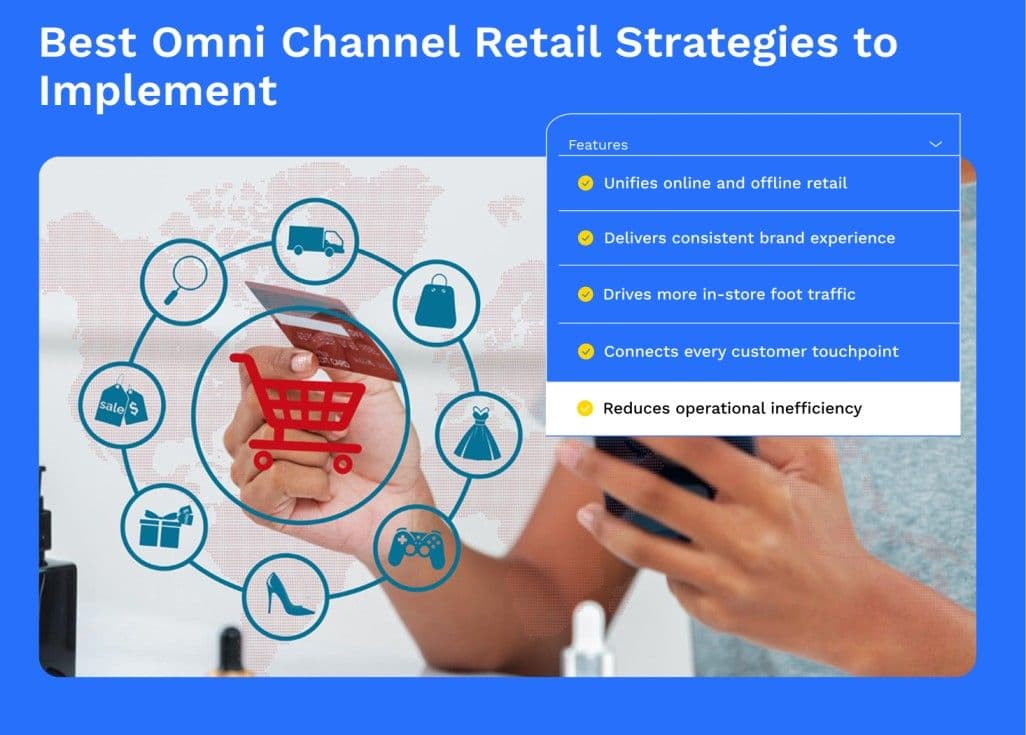
Editor’s Note: This post was originally published in Aug 2024 and was updated in Mar 2026 for accuracy and comprehensiveness.
Omnichannel retail is a strategy that unifies both physical and digital channels into one seamless experience. Omnichannel is a term used in ecommerce and retail for this customer-centric approach that connects every touchpoint around the customer.
Most retail brands are present on multiple channels. But being present and being connected are two very different things.
A customer browses your product online, checks your Instagram, walks into your store and asks about it - only to find the staff have no idea what they viewed. That disconnection drives customers straight to a competitor who makes the experience feel effortless.
That is the problem an omni channel retail strategy solves.
We have worked with retail brands across India running their online and offline operations as completely separate businesses. Once they unified those channels around the customer, results showed up quickly in foot traffic, repeat purchases, and satisfaction scores.
Searches for "omnichannel retail strategy" have crossed 1,800 monthly impressions among retail businesses actively looking to fix this. That tells you how many brands are at this exact crossroads right now.
In this guide you will learn what omni channel retail means, its key components, and 15 proven omnichannel retail strategies with real examples you can implement today.
Let's get into it.
What is Omni channel Retail?
Omni channel retail delivers a seamless and interconnected shopping experience across all customer touchpoints, including online, in-store, and mobile platforms. This method has evolved from the traditional single-channel retail model where businesses operated exclusively in physical locations, to multichannel strategies that added online shopping. The evolution to omni-channel retail displays the growing consumer demand for ease and flexibility, enabling shoppers to interact with brands consistently across various touchpoints.
For example, a customer might browse products on a retailer's website, add items to their cart, and then complete the purchase in-store, with all their preferences and selections synchronised across platforms. This not only improves convenience but also enhances customer loyalty by offering flexibility in how and where they shop.
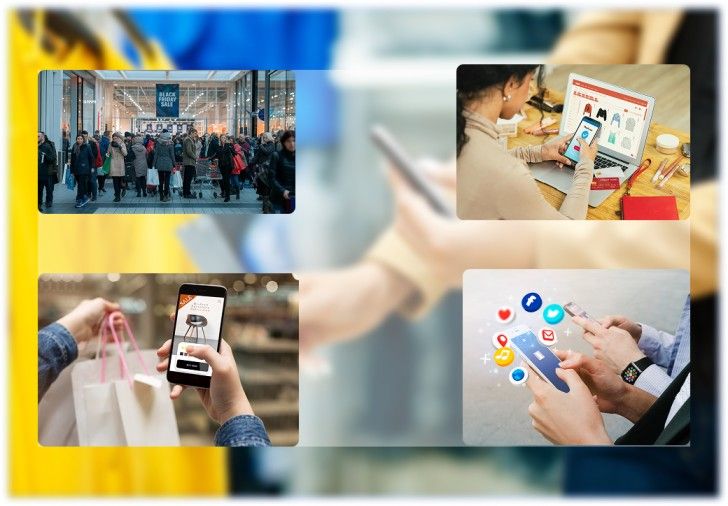
Omni channel retail is important as it creates a coordinated and smooth shopping experience for customers, bridging the gap between online and offline interactions. This approach not only enhances customer satisfaction by offering convenience and consistency but also drives increased sales and loyalty by meeting customer’s expectations for an adaptable and personalised experience. By integrating various channels and utilising data insights, retailers can improve inventory management, optimise their operations, and deliver targeted marketing, ultimately leading to stronger customer relationships and a competitive edge in the market.
The key elements of omni channel retail include:
1. Unified Customer Experience
Customers receive the same level of service and information whether they shop online, in-store, or via mobile apps ensuring consistency across all channels.
2. Integrated Technology
Leveraging platforms that connect inventory, sales, customer data across all channels, allowing for real-time updates and seamless interactions.
3. Personalisation
Using data to customise marketing, product recommendations, and communication based on individual customer preferences and behaviours, creating a more personalised shopping experience.
4. Consistent Branding
Maintaining a systematic brand image, messaging, and tone across all channels, ensuring that customers recognise and connect with the brand no matter where they engage.
5. Data-Driven Insights
Leveraging analytics to understand customer behaviour, optimise inventory, personalise promotional activities, and improve overall business strategies.
6. Responsive Customer Support
Customers can get help and support across multiple channels, including social media, chat, email, and phone anytime and anywhere.
Components of Omni Channel Retail
A strong omni channel retail solution is not built on one tool or one decision. It is the result of several core components working together. Here is what needs to be in place for omnichannel retail management to actually function the way it should.
- Unified Inventory Management
This is the foundation. When your inventory is siloed across your website, app, and physical stores, you end up with stockouts in one place and overstock in another. Unified inventory management gives you a single real-time view of stock levels across every channel so customers always get accurate availability information and your operations run more efficiently.
- Integrated Customer Data Platform
Every interaction a customer has with your brand generates data. The problem is that most retail brands store this data separately per channel. An integrated customer data platform pulls all of that together into one unified profile so your marketing, sales, and support teams are all working from the same picture of each customer.
- Consistent Brand Messaging
Your tone, offers, and visual identity should feel identical whether a customer sees your Google ad, opens your email, or walks into your store. Inconsistency at any touchpoint breaks trust. Consistent brand messaging across every channel is what makes customers feel like they are dealing with one business, not several disconnected ones.
- Cross-Channel Fulfilment
Modern customers want flexibility in how they receive their orders. Buy online pick up in-store, ship from store, and same-day local delivery are no longer premium options. They are baseline expectations. Cross-channel fulfilment capabilities are a core part of omni channel implementation because they directly affect whether a customer completes a purchase or walks away.
- Real-Time Conversion Analytics
You cannot manage what you cannot see. Real-time conversion analytics give you visibility into customer behaviour, campaign performance, and inventory movement as it happens. This allows your team to make faster decisions, spot problems before they escalate, and continuously refine your omni channel retail strategy based on actual data rather than assumptions.
- Seamless Customer Support
A customer who has a problem does not care which channel they used to buy. They just want help quickly. Seamless customer support means your team can access the full history of a customer's interactions regardless of whether they reach out via social media, live chat, email, or in-store. That continuity is what turns a frustrating experience into a loyal customer.
What is the Value of an Omni Channel Retail Strategy?
A lot of retail brands understand what omni channel is. Fewer understand what it is actually worth. The value goes well beyond a better customer experience. It shows up directly in revenue, efficiency, and how well your brand holds its ground in a competitive market.
- Higher Revenue Per Customer
Customers who engage across multiple channels consistently spend more than those who shop on just one. According to a report by Bloomreach, omnichannel customers have a 30% higher lifetime value than single-channel customers. For retail brands looking at leading omnichannel strategies in the retail sector, this is the clearest financial case for investing in a connected experience.
- Better Customer Lifetime Value
Omni channel retail strategy does not just win the first purchase. It builds the kind of relationship that keeps customers coming back. When every interaction feels personalised and consistent, customers develop a genuine preference for your brand over competitors. That preference compounds over time into significantly higher lifetime value across your entire customer base.
- Stronger Competitive Positioning
The omnichannel strategies of top retailers share one thing in common. They make it harder for competitors to pull customers away. When your brand is present, consistent, and personalised across every touchpoint, switching to a competitor requires more effort from the customer. That friction works in your favour and becomes a genuine competitive moat over time.
- Reduced Operational Inefficiency
A unified retail channel strategy does not just improve the customer side. It cleans up the operational side too. Unified inventory, shared customer data, and integrated fulfilment systems reduce the duplication of effort, manual errors, and miscommunication that happen when teams manage channels separately. The result is a leaner operation that costs less to run and performs better across the board.
15 Best Omni Channel Retail Strategies to Implement in 2026
1. Omni Channel Retail Strategy: Unified Inventory Management
Efficient inventory management across all channels ensures consistent and accurate product availability. By integrating online and offline inventories, retailers can prevent stockouts and overstock situations, offering a reliable shopping experience and optimising operational efficiency.
Read Also - Hyperlocal Omni Commerce Local Inventory Ads: How It Works
2. Omni Channel Retail Strategy: Enhance Hyperlocal Sales with Store2Door Omni Commerce
Sekel Tech's Dynamic Store2Door Omni Commerce combines online shopping convenience with personalised in-store service. Customers can browse and purchase products online, with doorstep delivery by a store associate. This integration bridges the gap between online and offline retail, offering a personalised and efficient local shopping experience.
3. Omni Channel Retail Strategy: Cross-Channel Fulfilment
Offer flexible fulfilment options such as Buy Online, Pick Up In-Store (BOPIS) or ship-from-store caters to diverse customer preferences. These options improve convenience and streamline inventory management, providing multiple ways for customers to receive their orders.
4. Omni Channel Retail Strategy: Converting Clicks to Footfall
Turning online interactions into physical store visits is key to driving traffic through Click-and-Collect services. Allowing customers to order online and pick up in-store enhances convenience and boosts foot traffic. Effective tracking of online-to-offline conversions helps refine marketing strategies and optimise promotions. Offering incentives like in-store discounts for Click-and-Collect orders further encourages store visits.
For insights on overcoming challenges in online-to-offline tracking and maximising foot traffic, watch: "Converting Clicks to Footfall: Challenges in Online-to-Offline Tracking"
5. Omni Channel Retail Strategy: Seamless Returns
Implement a Buy Online, Return In-Store (BORIS) policy that simplifies returns and exchanges. This approach enhances customer satisfaction by making the return process hassle-free and convenient.
6. Omni Channel Retail Strategy: Location-Based Mobile Marketing
Leverage location-based mobile marketing to deliver personalised offers and promotions based on geographic location. By using geofencing and location tracking technologies, retailers can send targeted content to customers in physical stores or specific areas, driving both foot traffic and online interactions.
Learn more about leveraging location-based mobile marketing with: "Location-Based Mobile Marketing: How to Reach Consumers at the Right Place and Time"
7. Omni Channel Retail Strategy: Utilise SellrApp
Leverage Sekel Tech’s SellrApp to enhance your omnichannel strategy in the mobile-centric retail environment. This dedicated app helps manage and optimise your store’s online presence, aligning with current mobile shopping trends.

8. Omni Channel Retail Strategy: Social Media Commerce
Integrate social media platforms like Facebook and Instagram into your retail strategy to enable direct purchasing. This integration enhances convenience by allowing customers to buy products directly from the platforms they frequent.
9. Omni Channel Retail Strategy: Integrated Customer Service
Provide consistent customer support across all channels, including live chat, social media, and in-store assistance. This ensures reliable help and enhances the overall customer experience.
10. Omni Channel Retail Strategy: Loyalty Programs
Develop loyalty programs that reward customer interactions across all channels. Offering incentives for both online and in-store activities increases retention and drives repeat business.

11. Omni Channel Retail Strategy: Advanced Personalization
Employ AI and machine learning to deliver precise product recommendations, tailored content, and targeted ads. This approach makes the shopping experience more relevant and engaging for each individual.
12. Omni Channel Retail Strategy: Personalised Customer Experiences
Use Sekel Tech’s data-driven insights to tailor marketing, promotions, and product recommendations. Personalization enhances customer engagement and loyalty by addressing specific preferences and behaviours.
13. Omni Channel Retail Strategy: Real-Time Data Analytics
Utilise real-time data analytics to monitor customer behaviour, inventory levels, and sales performance. Immediate access to data supports informed decision-making and allows for timely adjustments to strategies.
For a deeper understanding of real-time data analytics in retail, watch: "The Role of Data Analytics in Retail Marketing Strategy"
14. Omni Channel Retail Strategy: Cross-Channel Promotions
Run synchronised promotions and discounts across all channels to maintain a cohesive marketing strategy. Aligning offers boosts visibility and maximises sales opportunities both online and in physical stores.
15. Omni Channel Retail Strategy: Leverage Omni-Channel Retail Marketing Platform
Utilise an advanced omnichannel retail marketing platform like Sekel Tech’s to integrate online and offline operations seamlessly. Sekel Tech enhances retail performance with three key modules: Discovery, which optimises local search rankings; Unified Data, which consolidates leads and inventory for better engagement; and Demand Generation, which leverages retargeting and hyperlocal ads for effective demand creation. These features drive footfall, improve local visibility, and boost overall retail performance.

Omni Channel Retail Best Practices
Having the right strategy on paper is one thing. Executing it consistently across every channel is another. These are the omnichannel best practices that actually make a difference when you move from planning to implementation.
1. Start with Customer Journey Mapping
Before you build anything, understand how your customers actually move through their buying journey. Where do they discover you? Where do they drop off? Where do they convert? The map tells you where to focus first and saves you from investing in the wrong channels early on.
2. Unify Your Data Before Adding New Channels
One of the most common mistakes in omni channel implementation is adding more channels before the existing ones are connected. Unify your CRM, website analytics, and in-store data into one place first. More channels without unified data just means more confusion.
3. Train Store Staff on Digital Touchpoints
Your in-store team is a critical part of your omni channel retail strategy but they are often left out of the digital picture. Staff who understand how customers have been engaging online can have much more relevant conversations in person and close more sales as a result.
4. Test Cross-Channel Journeys Regularly
Omni channel best practices are not set and forgotten. Walk through your own customer journeys every month from different entry points. Abandon a cart and see what happens. Buy online and pick up in-store. You will find friction points your analytics alone will not catch.
5. Measure Retention Not Just Acquisition
Most retail brands obsess over new customer numbers and underinvest in understanding why existing customers stop returning. Put equal weight on retention metrics like repeat purchase rate and customer lifetime value. That is what makes the omni channel investment worthwhile over time.
Benefits of Implementing an Omni Channel Retail Strategy
Implementing an omni channel retail strategy offers numerous advantages for retailers, focusing on providing a seamless and integrated shopping experience across various customer touch points. These benefits include:
1. Enhanced Customer Experience
By offering a cohesive experience across online, in-store, and mobile platforms, retailers can meet customer expectations for convenience and flexibility, leading to higher satisfaction and loyalty.
2. Increased Sales and Revenue
A well-executed omni channel retail strategy can boost sales by making it easier for customers to shop and purchase through their preferred channels, whether online, in-store, or a combination of both.
3. Improved Inventory Management
Omni-channel strategies often include unified inventory systems, allowing retailers to better track and manage stock levels across all channels, reducing overstocking or stockouts.
4. Personalized Marketing
By integrating customer data from multiple channels, retailers can create more targeted and personalised marketing campaigns, leading to higher engagement and conversion rates.
5. Stronger Brand Loyalty
Consistent and personalised interactions across all channels build stronger relationships with customers, encouraging repeat business and long-term loyalty.
6. Competitive Advantage
Retailers that successfully implement an omni channel retail strategy are better positioned to meet the demands of modern consumers, giving them a competitive edge in the market.
Key Omni Channel Retail Trends to Watch in 2026
The retail landscape is shifting faster than most brands can keep up with. What counted as an advanced omni channel retail strategy two years ago is now the baseline expectation. Here are the omnichannel retail trends that are actively reshaping how brands operate right now.
1. AI and Machine Learning
To offer personalised shopping experiences and optimise inventory management, retailers are increasingly using AI and machine learning enhancing customer engagement and operational efficiency.
2. Unified Commerce Platforms
Businesses are adopting integrated commerce platforms that unify online and offline operations, ensuring consistent customer experiences and real-time data synchronisation across all channels.
3. Enhanced Mobile Experiences
Mobile optimisation is advancing with features like AR try-ons and streamlined checkout processes, catering to the growing number of consumers shopping via smartphones.
4. Sustainable Practices
There is a rising emphasis on sustainability and ethical sourcing, with retailers focusing on transparent supply chains and eco-friendly practices to meet consumer demand for responsible retailing.
5. Omnichannel Customer Service
Retailers are enhancing customer support with seamless integration across various channels, including chatbots, live chat, and social media, to provide timely and consistent assistance.
6. Conversational Commerce is Growing Fast
WhatsApp, live chat, and AI-powered messaging tools are becoming core parts of the retail omnichannel strategy, especially in markets like India. Customers want to ask questions, check availability, and complete purchases inside a conversation. According to IBM, brands using conversational commerce as part of their omni channel stack report higher engagement rates and shorter purchase cycles compared to those relying on static web journeys alone.
The Future of Omni Channel Retail
The brands investing in omni channel retailing today are building an advantage that will be very hard to close in the next few years. Here is where things are heading.
- AI Will Drive Hyper-Personalisation at Scale
Personalisation today means recommending products based on past purchases. In the near future it will mean predicting what a customer needs before they search for it. AI-driven omni channel retail solutions will make this possible even for mid-sized retail brands, not just the large players.
- Unified Commerce Will Become the Standard
Managing separate systems for your online store, physical locations, and customer data is becoming harder to sustain. Unified platforms that handle everything in one place will become the baseline expectation for omni channel implementation across retail businesses of all sizes.
- Sustainability Will Be Built Into the Channel Experience
Customers are already factoring sustainability into purchase decisions. Retailers that weave this naturally into their omni channel retailing approach will build stronger trust with the growing segment of customers that values it most.
- Conversational Commerce Will Replace Static Journeys
The traditional path of ad, website, checkout is already breaking down. Customers want to discover, ask questions, and buy inside a single conversation. Omni channel retail solutions built around conversational commerce will become core to how retail brands acquire and retain customers going forward.
Why Choose Sekel Tech for Your Omni Channel Retail Needs?
Sekel Tech stands out as a leading solution for optimising omni channel retail strategies. With its comprehensive Hyperlocal Discovery & Omni-Commerce Platform, Sekel Tech provides a suite of tools designed to enhance every aspect of retail operations. Their platform integrates online and offline channels seamlessly, offering features like Store2Door Omni Commerce for personalised local deliveries, Location-Based Mobile Marketing to reach customers at the right place and time, and Advanced Personalization through AI-driven insights.
Sekel Tech’s platform excels in improving customer engagement and driving foot traffic with modules like Discovery for top local search rankings, Unified Data for efficient lead and inventory management, and Demand Generation for targeted advertising and retargeting. These capabilities ensure that retailers can offer a cohesive and efficient shopping experience, maximise sales, and boost local visibility. By leveraging Sekel Tech’s solutions, retailers can stay ahead in the competitive market, delivering exceptional customer experiences and achieving substantial growth.
Read Also - Transforming Retail Dynamics: Step into the Future with Sekel Tech
For additional insights into creating a successful omni channel strategy, check out this comprehensive article from The Economic Times: From Bricks to Clicks: Creating a Winning Omnichannel Strategy. This resource delves into effective strategies and best practices to help retailers transition smoothly from traditional to digital channels and optimise their omnichannel approach.
Frequently Asked Questions (FAQs)
1. How to build your omnichannel retail strategy?
Start by mapping your customer journey across every touchpoint. Unify your data, align your messaging, and choose technology that connects your online and offline channels. Set clear KPIs from day one, measure retention and conversion regularly, and refine your omnichannel retail strategy based on what the data tells you.
2. How does omnichannel retailing work?
Omnichannel retailing works by connecting all your sales and marketing channels so they share data and deliver a consistent experience. When a customer browses online, visits your store, or contacts support, every interaction is informed by the previous one. This creates a seamless journey that feels personalised at every touchpoint.
3. What is the value of an omnichannel retail strategy?
A strong omnichannel retail strategy increases customer retention, improves lead quality, and drives higher lifetime value. Customers who shop across multiple channels spend significantly more than single-channel shoppers. Beyond revenue, it gives your brand better data, stronger loyalty, and a clear competitive edge in a crowded retail market.
4. What tools do I need for an omnichannel strategy?
You need a CRM to manage customer data, a marketing automation platform for cross-channel campaigns, an inventory management system for real-time stock visibility, and an analytics tool to track performance. Platforms like Sekel Tech combine these into one solution built specifically for retail brands managing both online and offline channels.
5. What is an example of omnichannel retail?
A good example is when a customer sees your product on Instagram, checks availability on your website, visits your store to try it, and completes the purchase on your app. Throughout that journey, their preferences and cart are synced across every channel. Sekel Tech enables exactly this kind of connected experience for retail brands across India.
Conclusion
By integrating these strategies, businesses can create a comprehensive and cohesive shopping experience that seamlessly blends online and offline channels. Each element is crucial in enhancing customer engagement and satisfaction, from unified inventory management and personalised customer experiences to advanced mobile optimisation and augmented reality. Leveraging real-time data, cross-channel promotions, and omnichannel loyalty programs further ensures that retailers stay competitive and responsive to consumer needs, driving long-term success and growth.
Take Advantage of Sekel Tech’s Omni Channel Retail Marketing Platform
Unlock the full potential of your retail business with Sekel Tech’s Omni Channel Retail Marketing Platform. Seamlessly integrate your online and offline sales, enhance customer experiences with advanced personalisation, and optimise your marketing strategies with real-time data insights. Take the leap today and transform your retail operations into a unified, customer-centric powerhouse contact us now to discover how Sekel Tech can elevate your brand and drive growth across all channels.
Share


Similar Blogs
Loved this content?
Sign up for our newsletter and get the latest tips & updates directly in your inbox.
There’s more where that came from!
 Connect with us