
Local Marketing
Local Online Marketing Strategies, Tips, and Tools in 2026
Wed, 28 Aug 2024 07:35:23 GMT
Speak to our Hyperlocal Expert
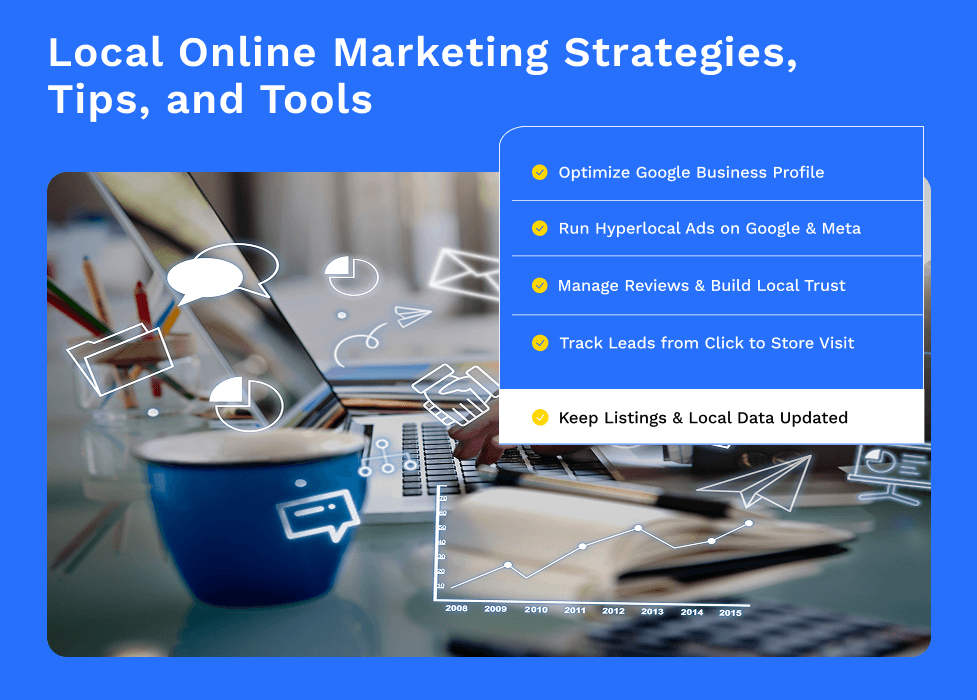
This post was originally published in Aug 2024 and was updated in Feb 2026 for accuracy and comprehensiveness.
Your business is physically located in a specific area. Your customers live nearby. Yet somehow, when they search online for exactly what you sell, they can't find you.
That's the problem local online marketing solves.
Here's what's happening right now: 76% of people who search for something nearby on their phones visit a business within 24 hours. "Near me" searches have grown over 200% in the past few years. Your potential customers are actively looking for businesses like yours online, but if you're not visible in local search results, you might as well be invisible.
Local online marketing is how you show up when nearby customers search. It's not about reaching everyone everywhere. It's about reaching the right people in your specific geographic area when they're ready to buy. A coffee shop in Indiranagar doesn't need customers in Mumbai seeing their ads. They need people within 5 kilometers finding them on Google Maps, seeing their hours, reading their reviews, and getting directions.
Traditional advertising costs the same whether customers live next door or across the country. Local business online marketing targets only people who can actually walk through your door or place an order for delivery. This makes every rupee you spend work harder because you're not wasting money on people too far away to become customers.
The shift to local area marketing happened fast. Before, businesses relied on newspaper ads, flyers, and word of mouth. Now, customers check Google before checking with neighbors. They read online reviews before trying new restaurants. They compare prices on their phones while standing in your competitor's store. If your business isn't easy to find online locally, you're losing customers to businesses that are.
This guide shows you exactly how to fix that. You'll learn what local web marketing actually involves, which strategies work best for different types of businesses, practical tools you can start using today, and how to measure whether your efforts are working. No theory. Just practical steps that drive real customers to your business.
Whether you run a single shop or manage multiple locations, local online marketing helps you compete effectively in your area without needing a massive budget. You just need to show up where your customers are already looking.
Let's start with what local online marketing actually means and why it matters more in 2026 than ever before.
What is Local Online Marketing?
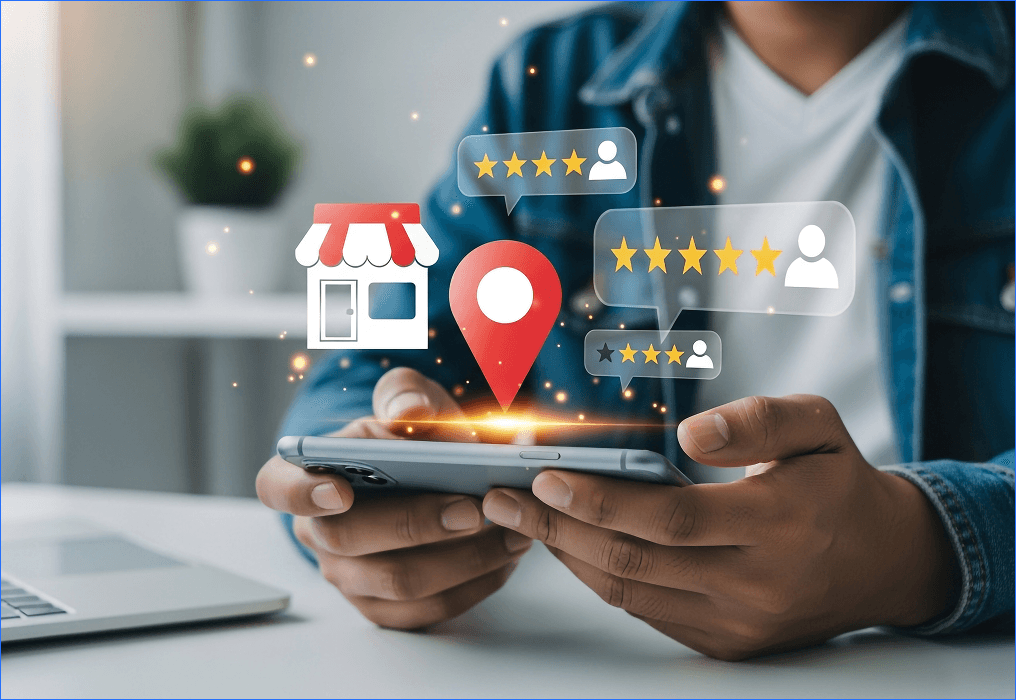
Local online marketing is a digital strategy that helps businesses attract customers within a specific geographic area through online channels like Google search, social media, and local directories. It targets nearby customers actively searching for products or services.
Think about how you find businesses now. You search "coffee near me" or "plumber in Koramangala." You want something close, available now, with good reviews. That's local online marketing working.
Traditional digital marketing targets everyone everywhere. Local online marketing focuses specifically on people within your delivery radius or driving distance. A restaurant in Indiranagar doesn't need visibility in Mumbai. They need people nearby to find them when they search.
Local business online marketing uses several channels
- Google Search and Maps show your listing with hours, reviews, photos, and directions when people search "near me."
- Social Media lets you run location-targeted ads reaching only people within your chosen radius.
- Local Directories like Justdial or Zomato help customers actively searching for local services find you.
- Review Platforms build trust before customers visit.
The goal is driving real actions. Phone calls. Store visits. Orders. Appointments. Not just website traffic.
Real Example:
A Whitefield bakery optimized their Google Business Profile with weekly photos, review responses, and weekend specials. When someone searches "birthday cake near Whitefield," they appear with 4.7 stars from 340 reviews.
They run Facebook ads only within 5 kilometers showing fresh cakes with WhatsApp ordering.
Result: 60% of new customers found them via Google. Weekend traffic up 40%. Facebook ad orders convert 2.3x better than generic campaigns.
Local area marketing works because customers search locally, choose quickly, and visit soon. Local web marketing puts you where high-intent customers look.
Why Local Business Online Marketing Matters in 2026
Customer behavior changed permanently in the past few years.
Right now, 76% of people who search for something nearby on their phones visit a business within 24 hours. These aren't casual browsers. They're ready to buy and just need to know where to go.
"Near me" searches grew over 200% since 2020. People stopped asking friends first. They pull out their phones and search "coffee near me" or "hardware store nearby." Google immediately shows options with reviews, hours, and directions.
The pandemic forced businesses offline to build online visibility fast. Customers who once walked in now check Google before visiting anywhere. This behavior stuck. It's permanent.
Here's the reality: you're competing for visibility in search results and on maps. The business appearing first with better reviews gets the customer. When someone searches your service and your competitor ranks top three while you don't, they get the call.
The economics favor local targeting. National advertising reaches people 500 kilometers away who'll never visit your store. Local business online marketing targets only people within your delivery radius, making it 2 to 3 times cheaper per actual customer acquired.
Visibility determines success now. If your Google Business Profile shows 4.5 stars with recent photos and accurate hours, customers visit. If it's outdated or missing, they choose competitors instead. Product quality matters, but only after customers find you.
Your potential customers are searching right now. Whether they find you or your competitor determines who makes the sale.
Watch how local retailers are increasing foot traffic through strategic online marketing.
"How Retailers Boost Local Search Rankings & Foot Traffic?"
5 Core Benefits of Local Online Marketing
Local online marketing delivers specific advantages that generic advertising can't match.
1. Targeted Reach
You only pay for people who can actually visit your store. A restaurant in Indiranagar pays to reach customers within 5 kilometers, not across the entire Bangalore. Every rupee spent on local online marketing reaches potential customers, not wasted impressions.
2. Higher Conversion Rates
When someone searches "bakery near me," they want to buy now. Local search intent means immediate action. These customers convert 3 to 4 times higher than general traffic because they're already decided on what they need.
3. Cost Effectiveness
Local ads cost 2 to 3 times less per customer than national campaigns. You're competing with nearby businesses, not nationwide brands with massive budgets. Smaller spend, better results.
4. Level Playing Field
Online visibility matters more than store size. A small independent shop with strong Google reviews and active social presence beats large chains with poor local optimization. Customers choose based on ratings, proximity, and convenience.
5. Measurable Results
Track exactly how many people called, got directions, or visited from each channel. Local online marketing shows which efforts drive actual customers, not just clicks.
10 Local Online Marketing Strategies for 2026
Getting found by nearby customers requires specific tactics that work together. Here are ten strategies that actually drive local traffic and sales.
Strategy 1: Optimize Your Google Business Profile Completely
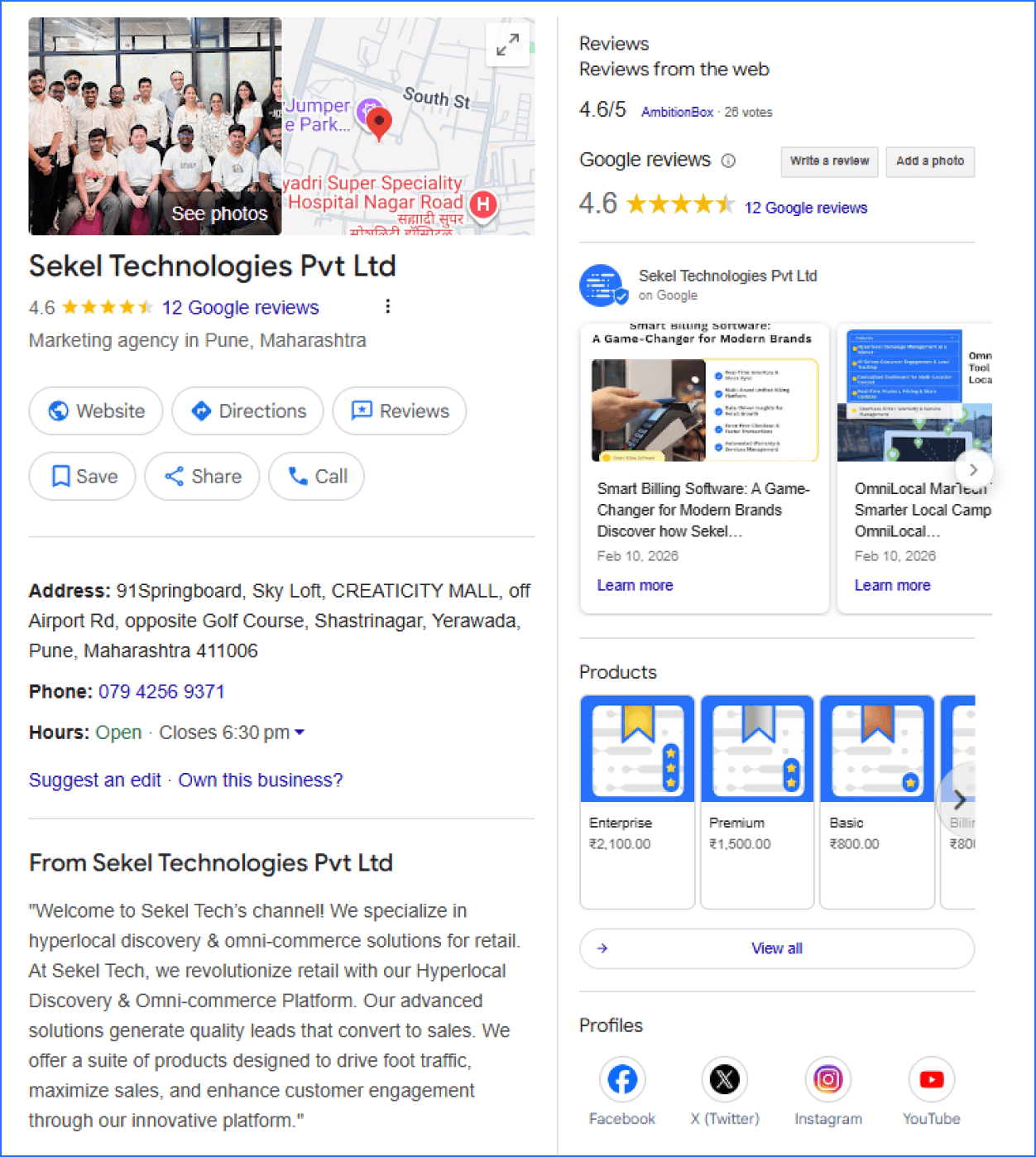
Your Google Business Profile is the first thing potential customers see when they search locally. Claim your profile if you haven't already, then fill every section completely. Add your exact business hours, phone number, website, and service area. Upload high-quality photos of your storefront, products, and team every week.
The details matter. Businesses with complete profiles get 7 times more clicks than incomplete ones. Post updates at least twice weekly about special offers, new arrivals, or events. Answer every review within 24 hours, positive or negative. This shows you're active and care about customers.
Tool to use: Google Business Profile dashboard or mobile app
Pro tip: Enable messaging so customers can contact you directly through your profile. Most inquiries come during business hours when you can respond quickly.
Real example: A hardware store in Jayanagar started posting weekly DIY tips with product photos. Their profile views increased 340% in two months. Phone calls from the profile tripled.
Read Also - Step-by-Step Google My Business Optimisation Guide in 2026
Strategy 2: Get Listed in Local Directories That Matter

Local directories help customers find you and improve your search rankings. Focus on directories where your customers actually look, not just any listing site. For most businesses, this means Google, Facebook, Yelp, Justdial, and industry-specific directories.
Make sure your business name, address, and phone number (NAP) match exactly across every listing. Even small differences confuse search engines and customers. If your Google listing says "123 MG Road" but Yelp says "123 Mahatma Gandhi Road," fix it immediately.
Tool to use: Sekel Tech or BrightLocal for multi-location management from one dashboard
Pro tip: Set a monthly reminder to check your top 5 directory listings. Competitors sometimes claim your listing or change your information.
What works: A dental clinic got listed on Practo, Google, and local health directories with identical information. Their appointments from online searches increased 45% within 60 days.
Strategy 3: Build Local SEO Into Your Website
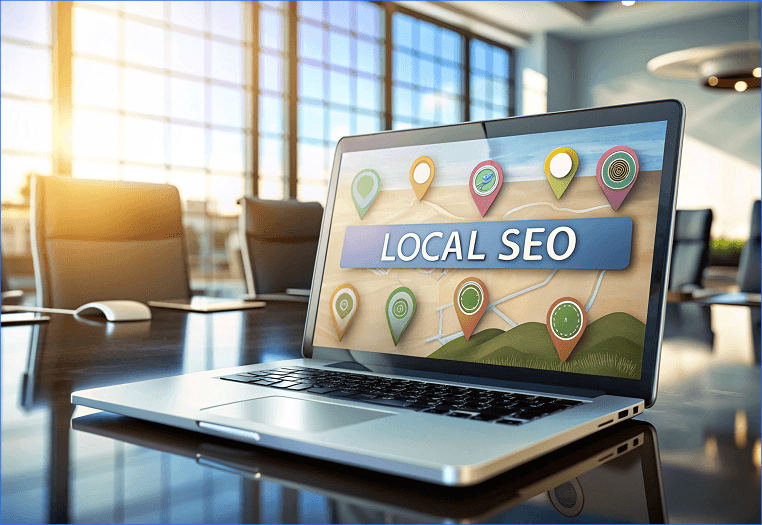
Your website needs location-specific content to rank in local searches. Add your city and neighborhood names naturally throughout your site. Create a dedicated location page if you serve multiple areas. Include a Google Map showing your exact location.
Add local business schema markup to your site's code. This tells search engines exactly what you do and where you operate. Most website builders have plugins that make this easy without coding knowledge.
Tool to use: Schema.org markup generator, Yoast SEO plugin for WordPress, or Sekel Tech's content management system for multi-location content creation at scale
Pro tip: Write blog posts about local topics related to your business. "Best places to find organic produce in Indiranagar" works better than generic "Benefits of organic food."
Real impact: A boutique added location pages for each neighborhood they served. Organic traffic from local searches grew 89% in four months.
Strategy 4: Actively Manage Customer Reviews

Reviews directly influence whether customers choose you. 88% of people trust online reviews as much as personal recommendations. Your rating and review count appear in search results, on maps, and in directories.
Ask happy customers for reviews right after a positive experience. Send a follow-up email or text with direct links to your Google and Facebook review pages. Make it as easy as possible. Respond to every review, especially negative ones. A professional response to criticism actually builds trust.
Tool to use: GeoFli, Whitespark, BrightLocal, or Sekel Tech's review management platform for monitoring reviews across multiple locations and platforms.
Pro tip: Never buy fake reviews. Google detects them and will penalize your rankings. One authentic review beats ten fake ones.
What happened: A restaurant owner responded thoughtfully to a negative review about slow service during rush hour. The reviewer updated their rating from 2 stars to 4 stars, and three other customers commented on the owner's professionalism.
Read Also - How to Choose the Best Review Management Platform for You?
Strategy 5: Run Location-Targeted Social Media Ads

Facebook and Instagram let you target ads to people within specific distances from your business. You can reach everyone within 5 kilometers, or target specific neighborhoods. This precision means your ad budget only reaches potential customers.
Create ads that mention your location and include a clear action. "Visit our Koramangala store this weekend" performs better than vague "Come visit us." Use local landmarks or neighborhood names people recognize. Test different radius sizes to find what works for your business type.
Tool to use: Facebook Ads Manager with location targeting
Pro tip: Run different ads for different neighborhoods. What resonates in Whitefield might not work in Indiranagar. Test and adjust based on performance.
Real numbers: A salon ran ads within 3 kilometers offering first-visit discounts. Cost per booking: ₹45. Average customer lifetime value: ₹8,400. They scaled to 200+ new customers in three months.
Strategy 6: Create Content About Your Local Area
Write about topics your local customers care about. Blog posts about neighborhood events, local guides, or community news establish you as part of the area. This content ranks for local searches and shows you understand the community.
Cover local events you attend or sponsor. Interview other local business owners. Create neighborhood guides related to your industry. A gym might write "Best running routes in HSR Layout" or "Healthy restaurants near our Bellandur location."
Tool to use: Google Trends to find what locals search for, Canva for creating local infographics
Pro tip: Partner with other local businesses for content. Interview the cafe next door about their coffee sourcing. They'll share it, exposing you to their audience.
Example: A bookstore wrote monthly posts about local authors and upcoming literary events in Bangalore. Their blog traffic grew 156%, with 40% of visitors becoming in-store customers.
Strategy 7: Invest in Google Local Service Ads
Google Local Service Ads appear above regular search results for service businesses like plumbers, electricians, cleaners, and locksmiths. You only pay when someone contacts you directly through the ad, not per click. Google screens your business, adding a "Google Guaranteed" badge that builds trust.
These ads show your rating, hours, and service area prominently. Customers can call or message you with one tap. The leads are high-quality because people only contact you when they need service now.
Tool to use: Google Local Services platform
Pro tip: Keep your calendar updated in the system. Google prioritizes advertisers who respond quickly and are available when customers search.
Real case: An electrician in Pune invested ₹12,000 monthly in Local Service Ads. Generated 47 qualified leads. Closed 31 jobs. Average job value: ₹4,800. Total return: ₹148,800.
Strategy 8: Add a Store Locator to Your Website
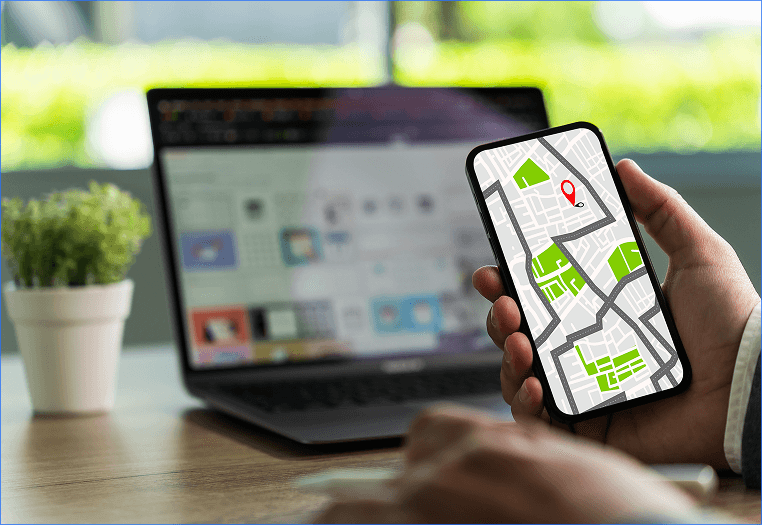
If you have multiple locations, a store locator helps customers find the nearest one instantly. It should show hours, contact info, and directions for each location. This reduces friction between discovery and visit.
Make your locator mobile-friendly since most people search on phones. Include filters if you have many locations, letting customers search by services offered, languages spoken, or facilities available.
Tool to use: Sekel Tech's store locator (for multi-location brands) or simple plugins for small chains
Pro tip: Track which locations get the most locator searches. This data reveals where demand is highest and might indicate opportunities for new locations.
What it does: A pharmacy chain added a store locator with real-time inventory checking.
Customers could confirm product availability before visiting. This feature reduced "wasted trips" by 67% and increased customer satisfaction significantly.
Strategy 9: Use WhatsApp Business for Local Engagement
WhatsApp Business lets you communicate with local customers where they already spend time. Create a business profile with your location, hours, and services. Share your WhatsApp number on all marketing materials.
Use broadcast lists to send updates about local offers, new inventory, or special events to customers who opted in. The personal nature of WhatsApp creates stronger connections than email. Response rates are typically 3-5 times higher.
Tool to use: WhatsApp Business app (free) or WhatsApp Business API for larger operations
Pro tip: Create quick reply templates for common questions like hours, directions, and pricing. This saves time while maintaining quick response rates.
Real results: A clothing boutique used WhatsApp to announce weekly arrivals to 300 local customers. Average message open rate: 94%. In-store visits within 48 hours: 38%. Compare this to email open rates around 20%.
Strategy 10: Implement Hyperlocal Discovery Platforms
Hyperlocal platforms help customers discover businesses through precise location-based targeting. These platforms combine local SEO, paid advertising, customer engagement, and analytics in one system. They're especially valuable for businesses with multiple locations needing coordinated local marketing.
Instead of managing separate tools for each location, hyperlocal platforms orchestrate everything from one dashboard. You can see which locations need support, which strategies work where, and how customers move from online discovery to in-store purchases.
Tool to use: Sekel Tech's Hyperlocal Discovery Platform for enterprise multi-location businesses
Pro tip: Start with one strong location, perfect your approach, then scale the winning strategy across other locations. Don't try to optimize everywhere at once.
Enterprise example: A 500-store retail chain implemented hyperlocal discovery across their network. Results after 6 months: 73% increase in local search visibility, 58% more "get directions" clicks from profiles, 34% growth in store foot traffic from digital sources.
These strategies work together, not in isolation. Start with Google Business Profile optimization and local directory listings since they're free and foundational for local business online marketing. Then add paid strategies like social media ads and Local Service Ads as you see results. Track what drives actual customers to your business, not just website clicks.
For proven hyperlocal marketing strategies that drive local business growth, explore this comprehensive guide Hyperlocal Marketing Strategies You Need to Know to Grow published in Times of India.
10 Best Local Web Marketing Tools
Tool | Best For | Key Strength |
Sekel Tech | Multi-location enterprises (100+ stores) | Complete hyperlocal orchestration |
BrightLocal | Agencies managing multiple clients | Citation tracking and reporting |
Semrush Local | SEO-focused businesses | Keyword and competitor analysis |
Moz Local | Small to medium businesses | Listing management |
Yext | Large chains needing consistency | Multi-platform listing sync |
Whitespark | Citation building focus | Local SEO services |
GeoFli | Location-specific website content | Dynamic content by visitor location |
Common Local Online Marketing Mistakes to Avoid
Most businesses trying local online marketing make the same avoidable errors.
- Mistake 1: Inconsistent Business Information - Your address differs across platforms, confusing search engines and killing rankings.
- Mistake 2: Ignoring Negative Reviews - Unanswered complaints tell future customers you don't care; respond within 24 hours always.
- Mistake 3: No Mobile Optimization - 76% of local searches happen on phones; slow or broken mobile sites lose customers instantly.
- Mistake 4: Targeting Too Wide - Running local area marketing to people 50km away wastes budget when you serve 5km radius.
- Mistake 5: Incomplete Google Profile - Missing hours and photos mean 7x fewer clicks than complete profiles.
- Mistake 6: Not Tracking Results - You don't know which efforts bring actual customers versus just clicks.
- Mistake 7: Generic Content - Writing broad topics instead of neighborhood-specific local web marketing content that ranks locally.
- Mistake 8: Buying Fake Reviews - Google detects and penalizes fake reviews; one real review beats ten fake ones.
- Mistake 9: Set and Forget - Optimizing once then never updating lets active competitors outrank you.
- Mistake 10: No Clear Call-to-Action - Vague "visit us" doesn't convert; specific actions like "Call for same-day appointments" do.
Avoiding these local business online marketing mistakes costs nothing but improves results immediately.
How Sekel Tech Powers Local Business Online Marketing for Multi-Location Brands
Running local online marketing for 100+ stores becomes impossible without the right platform. Managing hundreds of Google profiles, local ads, and reviews individually doesn't scale.
Sekel Tech orchestrates local area marketing across entire store networks from one platform built for enterprise retailers, QSR chains, and franchise networks
Core Capabilities
- Hyperlocal Discovery manages Google Business Profiles automatically for every location. Each store gets its own microsite optimized for local search.
- Geo-Fenced Advertising creates location-specific campaigns across Google and Meta, allocating budgets automatically based on performance.
- Order-to-Cash Tracking connects discovery to purchase, showing exactly which marketing drives revenue at which locations.
- Geo Task Manager coordinates operations, assigns tasks, and tracks completion across your network.
- AI Intelligence optimizes inventory, pricing, promotions, and content by location.
Real Results
- 500-store fashion chain: 73% higher local search visibility, 58% more direction requests, 34% store traffic increase.
- 200-location QSR: 45% more online orders from local search, review rating improved 3.9 to 4.4 stars.
Why Choose Sekel Tech
- Built for Scale: Handles 1,000+ locations reliably
- Native Integration: Works with SAP, Salesforce, Oracle
- Unified Data: One source of truth across all systems
- Proven ROI: 5-6x return on local marketing investment
Coordinated local business online marketing drives growth across your entire network.
Watch the video to see how Sekel Tech's system tracks the complete customer journey from discovery to purchase. "Track Every Lead from Click to Sale with Sekel Tech"
Frequently Asked Questions (FAQs)
1. What does LSM mean in business?
LSM stands for Local Store Marketing, which focuses on promoting individual store locations within larger retail chains through local events, community partnerships, and neighborhood-specific advertising.
2. How to do local store marketing?
Optimize your Google Business Profile, ensure consistent directory listings, run location-targeted social ads, manage reviews actively, and create neighborhood content. Track which efforts drive actual visits and sales.
3. What is an example of web marketing?
A bakery runs Facebook ads targeting people within 5km, maintains an updated Google profile with weekly photos, responds to reviews, and blogs about local food events to drive online discovery and store visits.
4. What are the 4 types of online marketing?
Search Engine Marketing (Google Ads, SEO), Social Media Marketing (Facebook, Instagram), Content Marketing (blogs, videos), and Email Marketing (newsletters). For local businesses, combine local SEO with geo-targeted social ads.
5. What are the 7 C's of online marketing?
Customer, Content, Context, Community, Customization, Communication, and Conversion. For local marketing, Community (building relationships) and Context (right message, right time) matter most.
Conclusion
Local online marketing isn't optional anymore. People searching "near me" expect instant results with accurate hours, current photos, and real reviews. Start with Google Business Profile optimization and consistent directory listings, then add geo-targeted ads as you see results. Track what drives actual customers, not just clicks. For single locations, these strategies provide everything needed to compete locally. For businesses managing 100+ stores, platforms like Sekel Tech coordinate local business online marketing at scale while maintaining individual relevance. The businesses winning locally in 2026 aren't the biggest. They're the ones customers find first when searching. Your potential customers are searching right now. Make sure they find you.
Read More Blogs
1. Understanding Hyperlocal Search Engine Marketing in 2026
Share


Similar Blogs
Loved this content?
Sign up for our newsletter and get the latest tips & updates directly in your inbox.
There’s more where that came from!
 Connect with us