
Retail Marketing
Top 10 Trending Retail Marketing Services & Software in 2026
Fri, 28 Jul 2023 08:46:27 GMT
Speak to our Hyperlocal Expert
Editor’s Note: This post was originally published in July 2023 and was updated in July 2026 for accuracy and comprehensiveness.
Retail marketing services are defined as the best practices, tools, resources, strategies, and techniques used to sell products to improve customers' experiences. The primary goals are to attract customers, drive sales, and enhance brand visibility.
Retail marketing services use consumer insights and market trends to engage the target audience and create effective marketing strategies. These innovative solutions empower retailers to boost customer engagement, streamline operations, and increase sales. From personalized experiences to data-driven insights and omnichannel marketing, these top 10 retail marketing services cater to the evolving needs of retailers in a digital era. Stay ahead of the competition with these cutting-edge offerings that drive success in the dynamic retail landscape.
What are Retail Marketing Software and Services?
Retail marketing software and services encompass a wide range of technological tools and professional offerings that assist businesses in implementing effective marketing strategies within the retail industry. These solutions optimize various aspects of retail marketing, including customer engagement, advertising campaigns, data analysis, inventory management, loyalty programs, and more. By incorporating these retail marketing tools and services, retailers can enhance their marketing efforts, attract customers, drive sales, and improve their overall business performance.
In 2026, the market is filled with innovative and trending retail marketing software and services. One of the top videos to watch is "Best Online Retail Marketing Strategy & Solutions." By watching this video, retailers can gain valuable insights and learn about the latest trends and technologies that can elevate their online marketing efforts.
Importance of Retail Marketing Services
The importance of retail marketing services stems from their ability to drive business success in today’s competitive retail landscape. These specialized services offer valuable expertise, strategies, and retail marketing tools that effectively promote products or services, attract and retain customers, and boost sales. By providing insights into consumer behavior, market trends, and competitor analysis, businesses can make informed decisions and stay ahead of the curve. Moreover, retail marketing services optimize campaigns, enhance customer experience, and foster brand loyalty for increased engagement and long-term prosperity.
Retail Marketing Services vs Retail Marketing Software vs Retail Marketing Tools
These terms sound similar but mean different things. Understanding the difference helps you choose the right solution for your business.
Category | What It Means | Best For | Example Use Case | KPI to Track |
| Retail Marketing Services | Agency or specialist team handles campaigns | Brands wanting expert support | Hiring agency to manage Facebook ads and email campaigns | Campaign ROI, customer acquisition cost |
| Retail Marketing Software | Tools you use internally to manage campaigns | Brands wanting control and scale | Using HubSpot to manage customer data and send emails | Conversion rate, email open rate |
| Retail Marketing Tools | Single-function solutions | Specific tactical needs | Using Google Analytics to track website traffic | Website conversion, traffic sources |
| Retail Marketing Platforms | All-in-one solutions connecting multiple functions | Growing retail brands | Using Salesforce for CRM, automation, and analytics | Customer lifetime value, revenue per location |
When to Use Each
Use services when you need expert help and don't have marketing staff. Use software when you have a team and want control. Use tools for specific jobs like analytics or email. Use platforms if you're growing and need everything connected.
Most retail brands combine multiple approaches. You might hire an agency for strategy, use software for execution, and use specific tools where needed.
Understand how different retail marketing approaches deliver unique benefits and when each one works best for your business:
Retail Marketing Services Market: 2026 Trends Retail Brands Should Know
The retail marketing landscape is changing fast. Here's what's shaping the market in 2026.
1. AI Personalization and Customer Segmentation
AI is no longer optional. Retail brands now use AI to segment customers automatically and personalize offers at scale. Dynamic pricing based on customer behavior. Product recommendations that actually work. Email subject lines that increase open rates. AI handles the complexity so your team doesn't have to. Brands using AI personalization see 20-30% higher conversion rates than those using generic campaigns.
2. Retail Media and Paid Campaign Automation
Retail media networks are growing fast. Brands pay to appear on retailer platforms. Automation handles bid management, audience targeting, and budget optimization. Your ads appear on the right customer at the right time. STP Automation reduces manual work while improving performance. This channel is becoming as important as Google and Facebook ads for retail brands.
3. Omnichannel Engagement Across Store and Digital Channels
Customers expect consistent experiences everywhere. Online, in-store, app, social media. Omnichannel software connects these channels so customers get the same brand experience. A customer browsing online should see the same offers in-store. Store staff should know the customer's online purchase history. This integration is now standard among growing retail brands.
4. Retail Analytics and Performance Attribution
Which marketing channel actually drives sales? This question is finally getting answered. Better analytics track customer journeys across touchpoints and connect them to offline store visits. You see which ads, emails, or offers actually convert. Data-driven attribution replaces guessing. Brands using advanced analytics optimize faster and spend smarter.
5. Local and Store-Level Campaign Management
National campaigns don't work anymore. Local matters. Retail brands now run store-specific campaigns based on local inventory, competition, and customer preferences. One store in Mumbai needs different messaging than a store in Bangalore. Tools that enable store-level customization while keeping brand consistency are becoming essential for multi-location retailers.
Explore how AI is transforming retail marketing and the trends shaping the industry in 2026:
Top 10 Retail Marketing Services & Software for Retail Brands in 2026
#1 Retail Marketing Software - Sekel Tech

Sekel Tech offers cutting-edge retail marketing software and services that empower businesses to optimize their marketing strategies and drive sales. With a comprehensive suite of retail marketing tools and a customer-centric approach, Sekel Tech enables businesses to enhance customer engagement, personalize marketing campaigns, and analyze data for informed decision-making.
Features
– Product & Category Search Traffic
– Geo-fenced Targeting
– Local SEO and Campaigns
– End-to-end Local Analytics
– 360° O2O Consumer Journey
– Conversion Tracking
– Own the Consumer Data
– Instant Alerts & Notifications
– Improve Conversion & Margins
– Reduce Logistics cost
#2 Retail Marketing Software - Google Analytics
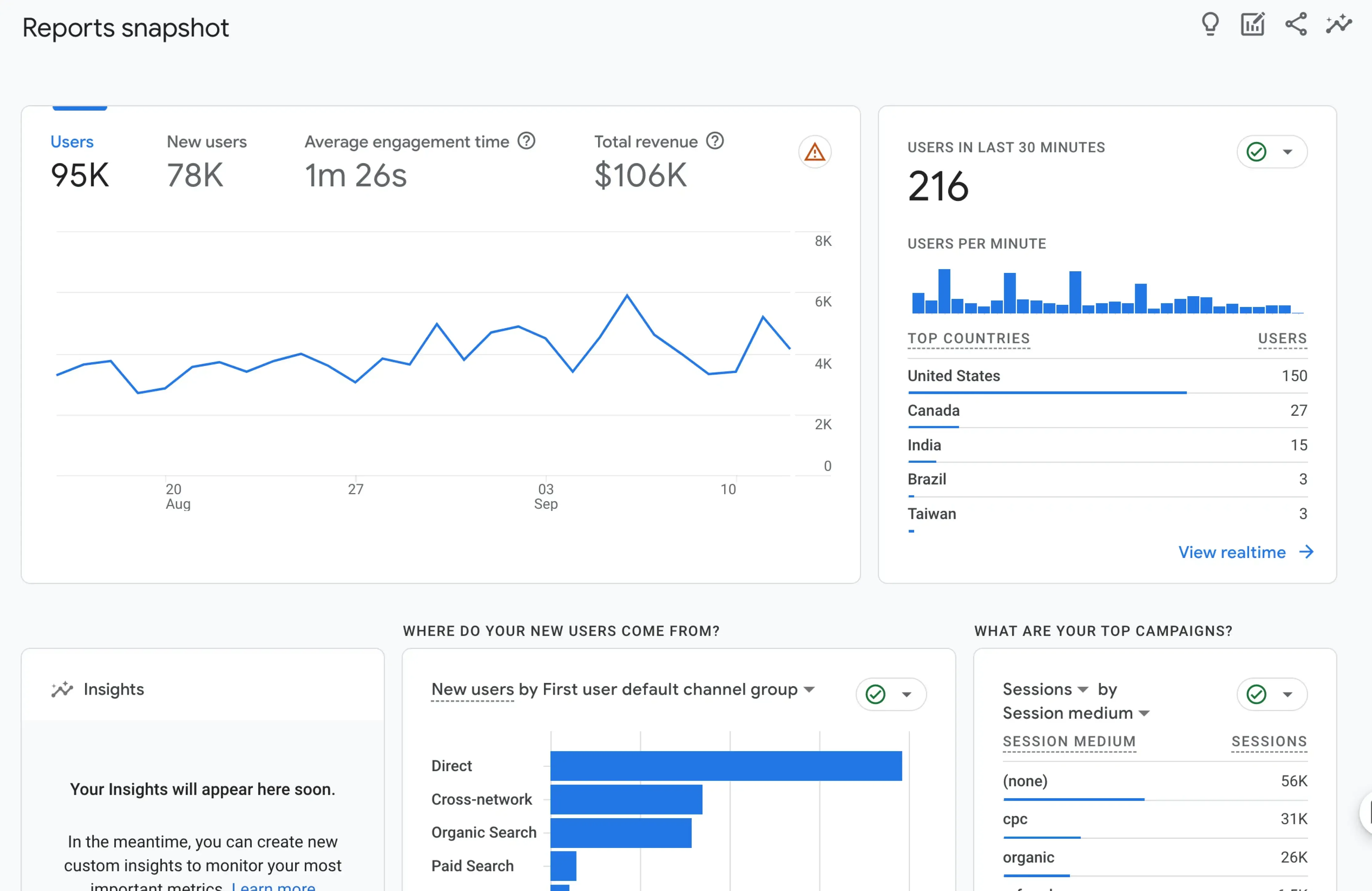
Google Analytics is a powerful web analytics tool that provides valuable insights into website traffic, user behavior, and conversions. It helps retailers track the performance of their marketing campaigns, measure the effectiveness of different channels, and make data-driven decisions to improve marketing ROI.
Features
– Website traffic analysis
– Conversion tracking
– Channel performance measurement
– Behavior analysis
– Customizable reports
– E-commerce tracking
– Real-time data
– Goal tracking
– Segmentation
#3 Retail Marketing Software - Salesforce Marketing Cloud
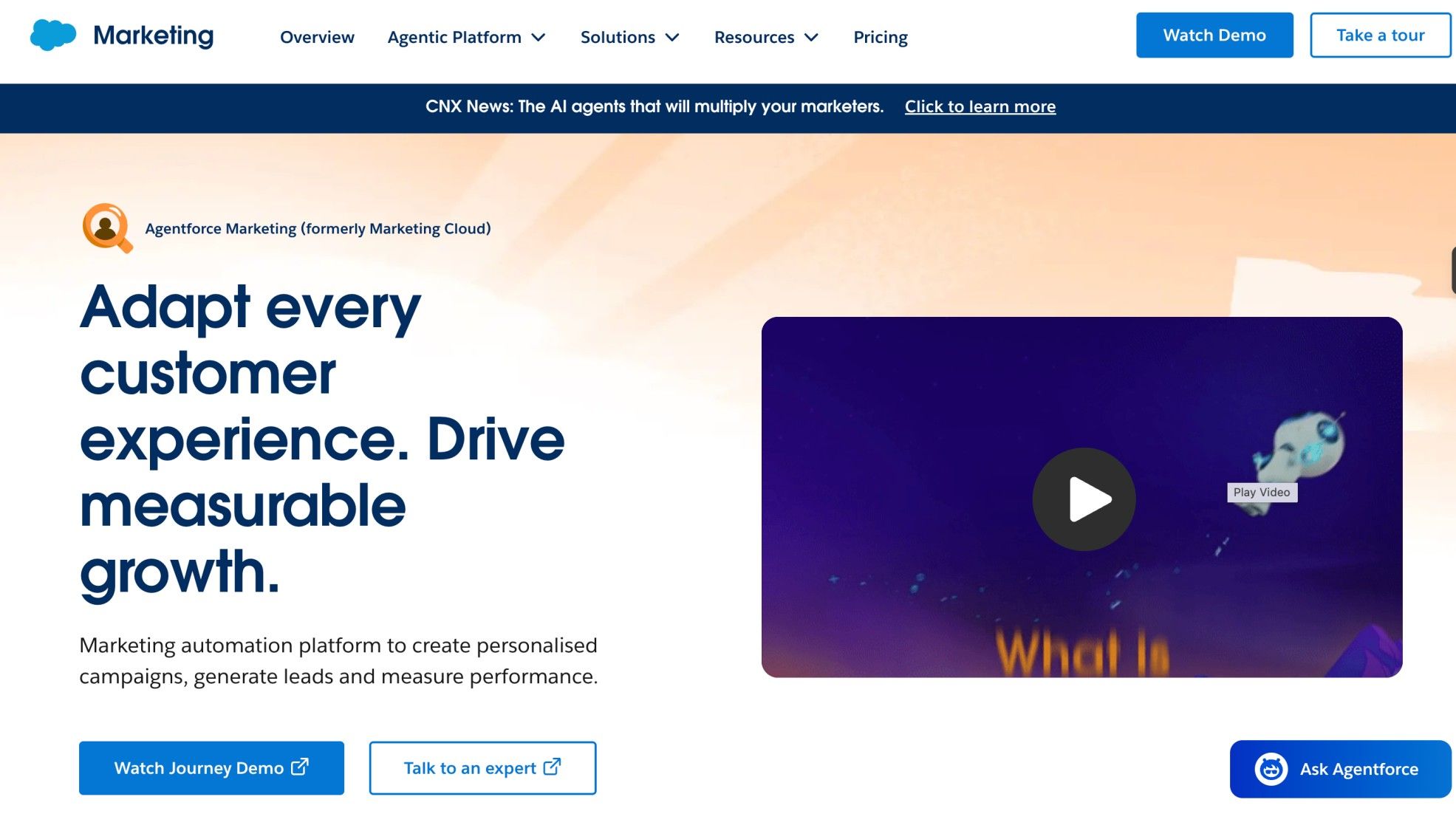
Salesforce Marketing Cloud is a robust marketing automation platform that enables retailers to deliver personalized, targeted campaigns across multiple channels. It offers features such as email marketing, social media management, customer journey mapping, and advanced analytics to enhance customer engagement and drive sales.
Features
– Email marketing
– Social media management
– Customer journey mapping
– Advanced analytics
– Personalization
– Automation
– Mobile marketing
– Audience segmentation
– A/B testing
#4 Retail Marketing Software - HubSpot CRM
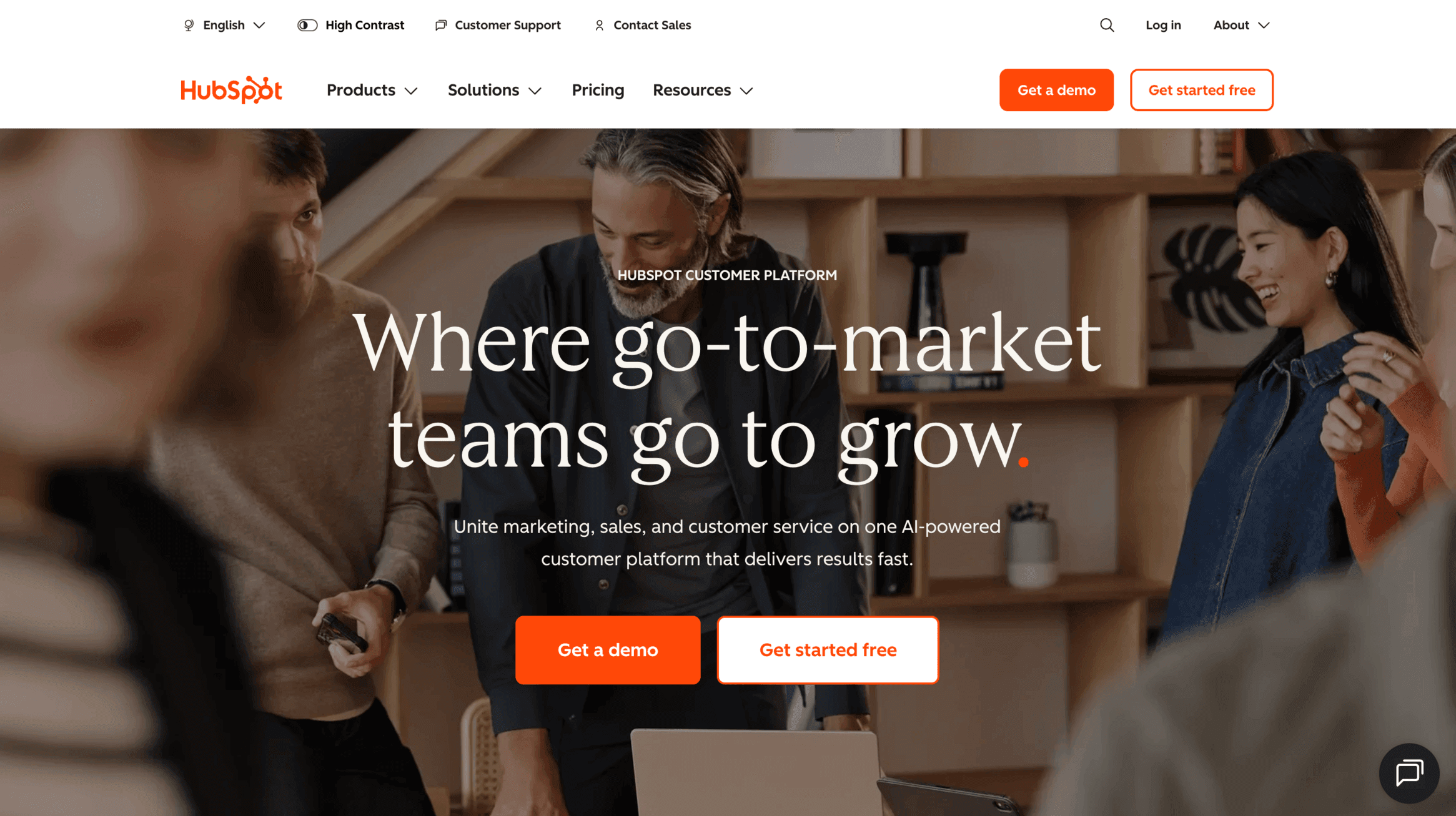
HubSpot CRM is a popular customer relationship management (CRM) platform that includes marketing automation tools. It helps retailers manage customer interactions, track leads, and automate marketing workflows. With HubSpot CRM, businesses can nurture leads, segment their audience, and deliver personalized marketing messages.
Features
– Customer relationship management
– Lead tracking
– Marketing automation
– Lead nurturing
– Audience segmentation
– Email marketing
– Sales analytics
– Reporting and analytics
– Integration with other tools
#5 Retail Marketing Service - Marketo

Marketo is a comprehensive marketing automation software designed to streamline marketing processes and generate leads. It offers features like lead nurturing, email marketing, campaign management, and advanced analytics. Marketo enables retailers to engage customers at every stage of the buying journey and drive conversions.
Features
– Lead nurturing
– Email marketing
– Campaign management
– Advanced analytics
– Marketing automation
– Customer segmentation
– Landing page optimization
– Social media marketing
– Personalization
#6 Retail Marketing Tool - WebFX
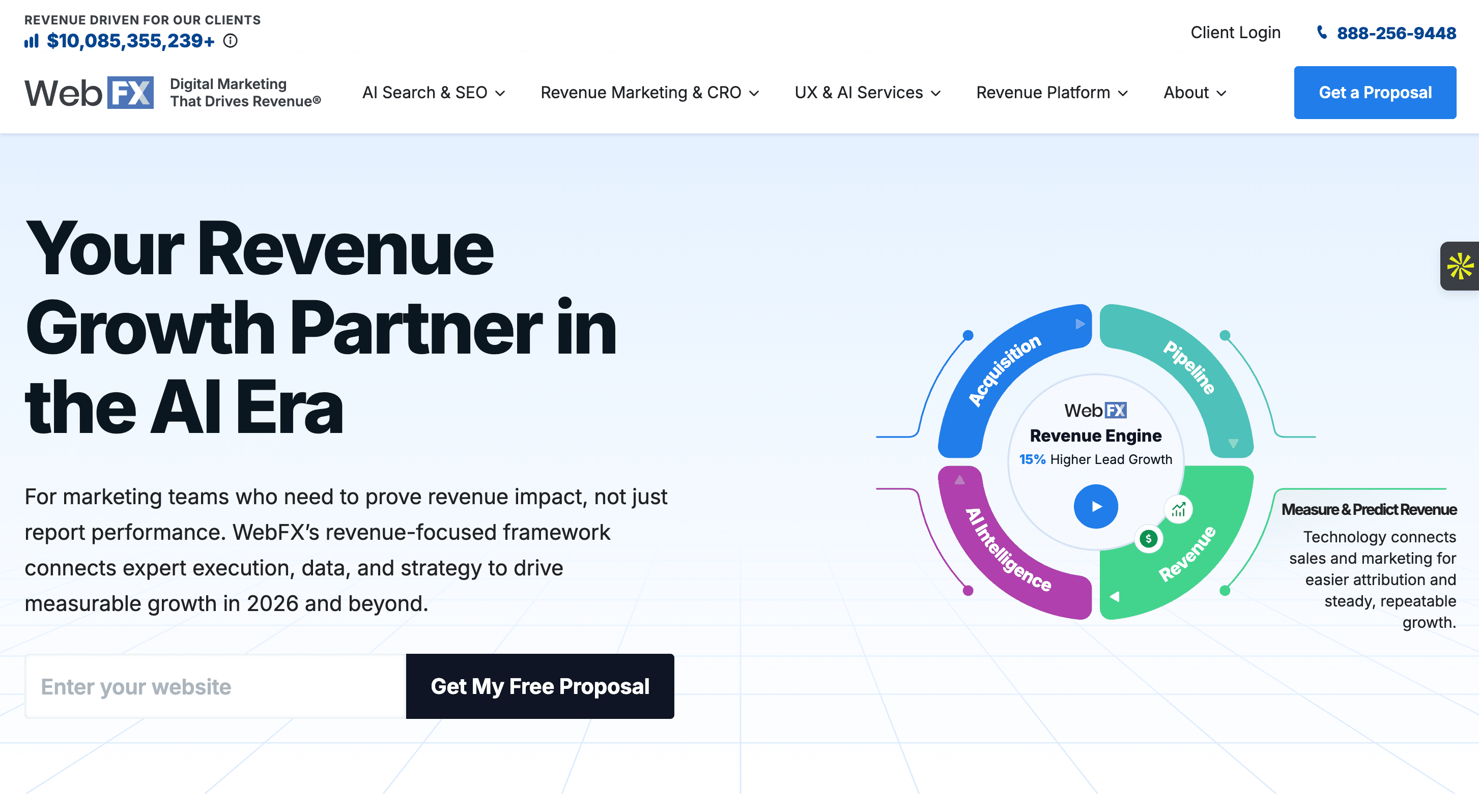
WebFX is a digital marketing agency that provides a range of services to help retailers enhance their online presence. From search engine optimization (SEO) and pay-per-click (PPC) advertising to social media marketing and content creation, WebFX offers tailored solutions to increase brand visibility and drive targeted traffic.
Features
– Search engine optimization (SEO)
– Pay-per-click (PPC) advertising
– Social media marketing
– Content creation
– Website design and development
– Conversion rate optimization (CRO)
– Analytics and reporting
– Email marketing
– Reputation management
#7 Retail Marketing Service - Retail Marketing Group

Retail Marketing Group specializes in retail marketing strategies and offers services such as visual merchandising, retail design, and shopper marketing. They help retailers create engaging in-store experiences, optimize store layouts, and develop effective hyperlocal marketing campaigns to attract and retain customers.
Features
– Visual merchandising
– Retail design
– Shopper marketing
– In-store experiences
– Marketing campaign development
– Customer journey mapping
– Data-driven insights
– Branding and positioning
– Sales and promotions
#8 Retail Marketing Tool - WebEngage
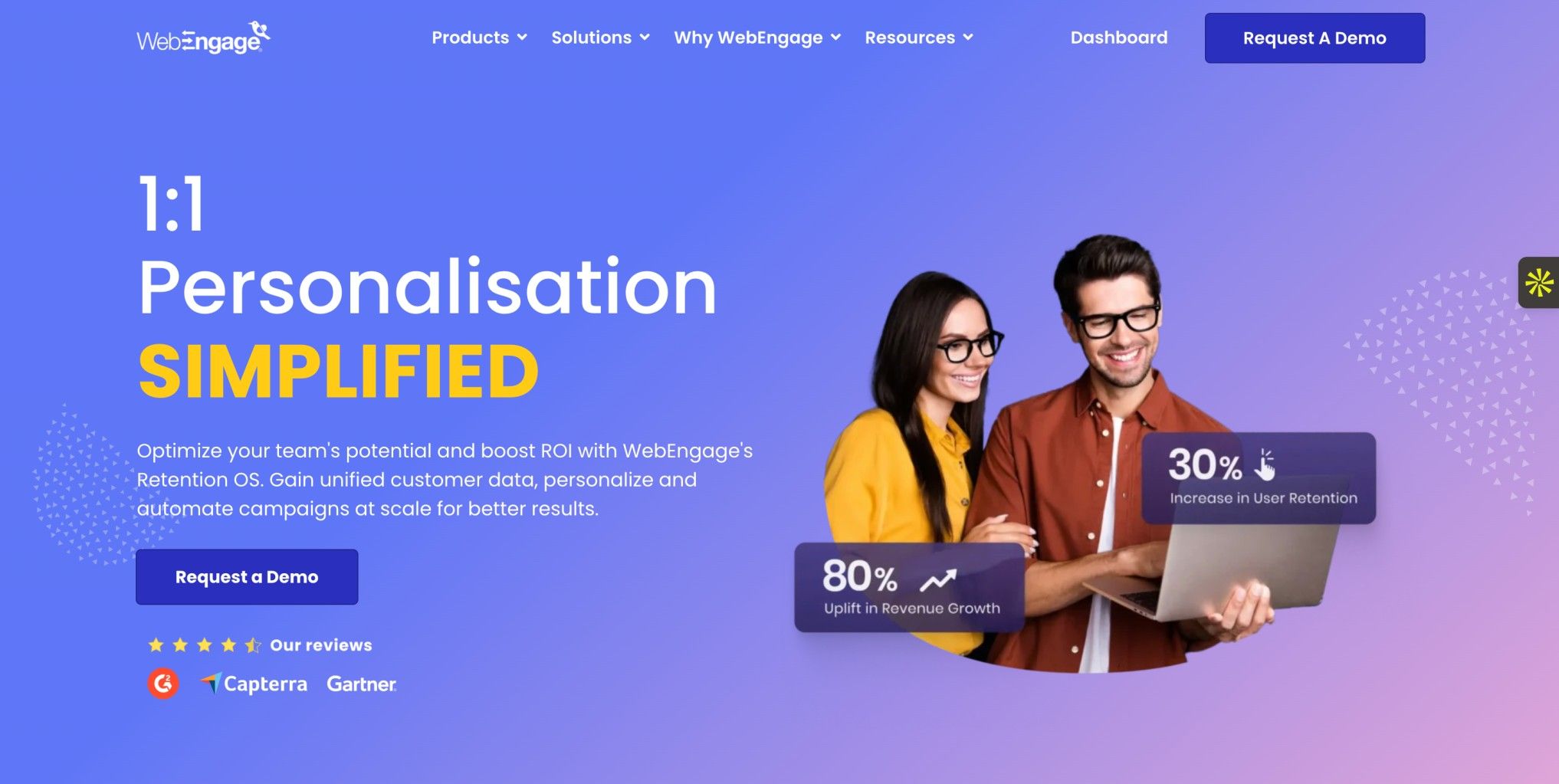
WebEngage is a customer engagement platform that enables retailers to create personalized and contextual marketing campaigns across multiple channels. It offers features like user segmentation, in-app messaging, push notifications, and feedback management. WebEngage helps retailers drive customer engagement, improve retention, and boost conversions.
Features
– User segmentation
– In-app messaging
– Push notifications
– Feedback management
– Multi-channel campaigns
– Journey automation
– Analytics and reporting
– Personalization
#9 Retail Marketing Tool - SnapRetail

SnapRetail is a marketing automation platform specifically designed for small retailers. It offers features like email marketing, social media scheduling, content creation, and campaign management. SnapRetail simplifies marketing processes for small retailers, allowing them to engage customers and drive sales effectively.
Features
– Email marketing
– Social media scheduling
– Content creation
– Campaign management
– Marketing automation
– Customer segmentation
– Analytics and reporting
– Sales promotion management
– Loyalty program integration
#10 Retail Marketing Service - Colateral
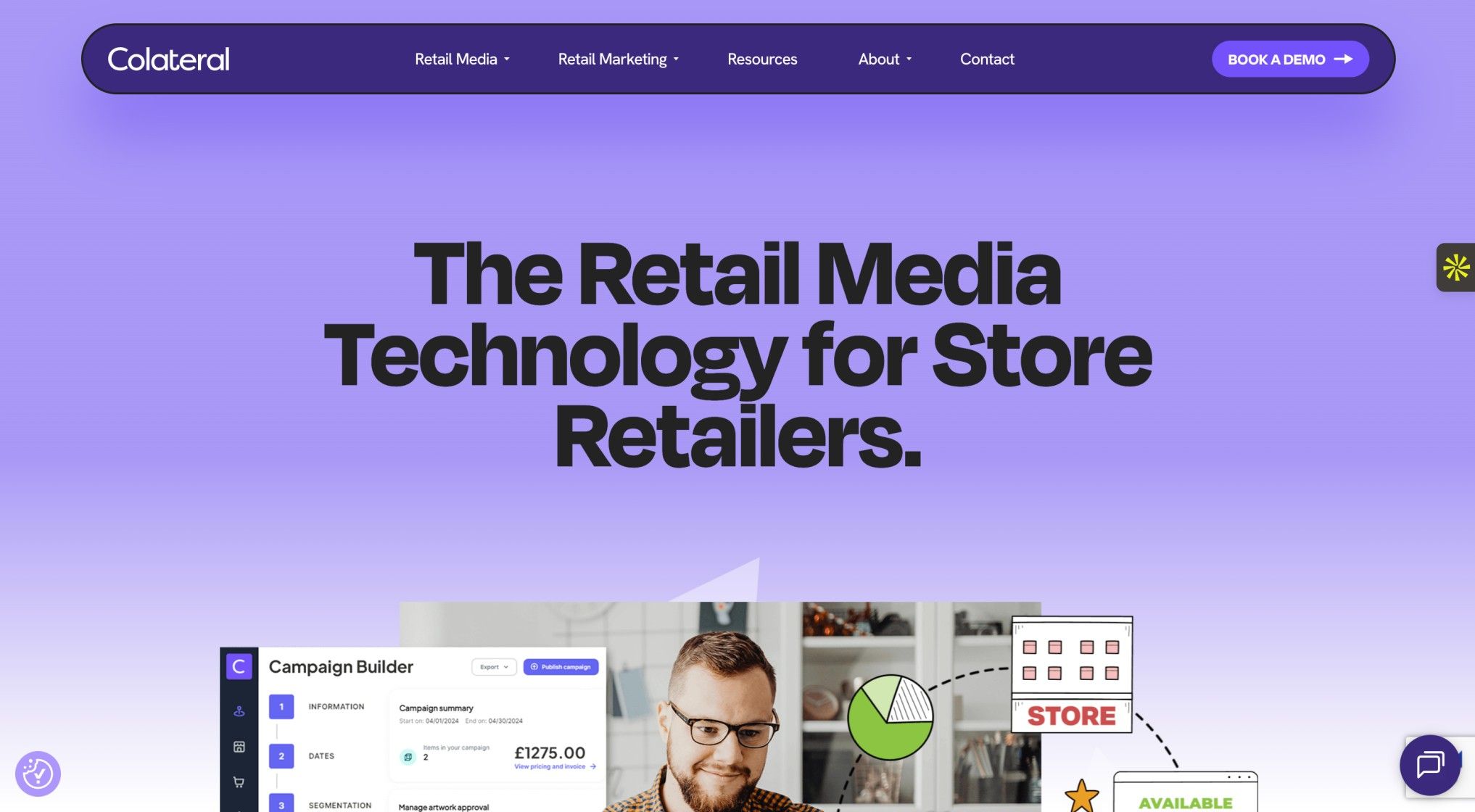
Colateral is a digital asset management platform tailored for retailers. It helps businesses manage and distribute marketing assets, such as images, videos, and product information, across different channels. With Colateral, retailers can streamline their marketing collateral management, ensure brand consistency, and improve overall marketing efficiency.
Features
– Digital asset management
– Asset distribution
– Version control
– Collaboration tools
– Analytics and reporting
– Brand management
– Workflow automation
– Permissions and access control
Retail Marketing Automation and AI Personalization
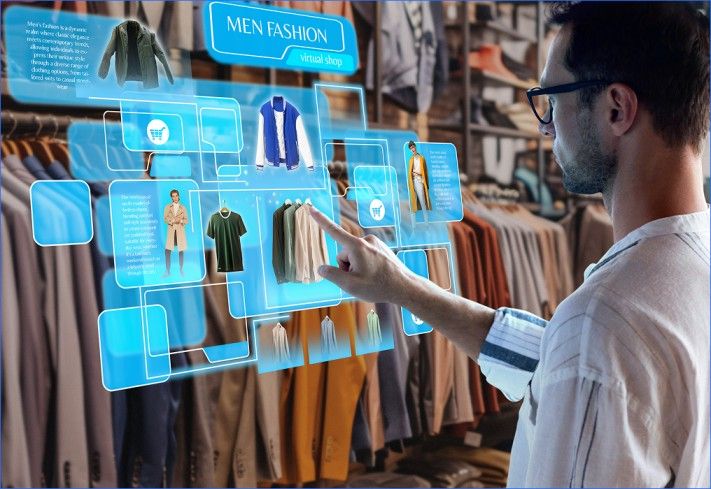
Automation and AI are reshaping how retail brands engage customers. Here's what's happening in 2026.
1. Customer Segmentation and Unified Profiles
Your customer data lives in multiple systems. Email platform, CRM, analytics, loyalty program. Unified customer profiles bring all this data together. You see the complete picture: what they bought, what they browsed, when they last visited, their preferences. AI automatically creates segments based on behavior. High-value customers get different treatment than one-time buyers. This intelligence drives everything else.
2. Automated Email, SMS, Push, and Paid Campaigns
Set it and forget it doesn't work. But smart automation does. When a customer abandons a cart, they automatically get a reminder email in 2 hours. When they buy something, they get a thank you SMS. When they haven't visited in 30 days, they get a win-back push notification. Different customers get different messages at different times. Automation saves time while improving results. Brands using automation see 40-50% higher response rates than manual campaigns.
3. AI Recommendations and Personalized Offers
Generic offers don't work. AI learns what each customer actually wants. If someone browses running shoes, they see running shoe recommendations and running apparel offers. If someone buys luxury items, they see luxury product suggestions. These personalized recommendations increase average order value. Customers feel like the brand understands them. This drives loyalty and repeat purchases.
4. Store-Level and Local Campaign Automation
National campaigns waste money. Local automation sends different messages to different stores based on local inventory, competition, and customer behavior. Store A has excess inventory on winter coats, so they get a coat promotion. Store B is overstocked on summer items, so they get a different offer. Automation handles the complexity of managing dozens or hundreds of stores with different needs.
5. Campaign Performance Reporting and Optimization
Automation doesn't mean set and forget. Smart platforms track what works and what doesn't. Email open rates. Click-through rates. Conversion rates. Revenue per campaign. The system learns and optimizes automatically. Campaigns that underperform get paused. Campaigns that work get boosted. This continuous optimization means better results without manual work.
Discover automation strategies that save time while improving campaign performance and customer engagement:
Retail Marketing KPIs Every Platform Should Track
You can't improve what you don't measure. Here are the KPIs that actually matter for retail marketing.
1. Customer Acquisition Cost
How much does it cost to acquire one new customer? Calculate total marketing spend divided by new customers acquired. If you spend ₹10,000 and get 100 customers, CAC is ₹100. Track this by channel so you know which marketing investments work best. Rising CAC means your marketing is getting less efficient.
2. Store Visits and Online-to-Offline Conversions
Digital campaigns should drive physical foot traffic. Track how many store visits come from online campaigns. Which ads, emails, or offers actually bring people into stores? This bridges the gap between digital marketing spend and actual sales at physical locations.
3. Campaign Conversion Rate
What percentage of people who see your campaign actually buy? Email conversion rate. Ad conversion rate. Offer redemption rate. Higher conversion means better targeting or messaging. Track by campaign type so you know which approaches work best.
4. Repeat Purchase Rate
How many customers buy more than once? Growing this matters more than customer acquisition. Repeat customers are more profitable. If repeat purchase rate is dropping, your customer experience or product needs attention.
5. Customer Lifetime Value
How much will a customer spend with you over their lifetime? Calculate average purchase value multiplied by purchase frequency multiplied by customer lifespan. This tells you how much you should spend to acquire each customer. High CLV means you can spend more on acquisition.
6. Average Order Value
How much does the average customer spend per transaction? Increasing AOV is often easier than acquiring new customers. Track which products, bundles, or offers increase AOV. Personalized recommendations and upselling can significantly boost this metric.
7. Offer Redemption Rate
What percentage of customers actually use your promotions? Low redemption means offers aren't compelling or aren't reaching the right customers. Track by offer type to see which discounts, bundles, or deals work best.
8. Revenue by Campaign and Location
Which campaigns drive the most revenue? Which store locations perform best? Track revenue by campaign source and by location. This shows which marketing investments actually drive sales. Store-level data helps you optimize local campaigns.
9. Why These Matter
These eight KPIs connect marketing spend to actual business results. They show what's working and what's wasting money. Retail brands using these metrics optimize faster and grow more efficiently than those guessing.
How to Choose the Right Retail Marketing Services & Software
When selecting the appropriate retail marketing services and software, it is essential to follow these guidelines:
1. Determine Your Objectives
It is important to clearly define your marketing goals. Additionally, identify the specific areas in retail marketing where you require support. This could include customer engagement or social media marketing.
2. Evaluate Your Requirements
Assess your existing marketing capabilities and pinpoint any gaps or areas that need improvement. Identify the specific features and functionalities you need from a retail marketing service or software to address these requirements effectively.
3. Conduct Research and Comparison
Begin by conducting comprehensive research to identify potential retail marketing service providers or software solutions. Then, compare their offerings, features, pricing, customer reviews, and market reputation.
4. Considering Scalability and Flexibility
It is imperative to choose a retail marketing service or software that can effectively handle the growth of your business and easily adapt to ever-changing market trends and customer demands.
5. Integration Capabilities
Check whether the retail marketing service or software can seamlessly integrate with your existing systems, such as CRM or e-commerce platforms. This allows for smooth data flow and increased operational efficiency.
6. Support and Training
Evaluate the level of customer support and training provided by the service provider or software vendor. Look for resources, documentation, and training materials that will assist you in effectively utilizing the retail marketing service or software.
7. Trial and Feedback
Whenever possible, take advantage of free trials or demos to test the service or software. Gather feedback from your team and stakeholders to ensure it meets their needs and aligns with their expectations.
By following these guidelines, you can make an informed decision when selecting retail marketing services and software that align with your business objectives, enhance your marketing efforts, and drive success in the retail industry.
Expand your knowledge of the retail industry in 2026 with this comprehensive article showcased in the Times of India, providing valuable insights to help you navigate the world of retail.
Frequently Asked Questions (FAQs)
1. What are retail marketing services?
Retail marketing services help brands attract shoppers, run campaigns, improve customer engagement, promote products, and increase store or online sales. Services include strategy development, campaign management, content creation, CRM setup, analytics, local marketing support, and advertising management. Agencies or specialist teams provide these services. Best for brands that want expert support without hiring in-house marketing staff.
2. What is retail marketing software?
Retail marketing software helps retailers manage campaigns, customer data, segmentation, automation, promotions, analytics, loyalty programs, and omnichannel communication from one or more platforms. Software gives brands tools to manage marketing internally instead of outsourcing to agencies. Includes CRM, email marketing, social media management, analytics, and automation capabilities. Best for brands wanting control and the ability to scale.
3. What is the difference between retail marketing services and retail marketing software?
Retail marketing services are handled by an agency or specialist team who manages your campaigns on your behalf. You provide direction, they execute. Retail marketing software gives your internal team tools to manage campaigns themselves. Services require less in-house expertise but cost more. Software requires trained staff but gives more control and long-term cost savings.
4. What features should retail marketing software include?
Essential features include CRM for customer data management, customer segmentation for targeted messaging, campaign automation for workflows, analytics and reporting for performance tracking, loyalty program management, offer and promotion management, omnichannel messaging across email/SMS/push, store-level reporting for multi-location brands, and integration with ecommerce platforms or POS systems. The best retail marketing software connects all these pieces.
5. How do you choose the best retail marketing tool?
Start by defining your campaign goals and identifying what you need to improve. Decide if you need a service, software, or tool. List your specific requirements: CRM, automation, analytics, local management, store-level reporting. Check integration capabilities with your existing systems. Review implementation effort, training, and support. Compare pricing with your team size and campaign volume. Test with free trials before committing.
Conclusion
In summary, the top 10 trending retail marketing software and services for 2026 provide retailers with innovative solutions to enhance their strategies, improve customer experiences, and stay competitive. These retail marketing tools offer growth opportunities and drive customer engagement, allowing businesses to succeed in the evolving retail landscape. Retailers need to stay updated with these trends to thrive in the years ahead.
Take the Advantage of Sekel Tech’s Retail Marketing Services
Take advantage of Sekel Tech’s retail marketing services to boost your brand’s visibility and attract more customers in your area. With their expertise and innovative solutions, Sekel Tech can help you create effective marketing strategies tailored to your specific location and target audience. Their services encompass various aspects of local business marketing, including local SEO, hyperlocal listing management, reputation management, and dynamic hyperlocal marketing. By leveraging Sekel Tech’s retail marketing services, you can enhance your online presence, reach a wider audience, and drive more foot traffic to your business. Don’t miss out on the opportunity to maximize your local marketing efforts with Sekel Tech’s professional services.
Share


Similar Blogs
Loved this content?
Sign up for our newsletter and get the latest tips & updates directly in your inbox.
There’s more where that came from!
 Connect with us