
Retail Sales
How to Increase Retail Sales for New and Existing Dealers in 2026
Fri, 23 Aug 2024 12:57:08 GMT
Speak to our Hyperlocal Expert
Editor’s Note: This post was originally published in Oct 2022 and was updated in Jun 2026 for accuracy and comprehensiveness.
Increasing retail sales for new and existing dealers refers to the process of boosting revenue generated through the sale of goods and services to consumers. It's a crucial goal for any retail business, as it directly impacts profitability and overall success.
By focusing on strategies that enhance dealer engagement, streamline operations, and deliver personalised experiences, businesses can effectively address the challenge of how to increase retail sales for new and existing dealers.
This guide will explore effective tactics tailored specifically for both new and established dealers, helping you maximise revenue and solidify your market position.
What Are Retail Sales?

Retail sales refer to the total value of goods and services sold directly to end consumers through physical stores, online platforms, or a combination of both. Every transaction where a product moves from a business to a final buyer counts as a retail sale.
For dealers and distributors, retail sales are the direct measure of how effectively the business is converting customer interest into actual revenue. High foot traffic with low conversion means a sales problem. Low foot traffic with high conversion means a visibility problem. Understanding which one you are dealing with determines which strategies will actually move the needle.
Retail sales data also reveals broader patterns. Which products are moving, which locations are underperforming, which customer segments are buying most frequently, and which marketing channels are driving real store visits versus just impressions. Without tracking retail sales at this level of detail, growth strategies are built on assumptions rather than evidence.
What are Increase Retail Sales?
Increasing retail sales involves implementing strategies and actions designed to boost the revenue generated from selling goods and services to consumers. This can include optimising sales processes, enhancing customer experiences, expanding product offerings, and utilising targeted marketing campaigns. The goal is to drive higher sales volumes and revenue growth, improve profitability, and strengthen market position.
Why are retail sales important?
- Revenue generation
Retail sales are the primary source of income for most retail businesses.
- Business performance
Sales data can help assess the effectiveness of marketing strategies, pricing, product offerings, and store operations.
- Economic indicator
Retail sales are often used as an indicator of overall economic health, as they can reflect consumer spending patterns and confidence.
Current Retail Sales Trends and Statistics
E-commerce continues to rise, projected to exceed $6 trillion globally in 2025, driven by consumer preference for online shopping. Omnichannel shopping is key, with 75% of consumers using multiple channels, emphasising the need for seamless integration between digital and physical retail. Personalization through AI and data analytics is enhancing customer engagement, while sustainability is becoming a priority, with eco-friendly practices driving customer loyalty. Mobile commerce now accounts for over 50% of global e-commerce sales, pushing retailers to optimise mobile platforms. Physical stores are evolving into experiential spaces to attract customers, while social commerce and subscription models offer new revenue streams. Retail technology, including AR, VR, and IoT, is enhancing the shopping experience, and global market variations highlight the importance of adapting strategies to different regions.
Importance of Adapting to Changes and Staying Competitive
In the rapidly evolving retail landscape, adapting to changes is essential for those looking to understand how to increase retail sales for new and existing dealers. Consumer behaviour, technology, and market dynamics are constantly shifting, and dealers who do not adapt risk falling behind. Embracing innovation, adopting new technologies, and staying attuned to customer preferences are key strategies to increase retail sales and maintain a competitive edge. By doing so, dealers can not only meet current demands but also anticipate future trends, ensuring long-term success in the retail industry.
Challenges Faced by New and Existing Dealers in the Retail Market
1. Market Saturation & Competition
New dealers struggle to enter crowded markets, while existing dealers must constantly innovate to maintain their market share.
2. Changing Consumer Behaviour
Adapting to evolving consumer preferences, such as online shopping and personalization, is crucial for both new and established dealers.
3. Financial Constraints
New dealers face limited capital for necessary investments, while existing dealers need to balance costs with the need for innovation.
4. Omnichannel Retailing
Integrating and managing multiple sales channels is complex, requiring significant resources and coordination for both new and existing dealers.
5. Lead Capture in Retail (Online and Offline)
Effectively capturing and converting leads across online and offline channels is essential for growth but can be challenging for all dealers.
6. Frictionless Omnichannel Transition
Ensuring a seamless experience across different sales channels requires careful planning and robust technology, which can be difficult to achieve.
7. Inventory Management Challenge
Balancing inventory levels to meet customer demand without overstocking is a critical challenge, especially when managing multiple sales channels.
8. Customer Relationships & Retention
Building trust and loyalty is difficult for new dealers, while established dealers must continuously work to maintain and deepen customer relationships.
9. Regulatory Compliance & Technological Integration
Navigating complex regulations and integrating new technologies into existing systems is resource-intensive and challenging.
10. Brand Visibility & Marketing
New dealers need to build brand awareness in a competitive market, while existing dealers must continuously evolve their marketing strategies to stay relevant.
To further explore how to overcome the challenges faced by new and existing dealers in the evolving retail landscape, watch this quick video for a better understanding.
Why Retail Sales Are Stagnating or Falling
Most dealers experiencing flat or declining retail sales are dealing with one or more of these specific problems.
1. Invisible in Local Search
Customers searching for products nearby cannot find your store. Incomplete Google Business Profiles, inconsistent listings across directories, and poor local SEO mean competitors with inferior products are winning customers simply by being easier to find.
2. Poor Follow-Up on Leads
High-intent inquiries from calls, WhatsApp, and online forms go unanswered for hours or days. By the time follow-up happens the customer has already bought elsewhere. Speed of response is one of the single strongest predictors of retail sales conversion.
3. Generic Customer Experience
Customers receive the same messaging, offers, and service regardless of their purchase history or location. In 2026 generic experiences get ignored. Personalised experiences drive repeat purchases.
4. Disconnected Online and Offline Channels
Customers research online and buy in-store or vice versa. Dealers running online and offline operations as separate systems create friction at exactly the moment customers are ready to purchase.
5. Outdated Inventory Visibility
Customers arrive at stores or check online to find products unavailable or information inaccurate. Every stockout or inaccurate listing is a lost sale that often goes directly to a competitor.
Watch how Sekel Tech's hyperlocal platform helps dealers overcome the most common retail sales challenges and drive consistent store growth.
How to Increase Retail Sales for New and Existing Dealers: 30 Key Strategies
1. Build a Strong Brand Identity
Building a strong brand identity is crucial for new dealers to differentiate themselves in a competitive market. Sekel Tech's solutions help create a memorable brand image and position through targeted digital marketing tools, enhancing visibility and fostering brand loyalty.
Read Also - Importance of Digital Brand Identity Across Physical Stores
2. Conduct Effective Market Research
Effective market research is essential for understanding customer needs and preferences. Sekel Tech’s data analytics tools provide valuable insights into market trends and customer behaviour, helping new dealers make informed decisions and identify key opportunities.
3. Develop a Comprehensive Business Plan
A comprehensive business plan provides a roadmap for success. Sekel Tech's strategic planning tools assist new dealers in setting clear goals, outlining retail sales strategies, and crafting effective marketing plans to achieve their business objectives.
4. Leverage Digital Marketing
Establishing a robust online presence is vital. Sekel Tech offers a suite of digital marketing tools, including SEO, content marketing, and PPC campaigns, to drive traffic, increase brand visibility, and attract potential customers.
Read Also - How a Good Hyperlocal Digital Marketing Strategy Boosts Sales
5. Establish Strong Supplier Relationships
Building strong supplier relationships is key for reliable supply chains. Sekel Tech’s platform supports new dealers in negotiating better terms and managing supplier interactions efficiently, ensuring a steady product flow.
6. Enhance Customer Experience
Improving the customer experience fosters loyalty. Sekel Tech’s CRM and loyalty program features help existing dealers provide exceptional service, personalise interactions, and implement effective loyalty programs to boost customer satisfaction.
7. Utilise Data Analytics
Data analytics provides insights into sales trends and customer behaviour. Sekel Tech’s Real Time Conversion Analytics tools help existing dealers analyse data, identify growth opportunities, and use CRM systems for targeted marketing and retention.
8. Expand Product Offerings
Expanding product offerings meets evolving customer needs. Sekel Tech’s market analysis and product management tools assist existing dealers in identifying gaps and introducing new products based on customer feedback.
9. Improve In-Store Experience
Enhancing the in-store experience involves optimising layout and staff training. Sekel Tech’s tools can help dealers manage in-store operations, improve staff interactions, and create a more engaging shopping environment.
10. Implement Omnichannel Strategies
Integrating online and offline sales channels is essential. Sekel Tech’s omni-channel marketing solutions enable existing dealers to offer seamless shopping experiences, including services like Buy Online, Pick Up In-Store (BOPIS).
11. Optimise Google My Business (GMB) Profiles
Optimising GMB profiles improves local search visibility. Sekel Tech’s tools help maintain dynamic store locators and up-to-date listings to enhance local SEO and drive foot traffic.
Read Also - Step-by-Step Google My Business Optimisation Guide in 2025
12. Leverage Microsites
Microsites drive targeted traffic and enhance marketing. Sekel Tech supports the creation and management of microsites to promote specific campaigns or product lines effectively.
Read Also - Importance of Microsites for Store Discovery in 2025
13. Implement Customer Service with IVR Systems
IVR systems streamline customer service. Sekel Tech offers automated response solutions that manage customer inquiries and reviews efficiently, improving service quality.
14. Utilise Meta Ads & Google Ads
Targeted ads boost visibility and sales. Sekel Tech’s ad management tools help dealers run effective campaigns on Meta and Google, driving traffic and generating leads.
15. Integrate Social Media Feeds
Social media feeds engage customers and keep content fresh. Sekel Tech’s integration solutions help dealers showcase real-time updates and interact with customers via their social media channels.
16. Collect and Utilise First-Party Data
First-party data enhances personalization. Sekel Tech’s data management tools help dealers collect, manage, and utilise first-party data to improve marketing strategies and customer engagement.
Watch this quick video for a better understanding on "Harnessing First-Party Data: Sekel's Game-Changing Approach"
17. Optimise Product Catalogue Feed
Accurate product information boosts visibility. Sekel Tech’s product management tools ensure that product catalogues are updated and accurate, improving the shopping experience.
18. Expand Through Marketplace Integration
Marketplace integration reaches a broader audience. Sekel Tech supports dealers in listing products on various online marketplaces, driving additional sales and expanding reach.
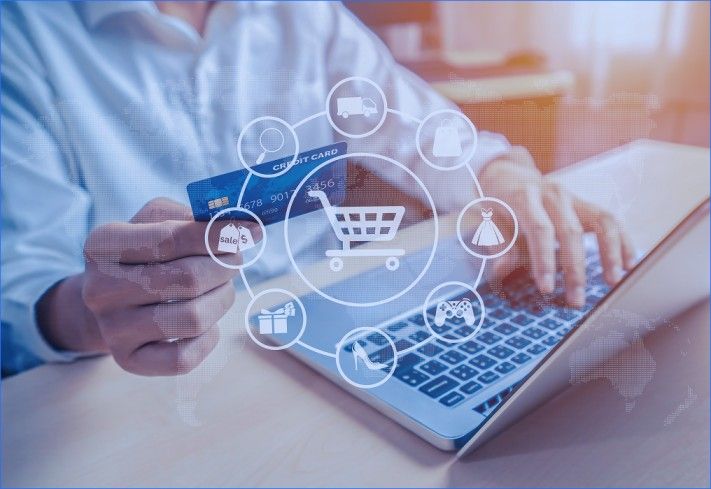
19. Implement AI Agents for Engagement
AI chatbots enhance customer engagement. Sekel Tech’s AI solutions provide instant responses and handle inquiries, improving customer service efficiency.
20. Ensure Consent Management
Effective consent management ensures compliance. Sekel Tech’s consent management tools help dealers handle customer data responsibly and maintain trust.
21. Utilise Comprehensive Systems (CDP, CRM, LMS, PIMS)
Integrated systems streamline operations. Sekel Tech offers comprehensive platforms like CDP, CRM, LMS, and PIMS to manage data, customer interactions, and product information efficiently.

22. Optimise Sales with SellrApp
SellrApp boosts sales and engagement. Sekel Tech’s SellrApp provides tools for inventory management, sales tracking, and customer interactions, enhancing overall performance.
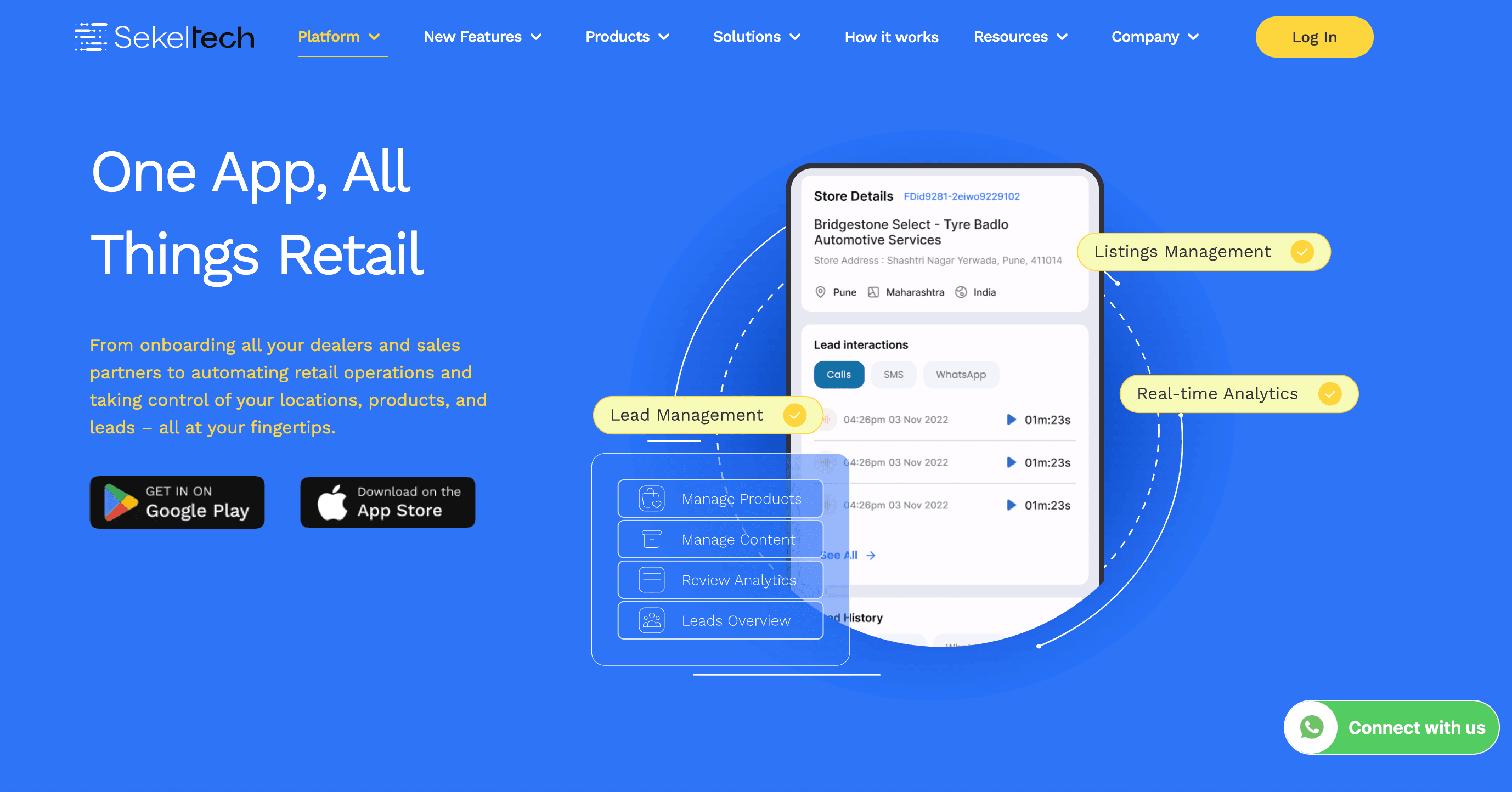
23. Leverage Dynamic Store2Door Omni Commerce
Sekel Tech’s Hyperlocal Discovery & Omnicommerce Platform integrates online and offline channels with Dynamic Store2Door Omni Commerce features. This advanced platform supports local engagement, streamlines operations, and enhances overall sales performance by delivering a seamless and integrated shopping experience.
24. Develop a Robust Digital Infrastructure
A strong digital infrastructure supports seamless transitions. Sekel Tech provides robust technology solutions that ensure smooth integration between online and offline channels, enhancing operational efficiency.
25. Create a Frictionless Omnichannel Experience
Achieving a frictionless omnichannel experience requires centralised data. Sekel Tech’s Customer Data Platform combines online and offline customer information for a unified view, ensuring smooth transitions between sales channels.
26. Implement Effective Loyalty Programs
Loyalty programs build stronger customer relationships. Sekel Tech’s CRM and loyalty program features help dealers offer personalised rewards and incentives, enhancing customer retention.
27. Utilise Programmatic Ad-Buying Platforms
Programmatic ad-buying platforms optimise ad spend. Sekel Tech’s platform allows dealers to run efficient ad campaigns, improving targeting and lead-to-sale conversions without requiring an agency.
Watch this video for a better grasp of the lead-to-sales "How Can You Bridge the Gap Between Leads and Sales in the Digital Era?"
28. Offer Flexible Purchase Options
Flexible purchase options enhance customer convenience. Sekel Tech supports services like BOPIS and easy returns, catering to various shopping preferences and driving additional sales.
29. Use Local Inventory Ads
Local inventory ads managed by Sekel Tech showcase your store's product availability in real-time. This targeted approach drives local traffic and boosts conversions by connecting with nearby customers who are ready to purchase.
Read Also - Hyperlocal Omni Commerce Local Inventory Ads: How It Works
30. Leverage Hyperlocal Discovery & Omnicommerce Platform
Sekel Tech’s Hyperlocal Discovery & Omnicommerce Platform integrates online and offline retail experiences, enhancing local visibility and customer engagement. By utilising advanced targeting and personalised marketing, you can increase footfalls, optimise sales, and deliver a seamless shopping experience across all channels.
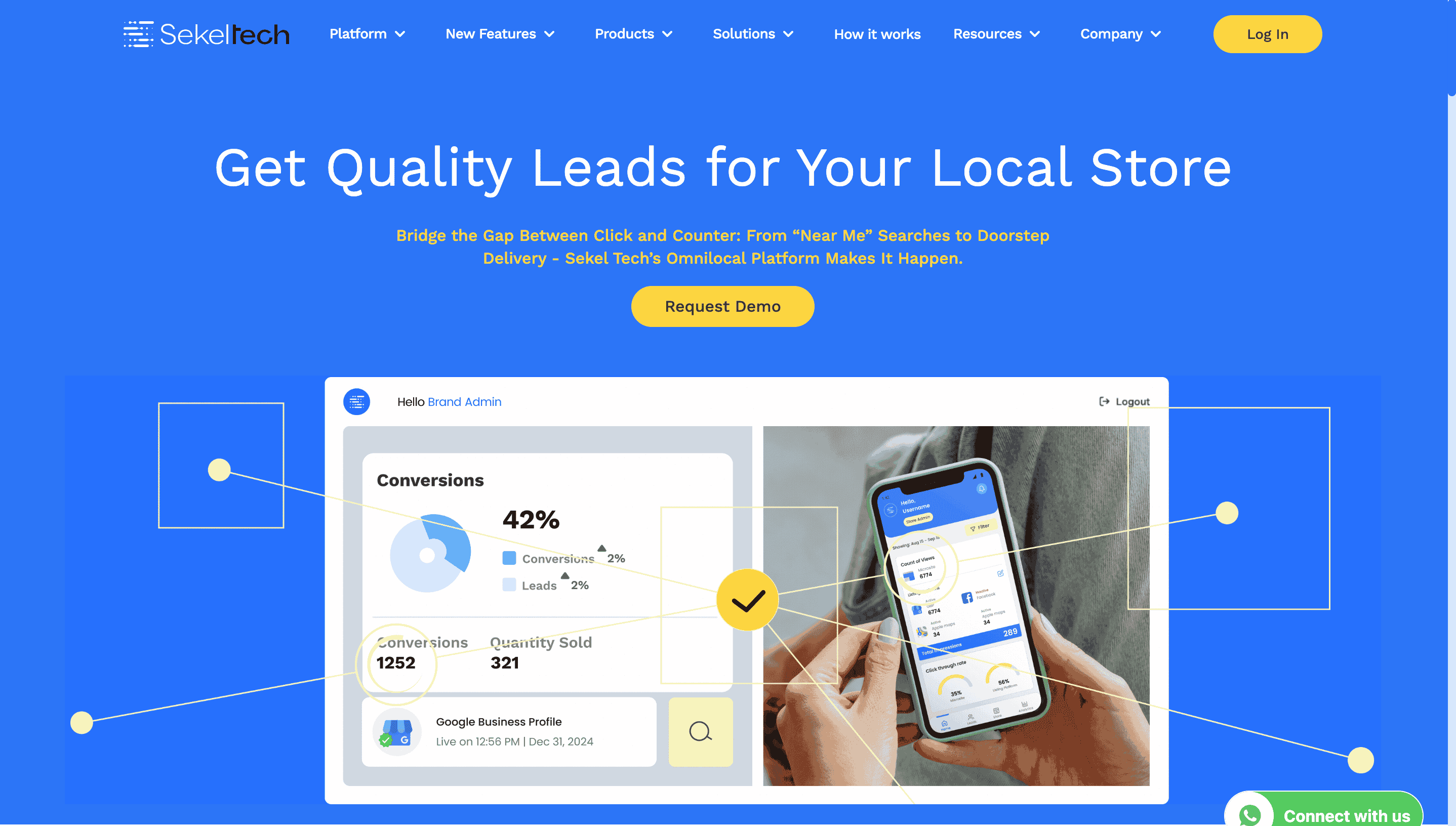
How to Increase Retail Sales and Foot Traffic Together
Foot traffic and retail sales are connected but not the same thing. More visitors do not automatically mean more revenue. The goal is qualified foot traffic from customers who are already close to a purchase decision when they walk through the door.
1. Optimise for Near Me Searches
76% of people who search for something nearby visit a business within 24 hours. Ensuring your store appears prominently in Google Maps, local search results, and voice search for relevant product queries is the most direct way to drive qualified foot traffic from people with genuine purchase intent.
2. Run Hyperlocal Campaigns
Geo-targeted campaigns within a defined radius of each store location deliver promotions and offers to nearby customers at exactly the right moment. A customer within 2 kilometres who sees a relevant offer is significantly more likely to visit than one who sees the same ad nationally.
3. Use Local Inventory Ads
Showing real-time product availability directly in search results removes the uncertainty that stops customers from visiting. When customers can see that what they want is in stock at the nearest store, conversion from search to store visit increases measurably.
4. Create Reasons to Visit
In-store only promotions, exclusive product launches, seasonal events, and community activations give customers a specific reason to visit beyond browsing. Experiences that cannot be replicated online consistently drive incremental foot traffic that digital channels alone cannot generate.
See how Sekel Tech's discovery platform drives more foot traffic, calls and walk-ins for retail store locations.
Top 10 Practical Tips on How to Increase Retail Sales for New & Existing Dealers
#1 Increase Retail Sales Tip
Utilise Dynamic Store2Door Omni-Commerce to offer a seamless online-to-offline shopping experience for customers.
#2 Increase Retail Sales Tip
Persona Building Based on First-Party Data with Sekel Tech’s tools to create accurate customer personas for targeted marketing.
#3 Increase Retail Sales Tip
Leverage Data-Driven Insights using Sekel Tech’s advanced analytics tools to understand customer behaviour and optimise sales strategies.
#4 Increase Retail Sales Tip
Implement an Organic Discovery Platform to connect with nearby customers and drive foot traffic to your stores.
#5 Increase Retail Sales Tip
Optimise Google My Business Profiles with Sekel Tech to improve local search visibility and attract more customers.
#6 Increase Retail Sales Tip
Develop Personalized Marketing Campaigns using Sekel Tech’s CRM and AI tools to create targeted offers and promotions.
#7 Increase Retail Sales Tip
Streamline Inventory Management by integrating Sekel Tech’s platform to ensure product availability and reduce overstock issues.
#8 Increase Retail Sales Tip
Implement Dealer/Location Level Bidding using Sekel Tech’s platform to optimise ad spending and maximise ROI for each dealer or location.
#9 Increase Retail Sales Tip
Boost Loyalty with Custom Programs using Sekel Tech’s inbuilt CRM to design and manage loyalty programs that reward repeat customers.
#10 Increase Retail Sales Tip
Leverage Hyperlocal Discovery & Omni-Commerce Platform to provide a unified shopping experience and drive sales growth across all channels.
Watch how Sekel Tech helps retail dealers bridge the gap between digital leads and in-store sales conversions.
Retail Analytics: How to Track and Improve Sales Performance
Retail analytics turns raw sales data into decisions that improve performance. Most dealers collect data but few use it systematically to drive measurable improvement.
Key Metrics Every Dealer Should Track:
Metric | What It Measures | Why It Matters |
| Conversion Rate | Percentage of visitors who purchase | Reveals sales effectiveness not just traffic volume |
| Average Transaction Value | Average spend per customer visit | Shows upsell and cross-sell opportunity |
| Foot Traffic by Hour | Customer visits by time of day | Optimises staff scheduling and promotions |
| Inventory Turnover | How quickly stock sells | Identifies slow-moving and fast-moving products |
| Customer Return Rate | Percentage of repeat customers | Measures loyalty programme effectiveness |
| Lead Response Time | Time between inquiry and follow-up | Directly correlates with conversion rate |
| Online to In-Store Attribution | Digital campaigns driving physical visits | Connects marketing spend to actual revenue |
| Review Score and Volume | Average rating across platforms | Influences both rankings and purchase decisions |
How to act on retail analytics:
Start by identifying your lowest performing metric. If the conversion rate is low, focus on in-store experience and staff training. If average transaction value is low, focus on product placement and upsell training. If the return rate is low, focus on post-sale engagement and loyalty programmes. Analytics without action is just reporting. The value comes from the decisions it enables.
Sekel Tech: The Complete Platform to Increase Retail Sales for Dealers
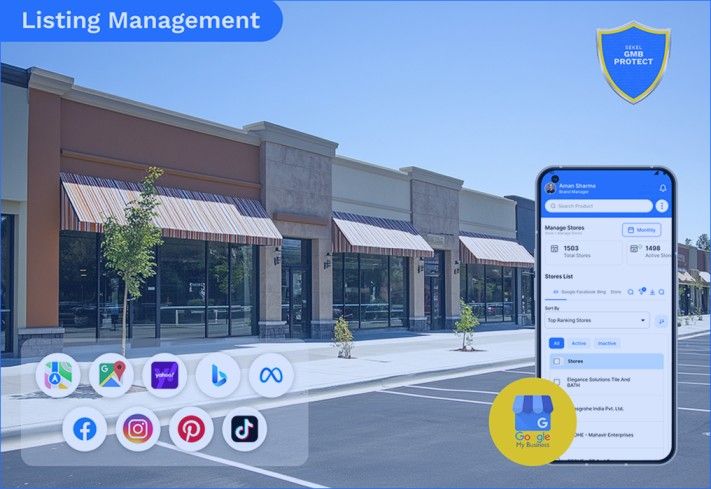
Most retail sales tools solve one problem. Sekel Tech solves the complete problem. From the moment a customer searches for your nearest store to the final post-sale interaction, every stage of the retail sales journey is connected, tracked, and continuously optimised in one intelligent platform built specifically for multi-location dealer networks.
Sales Challenge | Sekel Tech Solution |
| Low local search visibility | AI listing management, store microsites, store locator, local SEO across 50+ platforms |
| Missed leads and slow follow-up | Centralised lead management capturing every inquiry from every channel with automated follow-up |
| Poor in-store foot traffic | Hyperlocal geo-targeted campaigns, local inventory ads, and Google Business Profile optimisation |
| Disconnected online and offline | Smart EPOS, omnichannel order management, Store2Door fulfilment connecting every channel |
| Generic customer experience | Customer data platform, Sekel Agentic AI, and AI ChatBot delivering personalised engagement 24/7 |
| No visibility into performance | Real-time sales conversion analytics tracking every location, channel, and campaign simultaneously |
| Negative or unmanaged reviews | Automated review monitoring and AI-powered responses across Google, Facebook, and other platforms |
| Slow billing and compliance | Smart EPOS with GST compliance, A2A payment processing, and warranty management built in |
Dealers using Sekel Tech achieve 18-20% conversion from local search to store visit, 80% faster order-to-cash cycles, 75% improvement in field productivity, and 40-50% year-over-year revenue growth in local markets.
Explore Sekel Tech's Retail Sales Platform
Discover valuable insights about Retail Sales with this enlightening article from the Times of India, offering a wealth of information to expand your understanding.
Frequently Asked Questions (FAQs)
1. How can dealers increase retail sales?
Focus on local search visibility, fast lead response, hyperlocal campaigns, and consistent in-store experience. The dealers outperforming competitors in 2026 are those connecting every customer touchpoint into one system where nothing slips through.
2. What are the best strategies to increase retail sales?
Local SEO, Google Business Profile optimisation, hyperlocal geo-targeted campaigns, personalised customer engagement, and seamless omnichannel fulfilment consistently deliver the strongest returns for multi-location dealers with physical store networks.
3. How can customer loyalty programmes increase retail sales?
Returning customers cost less to convert and spend more per transaction. Effective loyalty programmes use purchase history to deliver personalised rewards that feel genuinely valuable rather than generic points customers ignore.
4. What KPIs should dealers track to measure retail sales growth?
Conversion rate, average transaction value, customer return rate, lead response time, online to in-store attribution, and review score. These connect directly to revenue rather than vanity metrics that look good but tell you nothing about actual business performance.
5. How do you increase sales in retail?
To drive retail sales, focus on targeted marketing efforts, enhance customer experiences with personalised service, and implement promotions or discounts. Additionally, analyse sales data and market trends to refine strategies and identify new growth opportunities.
Conclusion
In conclusion, increasing retail sales for both new and existing dealers requires a multifaceted approach that embraces the latest trends and technologies. By implementing strategies such as leveraging local inventory ads, utilising advanced data analytics, and integrating a robust omnichannel platform like Sekel Tech’s, retailers can significantly enhance their customer engagement and drive sales growth. The key lies in adapting to evolving consumer preferences, optimising online and offline interactions, and utilising data-driven insights to make informed decisions. Embracing these practices will not only boost sales but also position retailers for sustained success in a competitive market.
Share


Similar Blogs
Loved this content?
Sign up for our newsletter and get the latest tips & updates directly in your inbox.
There’s more where that came from!
 Connect with us