
Hyperlocal
#1 Hyperlocal Intelligence Platform for Retail Tech Growth
Tue, 20 Jan 2026 12:21:24 GMT
Speak to our Hyperlocal Expert
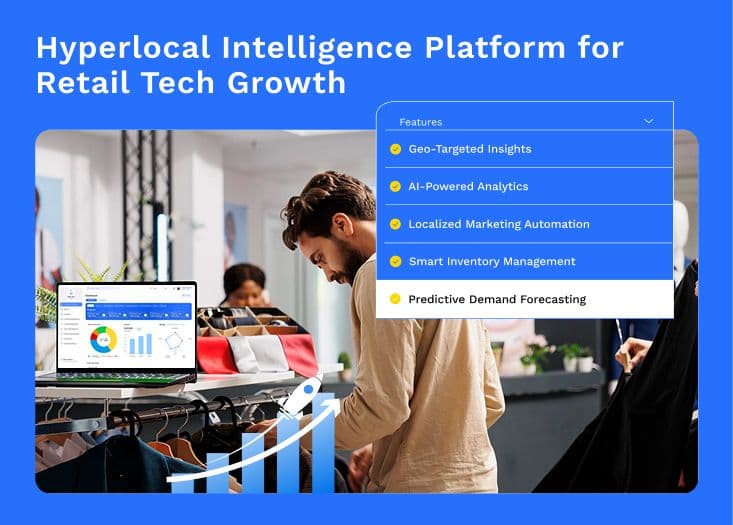
Retail is changing faster than ever. Shoppers today expect more than just products; they want personalized experiences, quick access, and seamless service whether they are shopping online or walking into a store. For retailers, keeping up with these expectations is not just a challenge, it is a necessity. Traditional approaches often fall short when it comes to understanding local customer behavior or knowing exactly what products to stock in each store.
This is where a Hyperlocal Intelligence Platform comes in. By analyzing data at the neighborhood level, these platforms help retailers understand their customers better, optimize inventory, and deliver offers and experiences that actually resonate. Whether it is driving foot traffic to a local store, planning targeted promotions, or making smarter inventory decisions, a Hyperlocal Intelligence Platform makes it possible.
The impact is real: more engaged customers, higher local sales, and smoother operations. For multi-location retailers or growing chains, Hyperlocal Intelligence Platforms are not just a tech tool, they are quickly becoming a key driver of competitive growth in today’s retail world.
What is a Hyperlocal Intelligence Platform?
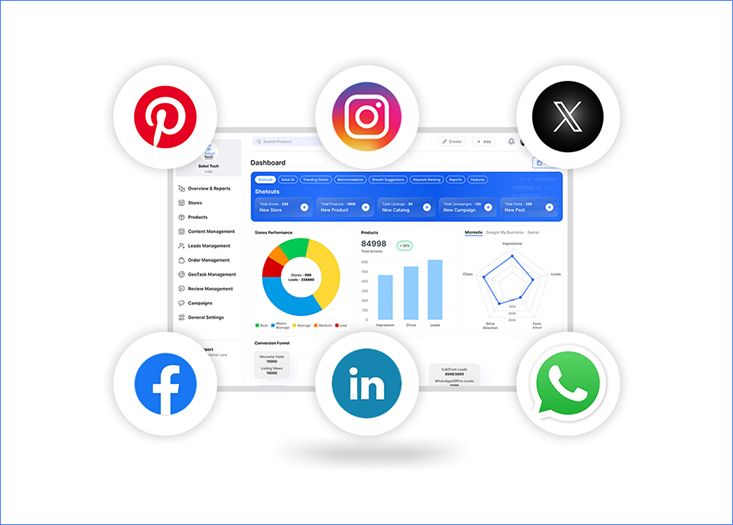
A Hyperlocal Intelligence Platform is a technology solution that helps retailers understand and act on data at a very local level, often down to neighborhoods or individual store locations. Unlike traditional retail software, which looks at overall sales or broad market trends, these platforms focus on hyperlocal insights, enabling businesses to tailor strategies for specific areas.
Core components of a Hyperlocal Intelligence Platform include:
- Real-time local insights: Access immediate information about store performance, customer behavior, and demand patterns in each location.
- Customer location targeting: Identify where potential buyers are, and engage them with location-specific promotions or offers.
- Inventory visibility: Track stock across multiple stores to ensure the right products are available in the right locations.
- Analytics & reporting: Convert data into actionable insights, helping retailers make informed decisions quickly.
For example, a multi-location grocery chain using a Hyperlocal Intelligence Platform can see which items are in high demand in a particular neighborhood and ensure those products are stocked in nearby stores. Similarly, a fashion retailer can target local promotions for trending clothing items, boosting store visits and sales.
By leveraging these capabilities, Hyperlocal Intelligence Platforms allow retailers to improve operational efficiency, increase local sales, and deliver more personalized customer experiences. Whether for small businesses or large retail chains, these platforms are rapidly becoming essential tools in modern retail technology.
Read Also - Hyperlocal Business Management: A Complete Guide in 2025
Why Retail Needs Hyperlocal Intelligence Platforms
Retailers today are operating in an increasingly competitive environment. Customers have more choices than ever, both online and offline, which makes it harder for stores to stand out. At the same time, many retailers are experiencing declining foot traffic, as shoppers often research online before deciding whether to visit a store. Without the right local insights, marketing efforts fail to convert interest into actual store visits.
Another major challenge is inventory misalignment with local demand. Products that sell well in one location may not perform the same way in another. When retailers rely on centralized data or historical averages, they risk overstocking slow-moving items or running out of high-demand products at the local level.
This is where Hyperlocal Intelligence Platforms make a real difference. A Hyperlocal Intelligence Platform helps retailers drive local store traffic by targeting nearby customers with relevant, location-based offers. It improves stock allocation by using real-time data to match inventory with local demand patterns. Most importantly, it enhances the customer experience by enabling personalized interactions based on location, preferences, and buying behavior.
Industry data supports this shift. Studies show that over 70 percent of consumers are more likely to visit a store when promotions are personalized and locally relevant. By using Hyperlocal Intelligence Platforms, retailers can respond to these expectations, improve efficiency, and stay competitive in a fast-changing retail landscape.
Watch the video to see how hyperlocal intelligence platforms help retailers attract local customers and increase store visits. "How Retailers Boost Local Search Rankings & Foot Traffic?"
Key Features of Hyperlocal Intelligence Platforms
- Location-Level Performance Intelligence: Understand demand, engagement, and conversions at each store, not just at a regional level.
- Proximity-Based Customer Activation: Engage high-intent customers near stores with relevant, timely messaging.
- Unified Data & Decision Dashboards: Bring marketing, inventory, and operations data into a single actionable view.
- Live Inventory Synchronization: Align local stock availability with real-time customer demand.
- AI-Assisted Reputation Management: Monitor, analyze, and respond to reviews within defined SLAs to protect brand trust.
- End-to-End Listing Governance: Manage verification, accuracy, and compliance across all store listings.
- At-Scale Local Content Publishing: Launch posts, updates, and offers across hundreds or thousands of locations.
- Automated Change Control & Protection: Detect, approve, and prevent unauthorized listing edits.
- Predictive Demand & Customer Signals: Anticipate local trends using behavioral and transactional data.
- Search-Optimized Store Discovery: Drive organic visibility and foot traffic through SEO-ready store locators.
Advanced Capabilities of a Hyperlocal Intelligence Platform
- Review Response (<24 hr SLA): AI-assisted and human-reviewed responses to customer reviews within 24 hours to protect brand trust.
- Advanced Analytics & Reporting: Actionable insights on performance, engagement, and conversions at store and location levels.
- Verification Management: End-to-end management of store and listing verifications across platforms.
- Dedicated Support Manager: A single point of contact to ensure smooth operations and faster issue resolution.
- Automatic Listing QA (Weekly): Weekly quality audits to maintain accurate, compliant, and optimized listings.
- Change Propagation & Updates: Instantly sync updates such as store hours, addresses, and attributes across all listings.
- Third-Party Change Protection: Detects and prevents unauthorized edits made by external users or platforms.
- Bulk Google Posts Management: Create, schedule, and publish Google Posts across multiple locations at scale.
- Reviews Sentiment & Moderation: Analyze customer sentiment and filter spam, abusive, or irrelevant reviews.
- Missing Listings Auto-Creation: Automatically detect and create missing store listings to improve local visibility.
- Fakes & Duplicates Management: Identify, report, and resolve fake or duplicate listings efficiently.
- Photo Management & Compliance: Upload, manage, and monitor photos to meet brand and platform guidelines.
- Prices & Services Sync (SAP): Real-time syncing of prices and services with enterprise systems like SAP.
- SEO-Optimized Store Locator: Search-friendly store locator pages designed to improve local search rankings.
Benefits of Implementing a Hyperlocal Intelligence Platform
Investing in a Hyperlocal Intelligence Platform offers several measurable advantages:
Increased foot traffic: Localized promotions encourage customers to visit nearby stores.
- Higher conversion rates: Stocking the right products at the right location leads to more sales.
- Improved customer loyalty: Personalization fosters engagement and repeat business.
- Optimized inventory management: Reduce overstocking or stockouts with real-time insights.
- Better ROI on marketing: Targeted campaigns minimize waste and maximize impact.
Retailers like multi-location grocers, fashion brands, and electronics stores have leveraged Hyperlocal Intelligence Platforms to achieve significant improvements in both sales and operational efficiency.
Read Also - 10 Emerging Omnichannel Retail Trends to Watch in 2025
How Retailers Can Choose the Right Hyperlocal Intelligence Platform
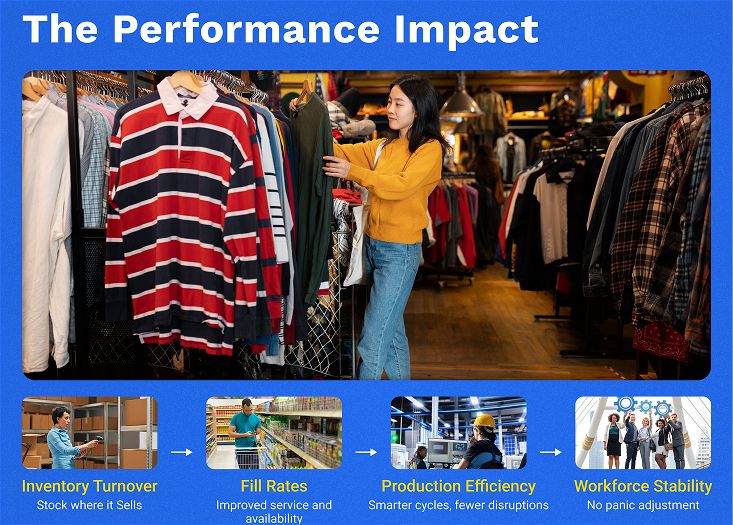
Retailers should begin by clearly defining their business goals. Whether the focus is increasing store footfall, improving inventory accuracy, enhancing local visibility, or supporting multi-location growth, understanding these priorities helps narrow down the right platform. It is also important to evaluate how well the platform delivers location-level insights, since true value comes from understanding performance at each individual store rather than relying on broad, aggregated data.
The next step is to assess how easily the platform integrates with existing retail systems such as POS, ERP, CRM, and inventory management tools. A strong Hyperlocal Intelligence Platform should fit into current workflows without creating operational complexity. Retailers should also examine the quality of analytics and reporting, ensuring the data is accurate, actionable, and easy for teams to use when making decisions.
Finally, scalability and long-term support play a critical role in platform selection. Retailers should look for solutions that can grow alongside their business, support new locations, and adapt to changing retail models. Dedicated onboarding, ongoing support, security standards, and the ability to pilot the platform before full rollout are strong indicators of a reliable, future-ready solution.
Sekel’s Solution: Unified Hyperlocal Intelligence Layer
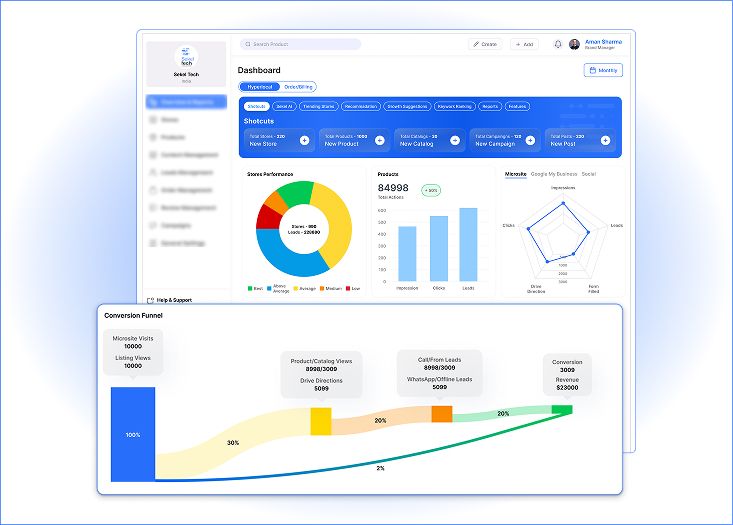
Sekel Tech brings everything together into one intelligent hyperlocal platform, replacing fragmented vendors and agency dependencies.
- Single platform to manage hyperlocal intelligence at scale
- Seamless integration with SAP, Salesforce, CRM, EPOS, and CMS
- 24-hour review response SLA with AI-assisted, brand-approved replies
- Automated listing management with approval-first workflows
- Real-time protection from unauthorized listing changes
- Multi-country, multi-language support including English and Arabic
- Dedicated support manager with quarterly business reviews
- Why Leading Enterprises Choose Sekel
- Predictable, location-based pricing with no hidden costs
- Intelligence layer that enhances existing enterprise systems
- Proven across large multi-location retail brands
- Built by leaders with deep enterprise and global platform experience
What Makes Sekel Tech Different from Current Vendors
Area | Sekel Tech | Current Vendors |
| Platform Approach | Unified hyperlocal intelligence platform | Fragmented tools and agency-led execution |
| Core Focus | Intelligence layer that enhances enterprise systems | Listing management and point solutions |
| Enterprise Integration | Native integration with SAP, Salesforce, CRM, EPOS | Limited or manual integrations |
| Deployment Speed | Multi-country rollout in weeks | Months-long implementation cycles |
| Governance Model | Approval-first with full audit trail | Auto-publishing with higher brand risk |
| Pricing Structure | Predictable, location-based pricing | Base fees plus add-ons and agency costs |
| Review Management | 24-hour SLA with AI-assisted, brand-approved responses | Delayed or inconsistent responses |
| Change Protection | Real-time protection from unauthorized edits | Reactive or manual monitoring |
| Global Readiness | Multi-country, multi-language from day one | Limited language and region support |
| Support Model | Dedicated account manager with QBRs | Ticket-based or shared support teams |
Watch the video to discover how Sekel Tech’s unified hyperlocal intelligence platform helps retailers optimize operations and scale efficiently. "What is Sekel Tech and How Does It Empower Brands & Retailers?"
Future of Retail with Hyperlocal Intelligence Platforms
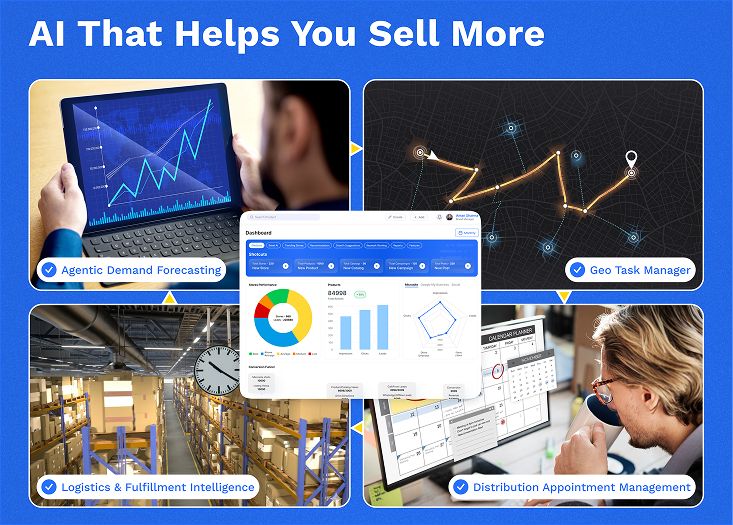
The retail landscape is evolving faster than ever, and Hyperlocal Intelligence Platforms are set to become even more critical. The next wave of retail will focus on hyper-personalization, predictive insights, and real-time responsiveness at the neighborhood level. Retailers will increasingly use AI-driven analytics to anticipate customer needs, optimize local inventory, and deliver tailored offers in real time.
We can also expect deeper omnichannel integration, where online, mobile, and in-store experiences are fully connected. Stores will no longer operate in isolation; local demand signals, customer sentiment, and competitive intelligence will flow seamlessly into enterprise systems to inform strategy and execution. Additionally, multi-location brands will benefit from scalable, multilingual platforms that support rapid expansion without increasing operational complexity.
In short, retailers who leverage Hyperlocal Intelligence Platforms will gain a competitive edge by responding faster, reducing waste, improving customer experience, and driving measurable sales growth. The future of retail is not just digital - it is locally intelligent, connected, and actionable.
Frequently Asked Questions (FAQs)
1. What are hyperlocal platforms?
Hyperlocal platforms are technology solutions that help businesses target customers in specific geographic areas, such as neighborhoods or individual store locations. They provide real-time insights, local marketing capabilities, and inventory management at a micro-level.
2. How does hyperlocal work?
Hyperlocal works by using location-based data to connect businesses with nearby customers. It tracks local demand, customer behavior, and competitor activity to deliver personalized offers, promotions, and inventory decisions tailored to each location.
3. What is hyperlocal SEO?
Hyperlocal SEO is the practice of optimizing a business’s online presence to appear in search results for a very specific geographic area. This includes optimizing listings, local content, Google Maps visibility, and location-based keywords to attract nearby customers.
4. What is the difference between B2C and D2C?
B2C (Business-to-Consumer) refers to companies selling products through intermediaries or retailers to reach end customers. D2C (Direct-to-Consumer) means brands sell directly to customers without intermediaries, often using online channels for sales and engagement.
5. How to use AI for local SEO?
AI can improve local SEO by analyzing search trends, optimizing keywords, managing online listings, generating localized content, and providing insights into customer behavior. AI tools can also help respond to reviews and monitor local search performance in real time.
Conclusion
A Hyperlocal Intelligence Platform is essential for modern retail success. It helps retailers drive local foot traffic, increase sales, optimize inventory, and make smarter enterprise decisions. By leveraging hyperlocal insights, businesses can enhance customer engagement and unlock growth opportunities at every location.
Ready to transform your retail operations? Discover how Sekel Tech’s Hyperlocal Intelligence Platform can help your business gain a competitive edge, improve efficiency, and drive measurable results across all your stores.
Share


Similar Blogs
Loved this content?
Sign up for our newsletter and get the latest tips & updates directly in your inbox.
There’s more where that came from!
 Connect with us