
Store Management
10 Best Store Management Software for Small Businesses
Fri, 10 Oct 2025 11:37:22 GMT
Speak to our Hyperlocal Expert
Editors Note - This post was originally published in Oct 2025 and was updated in Apr 2026 for accuracy and comprehensiveness.
Store management software connects inventory, orders, billing, and customer data into one centralised system. It gives small businesses real-time control over stock levels, sales performance, and store operations without switching between multiple tools.
Running a small retail business is harder than it looks from the outside.
You're tracking stock across multiple locations, handling online and offline orders at the same time, managing customer data that lives in five different places, and trying to keep your team aligned without spending your entire day on operations. Most business owners start with spreadsheets and manual processes. It works at the beginning. But as the business grows, those systems start breaking down in ways that directly cost you money and customers.
A stockout you didn't see coming. An invoice that went out three days late. An order that was confirmed on one platform but never reached your fulfillment team. These aren't rare disasters. They're what happens when a growing retail business outgrows its tools.
According to Think with Google, today's customers expect accurate product availability and seamless experiences every time they interact with a brand. Retailers who can't deliver this consistently lose customers to competitors who can, regardless of how good their products are.
Store management software is what bridges that gap. It brings inventory, orders, billing, customer data, and store performance into one place so you can see everything clearly and act quickly. This guide covers the 10 best store management software options for small businesses in 2026, what features actually matter, and how to pick the right one for your business.
What is Store Management Software?
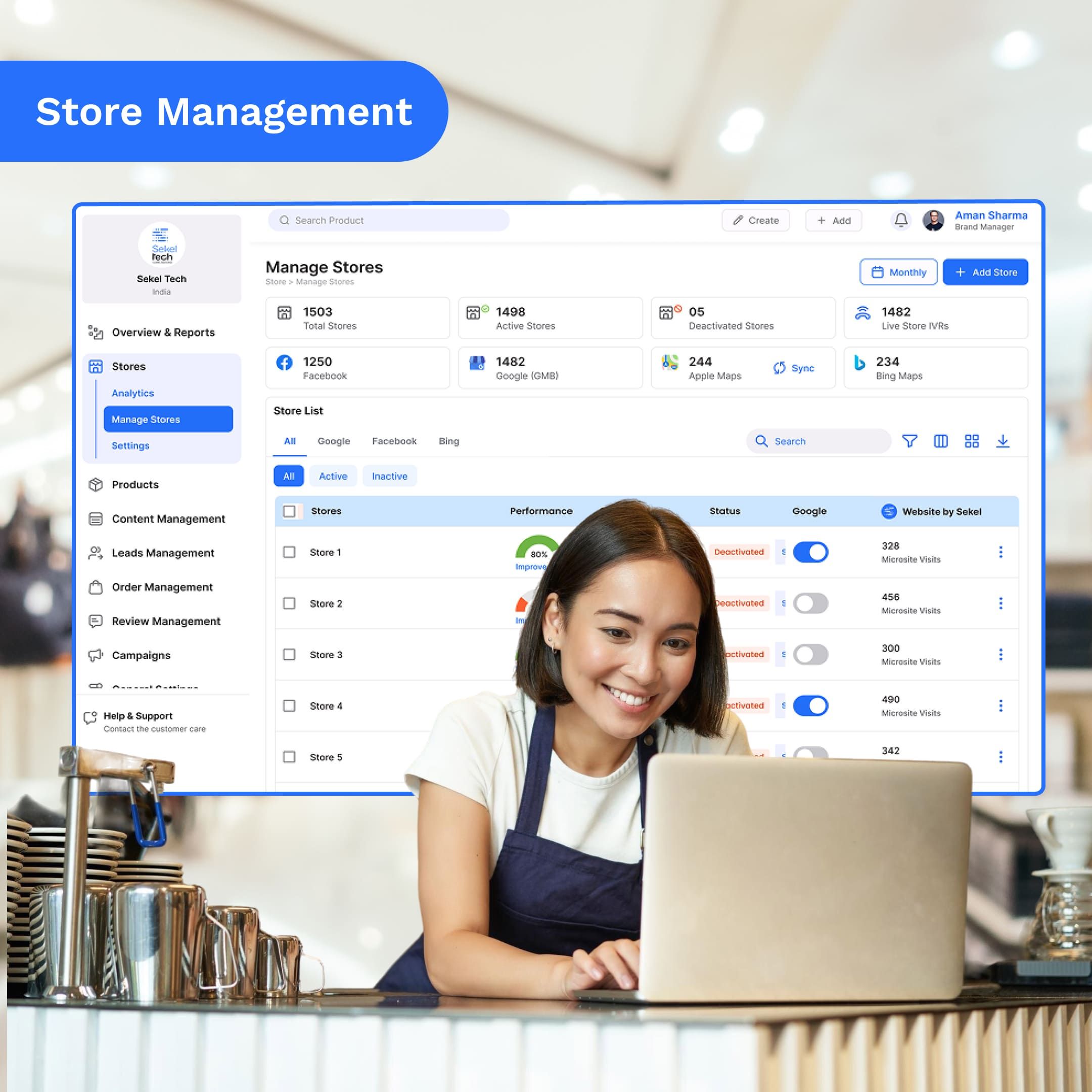
Store management software is a digital tool that helps businesses organize and simplify their daily operations while providing clear insights into performance. It enables you to handle inventory, track sales, manage customer interactions, and oversee multiple store locations from one central platform.
A key strength of modern store management software is its analytics functionality. Rather than relying on assumptions, you can access real-time data to see which products are selling well, which stores are performing best, and how customers are engaging with your brand. Metrics such as sales trends, website clicks, and product interactions allow business owners to make informed decisions, improve efficiency, and uncover growth opportunities.
In short, store management software goes beyond basic organization. It turns operational data into actionable insights, helping small businesses work smarter and grow faster.
Read Also - Hyperlocal Store Management: Discovery, Billing, & Warranty
Store Management Software vs Inventory Management Software
Many retailers confuse these two terms. They overlap but serve different purposes.
Aspect | Store Management Software | Inventory Management Software |
| Primary Focus | Complete retail operations management | Stock tracking and inventory control |
| Scope | Inventory, billing, POS, CRM, analytics | Stock levels, orders, warehouses |
| Customer Management | Full customer profiles and engagement | Limited or none |
| Billing and POS | Fully integrated | Usually separate |
| Sales Analytics | Complete store performance reporting | Inventory movement reporting only |
| Multi-Location | Full multi-store management | Basic multi-warehouse support |
| GST Compliance | Built-in billing and GST filing | Varies by platform |
| Best For | Retailers needing end-to-end operations | Businesses focused purely on stock |
Inventory management software handles one critical piece of retail operations. Store management software handles all of it. For small businesses managing customers, staff, billing, and stock simultaneously, a complete store management system delivers far more value than a standalone inventory tool.
Watch how Sekel Tech simplifies managing multiple stores and converting visitors into lifetime customers.
Benefits of Using Store Management Software for Small Businesses
Investing in the right store management software can completely transform how a small business operates. It removes the complexity of juggling multiple systems and replaces guesswork with clear, data-driven insights. Here are some key benefits:
1. Smarter Inventory Control
Managing stock manually can be time-consuming and error-prone. Store management software gives you real-time visibility into your inventory levels, alerts you when products are running low, and helps prevent overstocking. This ensures you always have the right products available when customers need them.
2. Centralized Store Operations
Instead of switching between multiple tools or spreadsheets, you can manage everything from one place. Whether it’s tracking sales, monitoring staff performance, or checking store activity, a single dashboard brings all essential functions together for greater efficiency.
3. Data-Driven Decision Making
The built-in analytics features allow you to track performance across locations, products, and time periods. You can identify which items sell best, which stores generate the most foot traffic, and where improvements are needed. These insights make it easier to set realistic goals and optimize operations.
4. Enhanced Customer Engagement
Modern platforms help you track how customers interact with your business, both online and offline. Features like click-to-call, website visits, and “notify me” options provide valuable engagement data. You can use this information to tailor marketing strategies, improve service, and build stronger customer relationships.
5. Improved Efficiency and Accuracy
By automating repetitive tasks such as billing, reporting, and stock updates, store management software reduces human error and frees up valuable time for business growth activities.
6. Scalable Multi-Store Management
For businesses with multiple locations, these platforms make it easy to manage each store’s performance in one place. You can compare analytics across locations, standardize processes, and maintain brand consistency while scaling operations.
The timing for upgrading has never been better for Indian retailers. According to the Times of India, the consumer retail sector is actively looking for demand revival measures in Union Budget 2026, with digital adoption and technology investment among the top priorities for small and mid-size retailers across India.
Key Features to Look for in the Best Store Management Software
Choosing the right store management software is not just about picking a popular name. It is about finding a solution that fits your business goals, simplifies operations, and delivers actionable insights. Here are the key features every small business should look for:
1. Centralized Dashboard
A unified dashboard gives you a complete overview of your business in real time. You can track inventory, sales, and customer activity without switching between different platforms. This not only saves time but also ensures consistency and accuracy across all operations.
2. Inventory & Order Management
Efficient inventory control is the backbone of retail success. Look for software that tracks stock levels automatically, manages purchase orders, and provides low-stock alerts. Features like barcode scanning and automated restocking make operations smoother and reduce manual errors.
3. Multi-Store & Multi-Channel Capabilities
If you manage more than one store or sell across multiple channels, your software should support centralized management. This includes synchronizing product data, pricing, and promotions across all locations and platforms, ensuring brand consistency and operational ease.
4. Real-Time Analytics & Reporting
Strong analytics tools help you understand what is driving sales, which products perform best, and how customers engage with your brand. Look for customizable reports that track sales trends, customer behavior, and location performance so you can make smarter business decisions based on facts, not assumptions.
5. Customer Relationship Tools
Modern retail is not just about selling. It is about building lasting relationships. Features like customer profiles, purchase history tracking, loyalty programs, and engagement insights help you personalize marketing and boost retention.
6. Easy Integration & Scalability
Your software should work seamlessly with your existing tools, such as accounting software, ePOS systems, or eCommerce platforms. It should also be flexible enough to scale as your business grows, whether that involves adding more stores, expanding your product range, or going omnichannel.
7. Security & Data Protection
With increasing digital transactions, safeguarding business and customer data is essential. Choose a platform with robust security protocols, regular backups, and compliance with data protection standards to ensure peace of mind.
Top 10 Best Store Management Software for Small Businesses
1. Best Store Management Software - Sekel Tech
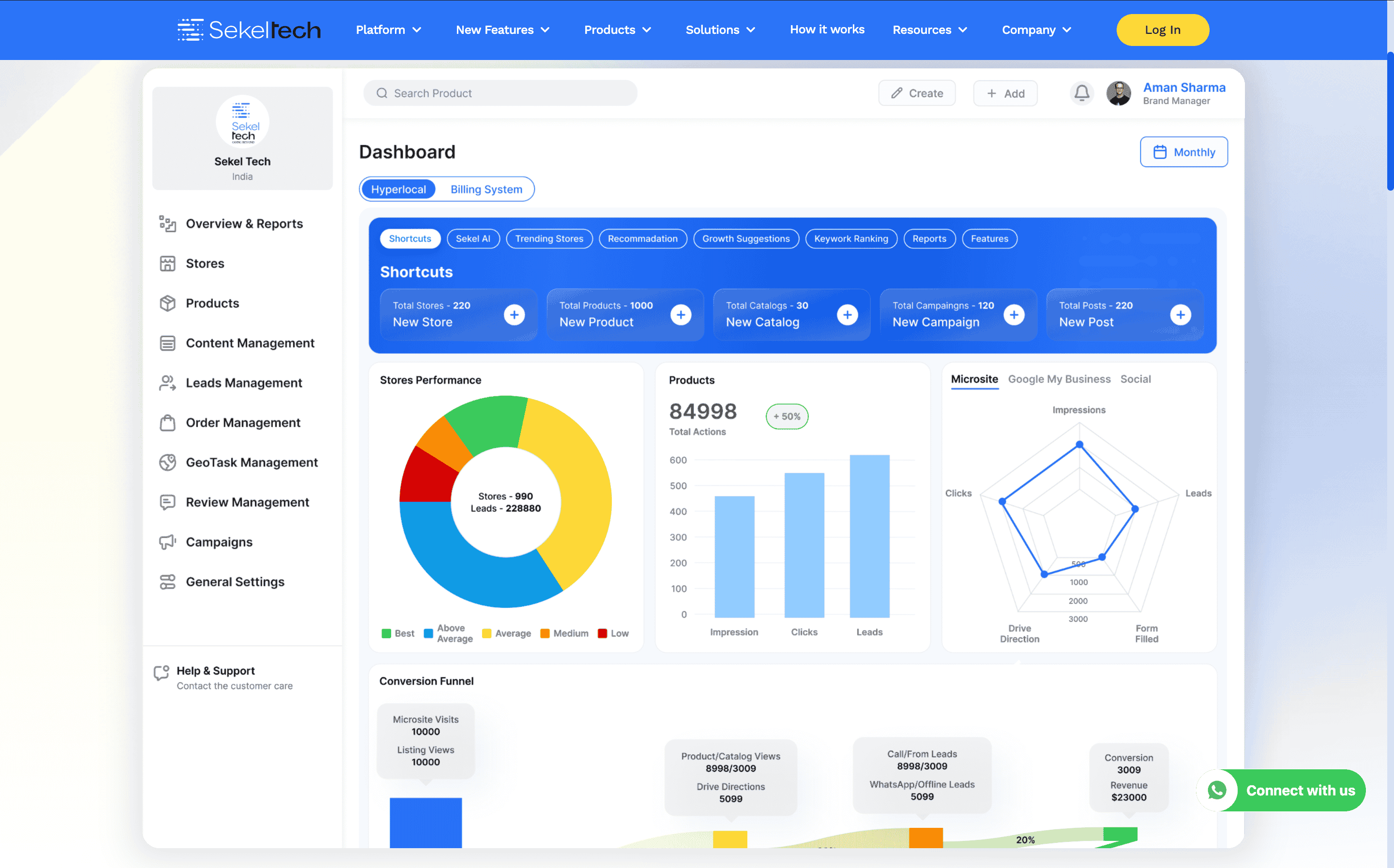
Sekel Tech is a comprehensive store management platform designed for small businesses to centralize operations and gain actionable insights. Its intuitive dashboard allows effortless management of multiple stores, offering real-time sales conversion analytics and performance metrics across all locations.
Key Features & Capabilities:
- Store Analytics
Track location impressions, website visits, click-to-call, product clicks, catalog views, microsites, and Google Business Profile counts. Sort and filter by performance, city, state, or store type. Export detailed reports in CSV or Excel.
- Manage Stores
Add single or multiple stores, configure IVR, and maintain detailed store profiles. Tabs include Overview, Reviews, Insights, Microsite, Payments, Media, Social Links, and Policies for complete control.
- Store Settings
Sync listings across Google My Business, Facebook, Bing, and Apple Maps. Bulk authorization ensures consistent, accurate store data across all locations.
Sekel Tech helps businesses monitor engagement, track conversions, optimize customer experience, and make data-driven decisions, making it the ultimate all-in-one store management solution.
2. Best Store Management Software - Zoho Inventory
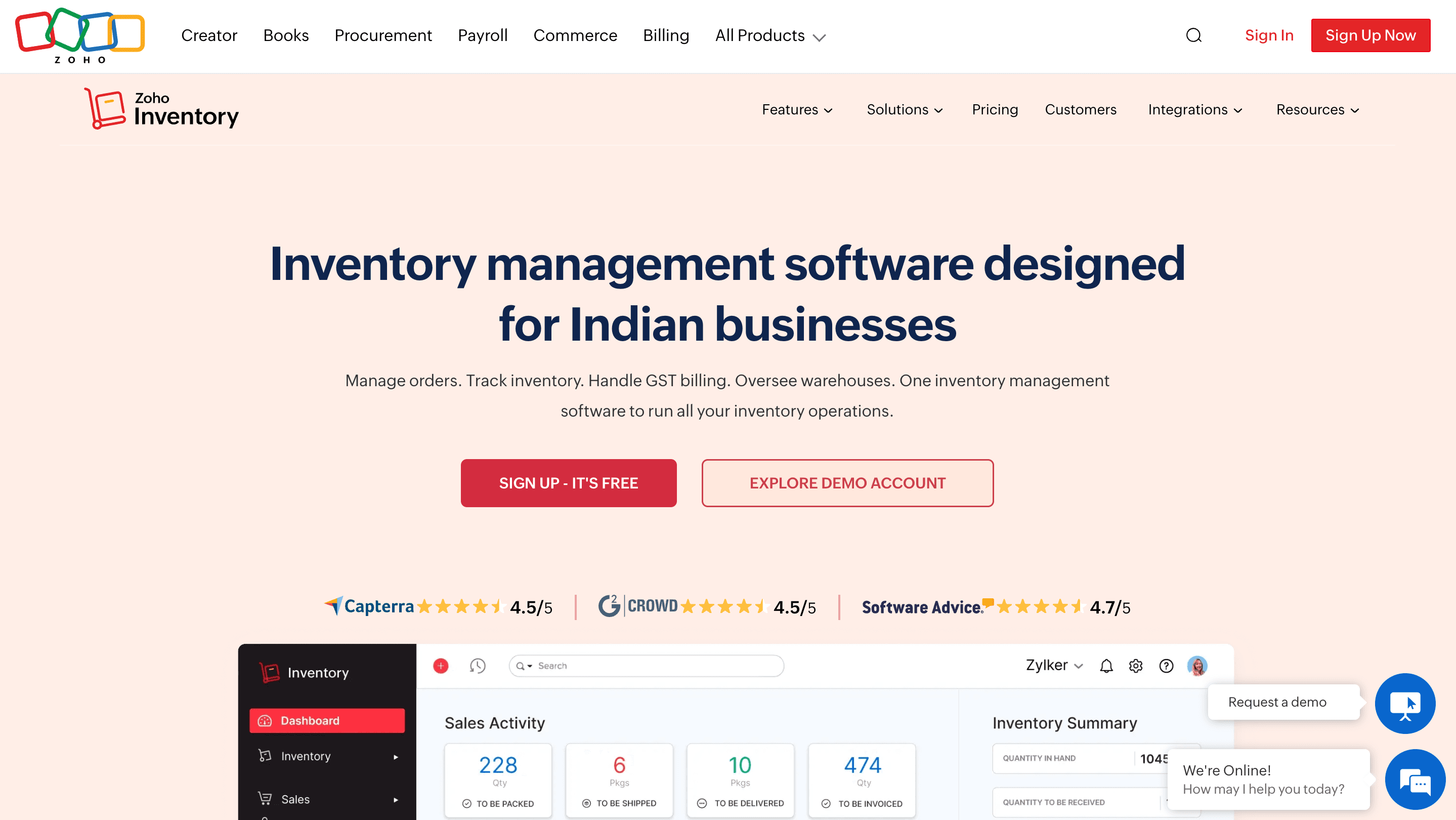
Zoho Inventory is a robust platform for small businesses to manage inventory, orders, and multi-channel sales efficiently. It provides real-time stock tracking, automated workflows, and analytics to monitor product performance, sales trends, and inventory movement. With seamless integrations to marketplaces like Shopify, Amazon, and eBay, businesses can centralize operations and improve fulfillment accuracy. Zoho Inventory is ideal for growing retailers who need a reliable system to manage multiple sales channels and maintain accurate inventory levels.
3. Best Store Management Software - Shopify
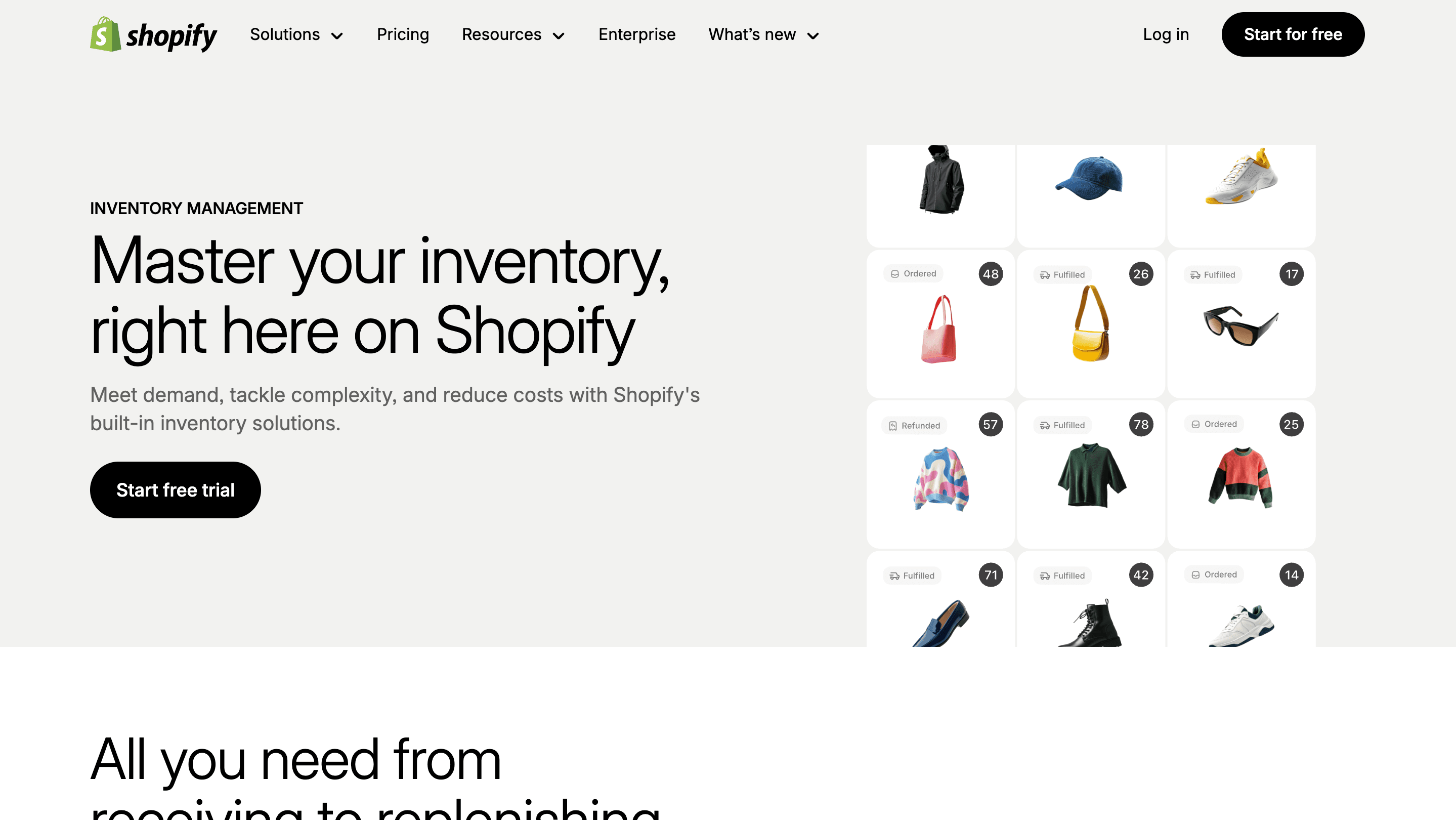
Shopify POS is a versatile solution combining eCommerce and in-store management for small businesses. It allows inventory management, sales tracking, payment processing, and customer relationship management all in one platform. Real-time analytics offer insights into top-selling products, revenue trends, and customer behavior. Its integrations with marketing, loyalty, and omnichannel tools make it easier for small retailers to unify online and offline operations and make data-driven decisions for growth.
4. Best Store Management Software - Wooqer
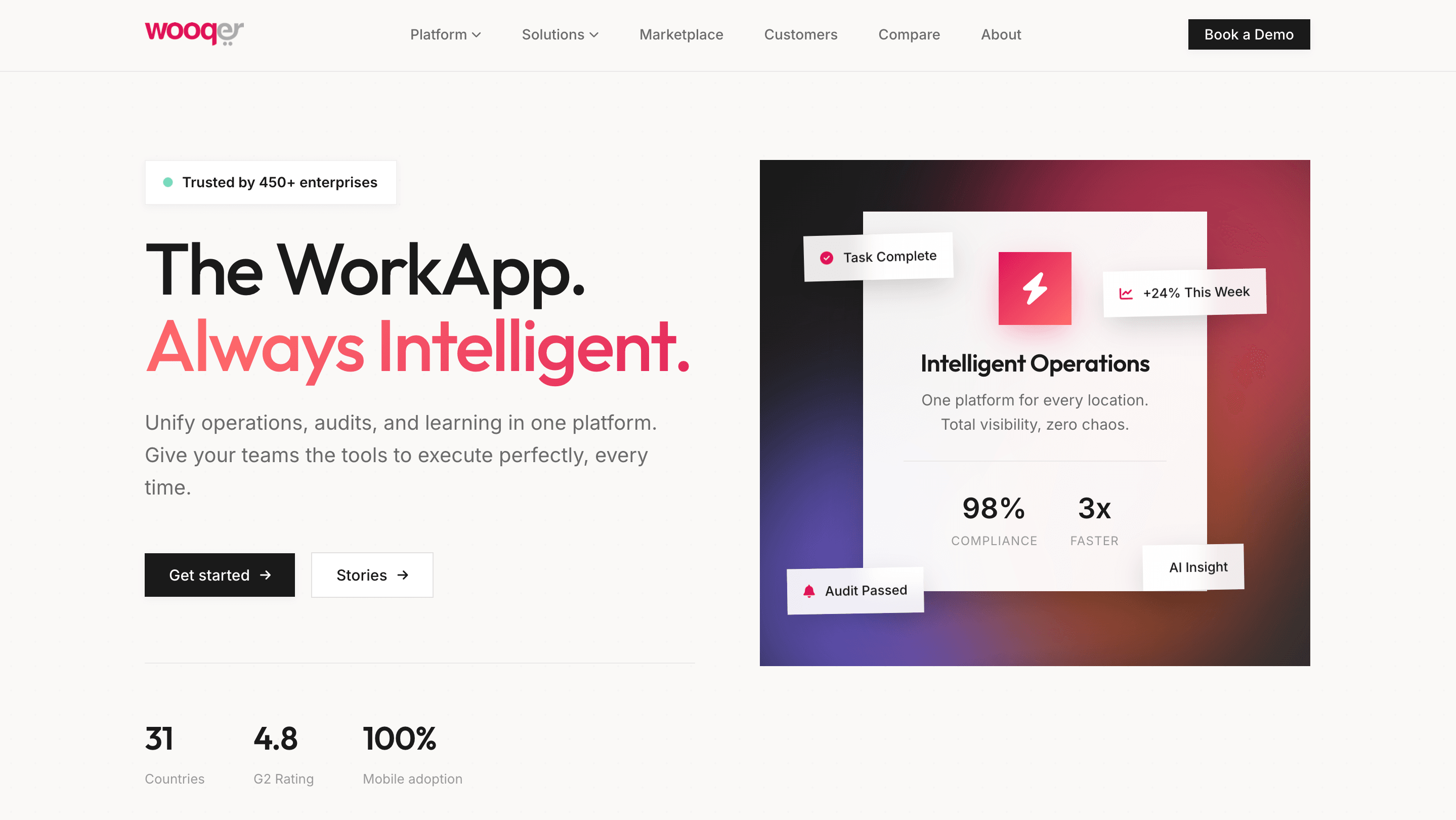
Wooqer is a workflow and operations management platform that helps small businesses standardize retail processes, monitor store compliance, and track employee activities. Its reporting and analytics features provide insights into operational efficiency, productivity, and performance trends across multiple locations. Wooqer simplifies task automation, ensuring consistent execution of business procedures, and is particularly useful for businesses looking to improve operational control and accountability.
5. Best Store Management Software - Square
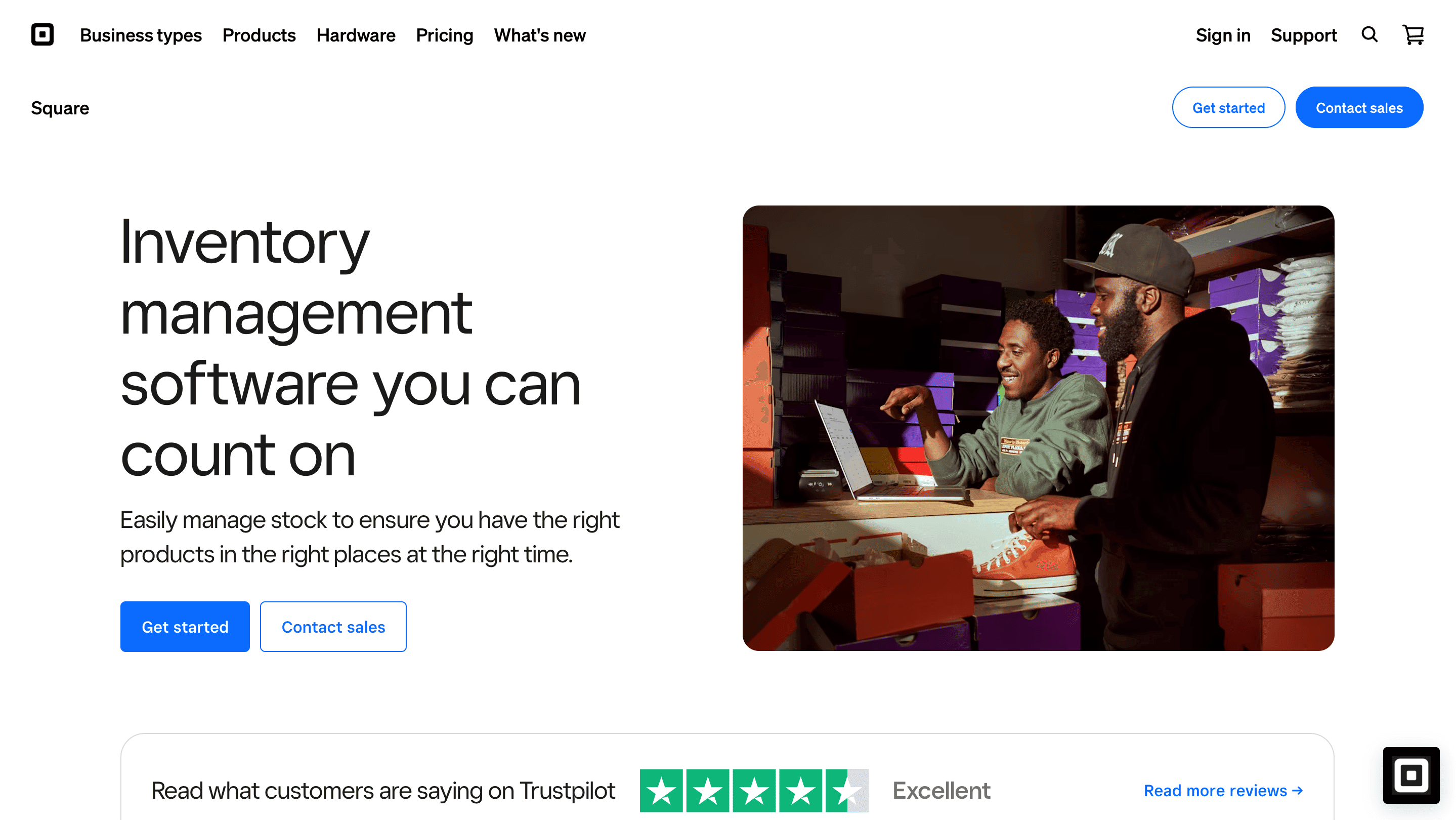
Square for Retail offers a user-friendly POS and inventory management system for small stores. It provides real-time stock tracking, sales reporting, and customer management. Analytics dashboards allow retailers to identify best-selling products, peak hours, and revenue trends. Square also supports multi-location operations, making it easy for small businesses to monitor multiple stores and streamline daily processes with an intuitive, all-in-one solution.
6. Best Store Management Software - BrightLocal
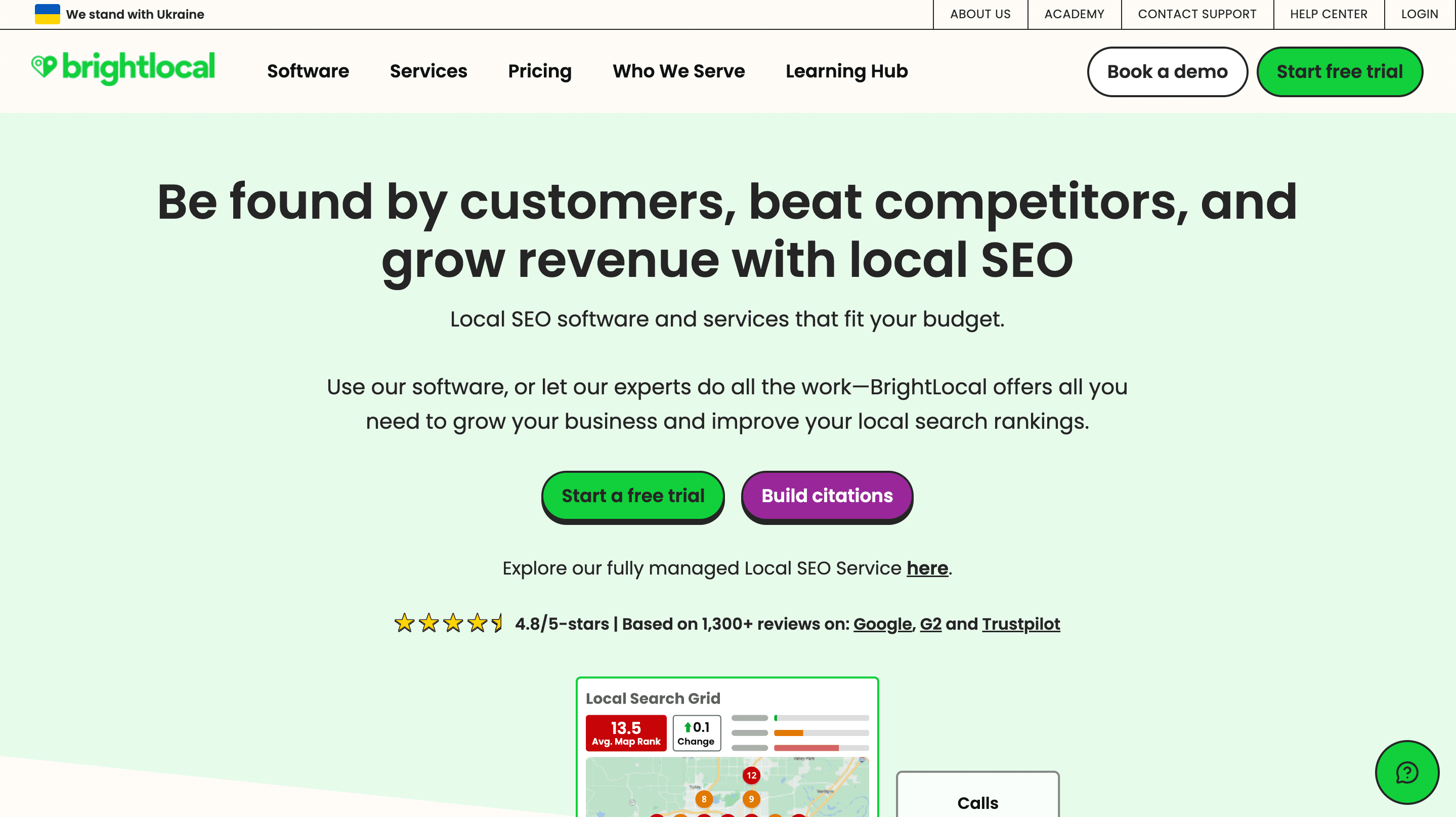
BrightLocal is focused on local SEO and business listings management, helping small businesses boost online visibility and attract more customers. It provides analytics on local search rankings, review performance, and citations. While it excels at improving digital presence and tracking engagement, it does not offer full store management capabilities like inventory or POS, making it complementary to other retail systems for businesses aiming to strengthen their local online reach.
7. Best Store Management Software - SAP Retail
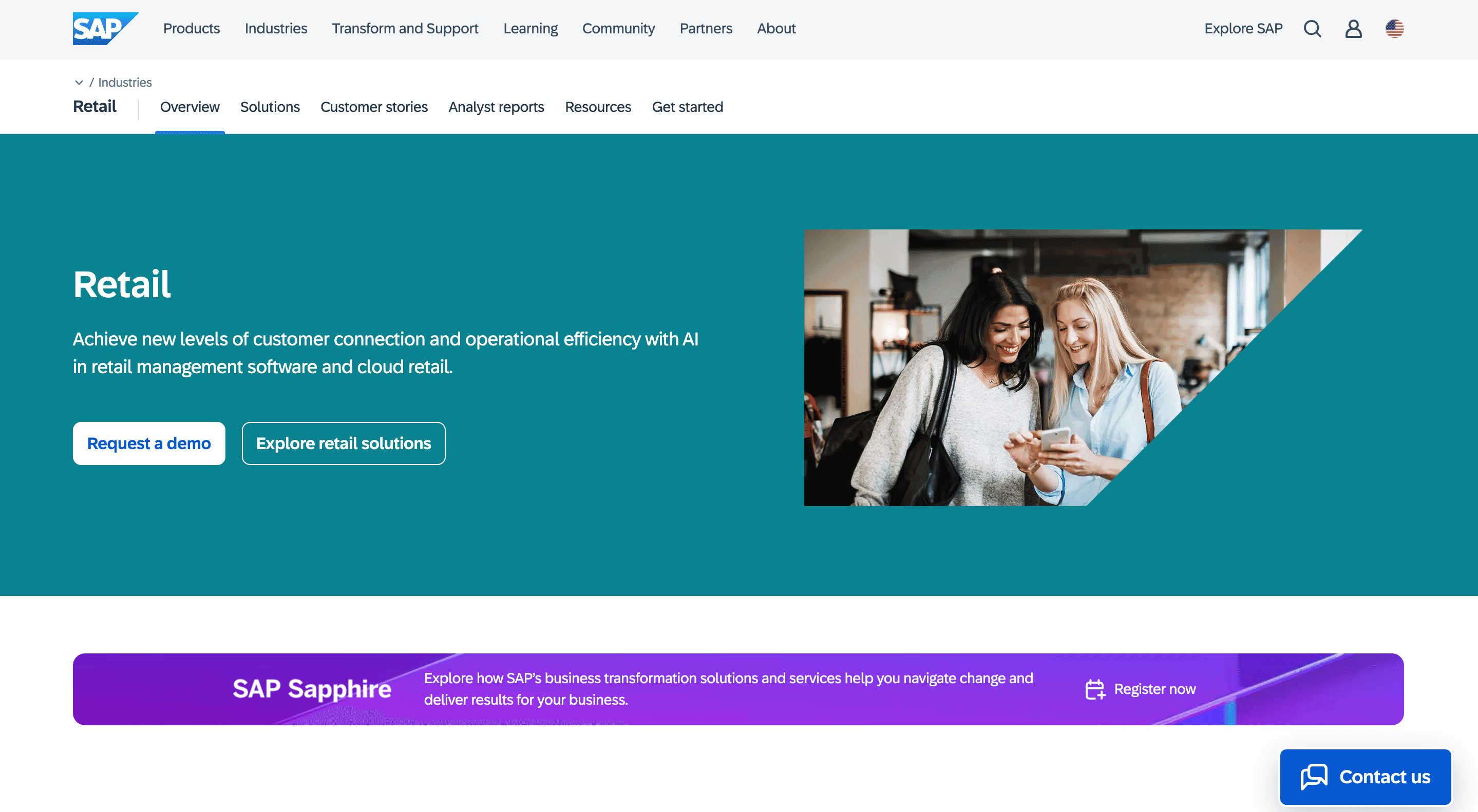
SAP Retail is an enterprise-grade retail management system offering inventory control, sales tracking, multi-store management, and advanced reporting. Its analytics include demand forecasting, product performance insights, and operational metrics. While SAP Retail is highly feature-rich and scalable, its complexity and cost may be challenging for small businesses, which makes it more suitable for those looking for a comprehensive enterprise solution rather than a simple, centralized small-business platform.
8. Best Store Management Software - Brightpearl
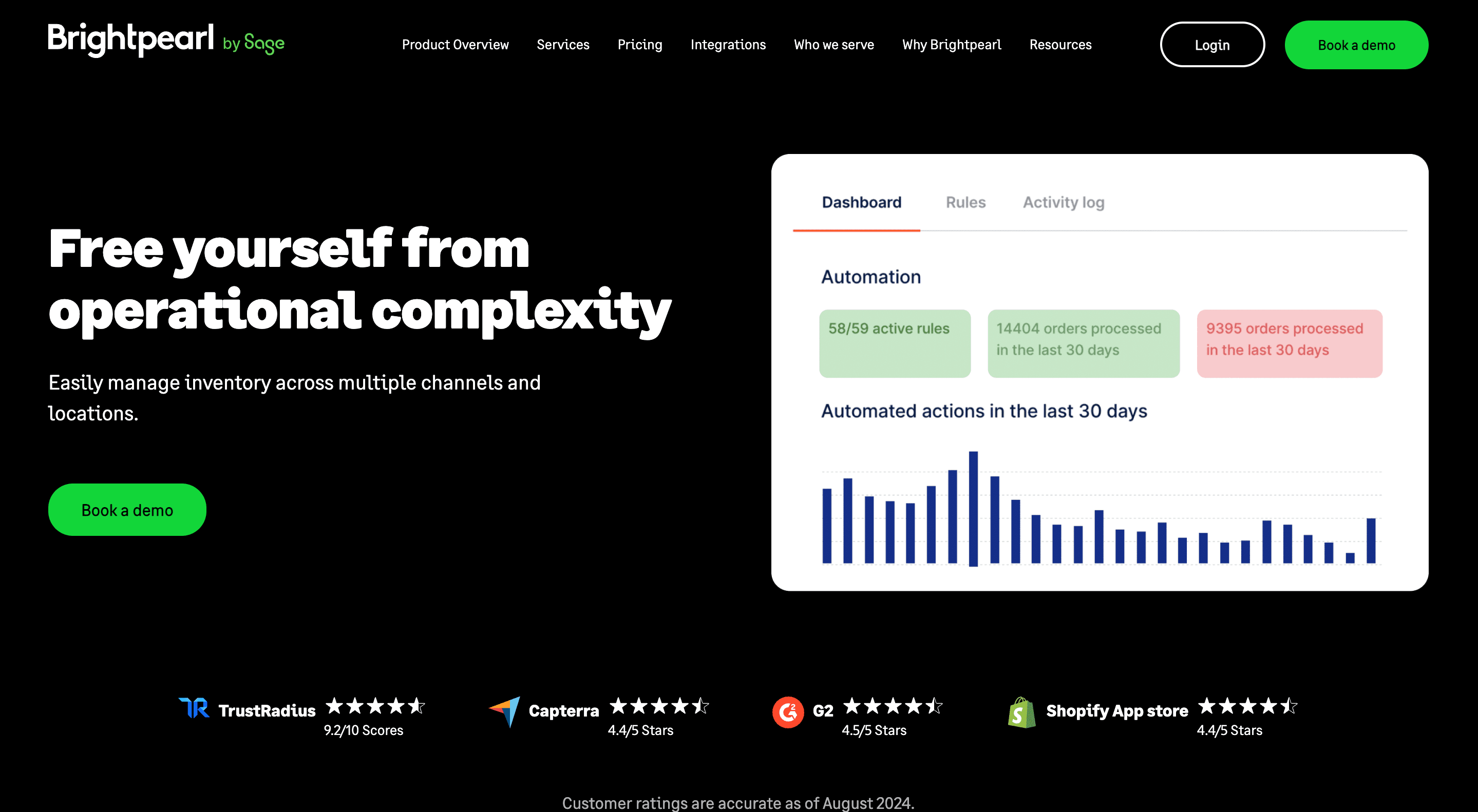
Brightpearl is a cloud-based retail and inventory management platform that centralizes order processing, accounting, and reporting. It supports multi-channel sales and provides dashboards to track stock levels, sales trends, and customer interactions. Brightpearl enables small businesses to streamline operations, improve inventory accuracy, and gain insights into revenue performance, but it may require more setup time compared to simpler solutions like Sekel Tech.
9. Best Store Management Software - iQmetrix
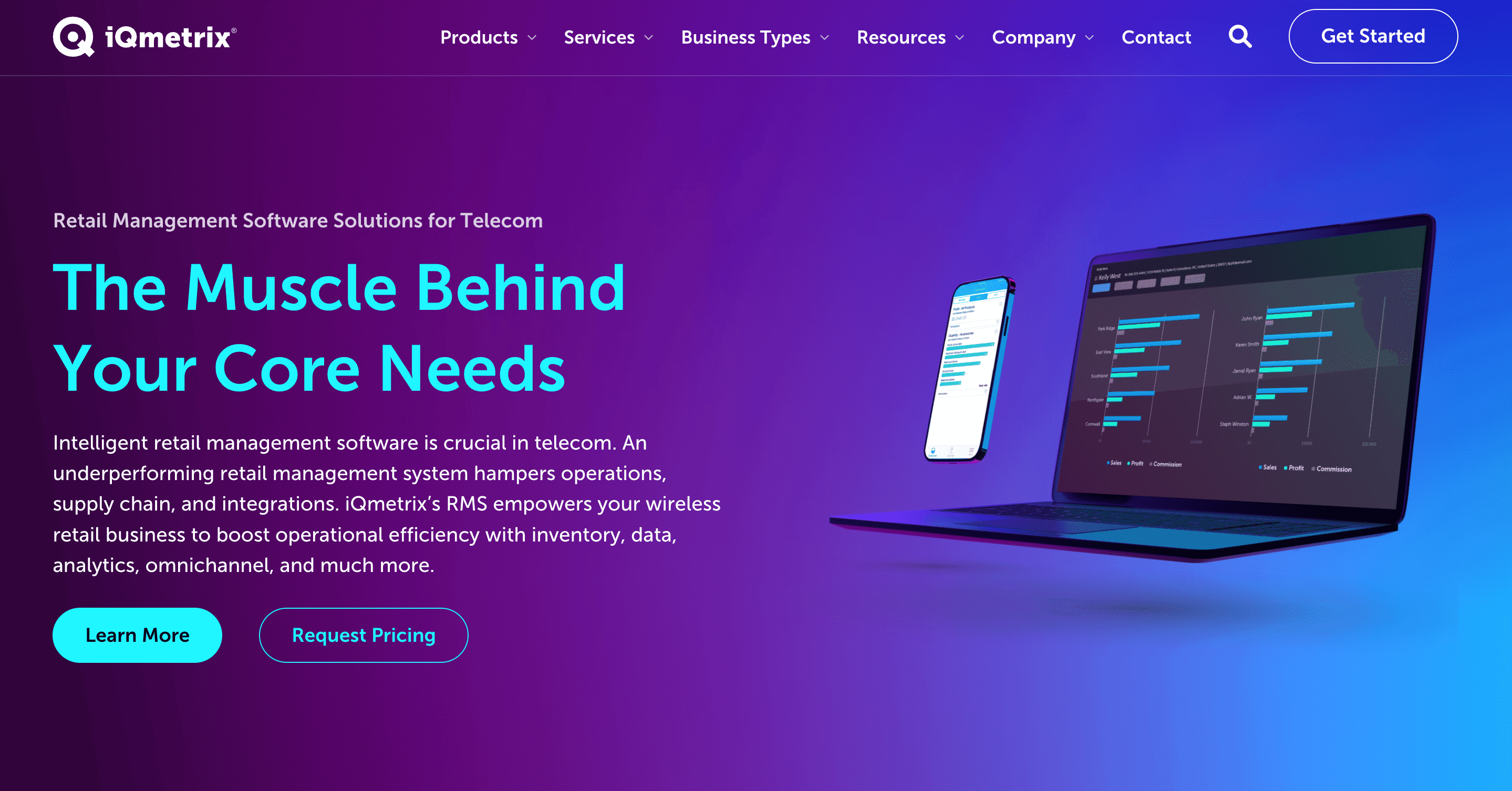
iQmetrix is a retail management system designed for telecom and electronics retailers. It provides POS, inventory management, and customer analytics features. Businesses can track store performance, monitor sales trends, and analyze customer behavior across multiple locations. While highly effective for niche retail, it may not meet the broader needs of small businesses outside its target industries, making it less versatile than platforms like Sekel Tech.
10. Best Store Management Software - BeatRoute
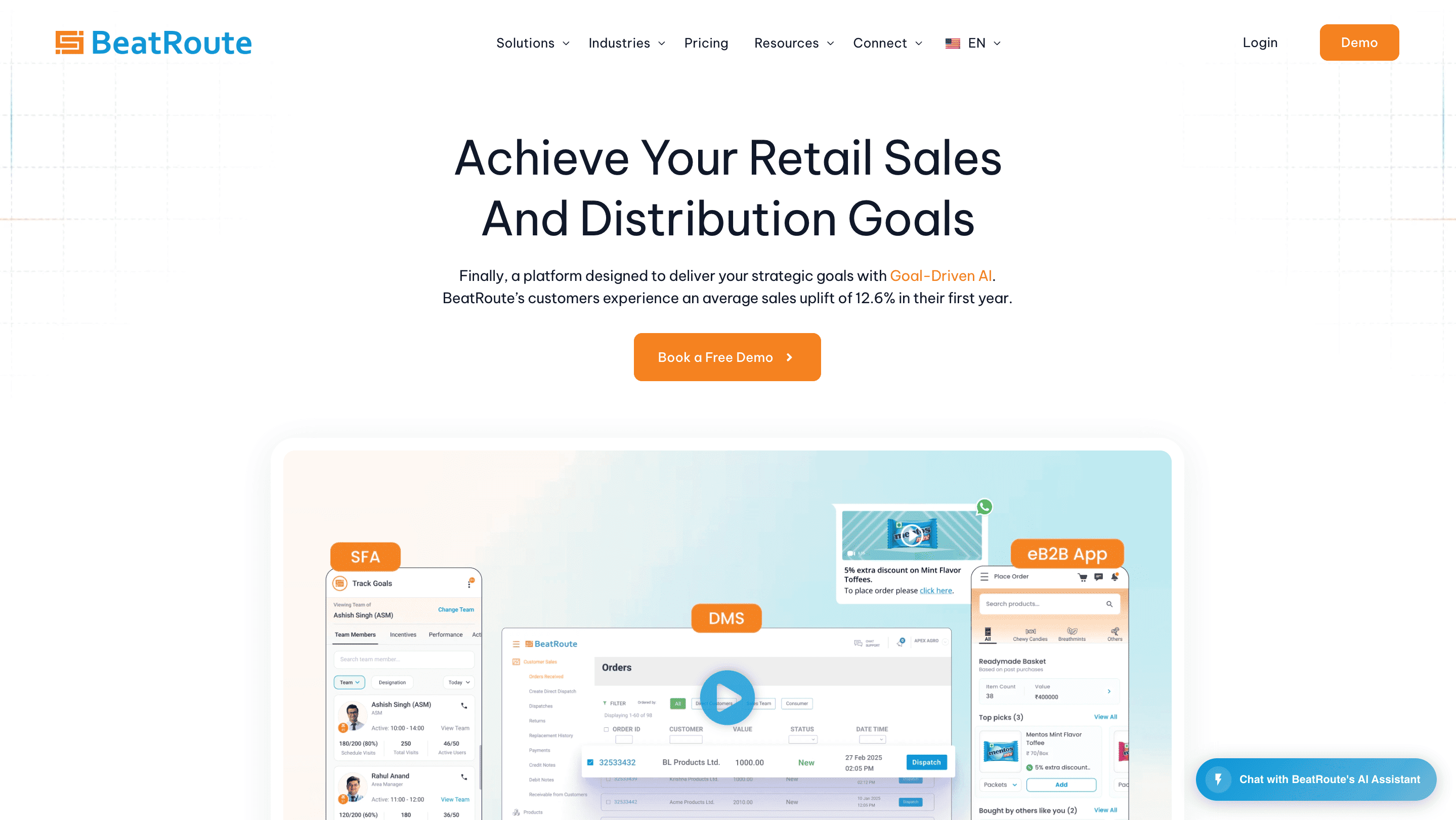
BeatRoute is a route and sales management platform tailored for field sales and retail operations. It helps businesses optimize delivery routes, track store visits, and monitor sales performance. Analytics allow retailers to assess field operations and improve productivity. However, it lacks full inventory, POS, and multi-store management capabilities, making it ideal for mobile sales tracking but not a complete in-store management solution.
Read Also - 25 Best Retail Store Management Software & Platform: 2026
Quick Comparison Table of Best Store Management Software 2026
Software | Best For | Inventory | POS/ | CRM | Multi- | GST Compliant | Real-Time Analytics |
Sekel Tech | Multi-location retail brands | Yes | Yes | Yes | Yes | Yes | Yes |
Zoho Inventory | Small to mid-size retailers | Yes | Yes | Yes | Yes | Yes | Yes |
Shopify POS | Online and offline retailers | Yes | Yes | Yes | Yes | Yes | Yes |
Wooqer | Retail operations compliance | No | No | No | Yes | No | Yes |
Square | Single location small stores | Yes | Yes | Yes | Yes | No | Yes |
BrightLocal | Local SEO focused businesses | No | No | No | Yes | No | Yes |
SAP Retail | Enterprise retail brands | Yes | Yes | Yes | Yes | Yes | Yes |
Brightpearl | Omnichannel retailers | Yes | Yes | Yes | Yes | No | Yes |
iQmetrix | Telecom and electronics | Yes | Yes | Yes | Yes | No | Yes |
BeatRoute | Field sales management | No | No | Yes | Yes | No | Yes |
Sekel Tech is the only platform on this list that combines hyperlocal discovery, GST-compliant billing, complete CRM, real-time analytics, and multi-location management in one unified system built specifically for retail brands.
How to Choose the Right Store Management Software
Choosing the right store management software is critical for small businesses looking to streamline operations and boost efficiency. Start by defining your business needs: determine whether you manage a single store or multiple locations, and whether your focus is online, offline, or both.
Next, evaluate ease of use and customer support, ensuring the platform is intuitive and comes with reliable assistance for smooth onboarding and ongoing operations. Check for integrations with your existing tools and platforms, such as EPOS systems, payment gateways, accounting software, and marketing platforms, to avoid workflow disruptions.
Consider cost, scalability, and cloud accessibility, ensuring the software can grow with your business and be accessed securely from anywhere. Finally, prioritize platforms with strong analytics and reporting capabilities, like Sekel Tech, which provide real-time insights into store performance, customer engagement, and sales trends, enabling data-driven decisions that fuel growth and efficiency.
Multi-Location Store Management Software
Managing one store is straightforward. Managing five, fifty, or five hundred locations using the same manual processes is where most retail businesses start losing control without realising it.
The challenge with multi-location retail is visibility. When each store operates on its own system, stock data at one location has no connection to what's happening at another. A product selling out in one city while sitting unsold in a warehouse nearby is a visibility problem, not a supply problem. Without a centralised store management system, these situations repeat daily across the entire network.
Multi-location store management software gives brands a single view across every outlet simultaneously. Stock levels, sales performance, billing, customer data, and staff activity all visible from one dashboard without logging into each location separately.
The most important features to look for are real-time inventory sync across all outlets, location-level reporting with consolidated dashboards, role-based access for regional managers, and automated alerts when stock or sales fall below set thresholds.
Sekel Tech's store management platform was built specifically for this reality. Brands managing hundreds of locations get unified visibility, automated workflows, and AI-powered insights across every outlet from one centralised system.
Sekel Tech: The Ideal Store Management Software for Small Businesses
Sekel Tech is the #1 Best Store Management Software for small businesses, offering a centralized platform to manage multi-store operations, customer engagement, and sales performance with ease. From a single dashboard, businesses can add, manage, and track stores, ensuring smooth operations and consistent visibility across Google, Facebook, Bing, and Apple Maps.
Advanced Features & Capabilities:
- Hyperlocal Discovery Platform: Target customers in your area for better footfalls and engagement.
- Smart EPOS & Order Management: Streamline sales, payments, and inventory across multiple stores.
- Content Management (CMS) & Content Optimization: Manage store content, promotions, and microsites efficiently.
- Sekel Agentic AI & Sekel AI ChatBot: Enhance customer interaction and automate responses.
- Customer Data Platform & Lead Management: Track leads, conversions, and customer behavior for data-driven decisions.
- Consent & Compliance Management: Ensure regulatory compliance across all interactions.
- Warranty & Service Management: Monitor product warranties and after-sales services.
- Get Discovery, Listing Management & Store Locator: Optimize local visibility and help customers find stores easily.
- Store Microsites & Product Catalogue: Create dedicated microsites for products, offers, or services.
- Review Management: Track and respond to customer reviews to build trust.
- Digital Campaign Management & CRM: Execute campaigns and manage relationships with centralized insights.
- SellrApp & Real-Time Sales Conversion Analytics: Track live sales performance and optimize conversion strategies.
With centralized dashboards, advanced analytics, and omnichannel integration, Sekel Tech empowers small businesses to monitor engagement, optimize operations, and grow efficiently. Its comprehensive suite of tools makes it the ultimate all-in-one store management solution for businesses aiming to enhance customer experience and drive revenue.
Centralize your store operations, improve customer engagement, and boost sales with Sekel Tech, the ultimate platform for small business growth.
Explore flexible plans designed for businesses of every size on the Sekel Tech Pricing Page.
Watch the video to see how Sekel Tech’s platform helps businesses boost footfall, engagement, and sales. "What is Sekel Tech and How Does It Empower Brands & Retailers?"
Frequently Asked Questions (FAQs)
1. What is the difference between POS and store management software?
A POS system handles the transaction at checkout. Software covers the entire retail operation including inventory, purchasing, vendor management, customer data, and analytics. POS is one component of a complete store management system, not a replacement for it.
2. What reports can I generate from store management software?
Most platforms generate reports on sales by product and channel, current stock levels, outstanding payments, GST returns, purchase order history, and warehouse movement. The most useful daily reports for small businesses are stock levels, today's sales, outstanding payments, and items approaching reorder level.
3. Is store management platform GST compliant in India?
Most leading platforms support GST invoicing, GSTR-1 and GSTR-3B return preparation, e-way bill generation, and e-invoicing. When evaluating software, it supports e-invoicing which is mandatory above 5 crore turnover, GSTIN verification, and direct filing integration to avoid penalties.
4. Can store operations software work for both online and offline stores?
Yes. Modern store management platforms unify physical store billing, online marketplace orders from Amazon, Flipkart, and Shopify, and inventory levels into one system. Stock stays synchronised in real time so you never oversell or miss an order regardless of which channel it came from.
5. How long does it take to implement shop management software?
Simple cloud-based tools can be operational within one to two days. Mid-range platforms typically need five to seven days for data migration and staff training. Enterprise solutions can take three to six months. For most small businesses a cloud-based solution with onboarding support is the fastest path to going live.
Conclusion
Using the best store management software is essential for small businesses to streamline operations, improve efficiency, and drive growth. Platforms like Sekel Tech provide centralized dashboards, advanced analytics, and omnichannel integration, helping businesses track performance, manage multiple stores, and enhance customer engagement effectively.
By leveraging features such as hyperlocal discovery, Smart EPOS, content management, lead management, and real-time sales analytics, small businesses can make data-driven decisions, optimize operations, and boost revenue.
Business owners should carefully evaluate their specific needs, including the number of stores, online and offline operations, and reporting requirements, to choose the solution that maximizes efficiency, simplifies management, and supports long-term growth. Investing in the right store management software ensures smarter operations and a stronger competitive advantage in today’s digital retail landscape.
Read More Blogs -
1. Master Store Management with Smart Analytics Tools
2. Location Data Management for Multi-Store Hyperlocal Growth
3. 10 Location Performance Optimization Tips for Store Owners
Share


Similar Blogs
Loved this content?
Sign up for our newsletter and get the latest tips & updates directly in your inbox.
There’s more where that came from!
 Connect with us