
Location Based Marketing
Location based Digital Marketing: Integrating Content in 2026
Fri, 07 Oct 2022 10:50:10 GMT
Speak to our Hyperlocal Expert
Editor’s Note: This post was originally published in Oct 2022 and was updated in Jun 2026 for accuracy and comprehensiveness.
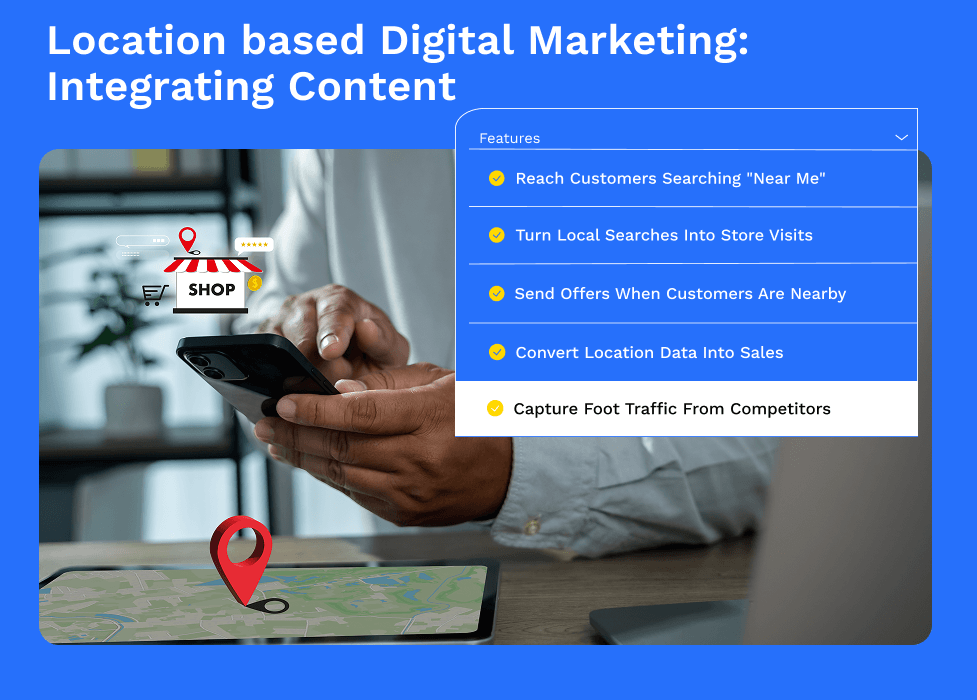
Location based digital marketing is a type of marketing that uses the location of the user to deliver content. This form of mobile marketing sends messages, offers, and information to close-by customers using GPS and other location-based technologies.
The use of location-based content marketing has grown in recent years, with many companies using it as a way to reach their target audience more effectively and efficiently, even though many businesses operate remotely and employees can virtually be present anywhere at any time with the help of location based social media marketing.
This is a comprehensive guide to the future of location-based marketing. It provides a framework for understanding how digital content can be used to create personalized, relevant, and engaging experiences for consumers.
What is the Location Based Digital Marketing
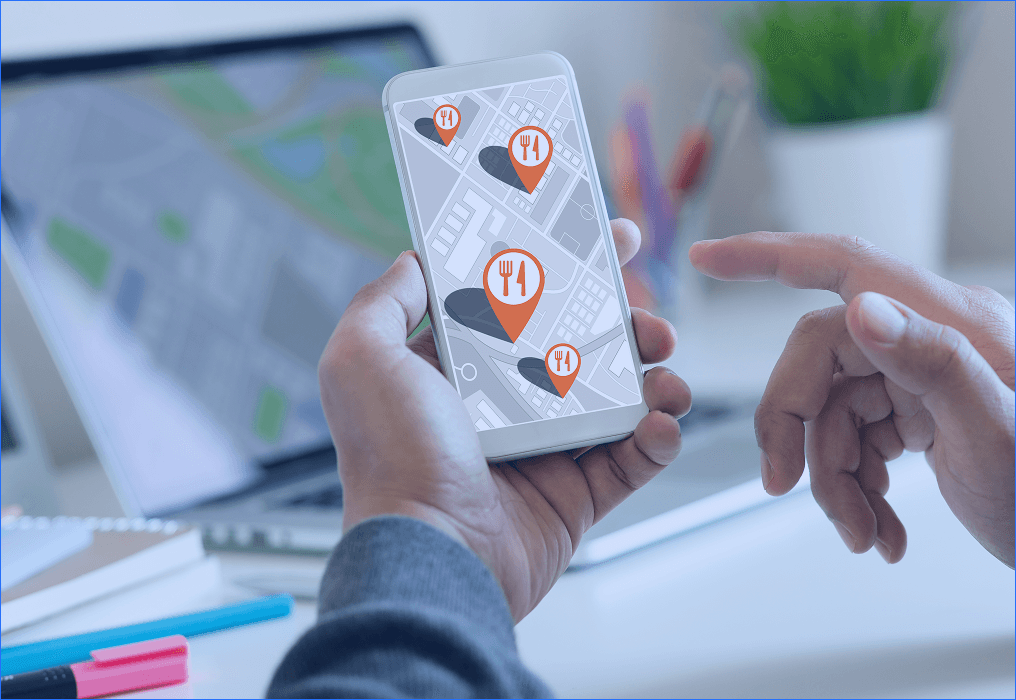
Location based digital marketing is a form of digital marketing that uses the location of the user to deliver content. It is a form of mobile marketing that uses GPS and other location-aware technologies to provide information about products and services to customers who are in close proximity. This type of marketing is very effective for small businesses because it allows them to reach customers in their own neighborhoods, cities, or even countries.
Location based marketing can be used for many different purposes. For example, it can be used to promote a new store opening or the latest product launch. It can also be used to promote a sale at nearby stores and restaurants, or it can even be used as an emergency notification system during natural disasters.
Discover how location-based marketing works and why it's essential for driving local customer engagement:
Types of Location-Based Marketing
Location-based digital marketing isn't one-size-fits-all. Different types serve different purposes and use different technology.
Understanding which type fits your business matters. Some work for immediate sales. Others build long-term awareness. Some require infrastructure. Others work with just a mobile app.
Type Comparison Table
Type | How It Works | Best For | Technology | Range | Speed |
| Geofencing | Virtual boundary around location | Drive foot traffic | GPS, mobile app | 50m-5km | Minutes |
| Beacon Marketing | Bluetooth signal in stores | In-store offers | Bluetooth/NFC | 1-100m | Seconds |
| Geotargeting | Target by city/neighborhood | Broad reach | GPS/IP address | Entire city | Hours |
| Proximity Marketing | Send message when user is close | Impulse offers | Bluetooth/WiFi | 1-50m | Seconds |
| Location-Based Search | "Near me" search ads | Capture intent | Google Search | Varies | Real-time |
| Store Locator | Find nearby locations | Drive visits | Maps integration | Varies | Real-time |
Real Breakdown
1. Geofencing
Virtual fence around your store or competitor location. When a customer enters, they get an offer. Works for restaurants, retail, events. Requires app download or permission. The most popular type right now.
2. Beacon Marketing
Bluetooth signals inside stores. The customer walks near the display, gets an instant offer. Works for retail, airports, events. No app permission needed but requires beacon hardware.
3. Geotargeting
Broadest type. Target the entire neighborhood or city. Works for awareness campaigns. Less precise but reaches more people. Good for new store openings.
4. Proximity Marketing
Similar to beacons but uses WiFi. The customer connects to the WiFi network, receives an offer. Works for malls, stores, cafes. Lower cost than beacons.
5. Location-Based Search
"Coffee near me" searches trigger your ad. Highest intent. The customer is actively looking. Works for any local business. Uses Google, Apple Maps
6. Store Locator
Help customers find your nearest location. Basic tool but effective. Works for multi-location businesses. Integration with Maps app essential.
Which Type Should You Use?
Want immediate foot traffic? Geofencing or beacons.
Want broad awareness? Geotargeting or location-based search.
Want cost-effectiveness? Store locator or location-based search.
Want high engagement? Proximity marketing or beacons.
Most successful businesses combine 2-3 types. Start with one, measure results, add others.
Get a complete overview of every location-based marketing approach and which type works best for your business:
How Location-Based Mobile Marketing Works
Location-based mobile marketing sounds complicated. It's actually straightforward once you understand the basic steps.
Step 1: Device Detection
Your phone has GPS, which constantly tracks your location. Apps and websites can request permission to access this data. When you say "yes," they know where you are, usually within 5-30 meters.
Step 2: Geo-Boundaries Set
A business draws a virtual line around their location. A coffee shop creates a geofence around their store. When your phone enters that boundary, the system notices.
Step 3: Trigger Activated
The moment you cross that boundary, something happens. An app sends a notification. A text arrives. An email triggers. It's automatic.
Step 4: Message Delivered
You receive a personalized message. "20% off today" or "Order ahead for pickup." The message is location-specific. Relevant. Timely.
Step 5: Customer Action
You see the offer. Visit the store. Make a purchase. The system tracks whether the notification led to a store visit or sale. That's how they measure success.
Real Example
You're near a Starbucks. Their geofence detects your phone. You get notified instantly: "Free upsize today." You walk in. Buy a drink. Starbucks sees the connection between notification and visit.
Why Mobile Matters
Mobile phones are always with you. Always on. Location data is available. Messaging is instant. This creates real-time, personalized marketing that actually works.
The technology does the heavy lifting. Businesses just set boundaries and craft messages. Customers get relevant offers at the right moment.
Master the timing and positioning of location-based mobile marketing to reach customers when they're most likely to convert:
Why Location-Based Marketing Matters?
Digital content marketing is one of the most significant trends in marketing. It has been a trend for quite some time now and it is likely to continue to grow in the future. It is growing at a rapid pace. There are many reasons for this growth. The most important one is the increasing number of internet users worldwide.
The digital world has changed the way people interact with brands. It is now easier for companies to reach their target audience through various digital channels. In an age where customer engagement is a key metric for success, location based content marketing has become a popular marketing strategy among companies.
Currently, 5.03 billion people around the world use the internet – equivalent to 63.1% of the global population. Globally, the number of internet users has grown by almost 180 million in the last 12 months, according to the latest data.
Another reason for the growth of digital content marketing is that it’s easier than ever to create content for the internet and distribute it online. Finally, we can’t forget about social media platforms like Facebook and Twitter which have been around since 2004 and 2006 respectively.
The growth in digital content marketing can be attributed to how it has evolved from just being an advertising medium to becoming a means of communication with customers. Digital content marketing encompasses a variety of channels such as social media, blogs, videos, mobile apps, and much more.
Read Also - Importance of Location-Based Marketing: Power of Geolocation
Importance of Location Based Content Marketing
Location based content marketing is a marketing strategy in which marketers use location-based content to provide information relevant to the user’s location. This type of marketing has been growing in popularity as it provides an effective way for businesses to connect with consumers.
The process of creating and distributing location based content can be broken down into three steps:
1) defining the target audience,
2) identifying the best Location-based marketing platform, and
3) creating and distributing the content.
This type of marketing can be used by small business owners as well as large corporations. The ability to reach potential customers within a certain radius makes this an attractive strategy for many companies.
Industries Using Location-Based Marketing
Location-based marketing isn't just for tech companies. Nearly every industry with physical locations uses it.
1. Retail & Shopping
Clothing stores, grocery shops, malls. They send offers when you're nearby. "Sale happening now" reaches someone walking past. Foot traffic increases immediately. Works especially well for impulse buys.
2. Food & Beverage
Restaurants, cafes, quick-commerce. They send dinner specials at 5pm when you're on your way home. Coffee shops offer free pastries to app users. Pizza chains notify you when you're in their delivery zone. Location timing creates urgency.
3. Real Estate
Agents use geofencing around competitor open houses. When someone visits a competitor, they get an offer for the agent's nearby property. Clever but sometimes aggressive.
4. Automotive
Car dealerships geofence competitor lots. When you visit a Toyota dealer, a Honda dealer notifies you about their new models. Service centers remind you when it's time for maintenance.
5. Healthcare & Fitness
Gyms send offers to nearby prospects. Clinics remind patients about appointments. Physical therapy centers target people visiting competitor locations. Health is location-aware.
6. Hospitality & Travel
Hotels target travelers near airports. Airlines send seat upgrades to airport proximity. Tourism boards promote attractions to tourists in their area. Works because travelers actively look for options.
7. Banking & Financial Services
Banks geofence branch locations. Credit unions send offers to nearby residents. Investment firms target areas with high net worth. Financial services are hyperlocal.
8. Entertainment & Events
Movie theaters send showtimes to nearby audiences. Concert venues notify users when artists perform. Event planners geofence competitor venues. Entertainment happens at specific places.
The Pattern
Every industry with physical locations benefits. Anywhere customers visit in person, location-based marketing works. The key is relevance. Send the right message to the right person at the right time.
The Market Size of Location Based Digital Commerce
Smartphone and internet penetration have increased in recent years. With the ‘Digital India’ program, the number of internet connections increased to 830 million in 2021. A total of 55% of internet connections were in urban areas, with 97% being wireless. A billion smartphones are expected to be in use by 2026. By 2030, India’s digital sector is expected to reach US$ 1 trillion.
Indian e-commerce has grown rapidly due to the rapid growth of internet users and smartphone penetration. Business-to-business (B2B), direct-to-consumer (D2C), consumer-to-consumer (C2C) and consumer-to-business (C2B) have all been transformed by India’s e-commerce sector. Recent years have seen tremendous growth in D2C and B2B segments. By FY27, India’s D2C market will reach US$ 60 billion. By 2030, the e-commerce market will reach US$ 350 billion, and will grow by 21.5% to US$ 74.8 billion or more by 2026.
Volumes of Search for Local Business
Local search marketing is a trend that has been growing for the past few years. This means that more and more people are looking for more information about local businesses on their mobile phones. The number of searches for local businesses has increased by 40 to 45% in the last year alone. It’s predicted that this number will keep increasing and will go up to 61% by 2026.
A lot of people don't know this, but when you search for local businesses on your phone, you're usually searching in Google Maps rather than Google Search. This is because Google understands that people want to find out where they can go to find what they need as quickly as possible, so the search engine tries to assist them by providing a map-based result.
The rise of location based content marketing has been a boon for local businesses. With the advent of smartphones, there is now a higher need for local businesses to market themselves on the internet. The search volume on Google has also increased with more people looking for local businesses in their proximity.
Sekel Tech’s Location-based content marketing is the most popular platform that has enabled people to find any kind of business they are looking for. This has provided an opportunity for local business owners who want to reach out to more customers in their locality and beyond.
Trends in Location-Based Marketing 2026
1. Location-based marketing
is evolving fast.What worked in 2024 isn't cutting edge anymore.
2. Privacy-First Approach
Apple killed third-party cookies. Android is following. Businesses can't track behavior the old way. Instead, companies now focus on first-party data - information customers willingly share. Location consent is explicit. Transparency builds trust.
3. AI-Powered Personalization
Generic "20% off" messages don't work anymore. AI analyzes what you bought before, predicts what you'll want next, personalizes offers based on behavior. A coffee shop knows you prefer lattes on Mondays and sends exactly that offer.
4. Real-Time Omnichannel - Location-based marketing
isn't just push notifications now. It's integrated across apps, SMS, email, and social. You get notified on your preferred channel. Seamless experience across touchpoints.
5. Offline-to-Online Attribution
Businesses finally measure what actually matters: did the location-based offer drive a purchase? Store visit tracking now connects digital touchpoints to offline sales. Data proves ROI.
6. Hyperlocal at Scale
Large chains now customize messages by store. Not company-wide offers. Neighborhood-specific promotions. Store managers have control. Local relevance increases response rates.
7. Conversational Commerce
Chat, voice, messaging apps replace traditional notifications. "Hey, we have your favorite snack in stock" via WhatsApp feels more personal than a push notification. Conversation beats broadcasting.
8. Ethical Location Tracking
Companies that respect privacy win. Aggressive tracking feels creepy. Transparent, consent-based location marketing builds customer loyalty. Ethics is a competitive advantage.
9. Sustainability Focus
Businesses highlight local, sustainable options. "Support local coffee roasters near you." Location marketing now serves environmental values, not just sales.
These trends reflect what customers actually want: relevant, respectful, personalized, transparent experiences. Technology serves the person, not the other way around.
Best Practices for Location-Based Marketing
1. Location-based marketing
only works if done right. Send the wrong message, violate privacy, or ignore user preferences, and customers uninstall your app.
2. Get Explicit Consent
Ask permission before tracking location. Don't sneak it into terms of service. Clear request: "Can we use your location to send relevant offers?" Transparent requests get higher opt-in rates.
3. Respect Frequency Limits
One notification per day. Maybe two during special sales. More than that and customers mute you. Quality beats quantity. One relevant offer beats ten irrelevant ones.
4. Send Relevant Messages
Know your audience. Don't send coffee offers to someone who never buys coffee. Don't promote women's clothing to men. Use purchase history and preferences. Relevance drives response.
5. Perfect Your Timing
Send offers when people actually shop. Coffee deals at 7am. Dinner specials at 5pm. Movie tickets Friday evenings. Timing matters as much as message.
6. Make It Easy to Act
Include clear CTA. "Tap to claim" or "Open in app." Don't make customers work. Friction kills conversions. One tap should lead to purchase or reservation.
7. Honor Opt-Out Requests
Customer disables location? Respect it immediately. Never nag or re-ask. Trust broken is hard to rebuild. Privacy preference is sacred.
8. Measure What Matters
Track actual conversions, not just clicks. Did the location-based offer lead to a store visit? A purchase? That's success. Vanity metrics don't matter.
9. Test & Adjust
Different messages work for different audiences. Test variations. Learn what resonates. Refine continuously. Static strategies fail.
Privacy Concerns in Location-Based Marketing
1. Location-based marketing
creates real privacy tension. Customers want personalized offers. They also want their location private. Balancing this matters.
2. The Trust Problem
Customers worry: where is this data stored? Who has access? How long is it kept? Many companies handle location data carelessly. One breach damages trust permanently. Companies that take privacy seriously win loyalty.
3. Government Regulations
GDPR in Europe, CCPA in California, emerging laws globally. Location data is personal data. Laws require explicit consent, transparency, and deletion rights. Ignoring regulations costs money in fines.
4. Data Brokers
Location data gets sold. Your movements become a commodity. Third-party brokers buy and sell location patterns. Customers rarely know this happens. Transparency is minimal.
5. Tracking Without Consent
Some apps track location even when not in use. Background location access is enabled by default. Users don't realize they're being tracked constantly. This practice erodes trust.
6. Geofencing at Competitor Locations
Ethically gray area. Targeting people at competitor stores feels manipulative. It works short-term. Long-term, customers feel violated when they realize they're being tracked at rivals' locations.
7. Behavioral Profiling
Location data combined with purchase history creates detailed profiles. Companies know where you shop, eat, exercise, worship. This level of insight feels invasive. People didn't consent to this depth of tracking.
8. Best Path Forward
Transparency is non-negotiable. Tell customers exactly what you track, why, how long, and who accesses it. Get explicit consent. Honor deletion requests. Respect privacy preferences.
Companies that handle location data ethically build lasting customer relationships. Those cutting corners face backlash and regulation. Privacy isn't a cost center. It's a competitive advantage.
Read Also - How Effectiveness of Location-Based Marketing Improves O2O?
The Omnichannel Shift: Why Digital Brands Need Physical Stores
Physical stores are becoming a vital part of marketing and branding for digital brands. The reason is that the physical store is the only way to provide a personalized experience to consumers.
The trend of investing in physical stores is not new. In fact, it has been around for quite some time. However, in the past few years, digital brands have started to invest big in physical stores as well. This is because they are now realizing that location-specific traffic can be a great way to reach their target audience and convert them into customers.
Location based social media marketing is an emerging trend. Brands are now investing more in physical stores to cater to location-specific traffic. This has been made possible because of the availability of location-based data that digital marketers can use for targeting.
There are many advantages of using physical stores for location-specific traffic. One advantage is that it helps brands in catering to local customer needs, which may not be met by online retailing or social media marketing. It also provides a better customer experience and helps in creating a personal connection with customers.
Benefits of Location-Based Digital Marketing
1. Increased Foot Traffic
Reach customers nearby exactly when they're deciding where to go. A notification about your store beats generic advertising. Customers act immediately.
2. Higher Conversion Rates
Nearby customers are warmer leads. They're in your area. Relevant offers convert better than broad campaigns. Location proximity increases intent.
3. Lower Marketing Costs
Stop paying to reach people across the country. Target only nearby customers. Smaller audience, higher relevance, better ROI. Your budget stretches further.
4. Measurable Results
Track which customers saw your offer and visited your store. Proof of impact. Data shows what actually works. No guessing.
5. Personalized Experience
Combine location data with purchase history. Send exactly what each customer wants. Generic messages don't work. Personalization does.
6. Competitive Advantage
Competitors still use broad advertising. You're targeting nearby customers with relevant offers. You win the local market.
7. Customer Loyalty
Consistent, relevant location-based offers build relationships. Customers feel understood. They return. They recommend you.
8. Omnichannel Integration
Online research leads to offline visits. Digital touchpoint drives physical action. Everything connects. Seamless customer journey.
See proven strategies for using location-based marketing to scale your business, increase revenue, and dominate your local market:
Location-Based Social Media Marketing Strategies
Social media and location combine powerfully. You reach people in specific places with messages they actually care about.
Strategy 1: Geotargeted Social Ads
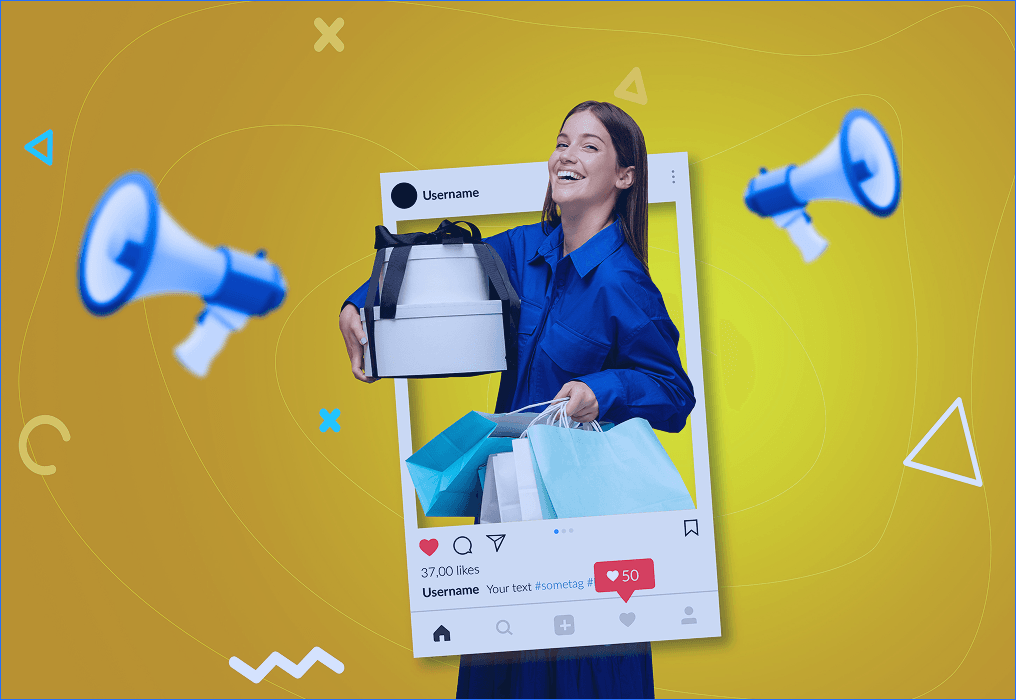
Run Facebook/Instagram ads targeting specific neighborhoods. "This coffee shop is 5 minutes away" reaches people nearby. Personalized targeting improves click-through rates significantly.
Strategy 2: Local Content Creation

Share store-specific content. Photos from your Mumbai location. Events at your Bangalore branch. Local customers feel recognized. Community builds loyalty.
Strategy 3: Check-In Incentives
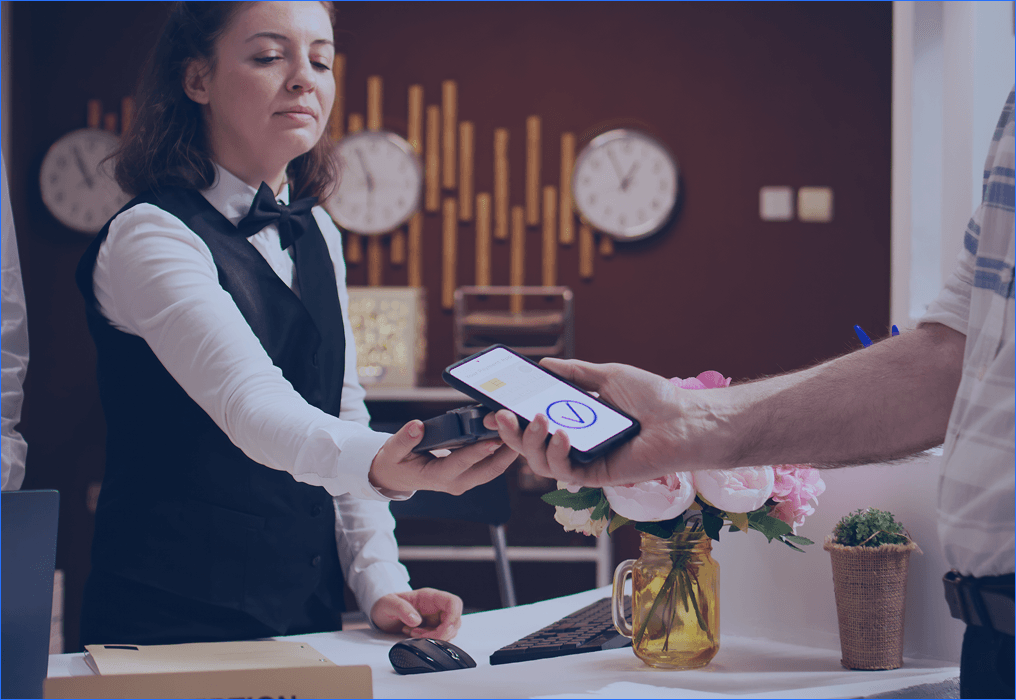
Reward customers for checking in on social media. "Tag us, get 10% off." User-generated content plus foot traffic. Win-win.
Strategy 4: Location-Specific Hashtags
Create hashtags for each location. #CoffeeBaristaDelhi. Customers use it. You track mentions. Build a local community online.
Strategy 5: Real-Time Social Response
Monitor mentions of your area. The customer asks "Best coffee near me?" Reply immediately with your location. Capture intent in real-time.
Strategy 6: Social-to-Store Attribution

Track customers who saw your social post and visited your store. Measure actual ROI. Proves social drives foot traffic.
Strategy 7: Influencer Partnerships

Partner with local influencers. They promote your location authentically. Reach grows. Trust increases.
Why This Works
Location-based social media marketing combines audience relevance (social targeting) with timing (location proximity). Customers see your message when they're thinking about your category. In their area. From their community. Response rates are significantly higher than broad social campaigns.
Frequently Asked Questions (FAQs)
1. What are the best location-based marketing strategies?
Top strategies include geofencing to drive foot traffic, location-based social media ads targeting specific neighborhoods, real-time offers when customers are nearby, and store locator optimization for "near me" searches. Combine geofencing with personalized messaging based on purchase history. Use location data to segment audiences. Track offline conversions from digital touchpoints. Start with one strategy, measure results, then scale. Most successful businesses combine 2-3 location-based marketing strategies based on their specific goals and budget.
2. What is geofencing in location-based marketing?
Geofencing creates a virtual boundary around a physical location using GPS technology. When a customer's phone enters that boundary, they automatically receive a notification with an offer or message. It works through mobile apps that have location permission enabled. Geofences can be as small as 50 meters or as large as 5 kilometers depending on your needs. Location-based marketing using geofencing is highly effective for driving immediate foot traffic. Retail stores, restaurants, and banks use geofencing to reach nearby customers instantly with relevant offers.
3. Which businesses should use location-based marketing?
Any business with a physical location benefits from location-based marketing. Retail stores, restaurants, coffee shops, gyms, salons, clinics, banks, hotels, and entertainment venues all use it successfully. Multi-location businesses especially benefit because they can customize messages by store. Small local businesses compete with larger chains using location strategies. Even service-based businesses like plumbers and electricians use location targeting. However, businesses requiring immediate customer action or foot traffic see best results. B2C businesses generally benefit more than B2B.
4. Is location-based marketing privacy-safe?
When done right, yes. Responsible location-based marketing requires explicit user consent before tracking location. Customers must opt-in knowingly. Transparent companies explain how location data is used, stored, and protected. GDPR and CCPA regulations require this transparency. Privacy-safe practices include clear consent requests, easy opt-out options, data deletion upon request, and secure encryption. However, some companies track location without proper consent or sell data to third parties unethically. Choose platforms prioritizing customer privacy. Read privacy policies carefully. Trustworthy businesses respect location data as sensitive.
5. What is the future of location-based marketing?
The future emphasizes privacy-first approaches and AI-powered personalization. Third-party cookies are disappearing, so businesses focus on first-party location data customers willingly share. AI will predict customer needs based on location patterns without invasive tracking. Omnichannel integration will improve - seamless experience across app, SMS, email, and social. Offline-to-online attribution becomes standard, proving ROI of location-based marketing campaigns. Ethical transparency will differentiate winners from losers. Voice and conversational marketing will replace push notifications. Sustainability and local community values will influence messaging increasingly.
Conclusion
Location-based digital marketing has evolved from a nice-to-have tactic to essential strategy. In 2026, customers expect businesses to understand their location and send relevant offers at the right moment. The businesses winning locally are those combining geofencing, social media targeting, local SEO, and real-time personalization. Privacy and transparency are no longer optional - they're competitive advantages. Whether you're a small coffee shop or multi-location chain, location-based strategies drive measurable foot traffic and customer loyalty. The technology exists. The data is available. The question is whether you'll capture nearby customers searching for you right now or watch competitors do it instead. The time to act is now.
Turn Local Searches Into Store Visits With Sekel Tech
Customers are searching for businesses like yours right now. "Coffee near me." "Best pizza in my area." "Salon close by." These searches represent real foot traffic opportunities.
But most businesses aren't capturing them. Their Google listings are outdated. Their location data is scattered. Their offers aren't personalized. They're losing customers to competitors who show up first.
Sekel Tech solves this.
Our location-based digital marketing platform connects your online presence with offline store visits. Optimize your local listings so you appear in "near me" searches. Use geofencing to reach nearby customers with relevant offers. Track which digital touchpoints drive actual store traffic. Measure real ROI, not vanity metrics.
What You Get:
- Local search optimization across Google, Apple Maps, and directories
- Geofencing campaigns targeting customers within your service area
- Personalized offers based on location and customer behavior
- Real-time conversion tracking from search to store visit
- Multi-location management from one dashboard
- Privacy-compliant customer data handling
Your competitors are still running broad campaigns. You'll be converting nearby customers actively searching for what you offer.
Stop losing local customers to competitors. Start converting nearby searches into store visits.
Book a demo with a Sekel Tech location marketing expert. See how we help businesses like yours drive measurable foot traffic and growth.
Share


Similar Blogs
Loved this content?
Sign up for our newsletter and get the latest tips & updates directly in your inbox.
There’s more where that came from!
 Connect with us