
Omni Channel
10 Emerging Omnichannel Retail Trends to Watch in 2026
Thu, 06 Nov 2025 13:00:35 GMT
Speak to our Hyperlocal Expert
Editor’s Note: This post was originally published in Nov 2025 and is updated in May 2026 for accuracy and comprehensiveness.
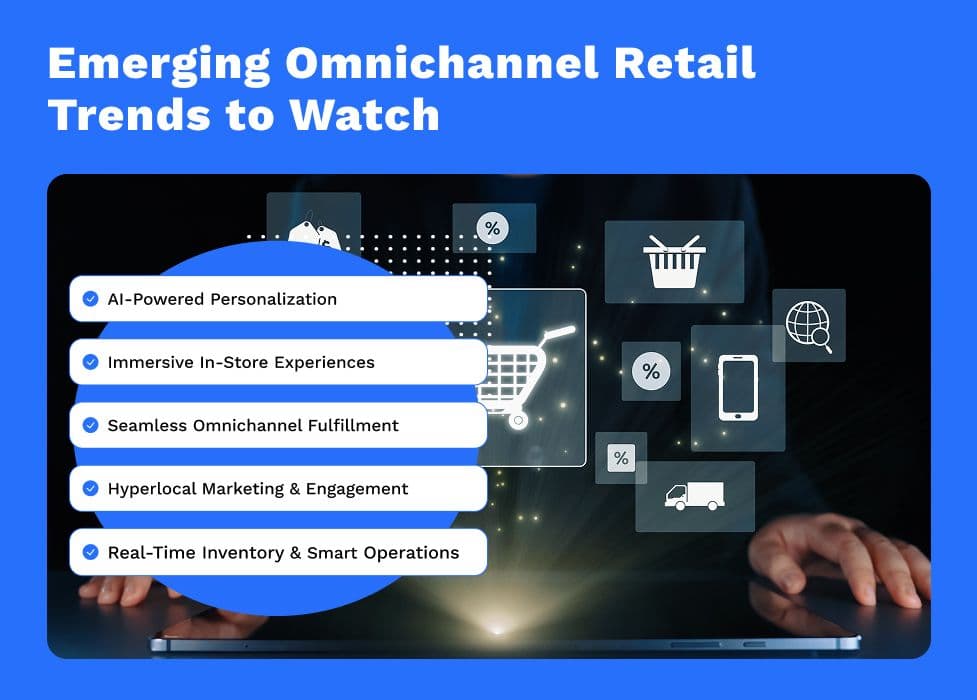
Omnichannel retail trends focus on creating a seamless customer experience across online, mobile, and in-store channels. These trends are becoming increasingly important as they improve convenience, boost engagement, and increase sales by unifying every step of the shopping journey.
Customer expectations are changing fast, and retailers can no longer rely on disconnected channels. Today’s shoppers move fluidly between websites, mobile apps, social media, customer support, and physical stores. Research shows that 73% of consumers use multiple touchpoints before making a purchase, and Gen Z expects real-time availability, personalized interactions, and smooth transitions at every step.
With AI-driven recommendations, immersive in-store technologies, and real-time inventory visibility becoming mainstream, omnichannel retail trends are transforming how customers discover, compare, purchase, receive, and return products. These shifts are redefining loyalty and influencing long-term buying behavior.
In this blog, we explore the top 10 emerging omnichannel retail trends to watch in 2026 and how they are shaping the future of retail.
What is Omnichannel Retail?
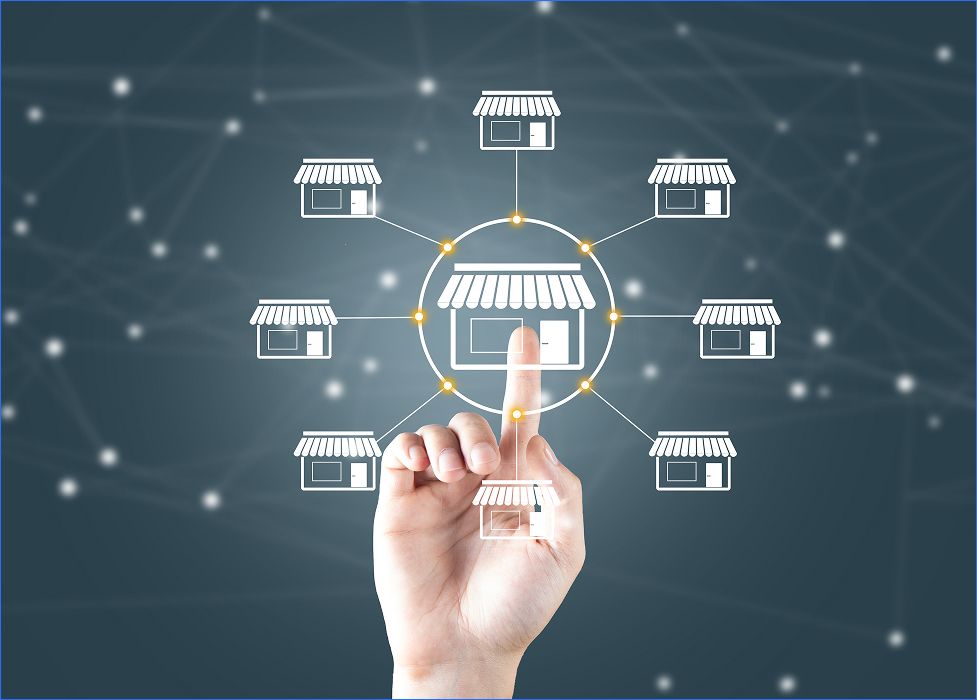
Omnichannel retail means providing one consistent brand experience across every touchpoint where customers interact with your business. Whether a shopper visits your website, browses your mobile app, checks your social media, walks into a store, or contacts customer support, the experience, product information, and brand messaging remain unified.
To make this work, retailers connect their data, inventory, and communication systems across all channels. This ensures that product availability, prices, offers, and customer profiles stay consistent everywhere.
It’s important to understand the difference between multichannel and omnichannel
Approach | What It Means | Customer Experience |
| Multichannel | Brand is present on multiple platforms, but each works separately | Experiences may feel disconnected or inconsistent |
| Omnichannel | All channels are connected and synchronized | Customer gets a smooth, seamless journey everywhere |
In simple words, omnichannel retail makes every step of the shopping journey feel connected, no matter where it starts or ends.
Why Omnichannel Retail Matters in 2026
The shift toward omnichannel retail is no longer optional. It has become a key factor in how brands attract, convert, and retain customers in 2026. Retailers who provide a seamless and connected shopping experience see higher customer retention and greater lifetime value, as shoppers are more likely to return when every interaction feels smooth and personalized.
A unified shopping journey also helps reduce drop-offs by making it easier for customers to browse, compare, purchase, and return products without friction. The continued growth of BOPIS (Buy Online, Pick Up In-Store), same-day delivery, and curbside pickup has further blurred the line between online and offline shopping, reinforcing the need for consistent experiences across channels.
In an increasingly price-sensitive market, a well-executed omni channel retail strategy becomes a powerful differentiator. Meanwhile, Gen Z and younger shoppers expect real-time information, personalization, and continuity across every touchpoint. By aligning with omnichannel retail trends, brands can stay competitive, build stronger loyalty, and deliver the seamless experiences customers now consider standard.
10 Emerging Omnichannel Retail Trends in 2026
As customer expectations evolve, retailers need to provide seamless experiences across online, mobile, and in-store channels. Staying updated with the latest omnichannel retail trends is essential to remain competitive and drive growth.
1. Omnichannel Retail Trend - Unified Commerce and Single Source of Truth
A key shift in 2026 is the move toward unified commerce, where all systems work from one single source of truth. This means connecting CRM, product data, store inventory, online catalogs, and customer profiles into one synchronized platform.
With real-time, consistent data across every channel, retailers reduce stockouts, avoid pricing conflicts, and support store teams with accurate information. What was once considered an advanced capability is now the expected baseline for delivering seamless customer experiences and staying competitive.
2. Omnichannel Retail Trend - Generative AI for Personalized Customer Interactions
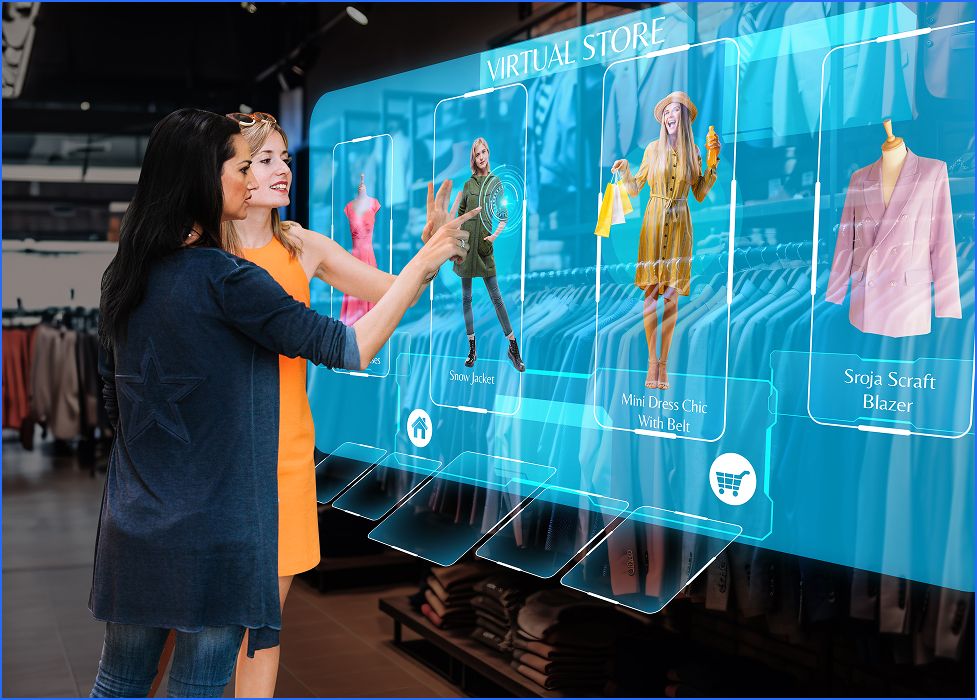
Generative AI is transforming how retailers engage with customers. AI-powered chat assistants, personalized product recommendations, and targeted messaging are helping brands deliver more relevant and timely interactions.
AI is also enhancing customer service through guided shopping journeys, interactive product quizzes, and real-time support. This level of personalization increases engagement, improves satisfaction, and drives higher conversion rates.
Watch the video to learn about emerging AI technologies shaping the future of omnichannel retail. "The Rise of Retail AI Technology : Emerging Trends in 2023"
3. Omnichannel Retail Trend: Real-Time Inventory Visibility Across Channels
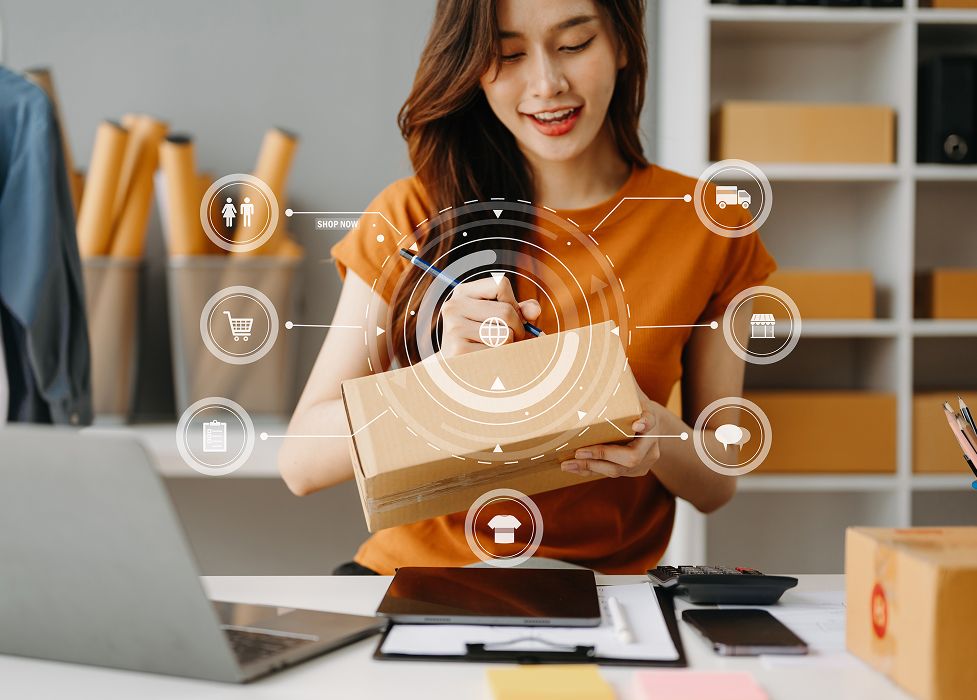
Shoppers expect to know what’s in stock before visiting a store. Real-time inventory visibility allows customers to check availability at nearby locations, boosting conversion and reducing abandoned purchases.
Technologies like RFID and IoT sensors improve accuracy from warehouse to shelf, helping retailers prevent stockouts and minimize overstock waste. This ensures a smoother, more reliable shopping experience across all channels.
Read Also - Omnilocal Inventory Management Platform for Smarter Retail
4. Omnichannel Retail Trend - Advanced Fulfillment Models (BOPIS, ROPIS, BORIS & Same-Day Delivery)
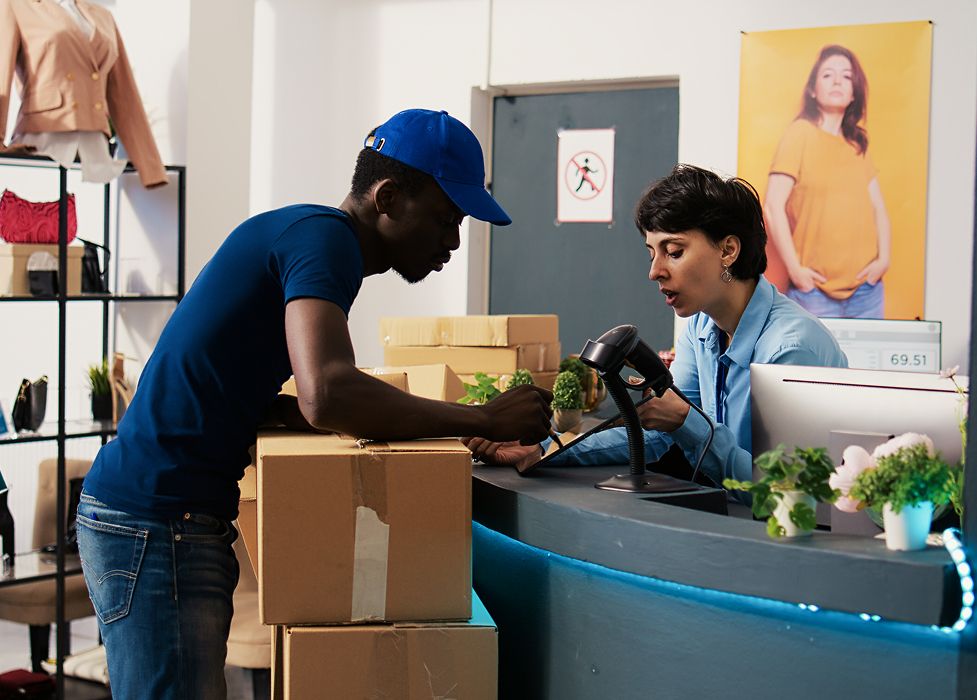
Click-and-collect options like BOPIS (Buy Online, Pick Up in Store) and ROPIS (Reserve Online, Pick Up in Store) are now standard. Stores are being used as micro-fulfillment centers to speed up order preparation and reduce delivery times. Retailers are also expanding last-mile delivery partnerships to enable same-day and ultra-fast delivery, improving convenience and customer satisfaction.
5. Omnichannel Retail Trend- Immersive Store Experiences with AR & Digital Displays
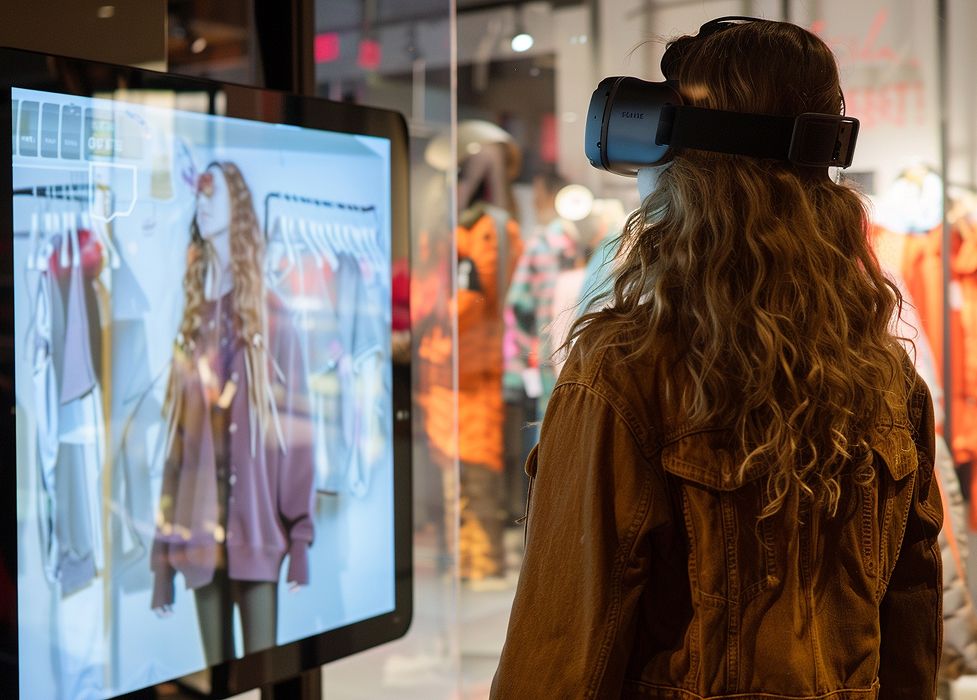
Retailers are introducing AR mirrors, digital mannequins, and virtual fitting rooms to make in-store shopping interactive. 3D product displays and smart mirrors help customers visualize products instantly. According to McKinsey, the future store will focus on multi-sensory experiences, including sound, scent, and interactive lighting, making shopping more engaging and memorable.
6. Omnichannel Retail Trend - Hyper-Personalization Powered by Customer Data
Brands are moving from basic segmentation to micro-segmentation, delivering truly individualized experiences. Personalized emails, SMS, WhatsApp messages, and push notifications are tailored to customer behavior and context. The rise of AI-driven Customer Data Platforms (CDPs) allows retailers to centralize data and optimize personalization at scale.
7. Omnichannel Retail Trend - Social & Community Commerce Growth
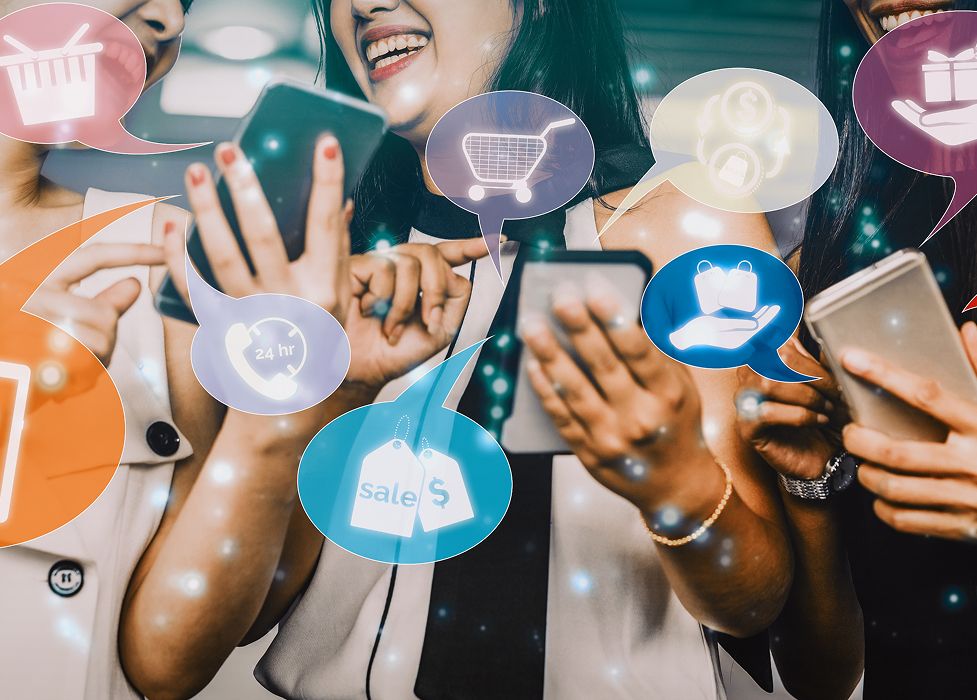
Customers are increasingly discovering products on Instagram, TikTok, and YouTube. Social stores, creator collaborations, and live shopping streams are driving engagement, while peer reviews and user-generated content (UGC) build trust and influence purchase decisions.
8. Omnichannel Retail Trend - Contactless & Frictionless Payments Everywhere
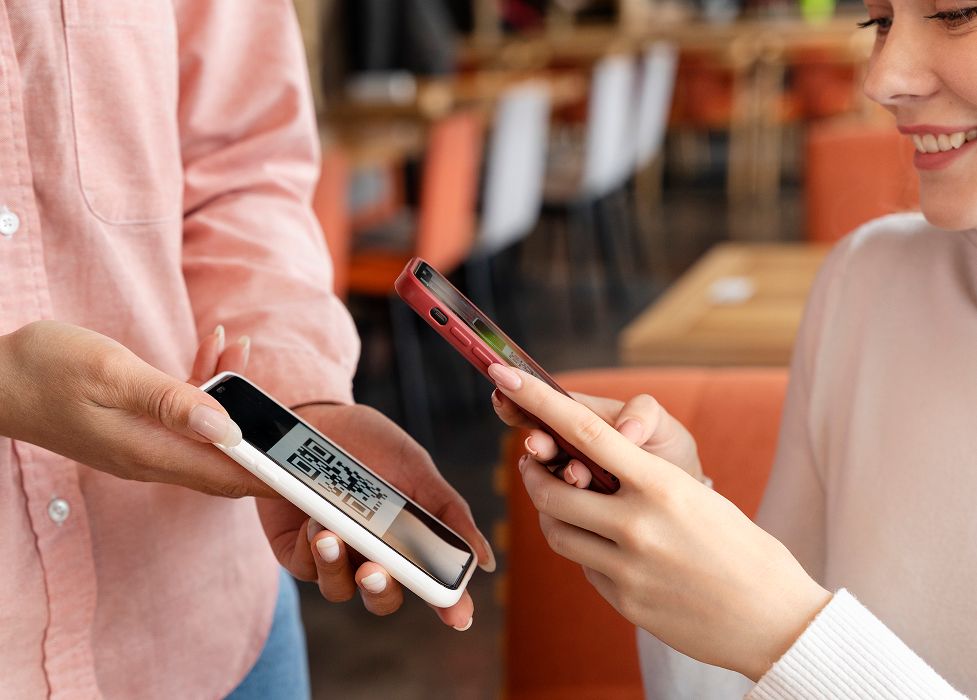
Frictionless payments are now expected. Options like UPI, tap-to-pay, auto-billing, and subscription replenishment speed up checkout and improve satisfaction. Self-checkout kiosks and scan-and-go systems further reduce friction, lowering cart abandonment and boosting loyalty.
9. Omnichannel Retail Trend - Mobile-First, App-Driven Shopping Journeys
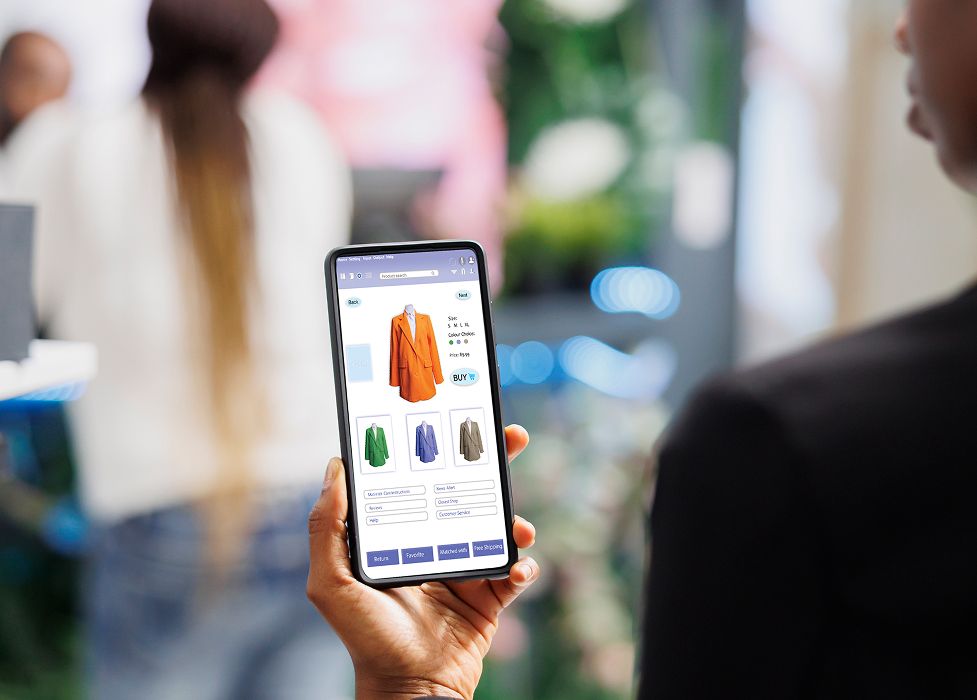
Mobile apps are becoming the hub of the shopping experience. Features like mobile wallets, notifications, loyalty tracking, and real-time offers turn apps into store companions. This mobile-first approach continues to drive the growth of m-commerce, shaping how customers discover and purchase products.
10. Omnichannel Retail Trend - Sustainability & Ethical Retail Expectations
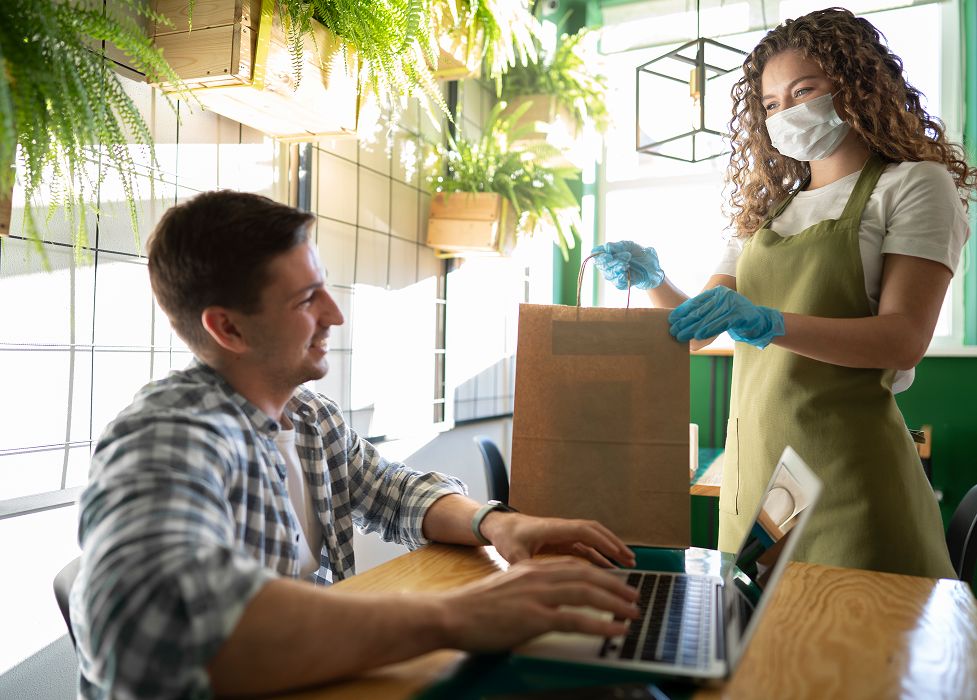
Shoppers increasingly care about product origin, packaging, and carbon footprint. Brands are adopting eco-friendly logistics, sustainable packaging, and recycling programs. Transparency and traceability have become trust builders, helping retailers connect with socially conscious customers while staying competitive.
These emerging strategies show how technology, personalization, and sustainability are shaping the retail landscape. By adopting these omnichannel retail trends, brands can deliver seamless experiences, increase loyalty.
Read Also - 20 Best Omni Channel Retailing Examples from Top Brands
Challenges Retailers Face When Implementing Omnichannel
While omnichannel retail trends offer significant benefits, implementing them comes with several challenges
1. Data Silos
Disconnected systems can prevent a unified view of inventory, customers, and sales, making it hard to deliver consistent experiences.
2. Technology Complexity and Cost
Integrating multiple platforms and tools can be expensive and technically challenging, especially for mid-sized retailers.
3. Inventory Syncing Issues
Ensuring real-time stock updates across online, mobile, and in-store channels is critical to avoid overselling or stockouts.
4. Training Store Staff
Employees need proper training to adopt new systems and deliver a seamless, informed customer experience.
5. Consistent Messaging Across Channels
Maintaining unified branding, promotions, and communications across all touchpoints remains a key hurdle.
Addressing these challenges effectively is essential for retailers looking to fully leverage omnichannel retail trends and maximize customer satisfaction.
How Brands Can Build a Winning Omnichannel Retail Strategy
Implementing a successful omnichannel retail strategy requires careful planning and execution. Here are key steps brands can follow.
1. Map the Customer Journey
Understand how your customers interact across online, mobile, and in-store channels. Identify pain points and opportunities to create a seamless experience.
2. Integrate Systems and Data
Connect CRM, inventory, EPOS, and digital platforms to provide a unified view of products, customers, and sales. This ensures real-time inventory visibility and consistent messaging.
3. Personalize Engagement
Leverage customer data to deliver targeted offers, recommendations, and communications via email, push notifications, SMS, or social media. AI-driven tools and Customer Data Platforms (CDPs) can enhance personalization at scale.
4. Enable Flexible Fulfillment
Offer options like BOPIS, curbside pickup, same-day delivery, or subscription services to meet diverse customer expectations.
5. Measure and Optimize Performance
Track key metrics such as footfalls, conversion rates, order fulfillment speed, and customer satisfaction. Use insights to refine campaigns and improve omnichannel effectiveness.
By following these steps, retailers can create a consistent, convenient, and engaging experience that aligns with the latest omnichannel retail trends and builds long-term loyalty.
For retailers looking to understand the broader impact of omnichannel strategies in both retail and FMCG sectors, the Economic Times offers an insightful perspective on balancing digital and physical channels for long-term success.
How Sekel Tech Supports Omnichannel Retail Trends
To succeed in implementing omnichannel retail trends, brands need technology that unifies discovery, engagement, and fulfillment. Sekel Tech provides a comprehensive platform that helps retailers deliver seamless customer experiences across all touchpoints.
- Hyperlocal Discovery
Ensures customers can easily find the nearest store or product, increasing footfalls and local engagement.
- Centralized Content Management
Manage offers, blogs, and product updates across multiple store locations while maintaining brand consistency.
- Real-Time Inventory Visibility
Gives accurate stock information across online, mobile, and in-store channels, reducing stockouts and overstock issues.
- Automated Review & Reputation Management
Builds trust through consistent responses and sentiment analysis across multiple platforms.
- Lead Tracking & Customer Engagement
Monitors calls, directions, chats, and in-store visits to optimize the full customer journey.
With Sekel Tech, retailers can adopt the latest omnichannel retail trends efficiently, enhancing personalization, improving operational efficiency, and driving higher sales and loyalty.
Watch the below video to see how managing multiple store listings, content, reviews, and sales can be simplified with the right platform. "Manage Listings, Content, Reviews & Sales - All in One Place"
Frequently Asked Questions (FAQs) - Omnichannel Retail Trends
1. What is an omnichannel retail strategy?
An omnichannel retail strategy is a customer-focused approach that delivers a consistent shopping experience across both digital and physical channels. It connects touchpoints such as stores, websites, mobile apps, and social media, allowing customers to move seamlessly between them. By syncing data across channels, businesses can offer personalized experiences and maintain consistent branding, increasing customer satisfaction and loyalty.
2. What is an advantage of omnichannel retailing?
Omnichannel retailing improves product availability, drives sales, and increases footfall. It enhances the overall customer experience by integrating multiple touchpoints, making it easier for shoppers to purchase via mobile, website, or in-store, depending on their preference.
3. What is the key focus of omnichannel retailing?
The key focus is creating a connected and seamless experience across all channels. For example, a customer may browse a product on a mobile app, complete the purchase online, and pick it up in-store all while enjoying a smooth, unified journey.
4. What is the principle of omnichannel retailing?
The core principle of omnichannel retailing is to integrate all customer touchpoints, using data from multiple channels to deliver personalized and relevant experiences. For instance, information like a customer’s purchase history can help store staff or AI-powered assistants make tailored product recommendations that match individual preferences.
5. What are the types of omnichannel?
Omnichannel strategies offer flexibility in how customers shop and receive products. Common approaches include Buy Online, Pick Up In-Store (BOPIS), Buy Online, Return In-Store (BORIS), and the endless aisle concept, where store staff assist customers in ordering items not available in-store and have them delivered directly.
Conclusion
The retail landscape is rapidly evolving, and staying competitive in 2026 requires embracing the latest omnichannel retail trends. From AI-driven personalization and immersive in-store experiences to real-time inventory and sustainable practices, these strategies are reshaping how customers discover, purchase, and interact with brands.
Retailers who integrate these trends with the right technology and data-driven insights can provide seamless, connected shopping journeys, build stronger customer loyalty, and drive higher sales. Platforms like Sekel Tech make it easier to unify operations, personalize experiences, and stay ahead of the competition.
By adopting these emerging omnichannel retail trends, brands can not only meet evolving customer expectations but also create meaningful, lasting relationships that fuel long-term growth.
20 Best Omni Channel Retailing Examples from Top Brands
Share


Similar Blogs
Loved this content?
Sign up for our newsletter and get the latest tips & updates directly in your inbox.
There’s more where that came from!
 Connect with us